 Skip to content
 We help restore the health of the musculoskeletal system, nervous system, and joints.
We work with pain, injuries, chronic conditions, and the consequences of surgeries.
Our specialists select individual treatment programs so that you can move without pain and restrictions.
Wellness centers
Patients were helped
Specialists
Years of experience
We are grateful to everyone who has entrusted their health to us.
Your feedback is the best confirmation of the results of our work.
Share your impressions - they inspire us to become even better every day.
Leave your contacts — our specialist will contact you within 10–15 minutes to help you choose a service and answer all your questions.
We are always open for communication and ready to help you.
Call or email us to schedule a consultation or get detailed information.
Our experts will suggest the best solution for you.
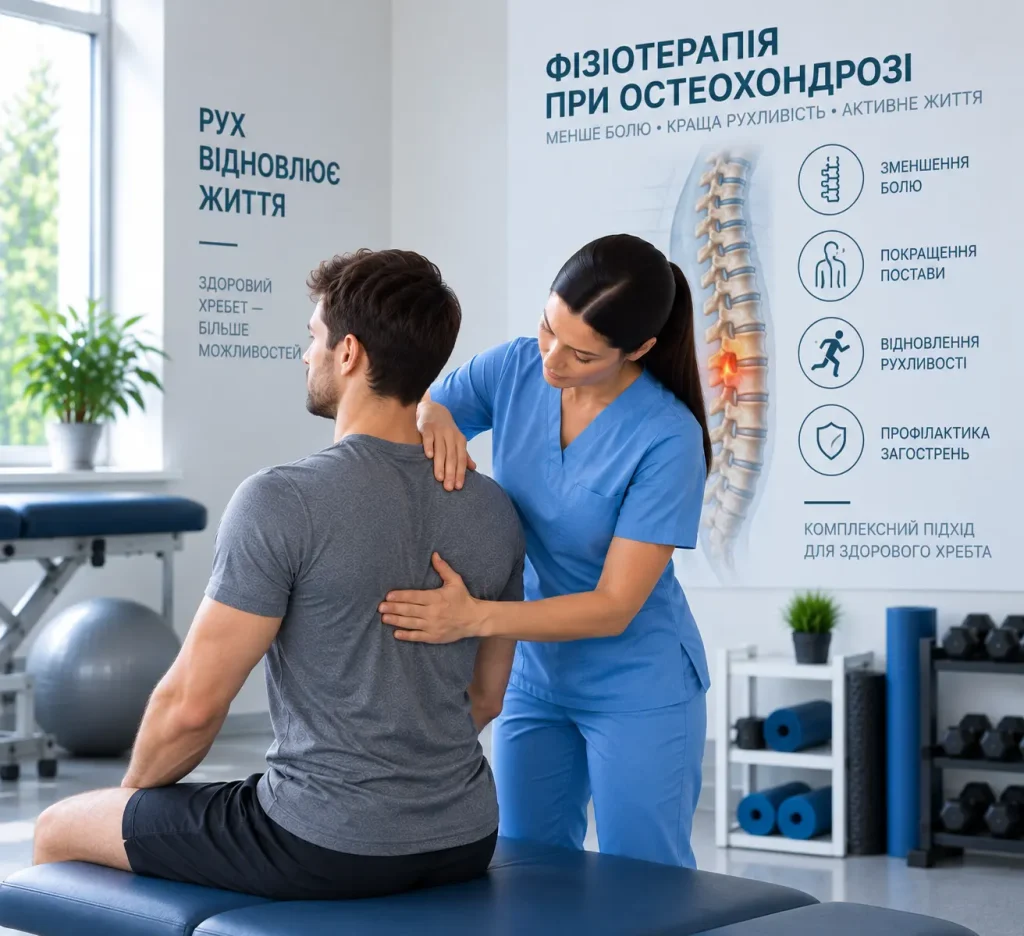
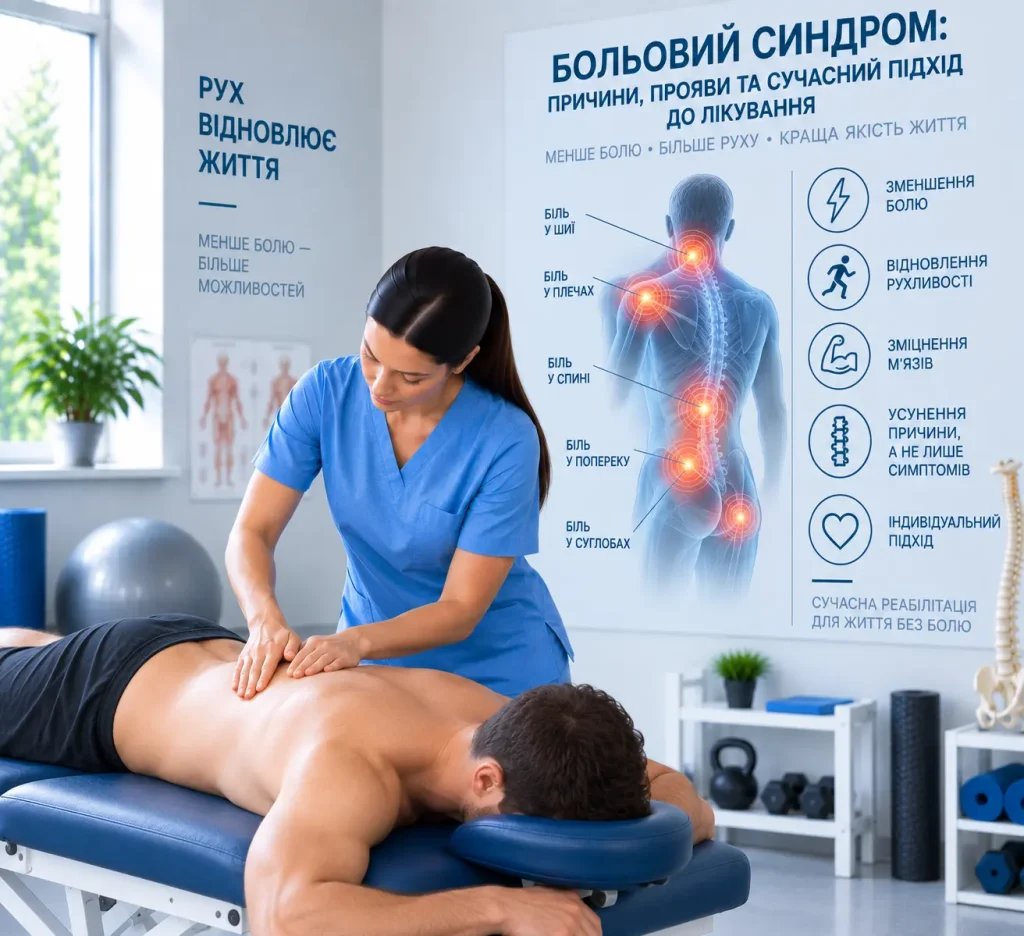
Spine and joint treatment at KINEZIUM does not begin with a separate procedure, but with an assessment of the condition: where the pain is localized, what movements are limited, whether there is weakness, swelling, numbness or gait disturbance. After that, the specialist selects a program that may include physiotherapy, therapeutic exercises, kinesiotherapy, massage or soft manual techniques according to indications. The main goal is not just to temporarily reduce discomfort, but to restore mobility, stability, muscle strength and load tolerance. In medical rehabilitation, it is important to work gradually: tissues must adapt, and the patient must learn to move without dangerous compensations.
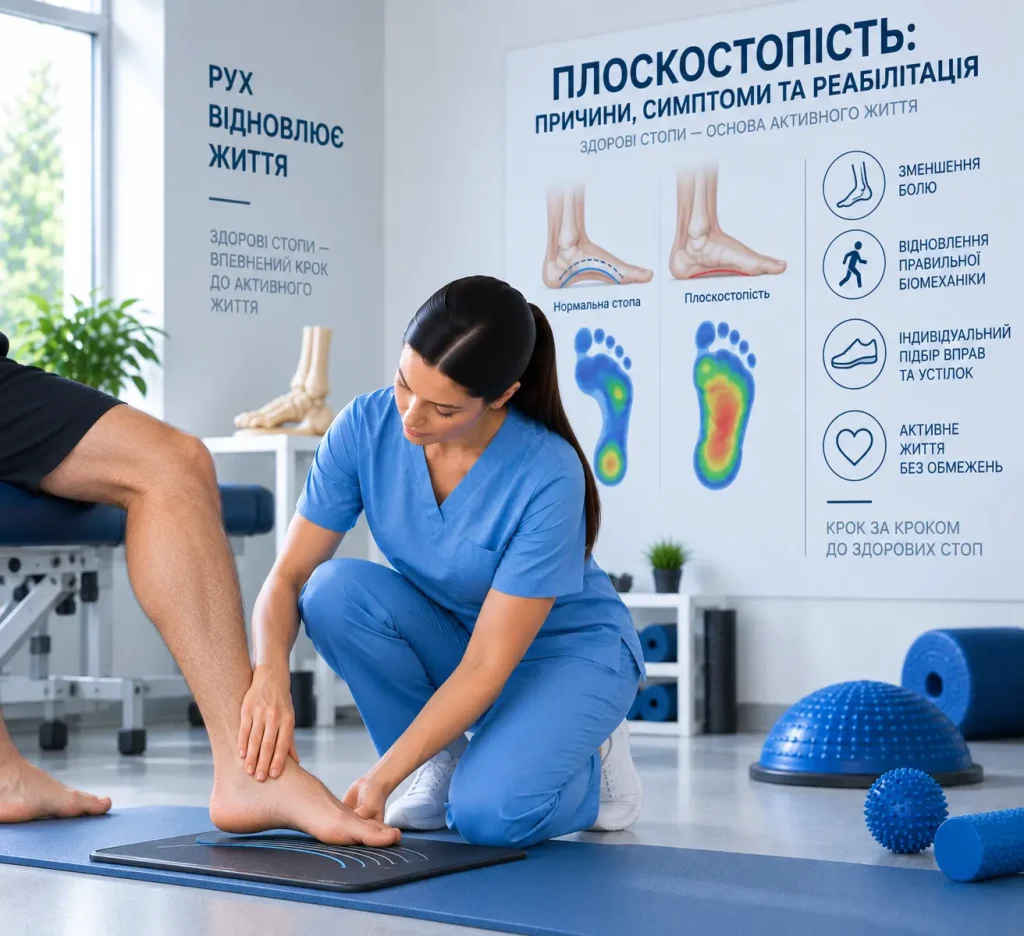
A spine and joint rehabilitation center may be needed by people with back, neck, knee, shoulder, hip, or foot pain. Patients often present after injuries, surgeries, prolonged restriction of movement, sedentary work, overuse, or exacerbation of a chronic condition. It is especially important not to delay evaluation if the pain prevents you from walking, sleeping, working, lifting, bending, or carrying out household tasks normally.
Situation | When to contact |
Back or neck pain | If the pain recurs, worsens after exertion, or limits movement |
Knee or hip pain | If it is difficult to walk, climb stairs, squat, or stand for long periods of time |
Shoulder pain | If arm lifting is limited, there is weakness or night pain |
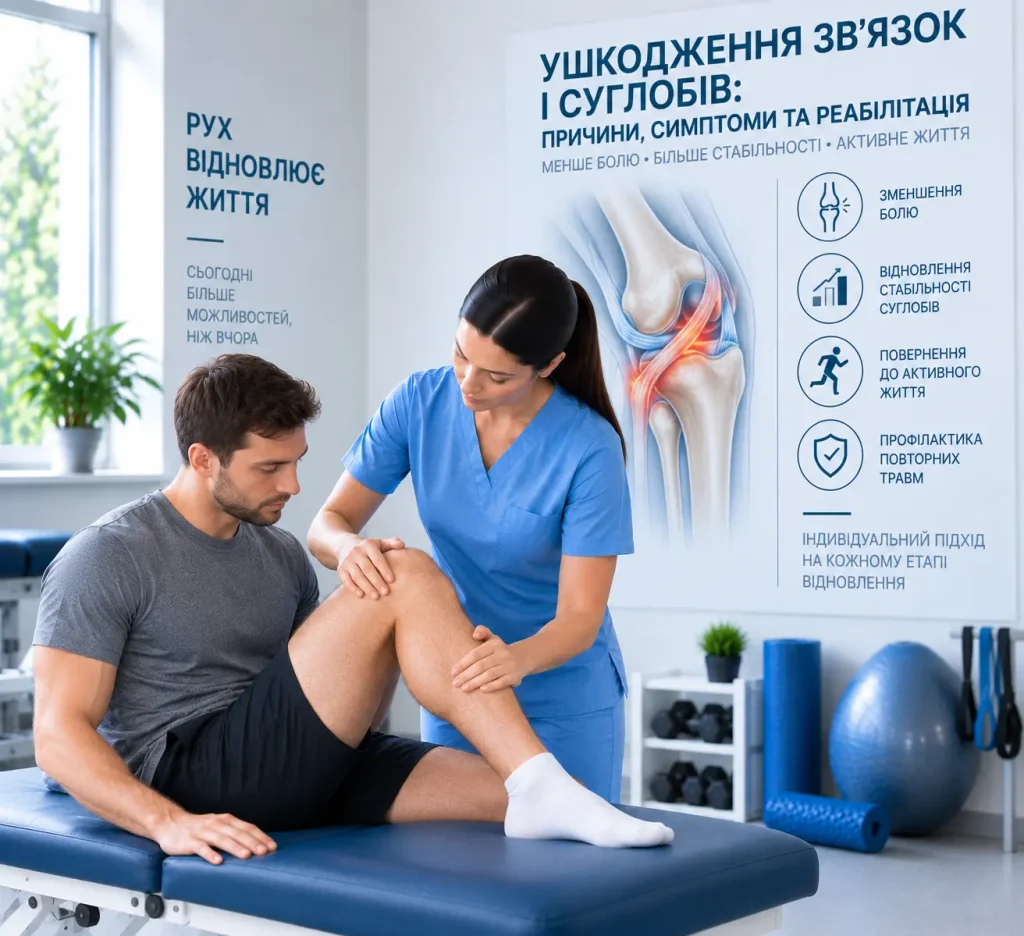
After injury | If stiffness, swelling, weakness, or instability remains |
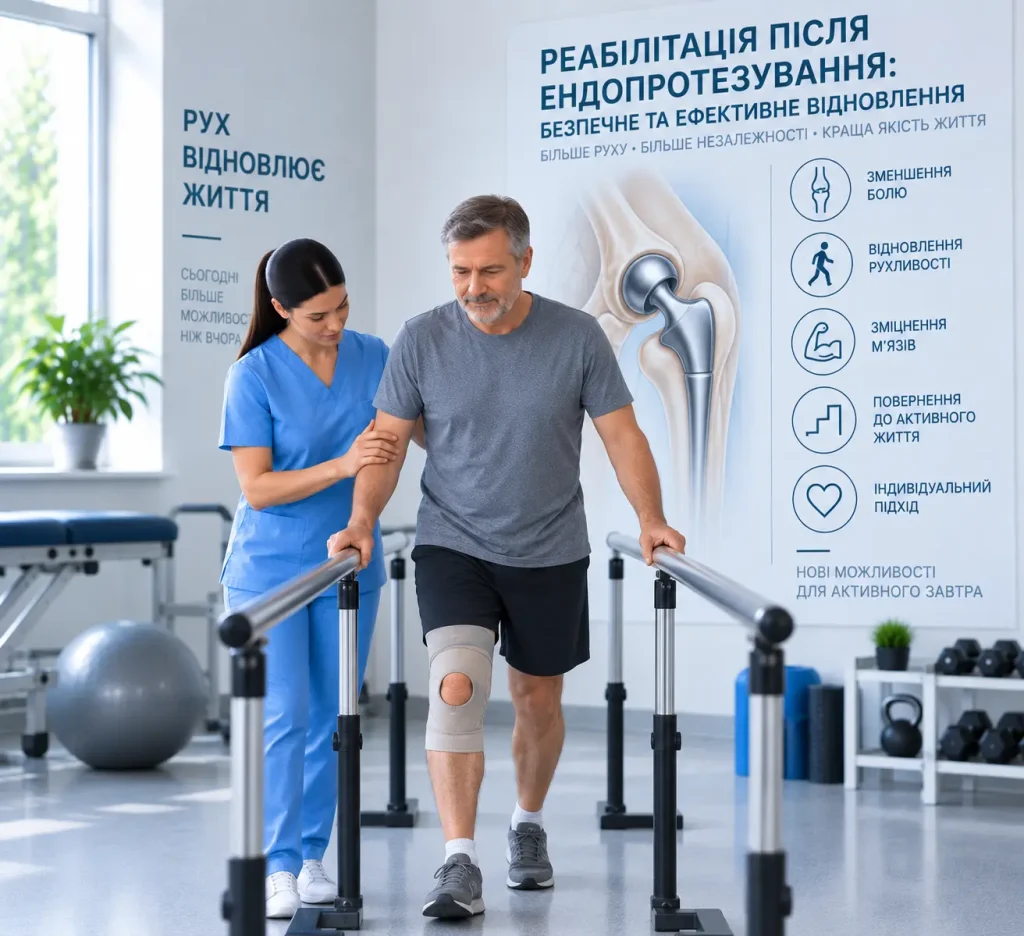
After surgery | If a controlled return of motion and strength is needed |
Gait disturbance | If lameness, fear of exertion or instability appears |
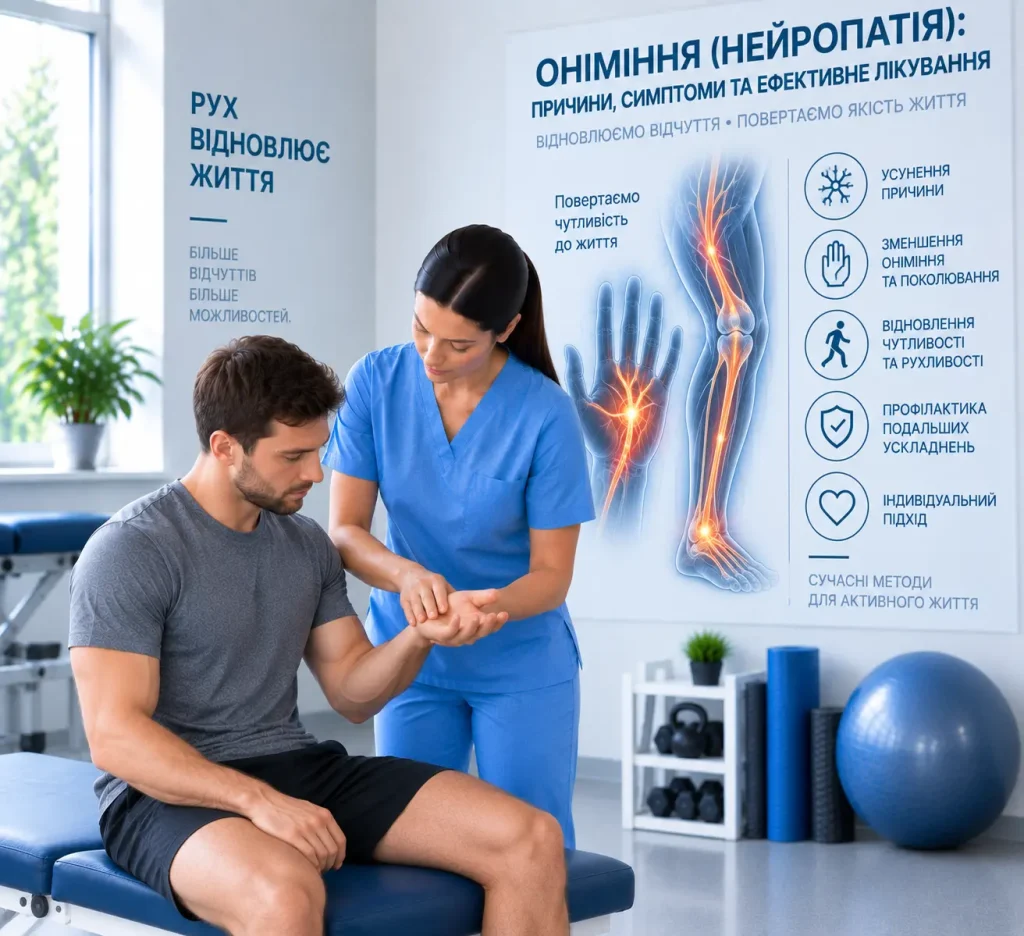
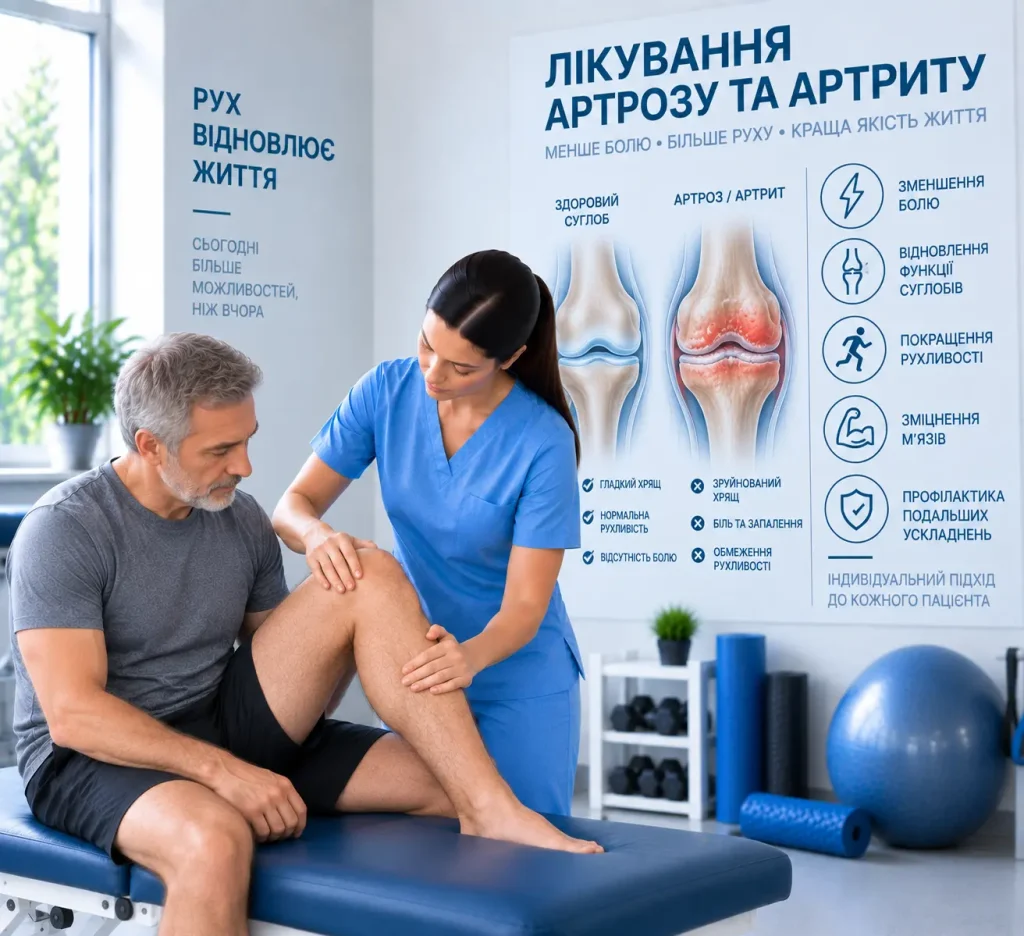
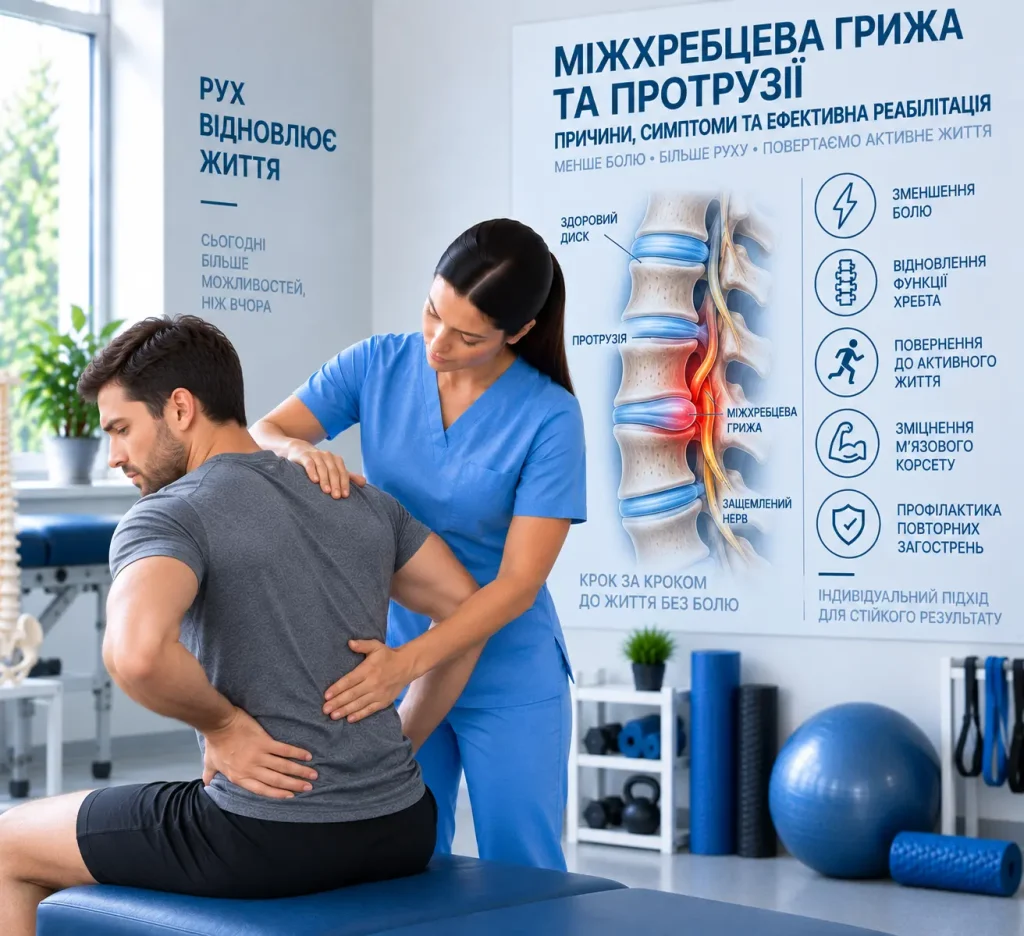
Medical evaluation is required for chronic back or joint pain, arthrosis, arthritis, osteochondrosis, protrusions, intervertebral hernias, consequences of injuries and postoperative conditions. Special attention should be paid to symptoms that may indicate irritation of nerve structures: numbness, weakness in an arm or leg, shooting pains, impaired sensitivity or change in gait. If there is swelling, redness, local heat in the joint area or temperature, acute inflammation or infectious process must be excluded. In such cases, independent exercises or intensive massage can be dangerous, so a specialist consultation is required first.
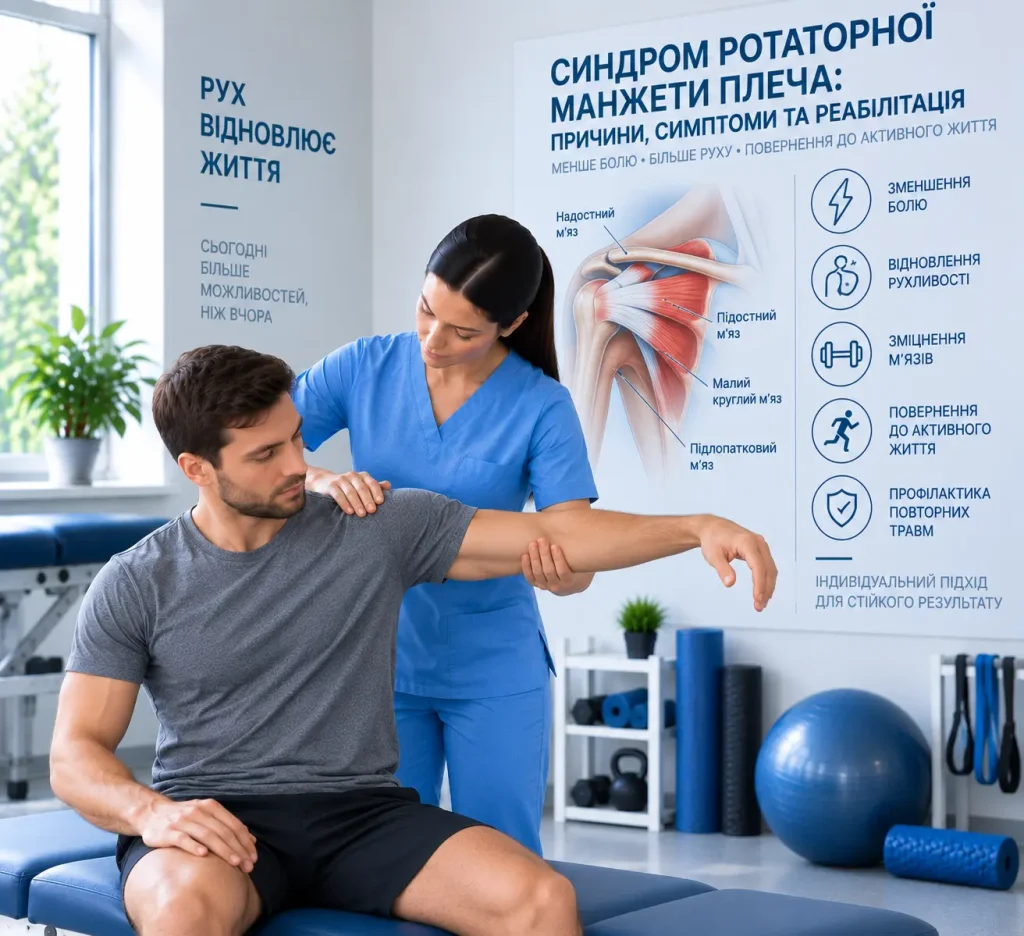
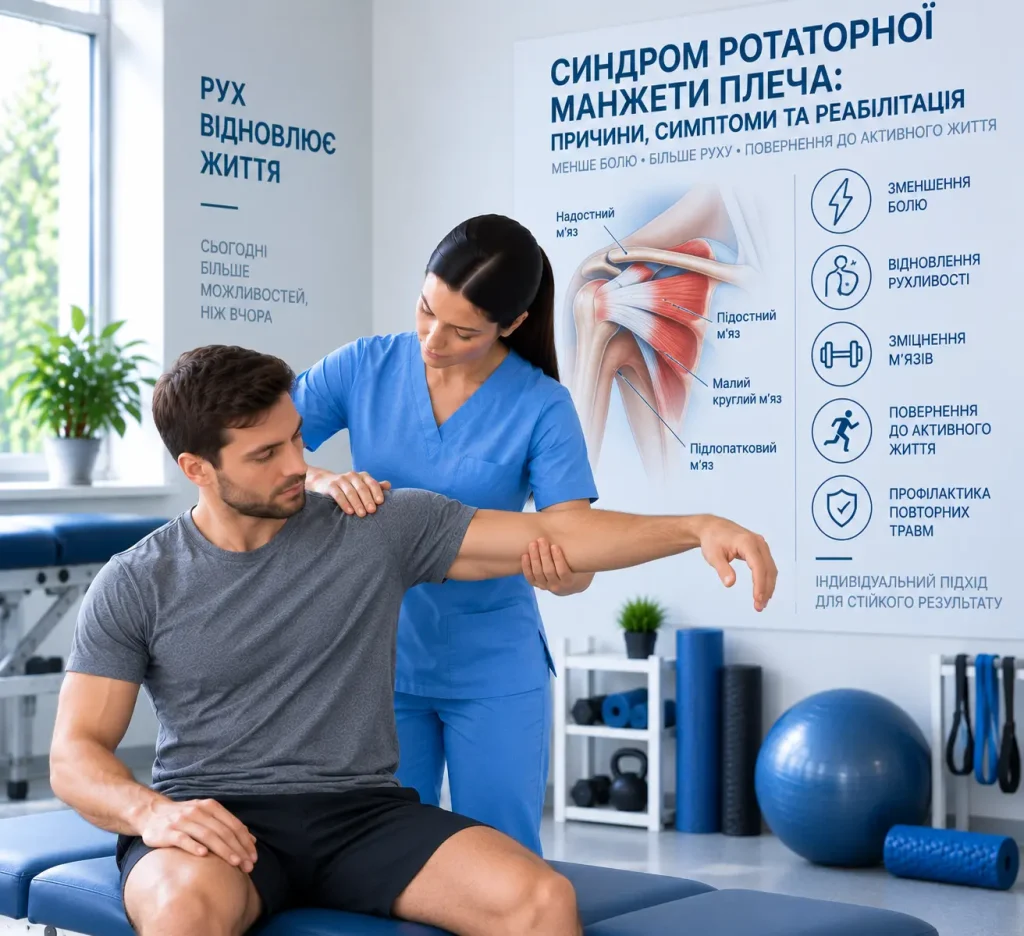
Rehabilitation for back and joint pain helps to gradually reduce discomfort, restore mobility, strength, stability and confidence in everyday movements. If the patient avoids exercise for a long time, the muscles weaken, the joints become less mobile, and the gait or posture often changes compensatorily. That is why the program may include exercises for amplitude, stabilization, strength, balance, gait control and dosed increase in activity. Additionally, physiotherapy, massage or soft manual techniques are used as indicated to support tissue recovery and facilitate the implementation of the active part of the program.
The initial assessment begins with an analysis of the complaints: where it hurts, how long it has been, what provokes the symptoms, what movements are limited and what the patient wants to return to in everyday life or work. Next, the specialist assesses the mobility of the spine and joints, muscle strength, balance, gait, pain response, the presence of swelling, numbness or other limitations. If there are results of MRI, CT, X-ray, ultrasound, discharge after surgery or doctor's recommendations, they should be brought with you. After the assessment, an individual program is formed with clear load limits, home recommendations and progress criteria.
A one-time procedure may temporarily relieve discomfort, but it rarely resolves the entire functional problem. Comprehensive rehabilitation begins with an assessment, has a plan, combines several techniques, and is regularly adjusted depending on the patient's response. This is especially important for chronic pain, osteoarthritis, hernias, postoperative conditions, and gait disorders, where not only symptomatic relief is needed, but a gradual return of movement and strength.
Criterion | Separate procedure | Comprehensive program |
Start | Often starts right away with the method | It starts with an assessment of the condition and limitations |
Goal | Relieve a specific symptom | Restore mobility, strength, stability and function |
Methods | One format of influence | Physiotherapy, exercise therapy, massage, kinesiotherapy according to indications |
CONTROL | Minimal or episodic | Regular assessment of dynamics and response to load |
Home activities | May be absent | The patient receives recommendations and exercises to maintain the result |
The treatment program for the spine and joints may include physiotherapy, exercise therapy, kinesiotherapy, therapeutic massage, soft manual techniques, hardware methods and a gradual increase in functional load. For back pain, they often work with trunk stabilization, thoracic or lumbar mobility, pelvic control and motor habits. For joint problems, the emphasis shifts to the amplitude of movement, muscle strength around the joint, balance, gait and load tolerance. The method is chosen not according to the principle of “what is stronger”, but according to indications, contraindications and the recovery phase.
Before treatment, it is necessary to take into account acute pain, significant swelling, temperature, redness, numbness, progressive weakness, impaired sensitivity, recent injury or postoperative restrictions. Such symptoms may change tactics or require consultation with a doctor before starting procedures and exercises. It is dangerous to perform intense exercise if pain increases sharply, instability, gait disturbance or neurological manifestations appear.
Clinical evidence supports this cautious approach. MedlinePlus, in its article on acute low back pain, lists as reasons for seeking medical attention pain after a hard blow or fall, urinary or fecal incontinence, pain radiating below the knee, night pain, fever, and severe pain that prevents you from finding a comfortable position: https://medlineplus.gov/ency/article/007425.htm. The NIAMS, in its sports injury material, states that sudden severe pain, significant swelling, inability to bear weight, inability to move a joint normally, severe weakness, or visible deformity require medical evaluation: https://www.niams.nih.gov/health-topics/sports-injuries. For joints, the NIAMS also describes pain, redness, warmth, and swelling as typical signs of arthritis, where it is important to identify the specific type of condition before treatment: https://www.niams.nih.gov/health-topics/arthritis. In KINEZIUM, the recovery program should begin by checking such limitations so as not to overload the tissues and worsen the condition.
To sign up for an assessment of the condition of the spine and joints at KINEZIUM, you should briefly describe the complaints, localization of pain, duration of symptoms, previous injuries, surgeries or examinations. If you have MRI, CT, X-ray, ultrasound, doctor's notes or recommendations, it is better to prepare them for the initial consultation. At the appointment, the specialist will check mobility, strength, pain, gait, contraindications and determine what recovery format is needed. After that, you can start with an individual program that corresponds to the patient's condition, not a general scheme.
Leave your contacts — our specialist will contact you within 10–15 minutes to help you choose a service and answer all your questions.
Leave your contacts - our specialist will contact you within 10-15 minutes to help with the service and answer all your questions.