 Skip to content
9 sessions + 1 as a gift
Rehabilitation of the leg with a plate in KINEZIUM is a recovery after osteosynthesis, when the fracture was fixed with a metal plate, screws or other structure. Such a program is aimed at controlling support, mobility, strength, gait and gradual return of load. The presence of a plate does not mean that the leg can be fully loaded immediately: the decision depends on the bone union, the recommendations of the traumatologist, pain, swelling and the type of fracture. In KINEZIUM, the specialist evaluates the images, the allowed support, muscle strength, joint mobility, gait, balance and household tasks of the patient. The goal is to restore confident gait and function of the leg without the risk of overloading the fracture area.
A plate is placed when a fracture requires stable fixation for proper healing. The cause may be a fall, a car accident, a sports injury, a displaced fracture, or a complex fracture that cannot be held sufficiently stable without surgery.
| Reason | What may require a plate |
| Displaced fracture | Bone fragments need to be stabilized for fusion. |
| Compound fracture | Fixation of multiple fragments or an unstable area is required |
| Road accident or high-energy trauma | Combined injuries of bones and soft tissues are more common. |
| Sports injury | May require surgery for instability or displacement |
| Fall | Can cause a fracture of the shin, hip, foot, or joint area |
| Postoperative stage | Need to restore movement, support, strength, and gait |
Once the plate is in place, the degree of loading depends on the stage of union. Even if the pain has subsided, the bone may not yet be ready for full weight-bearing or weight-bearing exercises.
| Stage / state | Typical manifestations | Rehabilitation logic |
| Early postoperative period | Pain, swelling, scarring, limited support | Protection of the fracture area, control of swelling, permitted movements |
| Limited support | Walking with crutches, fear of stepping | Teaching dosed support and correct stride |
| Confirmed fusion | The doctor allows more load | Gradual strengthening, balance, increased walking |
| Restoring function | Muscles are weak, gait is still altered | Working with strength, mobility, endurance |
| Return to activity | Need stairs, work, sports or long walks | Functional exercises and load control |
If rehabilitation is not performed after osteosynthesis of the leg, weakness, joint stiffness, abnormal gait, fear of support, and decreased endurance may remain. Prolonged caution without a program often leads to the patient continuing to limp even after fusion. At the same time, hasty loading without the doctor's permission can provoke pain, swelling, or risk in the fixation area.
Possible consequences:
After a plate, it is important to restore the leg not according to the principle of “bear it and walk”, but according to a controlled plan.
Rehabilitation after a leg plate is necessary for patients after a fracture, surgery, immobilization, pain, swelling, weakness, and limited walking. It is especially important when the doctor gradually allows resistance and the patient does not know how to safely transition from crutches to full walking. Rehabilitation is also necessary for stiffness of the ankle, knee, or hip joint after a period of limited movement.
| Situation | When rehabilitation is needed |
| After osteosynthesis | Need to regain movement, support, and strength after surgery |
| After a cast or brace | Joints are stiff, muscles are weak, gait is altered |
| When support is limited | A safe transition from crutches to full gait is needed |
| For pain or swelling | The load is poorly tolerated, dosage is required |
| With leg weakness | Difficulty walking, climbing stairs, standing for long periods of time |
| For return to work or sports | Requires strength, balance, endurance, and movement control |
Rehabilitation after osteosynthesis of the leg helps to restore support, amplitude, strength, balance, gait and confidence in the load. At the beginning, it is important to reduce pain and swelling, maintain mobility of adjacent joints and use crutches correctly. Then the program moves on to gradual support, strengthening the muscles of the thigh, lower leg or foot, balance training and restoring the step. If the fracture was near the joint, special attention is needed to the amplitude of movements. The ultimate goal is for the patient to be able to walk, stand, work and return to activity more safely.
The leg plate program includes pain and swelling control, progressive support, movement development, strengthening, balance, and gait training. Each phase should be consistent with the recommendations of the traumatologist and the bone union data.
| Stage | What do they do? | Why is this needed? |
| 1. Analysis of recommendations | Pictures, extract, permitted support, scar condition | Do not overload the fracture area. |
| 2. Pain and swelling control | Dosed movements, leg position, physiotherapy as indicated | Prepare your leg for more active recovery |
| 3. Joint mobility | Ankle, knee, hip joint depending on the fracture | Reduce stiffness after immobilization |
| 4. Gradual support | Learning to walk with crutches, transitioning to more support | Restore confidence in your step |
| 5. Strengthening | Muscles of the foot, lower leg, thigh, buttocks | Regain control of the leg |
| 6. Balance and function | Stairs, balance, household and work movements | Prepare for real workload |
Rehabilitation of the leg with a plate at the KINEZIUM center in Kyiv begins with an analysis of the images and recommendations of a traumatologist, an assessment of support, gait, strength, pain, swelling and joint mobility. The specialist clarifies where the plate was, when the operation was performed, whether full support is allowed and what movements are limited. Then an exercise program is selected, physiotherapy according to indications, gait training, balance and home recommendations. At each stage, the reaction of the leg to the load is monitored: pain, swelling, lameness, fatigue. If the fusion has not yet been confirmed, full load is not forced.
Rehabilitation with a plate differs from recovery after a conventional fracture in that it is necessary to consider surgical fixation, scar condition, postoperative limitations, control of union, permissible resistance and risk of overload. The plate stabilizes the fracture, but does not eliminate the need for gradual muscle and gait recovery. Rehabilitation is also required after a fracture without surgery, but the limitations may be different.
| Criterion | Leg with plate | Fracture without plate |
| The main factor | Surgery, fixation, scar condition, fusion | Bone union and the consequences of immobilization |
| Support | Clearly on the recommendation of a traumatologist | Also with the doctor's permission, but without a surgical scar |
| Risk | Overloading of the fixation area, pain, swelling | Overloading the bone until it heals completely |
| Focus | Gait, support, scar, strength, balance | Mobility, strength, load return |
| Pace of progress | Tied to images and post-operative plan | Tied to fusion and function |
When rehabilitating a leg with a plate, it is necessary to take into account incomplete union, pain, swelling, prohibition of weight bearing, postoperative restrictions, scar condition, signs of infection and risk of re-injury. If the doctor has not allowed full weight bearing, you cannot independently switch to walking without crutches. It is also important to avoid early running, jumping and strength training without confirmation of readiness.
MedlinePlus explains in its articles on fractures that the bone needs time to heal, and treatment and exercise should be in accordance with the recommendations of a medical professional: medlineplus.gov. MedlinePlus describes rehabilitation as the process of regaining the abilities needed for daily living after an injury or surgery: medlineplus.gov. The AAOS Foot and Ankle Conditioning Program notes that after injury or surgery, an exercise program helps you return to daily activities and a more active lifestyle: orthoinfo.aaos.org. Practical conclusion: a plate does not mean readiness for full load without control of the fusion.
After a course at KINEZIUM, you can expect a gradual return of gait, strength, support, balance and everyday activities. The result depends on the type of fracture, the location of the plate, fusion, age, pain, swelling, regularity of classes and the permitted load. In practice, this means a smoother step, less fear of stepping, better endurance and a gradual return to stairs, work or an active life.
MedlinePlus describes rehabilitation as the process of restoring function after injury or surgery: medlineplus.gov. The AAOS Foot and Ankle Conditioning Program explains that a structured program after injury or surgery helps you return to daily activities: orthoinfo.aaos.org. The AAOS Knee Conditioning Program also emphasizes the role of strengthening the muscles that support the joint and help reduce stress: orthoinfo.aaos.org. Practical conclusion: the result after osteosynthesis is not only bone fusion, but also the return of normal support, strength, and gait.
To sign up for leg rehabilitation with a plate, you need to contact KINEZIUM and inform them of the date of the operation, the location of the fracture, whether support is allowed, whether there is pain, swelling or walking restrictions. It is advisable to take pictures, a statement and recommendations from a traumatologist for the initial assessment. The specialist will check support, walking, strength, mobility, balance and a safe level of load. After that, an individual recovery program will be drawn up. If there is redness of the scar, temperature, sharp pain or swelling, a medical assessment is required first.
Wellness centers
Patients were helped
Specialists
Years of experience
Our team consists of experienced rehabilitation specialists, physiotherapists, and massage therapists who help people restore their health and return to an active life every day.
We combine modern techniques, an individual approach, and sincere care for each patient.
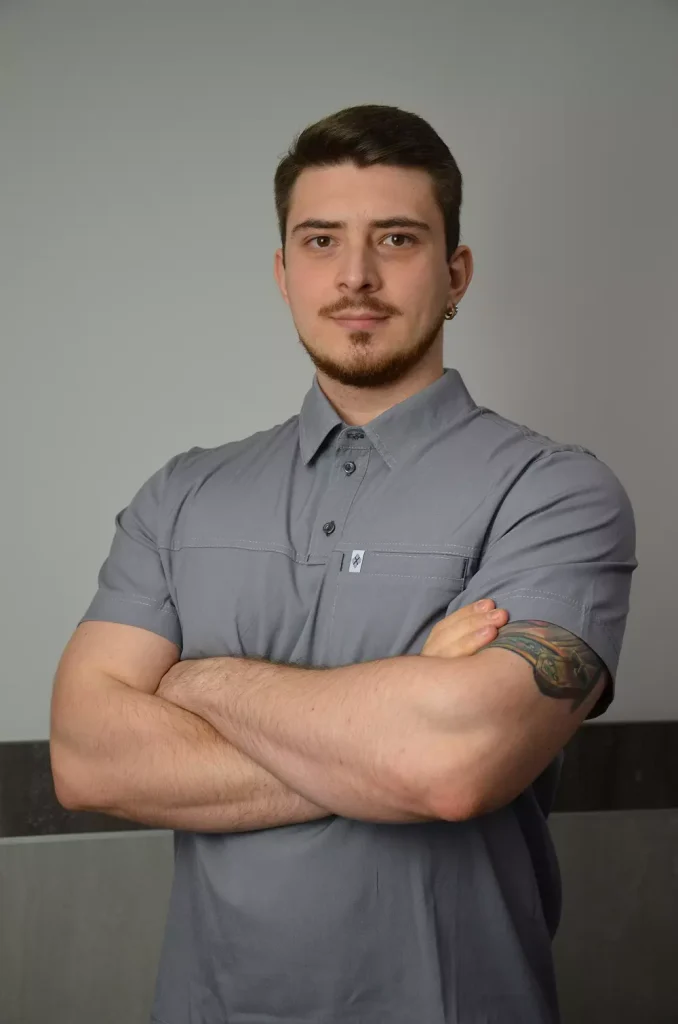
Chief Rehabilitation Specialist
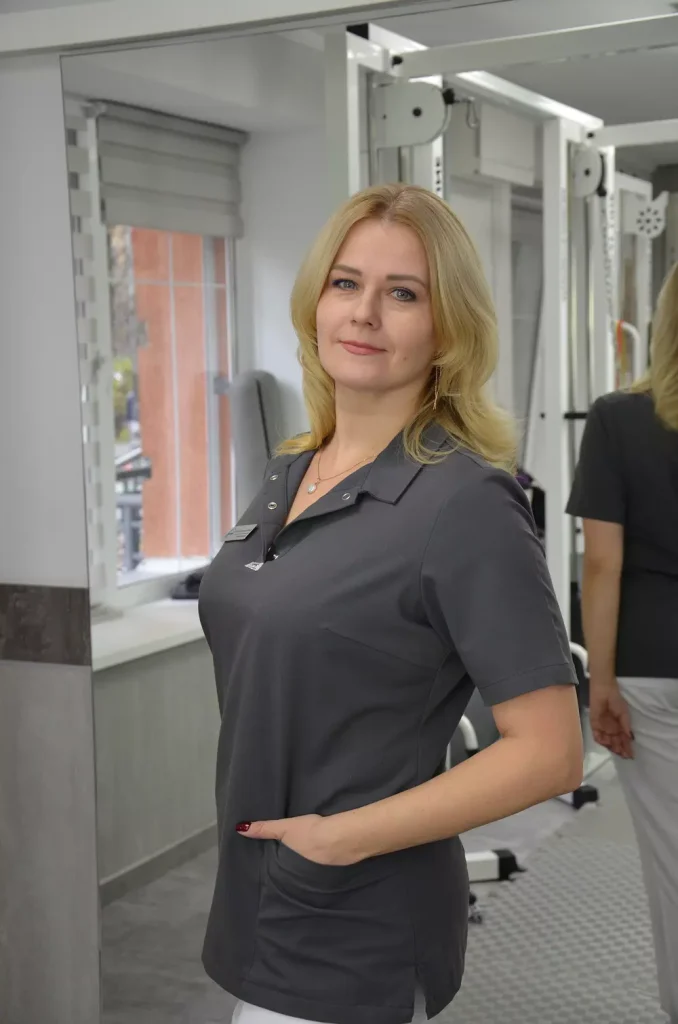
Chief physiotherapist
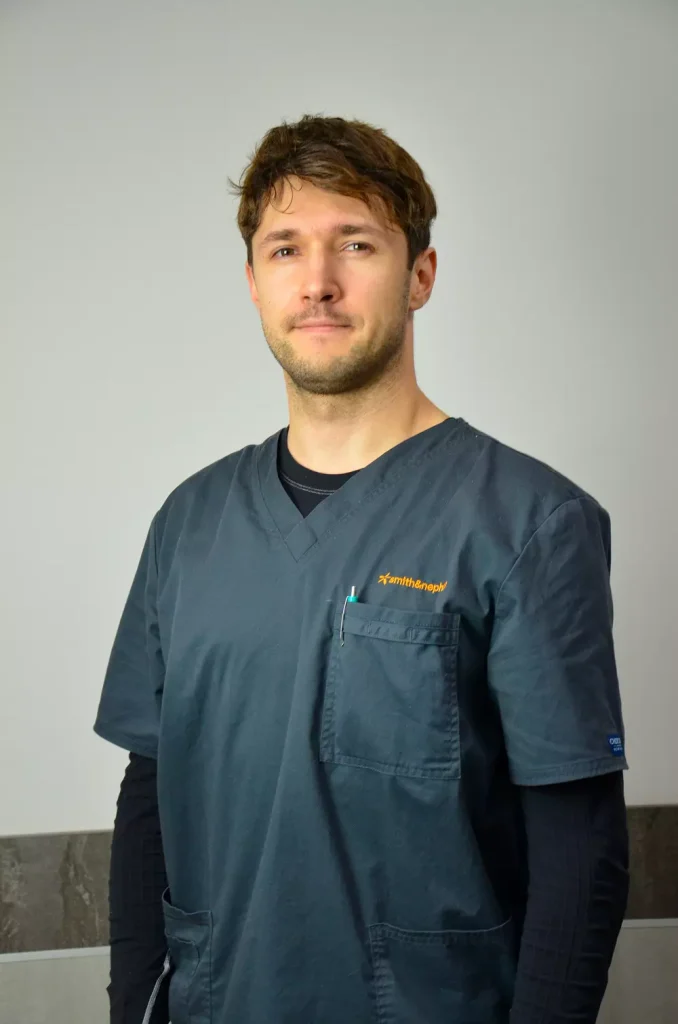
Orthopedic traumatologist
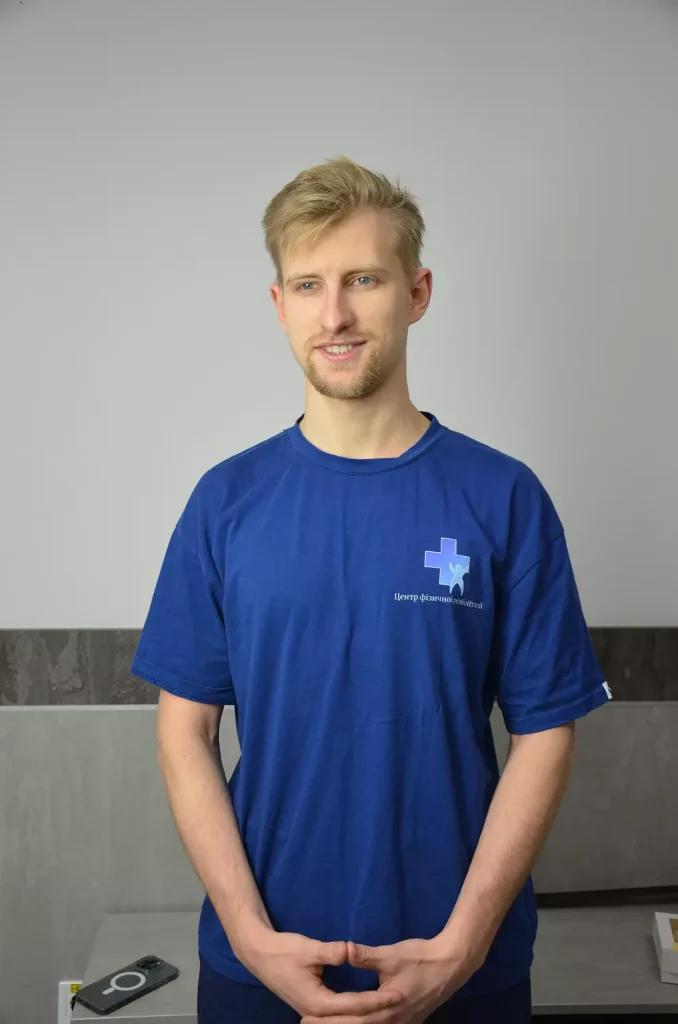
Chief rehabilitation specialist of physical therapy

Masseur
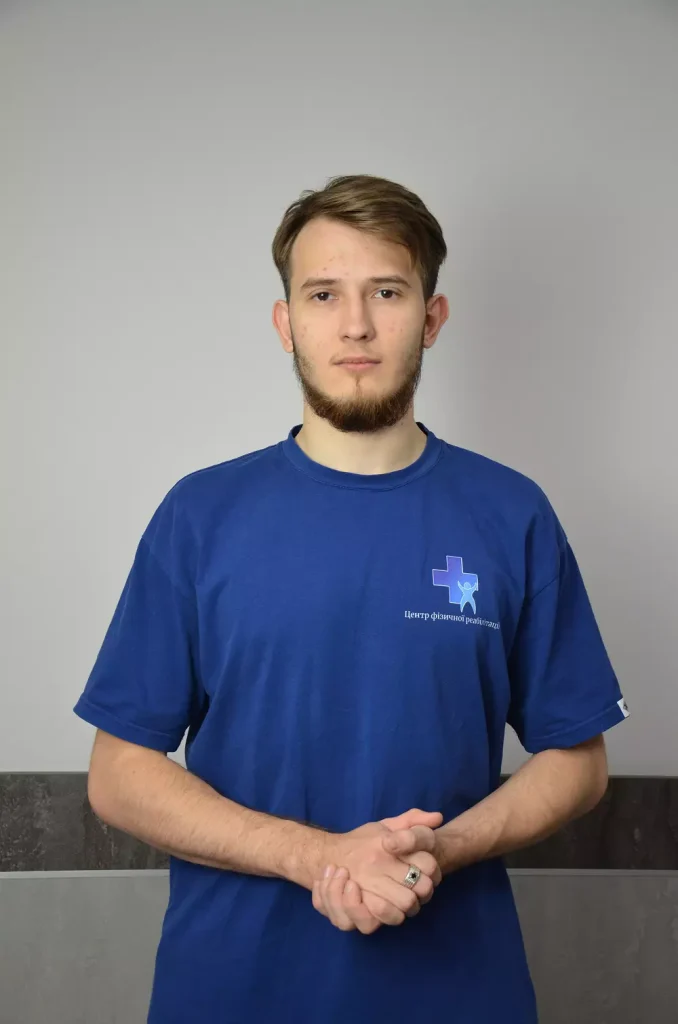
Masseur
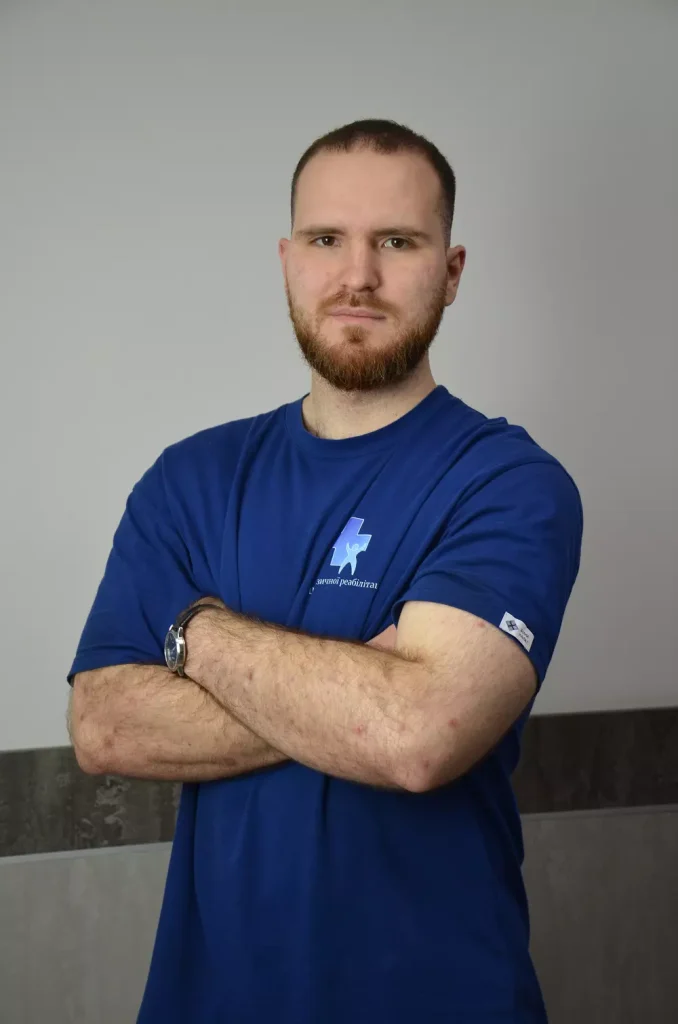
Masseur
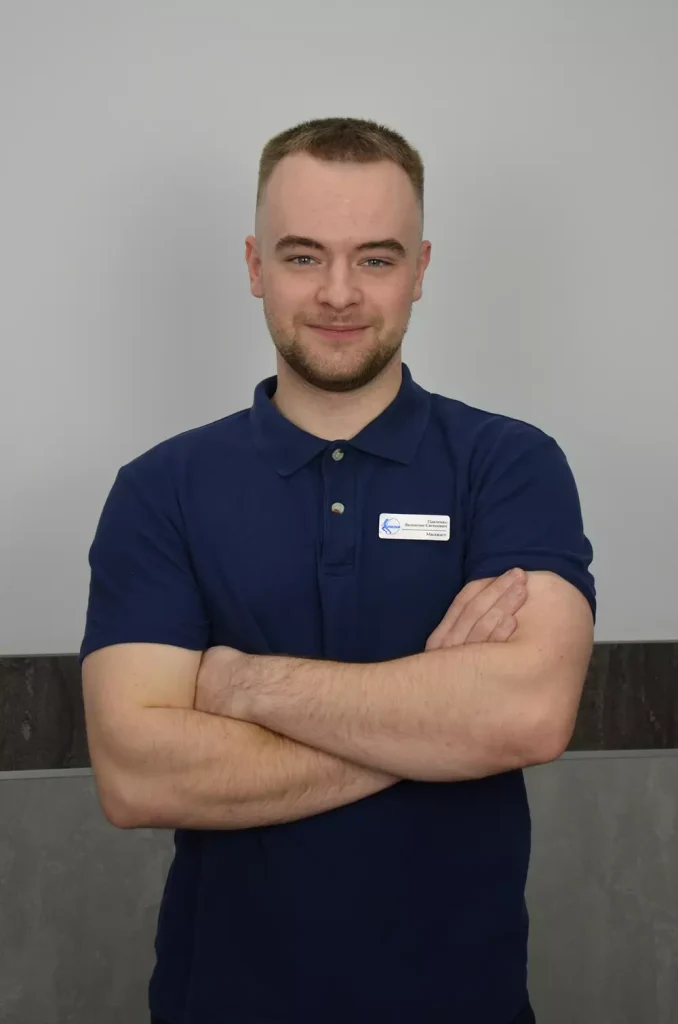
Masseur
We are grateful to everyone who has entrusted their health to us.
Your feedback is the best confirmation of the results of our work.
Share your impressions - they inspire us to become even better every day.
Leave your contacts — our specialist will contact you within 10–15 minutes to help you choose a service and answer all your questions.
We are always open for communication and ready to help you.
Call or email us to schedule a consultation or get detailed information.
Our experts will suggest the best solution for you.
Leave your contacts — our specialist will contact you within 10–15 minutes to help you choose a service and answer all your questions.