wellness centers
patients were helped
specialists
years of experience
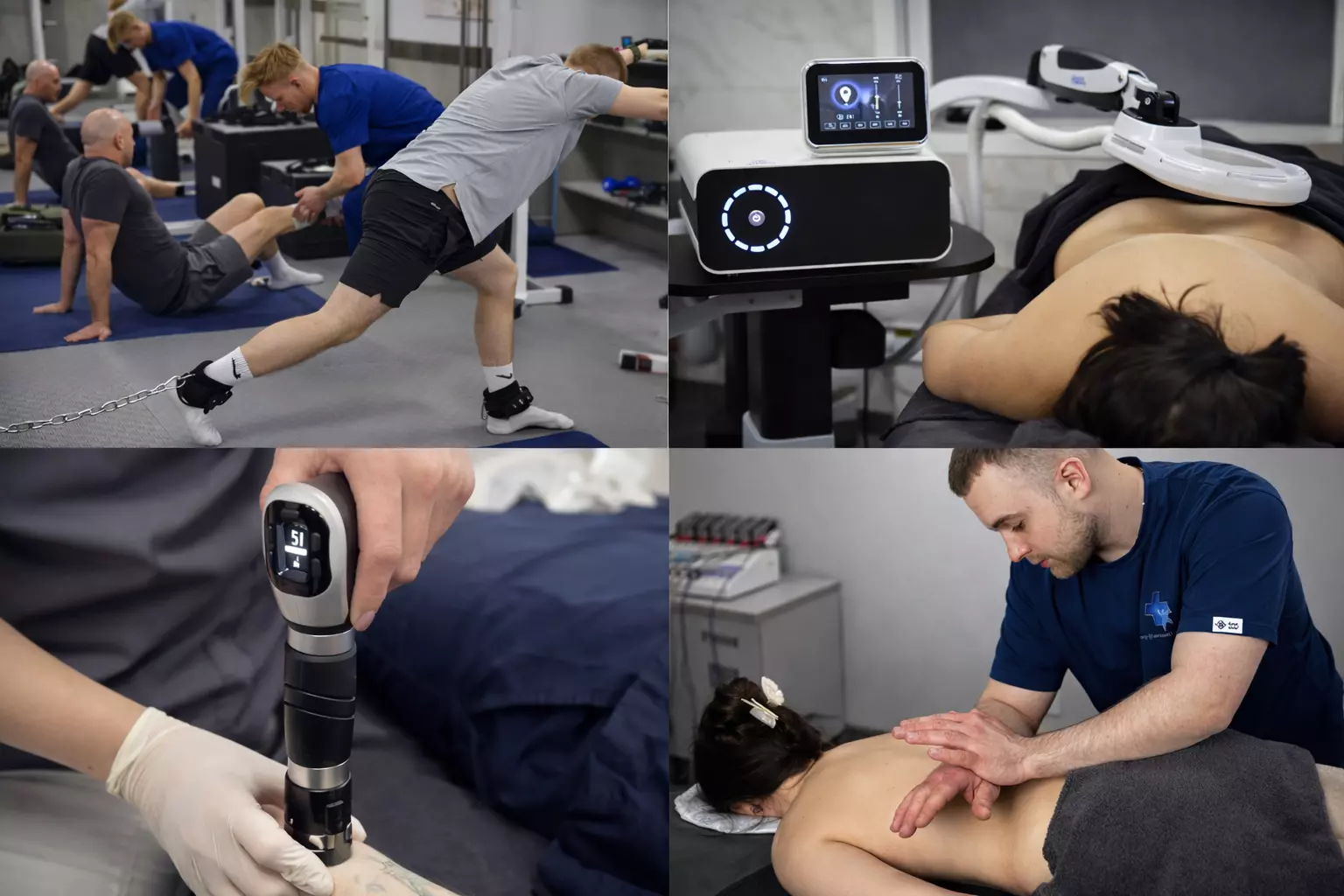
Rehabilitation after removal of the plate from the leg in KINEZIUM is recovery after re-operation, aimed at controlling pain, support, gait, strength and gradual return to the load. After removal of the metal structure, the bone is usually already fused, but the tissues again go through the postoperative stage: there is a scar, the site of the intervention, pain, swelling and temporary caution when supporting. The program should take into account the discharge, the surgeon's recommendations, the condition of the scar, muscle strength, joint mobility, quality of gait and household goals. In KINEZIUM, recovery may include work with the scar, gradual support, strength and balance exercises, gait training, physiotherapy according to indications and home recommendations. The goal is to restore comfortable function of the leg after re-intervention without overloading.
The plate may be removed after fusion is complete if it irritates soft tissues, interferes with movement, causes local discomfort, or upon the recommendation of the surgeon. Removing the metal structure is not an “easy removal of the part,” but a surgical procedure after which the tissues need time to recover.
Reason | What is important for rehabilitation? |
Local discomfort from the plate | After removal, gradual tissue adaptation is required. |
Soft tissue irritation | There may be some tenderness or tension in the scar area. |
Mobility restrictions | Joint, muscle, and scar work required |
Surgeon's recommendation | The load is determined by postoperative rules |
Return to activity | Need to regain strength, balance and confidence in your leg |
Repeated operation | Even after bone healing, scar, pain, and support control are needed. |
After plate removal, recovery usually depends on the extent of the intervention, the location of the plate, the condition of the scar, pain, swelling, and the surgeon's recommendations. Some patients return to activity more quickly, but strength training still needs to be dosed.
Stage / state | Typical manifestations | Rehabilitation logic |
Early postoperative period | Pain, swelling, fresh scar, careful support | Tissue protection, pain control, adherence to surgeon's recommendations |
Start of movement | Stiffness, sensitivity in the area of surgery | Soft movements, working with amplitude, reaction control |
Return of support | The leg can tire quickly, the gait is cautious | Dosed walking, step training, gradual increase in load |
Strengthening | Weakness after a previous injury or re-surgery | Exercises for the foot, lower leg, hip and balance |
Functional stage | Need to return to stairs, work, sports or long walks | Strength, endurance, coordination and load control |
If the plate is not removed from the leg and there is no recovery, there may be pain in the scar area, fear of support, weakness, lameness and uncertainty when carrying weight. The patient may continue to protect the leg, although the bone has already grown, which is why the gait remains asymmetrical. If you return to intense activity too quickly without preparation, swelling, pain or tissue irritation may increase.
Possible consequences:
After removing the plate, it is important to restore function to the leg, and not just wait for the postoperative wound to heal.
The program after removal of the metal structure from the leg is needed by patients after surgery, pain, swelling, scar restrictions, weakness, careful support and gait changes. It is especially useful if after the plate removal the person still limps, is afraid of full weight bearing or feels discomfort in the area of the intervention. Also, recovery is needed by those who plan to return to sports, active work or long walks.
Situation | When recovery is needed |
After removing the plate | Need to regain comfortable support and movement |
For a painful or sensitive scar | Gentle work with fabrics and load is required |
With edema | The load is dosed so as not to provoke a tissue reaction. |
With leg weakness | Needs strengthening after fracture and re-surgery |
With lameness | It is important to restore even step and balance. |
To return to activity | Requires preparation for walking, stairs, work or sports |
Recovery after plate removal helps to restore comfortable support, mobility, muscle strength, balance, and confidence in walking. In the early stages, it is important to control pain, swelling, and scar condition. Then, exercises are added for amplitude, strength of the foot, lower leg, or thigh, depending on the location of the fracture. Gait is practiced separately so that the patient does not continue to limp out of habit. If the goal is sports or physical work, the load is returned gradually.
Rehabilitation after a second leg surgery includes pain and swelling control, scar management, gradual weight bearing, strengthening, balance, and gait training. The time frame depends on the location of the plate, the extent of the surgery, and the surgeon's recommendations.
Stage | What do they do? | Why is this needed? |
1. Checking the restrictions | Discharge, surgeon's recommendations, scar condition | Determine a safe start |
2. Pain and swelling control | Dosed movements, physiotherapy as indicated, positioning | Reduce postoperative tissue reaction |
3. Working with the scar | Gentle tissue mobilization after healing, care recommendations | Reduce scar restrictions and sensitivity |
4. Gradual support | Gait, step control, transition to heavier loads | Restore confidence in your leg |
5. Strengthening | Foot, lower leg, thigh, gluteal muscles | Regain strength after injury and surgery |
6. Balance and function | Stairs, balance, household and work movements | Return the leg to real loads |
Rehabilitation after plate removal at KINEZIUM in Kyiv begins with an analysis of the discharge, surgeon's recommendations, assessment of pain, support, gait, strength, scar and swelling. The specialist clarifies where the plate was, when it was removed, whether there are any load restrictions and which movements currently cause discomfort. Next, an exercise program is selected, mobility work, gradual strengthening, balance and gait training. If the scar has not yet healed, manual work on it is not performed and postoperative rules are followed. Progress is assessed by gait, pain, swelling, strength and ability to perform household activities.
Recovery after plate removal differs from rehabilitation after fracture in that the bone is usually already healed, but there is re-surgery, scarring limitations, pain, gradual weight bearing, and the need to return to activity after a period of caution. After a primary fracture, the main limitation is bone healing, while after plate removal, the soft tissue condition and postoperative reaction are the main limitations. Both phases require dosed loading.
Criterion | After removing the plate | After the primary fracture |
Bone condition | Usually the fracture has already healed. | Fusion is still ongoing or under control |
Main risk | Pain, scarring, swelling, premature return to activity | Bone overload before fusion |
Focus | Scar, support comfort, strength, gait | Fusion, support, mobility, strength |
Tempo | Often faster, but depends on the operation | More attached to shots and healing |
Target | Restore function after reintervention | Rehabilitate the leg after the initial injury |
After removing the plate from the leg, pain, swelling, fresh postoperative scar, surgeon limitations, risk of overload, signs of infection, tissue tenderness, and gradual return to activity should be considered. If the scar becomes red, hot, oozing, or has a fever, medical evaluation is required. Do not immediately return to running, jumping, or weight-bearing activities without permission.
MedlinePlus explains in its article on bone fracture repair that for complex fractures, plates, screws, or rods may be used to fix the bone: https://medlineplus.gov/ency/presentations/100077_2.htm. The MedlinePlus aftercare article notes that internal fixation does not always need to be removed unless it is causing problems: https://medlineplus.gov/ency/presentations/100077_4.htm. MedlinePlus Rehabilitation describes recovery as the process of regaining abilities after injury or surgery: https://medlineplus.gov/rehabilitation.html. Practical conclusion: after plate removal, it is necessary to consider not only the bone, but also the postoperative tissues.
After rehabilitation in KINEZIUM, you can expect a gradual return of gait, support, strength, balance and everyday activities. The result depends on the localization of the plate, the time after surgery, the condition of the scar, pain, swelling, previous weakness and regularity of training. In practice, this means a more confident gait, less discomfort in the area of intervention, better leg strength and a gradual return to normal loads.
MedlinePlus Rehabilitation explains the role of rehabilitation after injuries and surgeries in returning to daily functions: https://medlineplus.gov/rehabilitation.html. MedlinePlus bone fracture repair aftercare describes that the outcome after fixation depends on the condition of the bone, infection, blood and nerve supply, and other injuries: https://medlineplus.gov/ency/presentations/100077_4.htm. The AAOS Foot and Ankle Conditioning Program notes that after injury or surgery, exercises help you return to daily activities: https://orthoinfo.aaos.org/en/recovery/foot-and-ankle-conditioning-program/. Practical conclusion: after removing the plate, the result should be not only a healed scar, but also normal leg function.
To sign up for rehabilitation after removing a plate from your leg, you need to contact KINEZIUM and inform them of the date of the operation, the location of the plate, the condition of the scar, the level of pain, swelling and the surgeon's recommendations. It is advisable to take a discharge and preliminary examinations with you on your first visit. The specialist will assess your support, gait, strength, mobility, balance and safety of the load. After that, an individual recovery program is formed. If there is a temperature, redness of the scar, a sharp increase in pain or an increase in swelling, a medical evaluation is required first.
Our team consists of experienced rehabilitation specialists, physiotherapists, and massage therapists who help people restore their health and return to an active life every day.
We combine modern techniques, an individual approach, and sincere care for each patient.
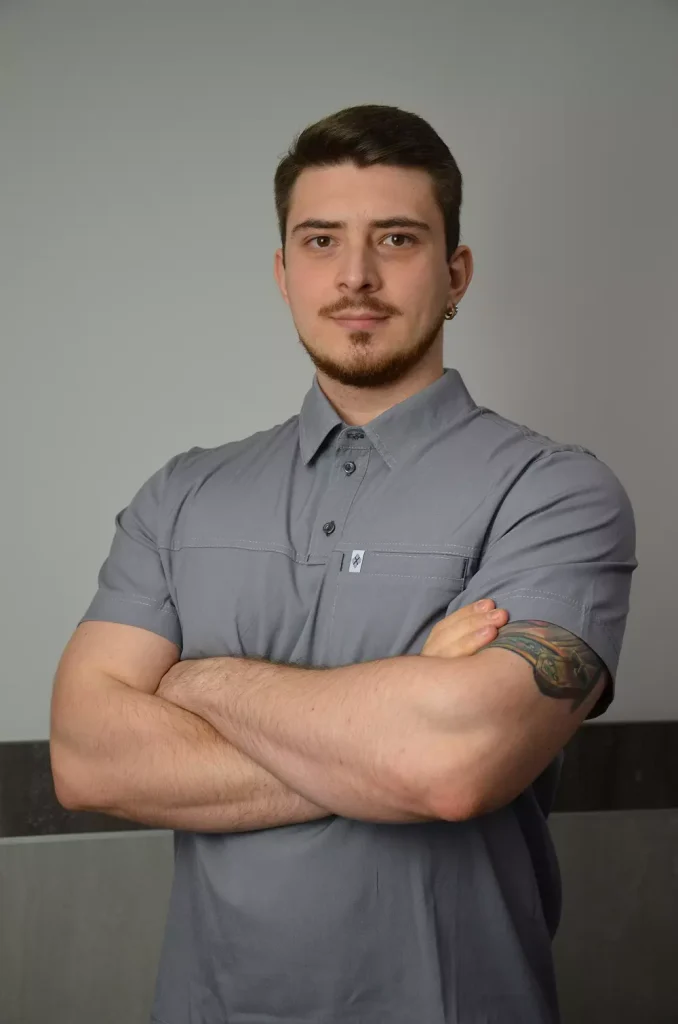
Chief Rehabilitation Specialist
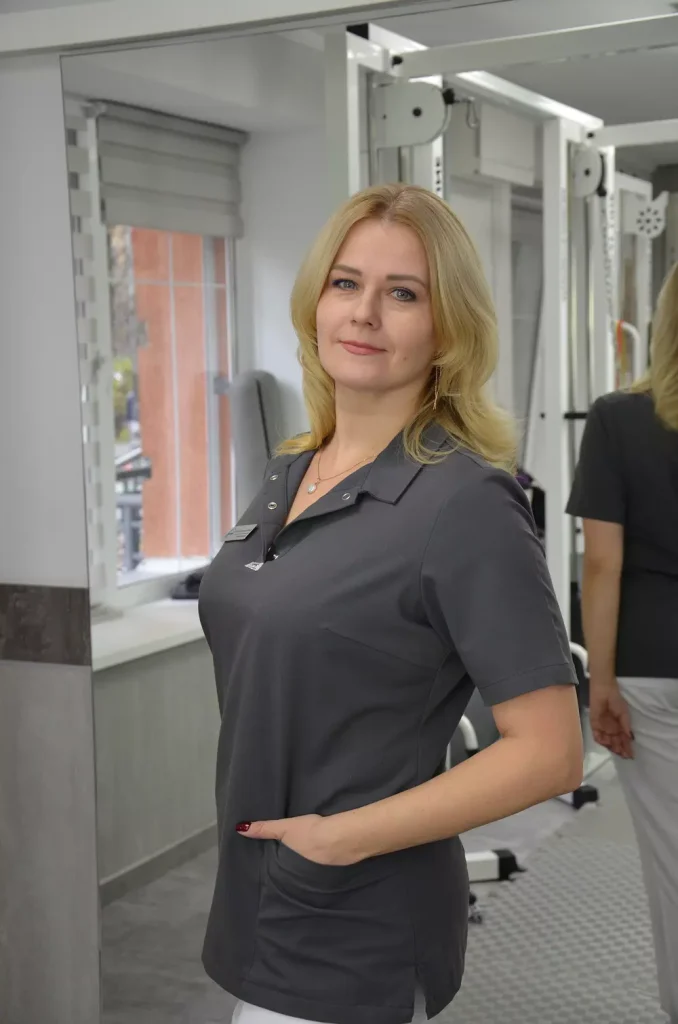
Chief physiotherapist
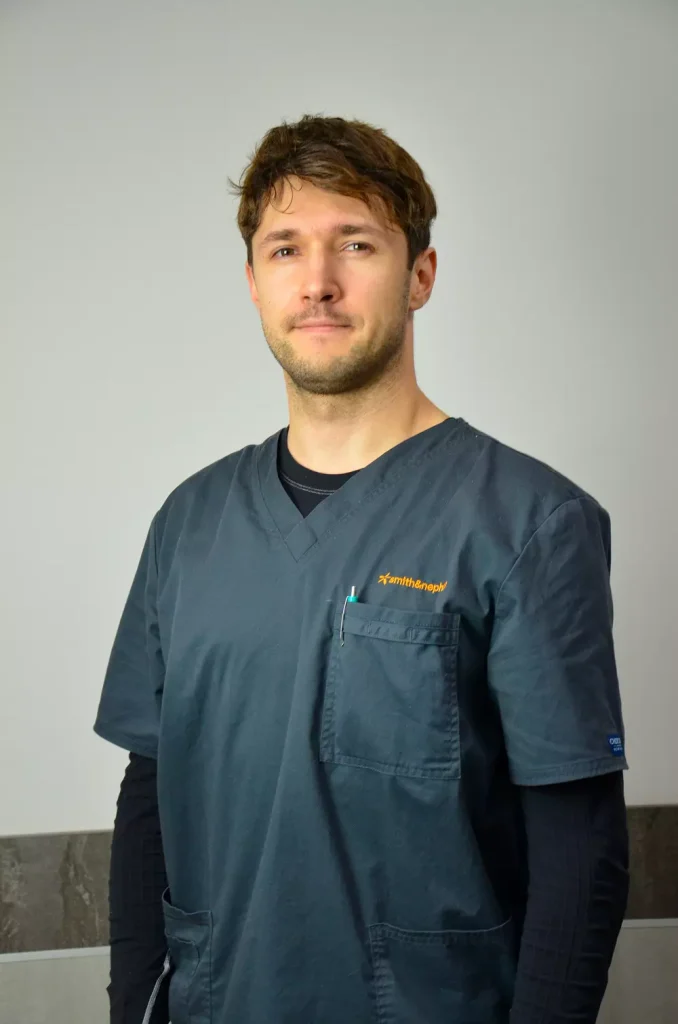
Orthopedic traumatologist
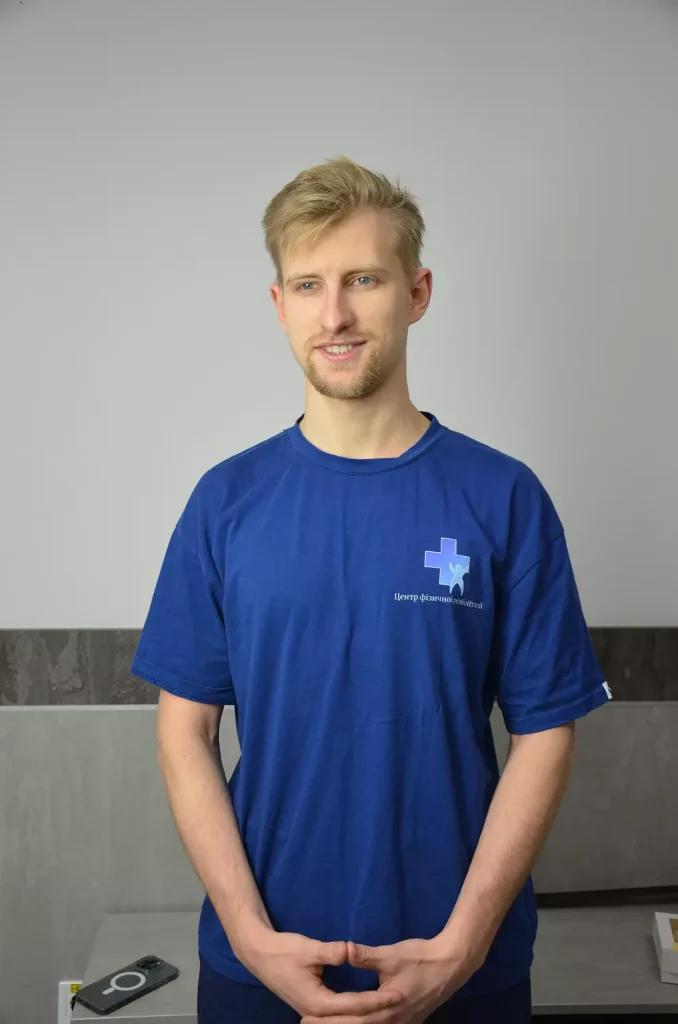
Chief rehabilitation specialist of physical therapy

Rehabilitation specialist
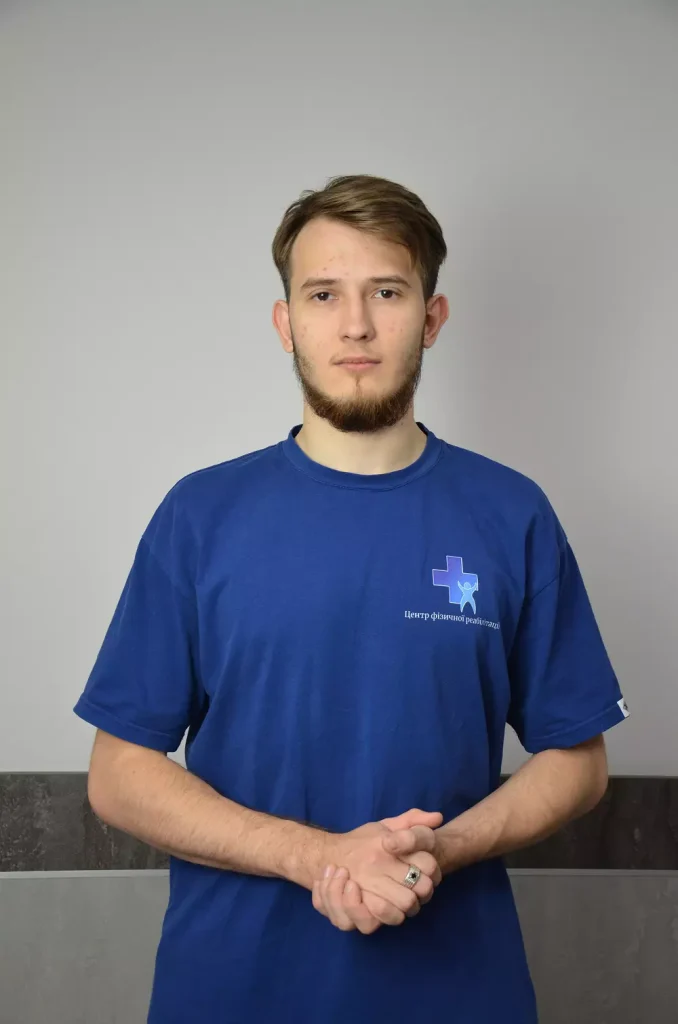
Rehabilitation specialist
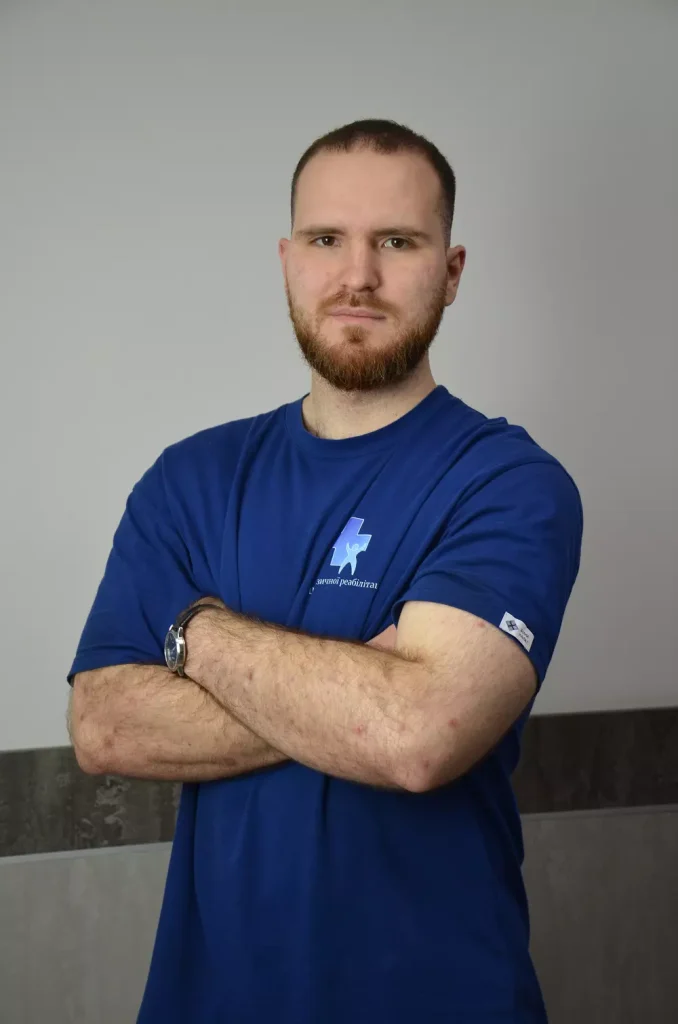
Masseur
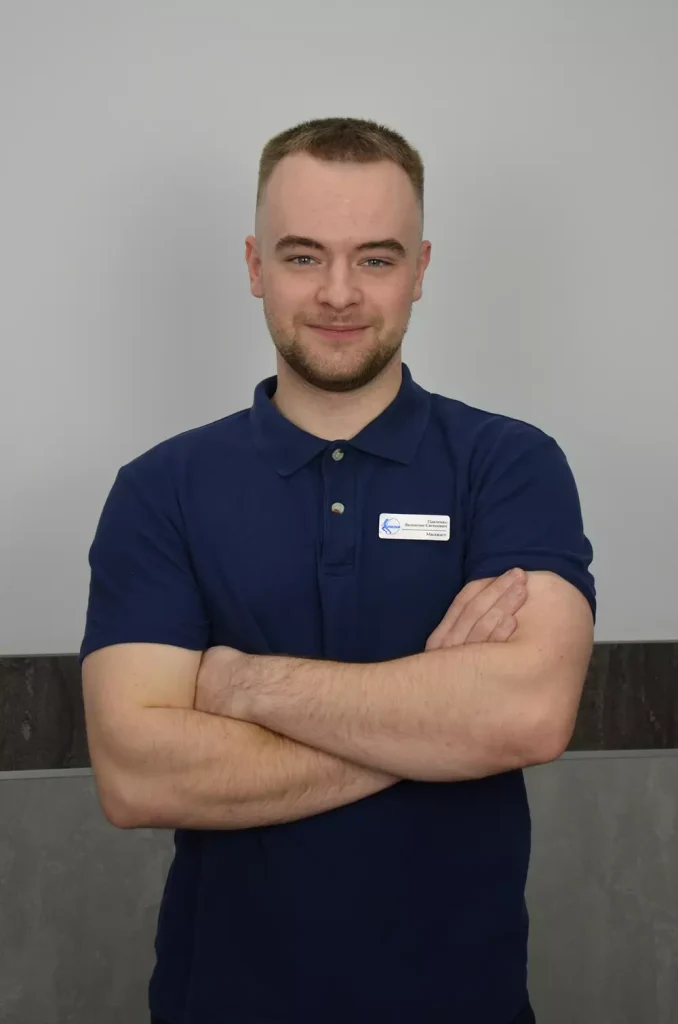
Masseur
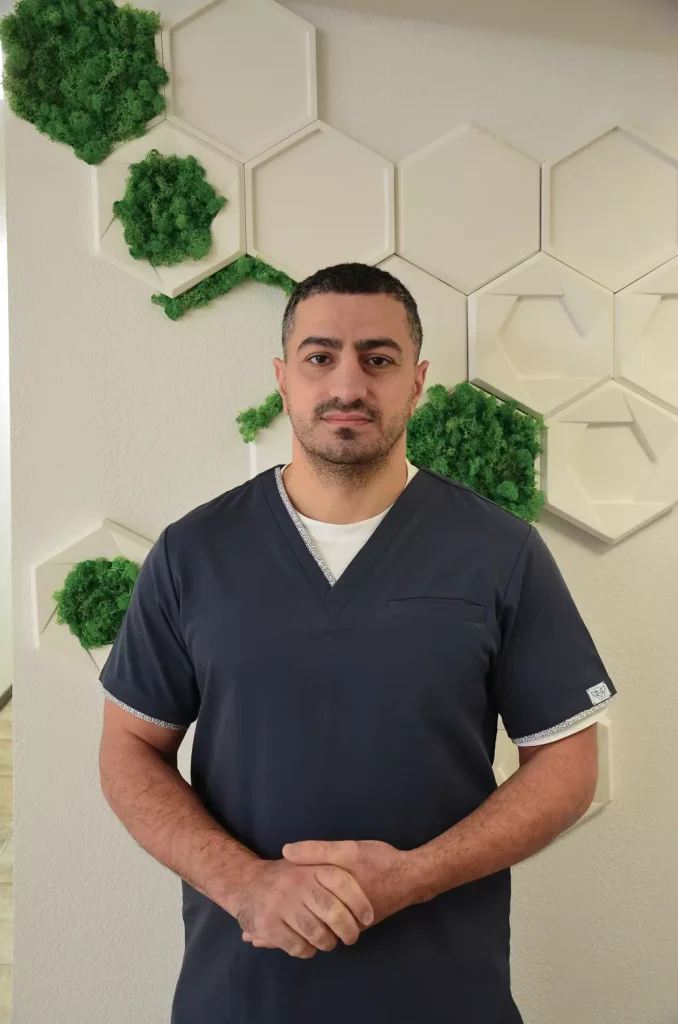
Founder of the center
Chief Rehabilitation Specialist
Chief physiotherapist
Orthopedic traumatologist
Chief rehabilitation specialist of physical therapy
Masseur
Masseur
Masseur

Leave your contacts — our specialist will contact you within 10–15 minutes to help you choose a service and answer all your questions.
Leave your contacts — our specialist will contact you within 10–15 minutes to help you choose a service and answer all your questions.