Pain syndrome — is not a separate disease, but a signal from the body about a malfunction in the muscles, joints, nervous or musculoskeletal system. The pain can be acute or chronic, local or widespread, and without proper treatment, it only gets worse over time.
Spinal diseases (osteochondrosis, protrusions, hernias)
muscle spasms and overstrain
inflammatory processes in joints and ligaments
nerve root compression
consequences of injuries, operations, prolonged immobilization
Posture and movement biomechanics disorders
constant or periodic pain in the back, neck, joints
pain that radiates to the arm or leg
stiffness of movements, especially in the morning
increased pain during movement or exertion
rapid muscle fatigue
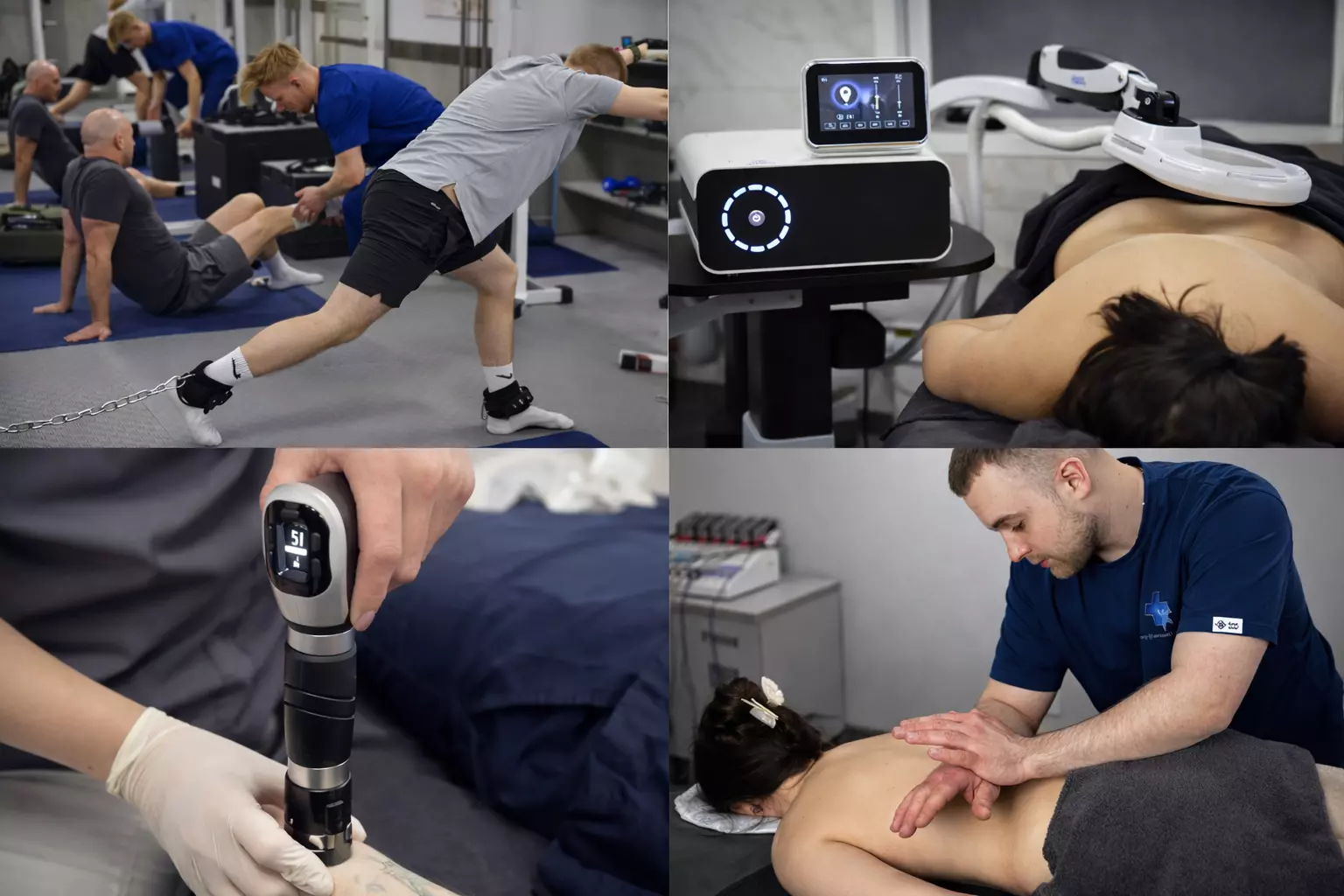
We work not with the pain itself, but with its root cause, using a comprehensive approach:
Apparatus physiotherapy — reduces inflammation, pain and swelling, improves tissue repair
Therapeutic massage — eliminates muscle spasms and reduces pressure on nerve structures
Physical therapy (physical therapy) — restores mobility, stability and correct movement patterns
Individual rehabilitation program — selected after assessing the patient's condition
💡 Treatment result — reduction or complete elimination of pain, improvement of mobility, return to an active life without constant discomfort.
📌 Importantly: Prolonged pain is not the norm. The sooner you start rehabilitation, the faster your body recovers and the lower the risk of the process becoming chronic.
wellness centers
patients were helped
specialists
years of experience

Leave your contacts — our specialist will contact you within 10–15 minutes to help you choose a service and answer all your questions.
Back pain treatment at KINEZIUM includes an assessment of pain, spinal mobility, muscle tone, posture, strength, load and factors that provoke symptoms. Back pain does not always have one cause: sometimes muscle overstrain dominates, sometimes irritation of nerve structures, problems with discs, spinal joints or the consequences of an injury. Therefore, a recovery program is selected after an assessment, and not only based on the description of “lower back pain”. Depending on the condition, physiotherapy, exercise therapy, kinesiotherapy, massage, work with posture and teaching safe movement habits can be used.
Back pain treatment may be needed for acute or chronic pain, stiffness, limited range of motion, discomfort after sitting, exercise, lifting, or injury. Patients often present when the pain recurs in waves: seemingly going away, but returning after work, exercise, or prolonged sitting. Evaluation is especially important if symptoms interfere with walking, bending, sleeping, or performing routine household activities.
Situation | What is worth evaluating? |
Acute lower back pain | Mobility, neurological symptoms, trauma factor, pain level |
Chronic pain | Muscle strength, posture, exercise habits, repetitive triggers |
Pain after sitting | Body control, hip mobility, working position |
Pain after exertion | Movement technique, strength, endurance, activity dosage |
Stiffness in the back | Range of motion, muscle tension, stabilization |
Pain after injury | The need for medical evaluation and exclusion of structural damage |
Medical evaluation is required for pain after an injury, severe acute pain, pain with numbness, weakness, shooting pain in the leg or arm, gait or sensitivity disorders. It is also important to check the condition if the pain is accompanied by fever, unexplained weight loss, night pain or a sharp deterioration in general well-being. Possible causes may include muscle strain, problems with intervertebral discs, facet joints, nerve structures, the effects of overload or old injury. The specialist's task is to distinguish a situation where rehabilitation can be started from a condition that requires additional examination or medical support.
Rehabilitation for back pain helps to reduce discomfort, restore mobility, strengthen core muscles, and improve stability and load tolerance. If a person avoids movement for a long time due to fear of pain, the back becomes even more sensitive to ordinary activities - bending, walking, sitting, or lifting objects. Therefore, the program usually includes progressive exercises, breathing control, mobility work, stabilization, and teaching safe bending and lifting. Physiotherapy or massage can complement the process, but long-term results often require active work from the patient.
The initial assessment of pain syndrome begins with clarifying the nature of the pain: acute or chronic, local or radiating, constant or associated with specific movements. Next, the specialist checks the movements of the spine, strength, sensitivity, reflexes if necessary, posture, gait, muscle tension and response to stress. If there is an MRI, CT scan, X-ray or previous doctor's conclusions, they help assess the risks and limitations. After that, it is determined whether it is possible to start exercises and physiotherapy, or whether additional medical consultation is required first.
A one-time procedure may reduce muscle tension or relieve pain for a while, but it does not always change the cause of the overload. Comprehensive back rehabilitation includes movement assessment, an exercise plan, physiotherapy as indicated, dynamic monitoring, and home recommendations. The important point is that the patient learns to manage the load, and not just receives passive assistance.
Criterion | One-time procedure | Comprehensive back rehabilitation |
Goal | Temporary symptom relief | Regaining movement, strength, control and endurance |
Rating | Limited to a specific complaint | Analysis of pain, movements, strength, posture, load |
Active participation | Minimum | The patient performs exercises and learns safe movements |
CONTROL | Often absent after the session | The program is adjusted according to the dynamics |
Home recommendations | Can be general | Tailored to the patient's condition and goals |
A program for back pain may include physiotherapy, exercise therapy, kinesiotherapy, massage, gentle manual techniques as indicated, work with posture, breathing, and household activities. In acute pain, the emphasis is often on safe movements, reducing irritation, and gradually returning to activity. In chronic pain, more attention is paid to strength, endurance, core stabilization, and learning movements that do not provoke exacerbation. Techniques are combined carefully, taking into account the symptoms, age, examinations, and general condition of the patient.
Before treating back pain, you should consider the following “red flags”: severe acute pain after an injury, numbness, progressive weakness, sensory disturbances, problems with urinary or bowel control, fever, night pain, or a sudden worsening of the condition. Such symptoms require medical evaluation, and intense exercise or massage may not be appropriate. Caution is also required after surgery, in cases of oncological risks, osteoporosis, infectious conditions, or severe neurological deficits.
This is consistent with clinical data on back pain. MedlinePlus states that you should seek medical attention if you have pain after a hard blow or fall, incontinence, a history of cancer, pain that radiates below the knee, night pain, fever, or severe pain that prevents you from finding a comfortable position: https://medlineplus.gov/ency/article/007425.htm. A PubMed article on the use of “red flags” in physiotherapy states that the following signs are considered indicators of possible serious spinal pathology and are included in numerous clinical guidelines: https://pubmed.ncbi.nlm.nih.gov/21056162/. Clinical guidelines for physical therapy for low back pain, published in PubMed Central, support individualized selection of exercises and techniques based on the patient's condition classification, symptoms, and safety: https://pmc.ncbi.nlm.nih.gov/articles/PMC4893951/. Safe treatment begins with checking the causes of pain, not with the maximum intensity of procedures.
To schedule an assessment of back pain at KINEZIUM, you should tell us where it hurts, how long it has been, whether there is radiation to the leg or arm, numbness, weakness, trauma or previous surgeries. If you have MRI, CT, X-ray or doctor's recommendations, you should bring them with you for the initial consultation. The specialist will check your mobility, strength, pain, neurological symptoms, contraindications and determine a safe start to the program. After that, an individual recovery plan is formed with procedures, exercises and home recommendations.
Leave your contacts — our specialist will contact you within 10–15 minutes to help you choose a service and answer all your questions.