
 Skip to content
9 sessions + 1 as a gift
A timely program helps reduce pain, muscle tension, and restore safe mobility to the cervical, thoracic, or lumbar spine.
What physiotherapy for osteochondrosis provides in our center
Before starting the procedures, the specialist assesses the localization of pain, range of motion, muscle tone, posture, strength, sensitivity, and response to stress. If there is an MRI, CT scan, X-ray, or doctor's report, they are taken into account when drawing up the program.
Physiotherapy techniques are selected according to indications to reduce discomfort, support blood circulation in tissues, reduce muscle tension and prepare the body for active recovery. The intensity of the procedure is determined individually, taking into account contraindications.
The exercises are aimed at improving mobility, stabilizing the spine, strengthening the core muscles, and developing safe movement habits. Special attention is paid to technique, breathing, and gradual increase in load.
The patient receives recommendations regarding sitting, computer work, lifting, sleeping, and activity during the day. This is important because osteochondrosis is often exacerbated not by a single movement, but by repeated daily overload.
Physiotherapy should not be started without an evaluation if there is severe pain, numbness, weakness in an arm or leg, gait disturbance, fever, trauma, post-operative restrictions or progressive worsening of symptoms. In such cases, medical advice is required first.
Patients typically report reduced pain, easier movement, less muscle tension, and better tolerance of daily activities. The program does not promise to “remove MRI changes,” but it does help work on function: movement, strength, stability, and symptom control.
Sign up for a consultation at KINEZIUM and receive an individual physiotherapy plan for osteochondrosis.
Wellness centers
Patients were helped
Specialists
Years of experience
Our team consists of experienced rehabilitation specialists, physiotherapists, and massage therapists who help people restore their health and return to an active life every day.
We combine modern techniques, an individual approach, and sincere care for each patient.

Chief Rehabilitation Specialist

Chief physiotherapist
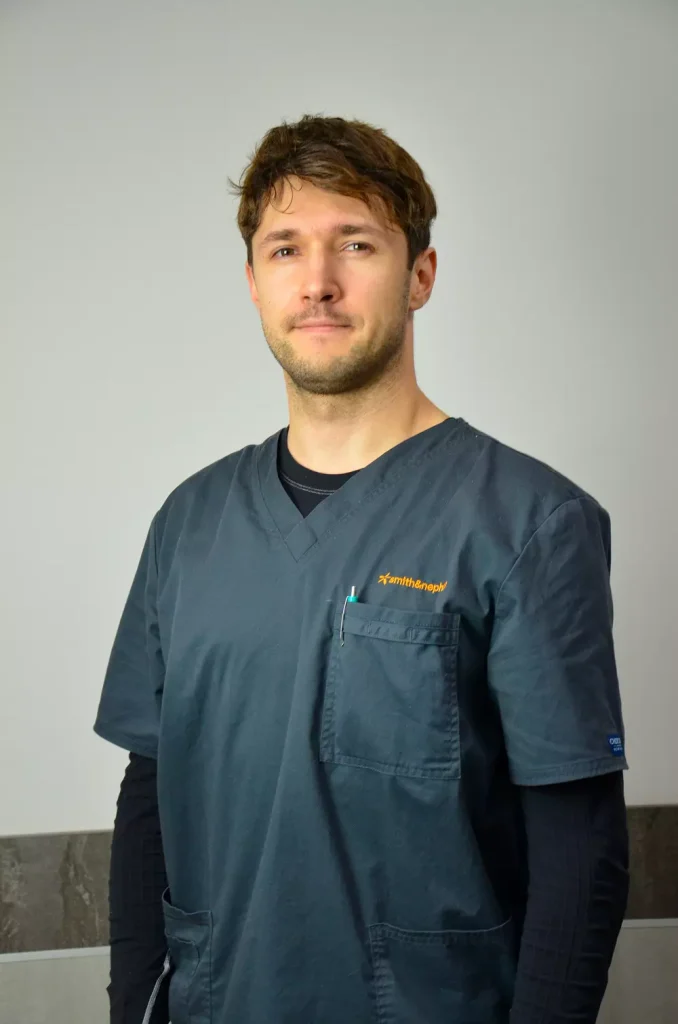
Orthopedic traumatologist
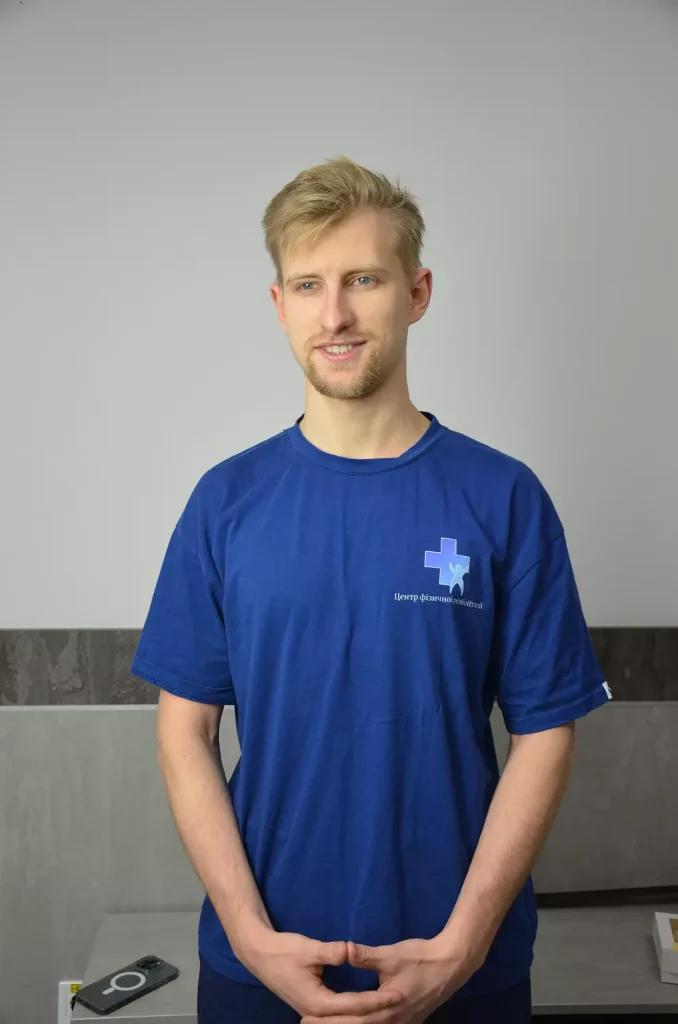
Chief rehabilitation specialist of physical therapy

Masseur
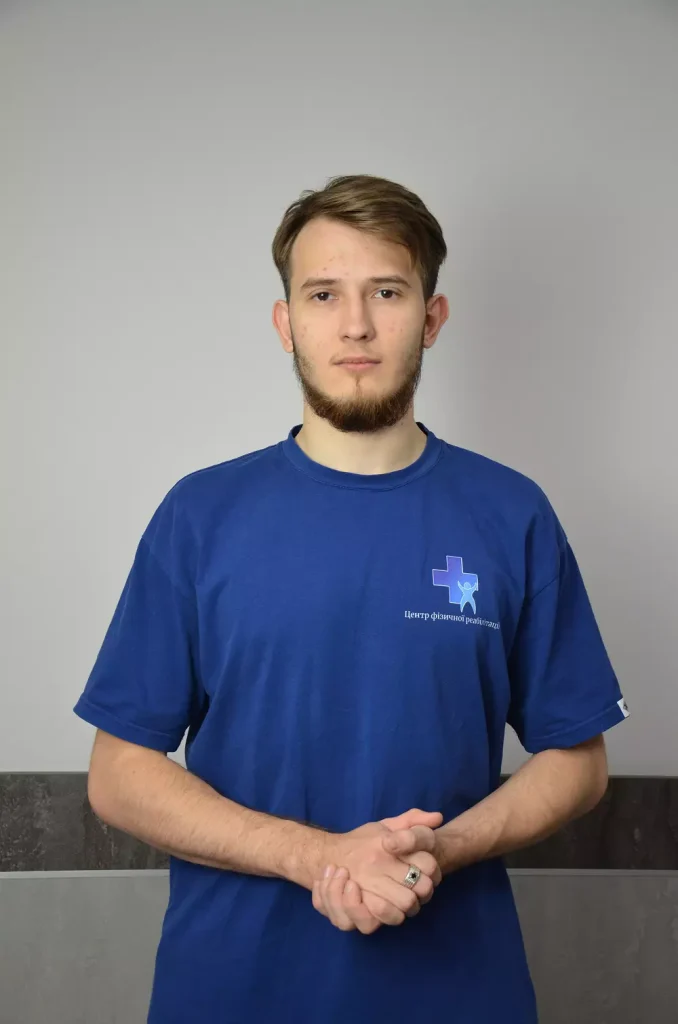
Masseur
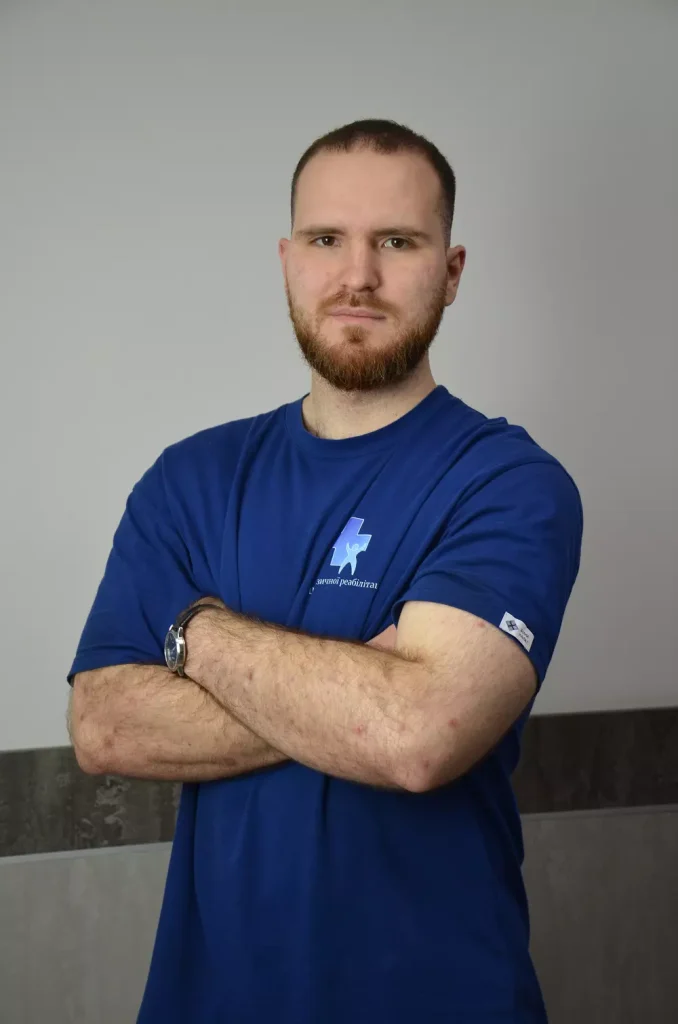
Masseur

Masseur
We are grateful to everyone who has entrusted their health to us.
Your feedback is the best confirmation of the results of our work.
Share your impressions - they inspire us to become even better every day.
Leave your contacts — our specialist will contact you within 10–15 minutes to help you choose a service and answer all your questions.
We are always open for communication and ready to help you.
Call or email us to schedule a consultation or get detailed information.
Our experts will suggest the best solution for you.
Physiotherapy for osteochondrosis at KINEZIUM includes an assessment of pain, spinal mobility, muscle tension, posture, strength and symptoms that may indicate irritation of nerve structures. The term “osteochondrosis” itself is often used to describe degenerative changes in the spine, but it is important to assess not only the picture, but also the function: how a person sits, walks, bends, turns the neck or carries a load. The program may include physiotherapy procedures, exercise therapy, kinesiotherapy, massage according to indications, work with posture and movement habits. The goal is to reduce discomfort, maintain mobility and teach the body to better tolerate daily loads.
Rehabilitation for osteochondrosis may be necessary for neck, thoracic or lumbar pain, stiffness, limited movement, muscle tension and discomfort after exertion. Often, patients notice that symptoms worsen after sitting, standing for long periods, stress, lifting weights or a sudden change in activity. The assessment helps to understand whether it is possible to work through exercises and physiotherapy, or whether additional medical advice is needed.
Symptom or situation | What is worth evaluating? |
Neck pain | Mobility, muscle tension, headache, symptoms in the hand |
Backache | Loading, stabilization, irradiation in the leg |
Spinal stiffness | Range of motion and provocative positions |
Discomfort after sitting | Posture, workplace, core muscle endurance |
Muscle tension | Overload, breathing, movement habits |
Repeated exacerbations | The need for a systemic program, not just a one-time procedure |
Severe pain, numbness, weakness, radiating to an arm or leg, gait disturbance, injury, or progressive deterioration require medical evaluation. If neck pain is accompanied by arm weakness, loss of sensation in the fingers, or a severe headache following an injury, do not begin active manual techniques without an examination. For low back pain, dangerous signs include progressive leg weakness, numbness in the perineum, or loss of control over urination or defecation. Such symptoms require medical treatment, not a standard set of exercises.
Rehabilitation for osteochondrosis helps to improve mobility, reduce muscle tension, maintain core strength, stabilization and load tolerance. In chronic symptoms, it is important to teach the patient to move without constant fear of exacerbation: to bend correctly, sit, change positions, lift objects and dose activity. Physiotherapy can help reduce discomfort, but long-term results often require active exercises and changes in movement habits. The program is selected gradually, with control of pain, sensitivity and strength.
The initial assessment before physiotherapy includes an analysis of the patient's complaints, spinal movements, strength, sensitivity, pain, previous examinations, contraindications and goals. The specialist clarifies whether there is an MRI or CT scan, whether there have been injuries, surgeries, neurological symptoms, dizziness, numbness or weakness. It is then determined which procedures and exercises can be safe and which ones should be postponed. If the symptoms are neurological in nature or worsen rapidly, a doctor's consultation is required.
Physiotherapy for osteochondrosis is a set of hardware or other procedural methods that can help with pain, muscle tension, and tissue response. Physical therapy is the active part of recovery, where the patient performs exercises for mobility, strength, stabilization, and movement control. Most often, these methods do not compete, but complement each other.
Criterion | Physiotherapy | Exercise therapy |
Focus | Pain, muscle tension, tissue reaction | Mobility, strength, stabilization, endurance |
Patient participation | Mostly passive | Active and regular |
Result | May relieve symptoms | Forms functional movement control |
Homework | Usually minimal | Is an important part of the program |
Optimal application | How to support recovery | As the basis for long-term rehabilitation |
The program for osteochondrosis may include physiotherapy, exercise therapy, kinesiotherapy, massage according to indications, work with posture, movement habits and stabilization. In the cervical region, attention is often paid to the position of the head, shoulder girdle, mobility of the thoracic region and muscular endurance. In the case of low back pain, control of inclinations, core strength, mobility of the hip joints and a gradual return to activity are important. Massage can help reduce tension, but without exercise, the effect is often short-lived.
Before performing procedures for osteochondrosis, it is necessary to take into account acute pain, neurological symptoms, weakness, numbness, fever, trauma, oncological risks and postoperative contraindications. If the pain goes into the arm or leg, is accompanied by weakness, gait disturbance or progressive numbness, intensive exercises and manual techniques may not be appropriate. You should also be careful if you have dizziness, a sharp deterioration in your condition or pain after a fall.
MedlinePlus, in its article on acute low back pain, lists signs that require medical evaluation: pain after a hard blow or fall, loss of bladder or bowel control, history of cancer, pain below the knee, night pain, fever, and severe pain that prevents you from finding a comfortable position: https://medlineplus.gov/ency/article/007425.htm. The NINDS, in its material on peripheral neuropathy, describes numbness, tingling, pain, weakness, and impaired coordination as symptoms of nerve damage that should be considered before procedures: https://www.ninds.nih.gov/health-information/disorders/peripheral-neuropathy. Clinical guidelines for physical therapy for low back pain, published in PubMed Central, support a classification approach and individualized exercise selection based on symptoms, movement mechanics, and patient safety: https://pmc.ncbi.nlm.nih.gov/articles/PMC4893951/. Therefore, the start of the program should be cautious and clinically justified.
To sign up for physiotherapy for osteochondrosis at KINEZIUM, you should inform which part of the spine is bothering you, how long the pain has been present, whether there is numbness, weakness, irradiation in the arm or leg. If you have an MRI, CT scan, X-ray or doctor's report, it is better to take them to the initial consultation. The specialist will check mobility, strength, sensitivity, contraindications and determine whether physiotherapy, exercise therapy or a combined program is needed. After the assessment, you can begin individual recovery with a safe dosage of load.
Leave your contacts — our specialist will contact you within 10–15 minutes to help you choose a service and answer all your questions.