wellness centers
patients were helped
specialists
years of experience
Back physiotherapy at KINEZIUM is part of a comprehensive spine rehabilitation program after injuries, surgeries, long-term pain, muscle strain, or limited mobility. Its goal is not just to “relieve pain during a session,” but to help a person gradually regain safe movement, muscle strength, load control, and daily activities.
The program may include:
initial assessment of the condition of the back and spine;
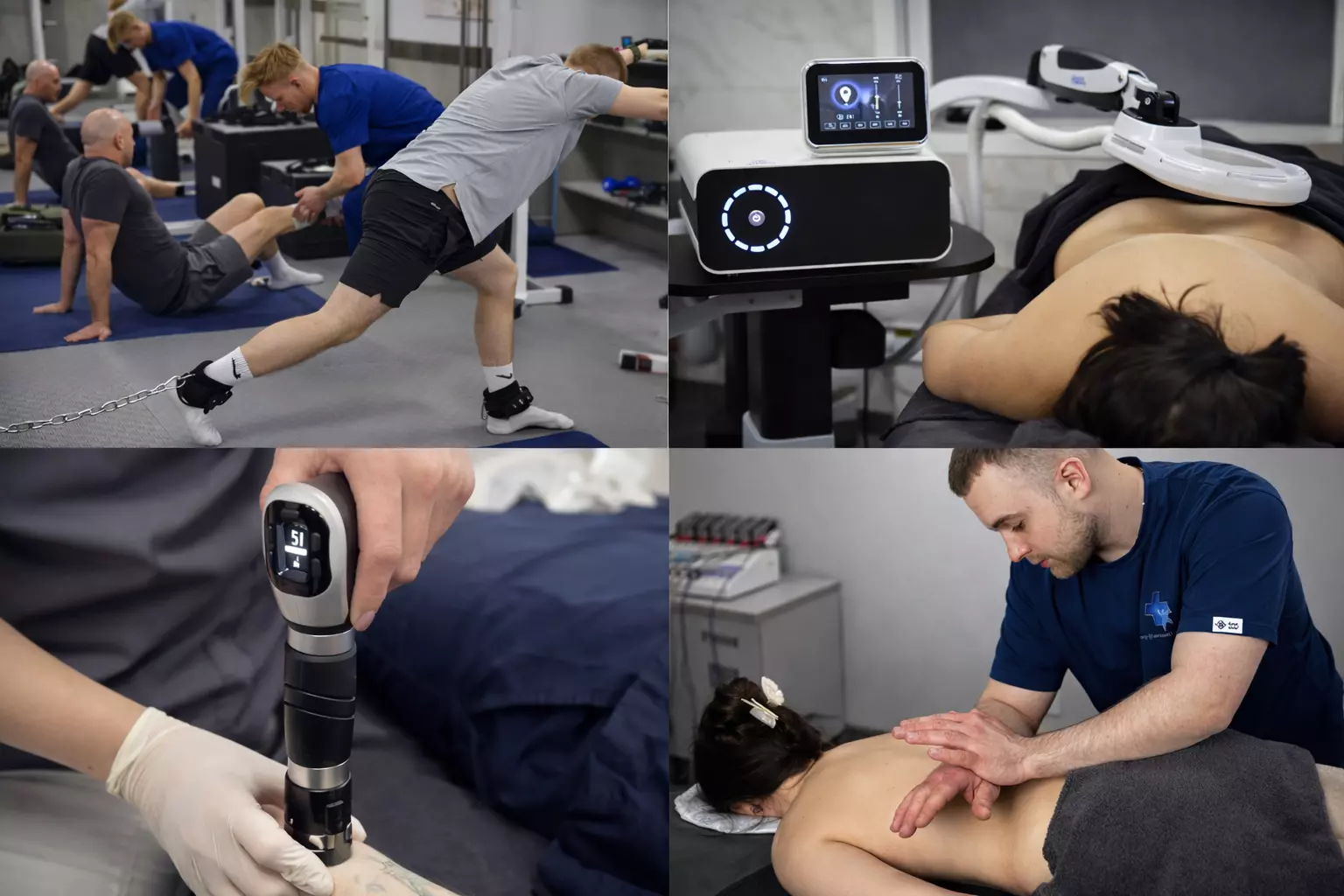
physiotherapy procedures according to indications;
therapeutic exercises and physical therapy;
working with muscle tension;
load control after injury or surgery;
home recommendations for gradual progress.
Physiotherapy is selected not by the general name "back pain", but by the real cause of the problem: injury, surgery, overload, muscle weakness, mobility restrictions, neurological symptoms or postoperative restrictions. If back pain appeared after a fall, impact, car accident, surgery or is accompanied by numbness, weakness or gait disturbance, the program should begin with a careful medical evaluation.
Back injuries can occur not only after a serious accident. They are often associated with sudden movements, heavy lifting, falls, sports, or repetitive strain that accumulates over time.
| Reason | What can happen? |
|---|---|
| Fall or impact | Soft tissue bruise, sprain, compression injury, pain with movement |
| Lifting a heavy object | Muscle strain, worsening of low back pain, irritation of disc or facet structures |
| Sports injury | Sprain, muscle spasm, overload of the lower back or thoracic region |
| Accident or sudden braking | Neck trauma, musculoskeletal injury, pain and stiffness |
| Postoperative condition | Temporary weakness, limited movement, need for controlled recovery |
| Chronic overload | Muscle imbalance, pain after sitting, weakness of spinal stabilizers |
Sometimes the pain after an injury doesn't seem dangerous in the first few hours, but it gets worse the next day. So it's important not to ignore symptoms if you experience increasing pain, numbness, weakness, difficulty walking, or problems controlling your bladder or bowels.
The severity of the injury determines how quickly you can begin active recovery and what methods are safe. In mild cases, pain control, gentle exercises, and gradual return to motion may be the foundation; after serious injuries or surgeries, a clear roadmap with medical restrictions is needed.
| Degree/type of condition | Typical manifestations | Recovery approach |
|---|---|---|
| Mild soft tissue injury | Moderate pain, stiffness, discomfort when bending or twisting | Gentle restoration of movements, load control, exercises without provoking pain |
| Moderate damage | More severe pain, limited mobility, muscle spasm, difficulty with everyday movements | Initial assessment, physiotherapy as indicated, gradual exercise therapy, home plan |
| Trauma with neurological symptoms | Numbness, weakness, shooting pains in the leg or arm, gait disturbance | First a medical assessment, then an individual program with restrictions on risky movements |
| Postoperative condition | Pain, weakness, fear of movement, restrictions from the surgeon | Recovery only taking into account discharge, healing time and permitted load |
| Complex or unstable injury | Severe pain, instability, risk of complications, significant limitations | Rehabilitation only after doctor's permission and according to an individual plan |
At KINEZIUM, back rehabilitation does not start with random exercises or procedures. First, you need to understand the patient's condition, what movements are allowed, what provokes pain, and what goals need to be restored: walking, work, sleep, exercise, or normal everyday activities.
If, after a spinal or back injury, the condition is not assessed and movement is not restored correctly for a long time, the pain can become chronic, and the muscles can lose strength and endurance. The person begins to avoid movements that seem dangerous, which leads to fear of exertion, stiffness, and even greater dependence on passive rest.
Possible consequences of inaction:
chronicity of pain — the pain recurs even after minor exertion;
muscle weakness — the muscles of the body support the spine less well;
mobility restrictions — it is harder to bend, sit, walk, or turn;
disruption of daily activities — it is more difficult to work, sleep, drive a car, lift objects;
risk of relapse — due to incorrect return to loads;
increased fear of movement — the person avoids activity, although controlled movement is often part of recovery.
Inactivity after an injury does not always mean “giving your back a break.” In many cases, safe recovery requires not complete rest, but a gradual, controlled return to motion under the supervision of a specialist.
Rehabilitation after spinal surgery is necessary for patients who need to safely regain mobility, strength, and daily activities after surgery. It is especially important to take your time with weight bearing if your surgeon has temporarily restricted bending, twisting, lifting, or prolonged sitting.
| Who might need the program? | What does the specialist take into account? |
|---|---|
| Patients after lumbar surgery | Discharge, type of intervention, pain, muscle strength, permitted movements |
| Patients after neck surgery | Movement limitations, neurological symptoms, sensitivity, exercise safety |
| After spinal injury | Stability of condition, examination results, risk of overload |
| With prolonged back pain | Duration of pain, provoking movements, muscle weakness, lifestyle |
| With weakness of the body muscles | Endurance, movement control, balance, load tolerance |
| With fear of movement after treatment | Gradual return to activity without a sudden increase in pain |
It is advisable to bring your discharge, MRI/CT/X-ray results, surgeon's recommendations, and a list of restrictions to the consultation. This helps to avoid overloading the spine and correctly determine the starting level of rehabilitation.
Back rehabilitation solves several problems at once: reducing pain, restoring mobility, strengthening muscles, restoring endurance, and safely returning to everyday activities. After an injury or surgery, the body often moves cautiously, and muscles quickly weaken due to pain, fear of movement, or prolonged restriction of activity.
The main objectives of the program:
reduce pain sensitivity without aggressive load;
restore mobility within a safe range;
strengthen the muscles of the body, that support the spine;
return traffic control when bending, walking, sitting, and getting out of bed;
gradually increase the load, to avoid re-exacerbation;
to teach homework, which the patient can perform independently.
At KINEZIUM, back rehabilitation is focused on function. It is not only important how much pain has decreased, but also whether the person can walk, sit, work, sleep, bend over and return to their usual activities.
A spinal rehabilitation program should be gradual, as sudden stress after an injury or surgery can worsen the condition. At KINEZIUM, a plan is formed after assessing complaints, mobility, strength, pain, sensitivity, previous examinations, and medical limitations.
| Stage | What's happening? | Why is this needed? |
|---|---|---|
| 1. Initial assessment | Analysis of complaints, movements, pain, strength, gait, examinations | Understand the condition and safe load limits |
| 2. Pain and tension control | Physiotherapy, gentle techniques, gentle exercises as indicated | Reduce discomfort and prepare the body for active work |
| 3. Restoring mobility | Gradual movements without provoking symptoms | Restore basic range of motion and confidence in movement |
| 4. Muscle strengthening | Exercises for the body, buttocks, back, stabilizers | Support the spine and reduce the risk of recurring pain |
| 5. Household skills | Training in sitting, walking, bending, and lifting objects | Bring back safe activity in real life |
| 6. Home program | Recommendations for exercises, regimen, and workload | Fix the result between visits |
The program may change depending on the dynamics. If the pain intensifies, numbness or weakness appears, the load is not increased, and the plan is reviewed.
Back rehabilitation at the KINEZIUM center in Kyiv begins with a consultation and assessment of the condition. The specialist clarifies when the pain occurred, whether there was an injury or surgery that provoked the symptoms, what movements are limited, and what examinations have already been performed.
The patient's itinerary usually looks like this:
Recording and clarifying complaints. The patient reports what exactly bothers them: pain, stiffness, weakness, numbness, limited movement.
Initial assessment. The specialist checks mobility, strength, sensitivity, gait, posture, and load tolerance.
Document analysis. If there was surgery, trauma or examination, the discharge, MRI / CT scan / X-ray and doctor's recommendations are taken into account.
Program selection. A plan is being formed: physiotherapy, exercise therapy, massage according to indications, load control, home exercises.
Dynamics control. In subsequent sessions, they assess what has changed: pain, mobility, strength, endurance, and daily activities.
This approach allows you to avoid overloading the spine and gradually return the person to activity. If the symptoms go beyond the usual musculoskeletal pain, the patient is recommended to consult a specialist doctor.
A spine rehabilitation center differs from individual procedures in that it works not only with pain, but with the cause of the limitation of movement and function. A single procedure may provide relief, but often does not resolve muscle weakness, fear of movement, improper load dosage, or postoperative limitations.
| Criterion | Separate procedure | Comprehensive spine rehabilitation |
|---|---|---|
| Focus | Reduce the symptom here and now | Restore movement, strength, function, and load control |
| Structure | One session or one technique | A plan with stages and gradual progress |
| Methods | Massage, physiotherapy or exercise alone | A combination of physiotherapy, exercise therapy, massage, and home recommendations |
| Security control | Limited by the procedure | Takes into account trauma, surgery, neurological symptoms, physician limitations |
| Result | Often short-term relief | Gradual return to activity and household activities |
For a page with the intent “rehabilitation after injuries,” it is important to explain the complexity. The patient is looking for not just a procedure, but a clear route: what to do after an injury, when it is okay to move, which exercises are safe, and how to return to normal life without re-aggravation.
Before rehabilitating after a spinal injury, it is important to consider acute pain, neurological symptoms, instability, postoperative limitations, risk of overload, incomplete healing, sensory impairment, weakness in the arms or legs, problems with walking, urination, or bowel control. If pain worsens, numbness, weakness, gait disturbance, or post-injury symptoms occur, do not increase the load without medical evaluation.
Symptoms that require special attention:
pain after a fall, impact or accident;
numbness, tingling, or weakness in the extremities;
gait or coordination impairment;
pain that increases rapidly;
fever, signs of infection, or problems with the postoperative wound;
impaired urinary or bowel control;
calf pain, leg swelling, or shortness of breath after surgery.
MedlinePlus, in its article on discharge after spinal surgery, states that you should seek medical attention if you have fever, increased pain, discharge from the wound, changes in sensation in your arms or legs, chest pain, shortness of breath, swelling, calf pain, worsening back pain, or problems with urination and bowel control: https://medlineplus.gov/ency/patientinstructions/000313.htm. The NCBI/PMC review on rehabilitation after cervical and lumbar spine surgery notes that formal rehabilitation should often begin after an appropriate postoperative period and be tailored to the patient's condition: https://pmc.ncbi.nlm.nih.gov/articles/PMC10441252/. AAOS OrthoInfo, in its materials on exercises after back surgery, emphasizes the role of exercises in restoring strength and flexibility after the intervention: https://orthoinfo.aaos.org/en/recovery/low-back-surgery-exercise-guide/. Practical conclusion: After a spinal injury or surgery, speed should not be more important than safety.
After spinal rehabilitation at KINEZIUM, you can expect a gradual return of mobility, strength, load control, and everyday activity. A realistic result is formed through consistent work, not in one session: assessment of the condition, physiotherapy according to indications, exercises, a home plan, and monitoring of dynamics.
Expected changes may include:
less pain during everyday movements;
better back mobility;
greater confidence when walking, sitting, bending;
strengthening the muscles of the body;
better load tolerance;
gradual return to work, sports or the usual rhythm of life.
MedlinePlus describes rehabilitation as a process that helps restore or improve the abilities needed for daily living after illness, injury, surgery, or treatment: https://medlineplus.gov/rehabilitation.html. NCBI Bookshelf, in its article on therapeutic exercise, explains that prescribed movements are used to correct disorders and restore musculoskeletal function: https://www.ncbi.nlm.nih.gov/books/NBK555914/. AAOS OrthoInfo notes in its Spinal Conditioning Program that exercises after injury or surgery can help you return to daily activities and a more active lifestyle: https://orthoinfo.aaos.org/en/recovery/spine-conditioning-program/. Therefore, the result of rehabilitation is not only less pain, but also the return of function.
To sign up for back physiotherapy in Kyiv, you need to contact KINEZIUM and briefly describe the problem: where it hurts, how long ago, whether there was an injury, surgery, MRI / CT / X-ray, numbness, weakness or limited movement. If you are after surgery or injury, you should prepare a discharge, doctor's recommendations and a list of prohibited movements or loads.
The first step seems simple:
Book a consultation. You state your main complaint and your preferred visit time.
Condition assessment. The specialist checks movement, pain, strength, limitations, and safety of the load.
Program selection. An individual plan is formed: physiotherapy, exercise therapy, massage according to indications, home exercises.
Start of the course. Recovery begins at a safe level and gradually becomes more difficult over time.
It is better not to postpone the appointment if back pain limits walking, sleeping, working, sitting or returning to your usual life. And if there is numbness, weakness, injury or postoperative symptoms, the first task is not to quickly “stretch your back”, but to correctly determine a safe recovery route.
Our team consists of experienced rehabilitation specialists, physiotherapists, and massage therapists who help people restore their health and return to an active life every day.
We combine modern techniques, an individual approach, and sincere care for each patient.
Chief Rehabilitation Specialist
Chief physiotherapist
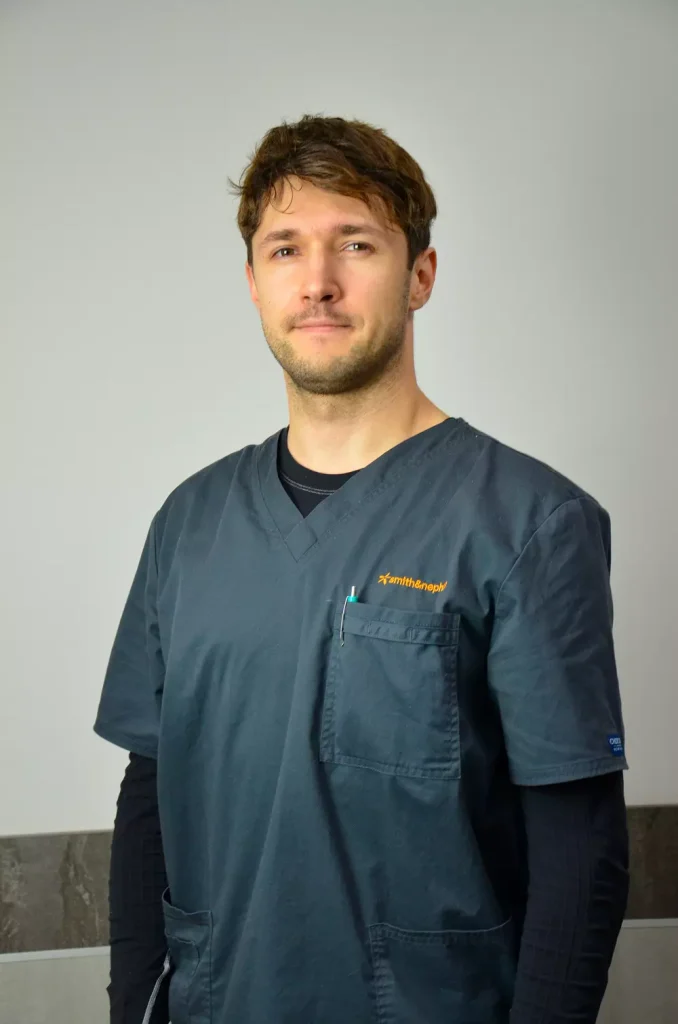
Orthopedic traumatologist
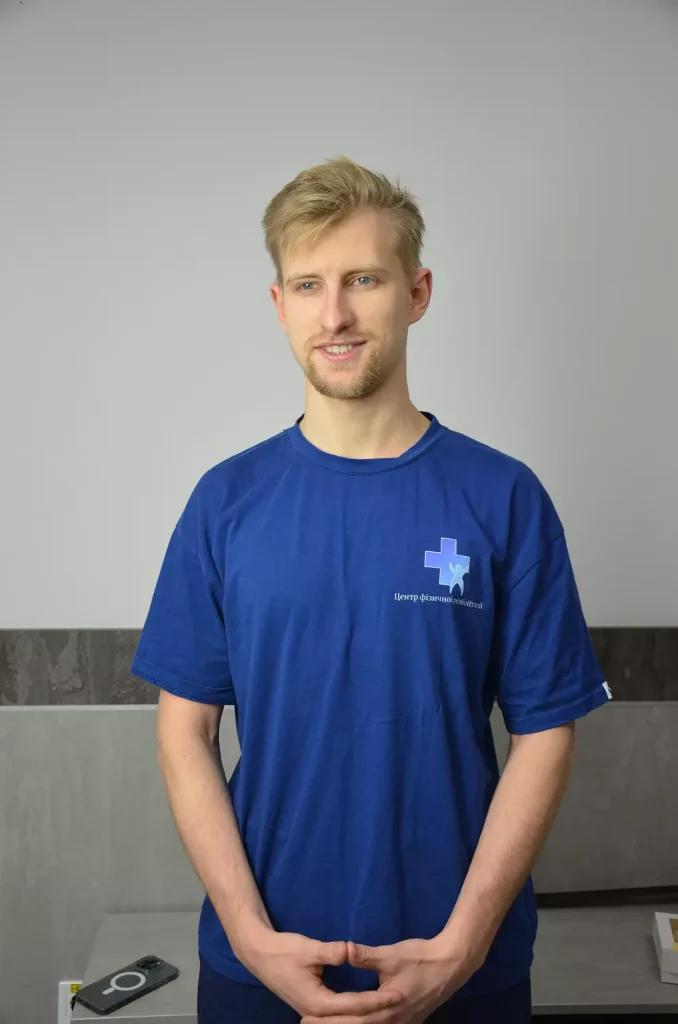
Chief rehabilitation specialist of physical therapy
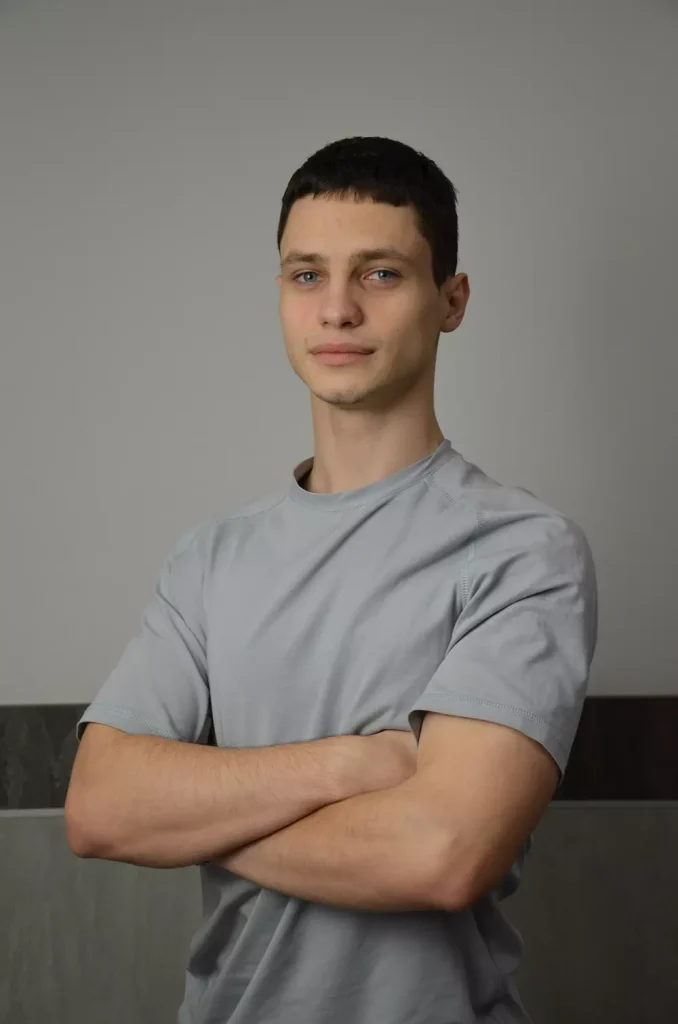
Rehabilitation specialist
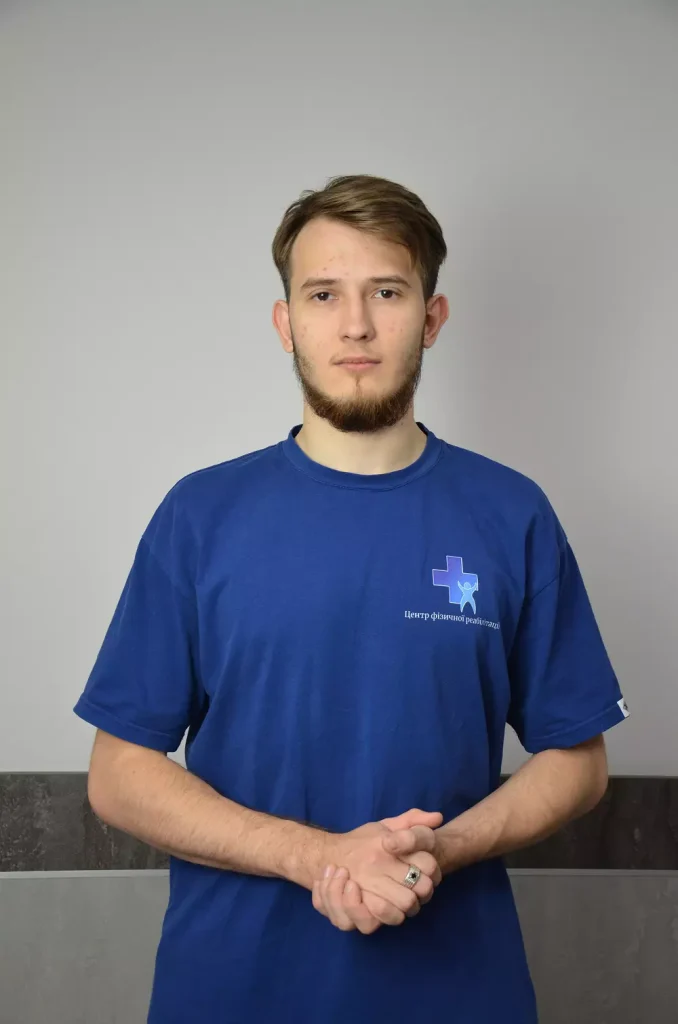
Rehabilitation specialist
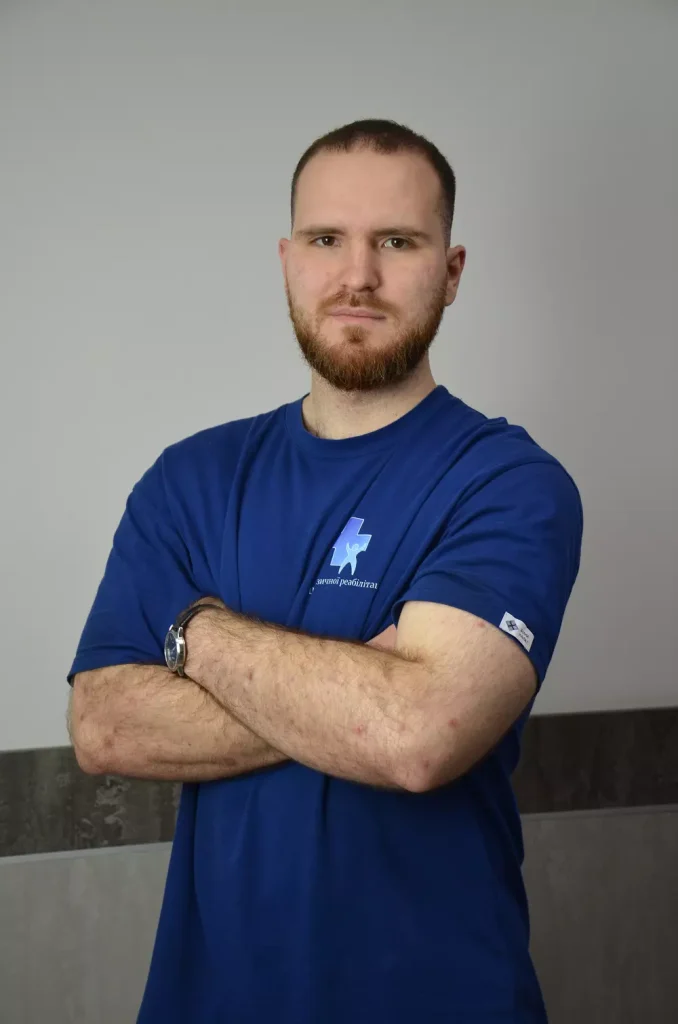
Masseur
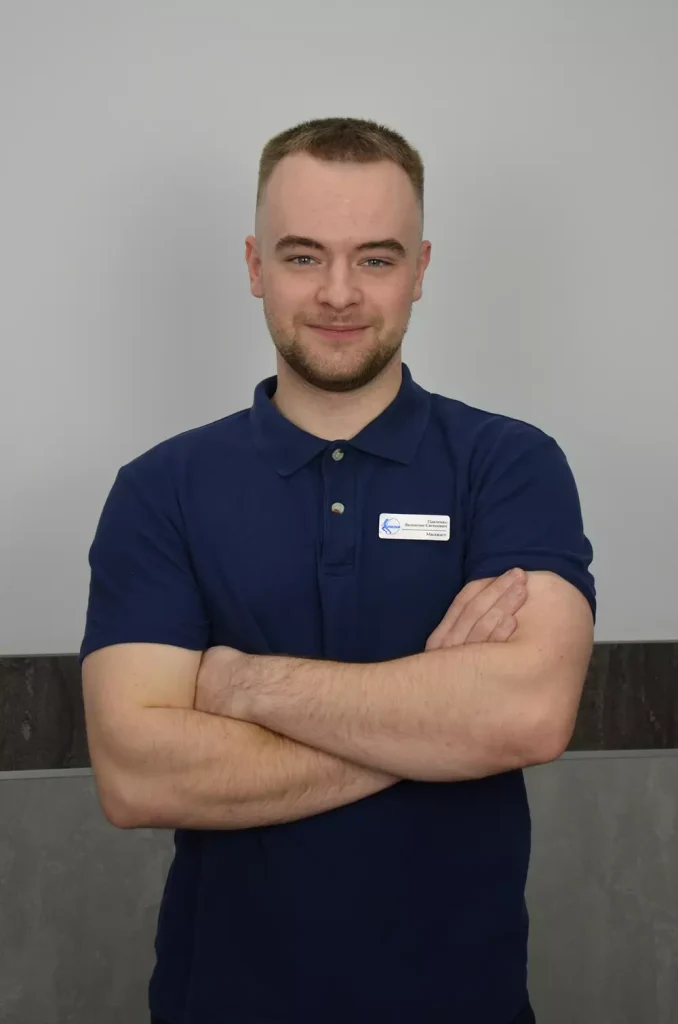
Masseur
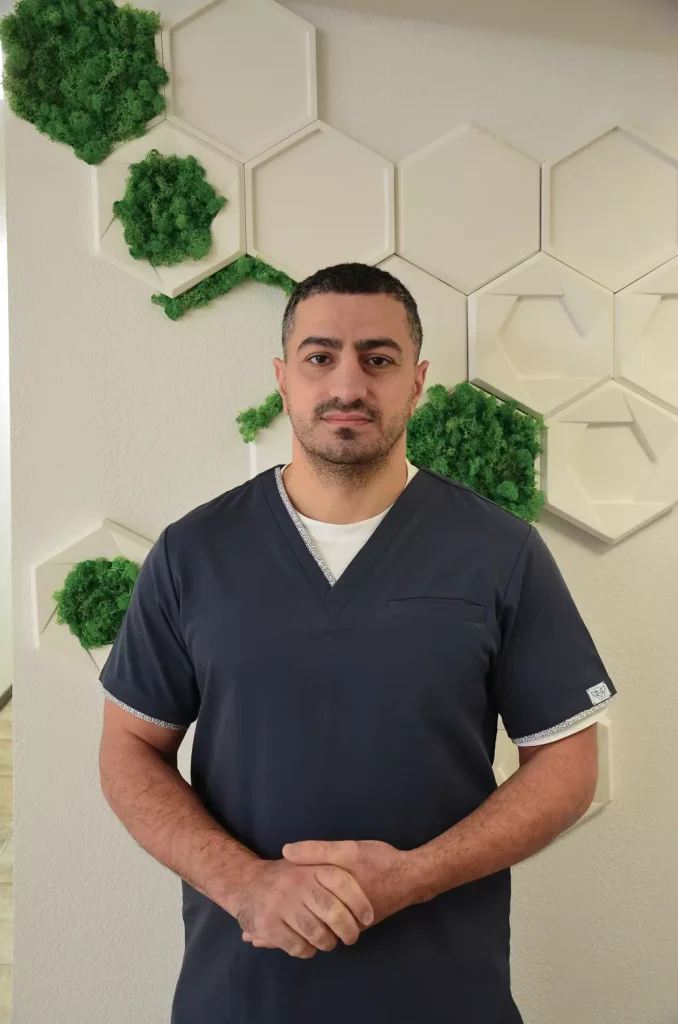
Founder of the center
Chief Rehabilitation Specialist
Chief physiotherapist
Orthopedic traumatologist
Chief rehabilitation specialist of physical therapy
Masseur
Masseur
Masseur

Leave your contacts — our specialist will contact you within 10–15 minutes to help you choose a service and answer all your questions.
Leave your contacts — our specialist will contact you within 10–15 minutes to help you choose a service and answer all your questions.