
 Skip to content
9 sessions + 1 as a gift
Rehabilitation after shoulder dislocation in KINEZIUM is the restoration of movements, shoulder stability, strength and control of the arm after reduction, immobilization or repeated instability. After a dislocation, it is important not only to “develop the shoulder”, but also to teach the joint to be stable again in everyday, work or sports movements. The shoulder joint has a large amplitude, so after a dislocation there may be a fear of certain positions, especially when the arm is taken back or raised up. The program in KINEZIUM takes into account the history of the injury, the number of dislocations, pain, mobility, stability, the condition of the rotator cuff and the recommendations of the traumatologist. The goal is to gradually restore mobility and strength without provoking a second dislocation.
A shoulder dislocation most often occurs after an injury, when the head of the humerus comes out of the joint socket completely or partially. This can happen during a fall, contact sports, a sharp jerk with the arm, or a car accident. In some people, instability develops after the first dislocation, which increases the risk of re-dislocation.
| Reason | What's happening? |
| Falling on the arm or shoulder | The joint may move out of its normal position due to sudden stress. |
| Sports injury | Contact, a fall, or a jolt can cause dislocation and capsule stretching. |
| Accident or severe impact | Possible combination of dislocation with damage to bones, joint lip or tendons |
| Recurrent instability | The shoulder may “pop out” with certain arm positions |
| Weakness of shoulder stabilizers | The rotator cuff and scapula have less control over the position of the humerus |
| Convulsions or electrical shock | Less commonly, they can cause specific types of dislocation, including posterior dislocation. |
After a dislocation, it is important to assess not only the dislocation itself, but also the associated injuries: the capsule, ligaments, labrum, bony structures, rotator cuff, and nerve sensitivity. The degree of injury determines how quickly movements can be initiated and which positions are temporarily unsafe.
| Degree/state | Typical manifestations | Rehabilitation logic |
| First dislocation without complications | Pain, immobilization, fear of movement, limitation of amplitude | Gradual return of movement and strengthening of stabilizers |
| Subluxation or instability | Feeling of “slipping” and uncertainty in the shoulder | Control of the scapula, rotator cuff, avoidance of risky positions |
| Repeated dislocations | The shoulder may move out of position under lighter loads | More thorough assessment of stability and possible medical route |
| Dislocation with tissue damage | Pain, weakness, suspected tear or injury to the labrum of the joint | The program depends on the examinations and recommendations of the traumatologist. |
| After surgery due to instability | There is a postoperative protocol and restrictions | Staged recovery with tissue protection |
If stability and strength are not restored after a shoulder dislocation, fear of movement, rotator cuff weakness, impaired scapular control, and risk of re-dislocation may persist. The patient may avoid lifting the arm, engaging in athletic movements, dressing, or overhead positions. Without gradual strengthening, the shoulder often remains “unsteady,” even after pain has subsided.
Possible consequences:
Rehabilitation after a dislocation should not only be about amplitude, but also about control, stability, and confidence in movement.
Rehabilitation after a shoulder dislocation is necessary for patients after reduction, immobilization, pain, instability, fear of re-dislocation, and weakness. Even if the shoulder has been reduced and the pain has subsided, the joint structures need time and the right program to regain control. It is especially important to seek treatment if this is not the first dislocation or the shoulder seems unstable.
| Situation | When is a program needed? |
| After shoulder reduction | Need to regain movement and stability after immobilization |
| After the first dislocation | To reduce the risk of recurrent instability |
| After repeated dislocations | Stability assessment and movement control required |
| With fear of certain situations | The person is afraid to move their hand back or raise it up. |
| With shoulder weakness | Impaired hand control in everyday life or sports |
| After surgery due to instability | Rehabilitation should follow the surgeon's protocol. |
Rehabilitation after a shoulder dislocation helps to restore range of motion, strengthen the rotator cuff, improve scapular control, and prevent recurrent instability. In the early stages, it is important not to provoke risky shoulder positions, especially if the tissues are still recovering from the injury. Then, exercises for stability, movement control, and strength are gradually added. For sports purposes, overhead movements, throws, arm support, or contact loads should be practiced separately. Good rehabilitation after a dislocation is not just about “getting your arm up,” but about your shoulder being able to withstand real loads.
The program after a shoulder dislocation includes a rest period, safe development of movements, strengthening of stabilizers and return to weight bearing. The stages depend on the age, type of dislocation, number of episodes, concomitant injuries and recommendations of the traumatologist.
| Stage | What do they do? | Why is this needed? |
| 1. Post-replacement protection | Compliance with immobilization and doctor's restrictions | Give the tissues time for initial healing |
| 2. Gentle return of movements | Safe movements without extreme positions | Reduce stiffness and fear of movement |
| 3. Blade control | Exercises for the position of the scapula and shoulder girdle | Improve shoulder movement mechanics |
| 4. Rotator cuff | Gradual strengthening of shoulder stabilizers | Increase joint stability |
| 5. Functional load | Household, work, sports movements | Return the shoulder to real use |
| 6. Prevention of re-dislocation | Control of risk positions and load progress | Reduce fear and risk of re-injury |
Rehabilitation after shoulder dislocation at KINEZIUM in Kyiv begins with an assessment of movements, pain, stability, history of dislocation, rotator cuff strength, and scapula control. The specialist clarifies whether the dislocation was the first or repeated, how it was exercised, whether there were any images or MRIs, and whether there are any limitations of the traumatologist. After that, exercises are selected that do not provoke instability, but gradually return movement and strength. During classes, the technique is monitored: the position of the shoulder, scapula, body, and reaction to load. If there are repeated dislocations or a feeling of “slipping”, additional consultation with an orthopedic traumatologist may be required.
Rehabilitation after a dislocation differs from recovery after a shoulder fracture in that the main focus shifts to joint stability, rotator cuff, scapular control, and prevention of re-dislocation. After a fracture, the timing of bone union is important, and after a dislocation, the control of positions in which the shoulder may be unstable is important. Both conditions require gradualness, but the risks are different.
| Criterion | After a shoulder dislocation | After a shoulder fracture |
| Main risk | Recurrent instability or dislocation | Overloading the bone until complete fusion |
| Exercise focus | Rotator cuff, scapula, position control | Amplitude, strength, function of the hand after immobilization |
| Risky moves | Extreme positions of abduction and external rotation | Early strength training or weight lifting |
| Pace of progress | Depends on stability and history of dislocations | Depends on the healing and doctor's recommendations |
| Target | Stable shoulder without fear of movement | A hand that moves again and can withstand everyday stress |
After a shoulder dislocation, pain, instability, re-dislocations, early restriction of extreme positions, traumatologist restrictions, possible damage to the labrum, rotator cuff, or neural structures should be considered. Do not “check” whether the shoulder is stable, abruptly retract the arm, or return to sports early. If there is numbness, sudden weakness, deformity, or repeated dislocation of the shoulder, medical evaluation is required.
AAOS OrthoInfo notes that a shoulder dislocation can be complete or partial and usually occurs after an injury, such as a fall or car accident: orthoinfo.aaos.org. The AAOS article on chronic shoulder instability describes that after the sling is removed, exercises help restore range of motion, prevent scarring, and gradually strengthen the shoulder: orthoinfo.aaos.org. The AAOS Rotator Cuff and Shoulder Conditioning Program explains the role of strengthening the muscles that support the shoulder joint: orthoinfo.aaos.org. Practical conclusion: after a dislocation, not only mobility is key, but also stability control.
After rehabilitation in KINEZIUM, you can expect a gradual return of mobility, stability, strength and confidence in movements. The result depends on age, number of dislocations, concomitant injuries, treatment method, regularity of exercises and compliance with restrictions. In everyday life, this should be manifested by the fact that it is easier for a person to dress, raise his arm, carry objects and not be afraid of habitual movements.
AAOS OrthoInfo describes a shoulder dislocation as an injury where treatment and subsequent recovery depend on the type of injury and the stability of the joint: orthoinfo.aaos.org. The AAOS Rotator Cuff and Shoulder Conditioning Program emphasizes strengthening the muscles that support the shoulder for a return to activity: orthoinfo.aaos.org. MedlinePlus describes rehabilitation as the process of restoring the abilities needed for daily living after injury or treatment: medlineplus.gov. Practical conclusion: after shoulder dislocation, the outcome should be assessed through stable arm function, not just the absence of pain.
To sign up for rehabilitation after a shoulder dislocation, you need to contact KINEZIUM and inform the date of the injury, whether the dislocation was the first or repeated, how it was exercised, whether there was immobilization and what restrictions the traumatologist gave. It is advisable to bring pictures, MRI or a statement to the consultation if available. The specialist will assess stability, pain, amplitude, strength, control of the scapula and risky positions. After that, a program of strengthening and returning movements is formed. If the shoulder “pops out” again or there is severe weakness, additional medical evaluation is required.
Wellness centers
Patients were helped
Specialists
Years of experience
Our team consists of experienced rehabilitation specialists, physiotherapists, and massage therapists who help people restore their health and return to an active life every day.
We combine modern techniques, an individual approach, and sincere care for each patient.

Chief Rehabilitation Specialist
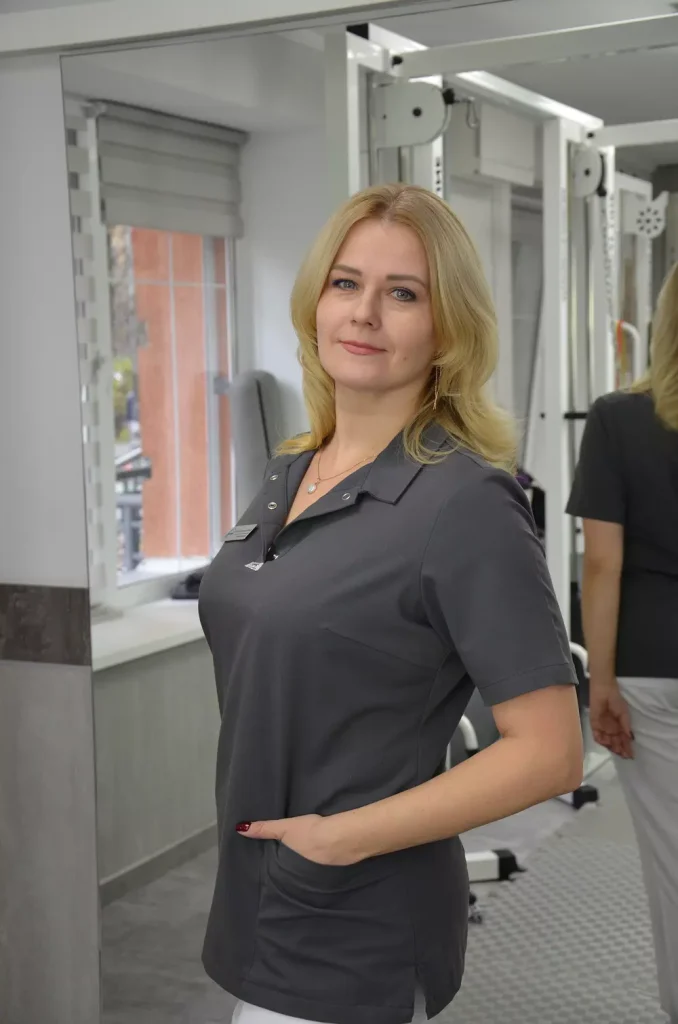
Chief physiotherapist
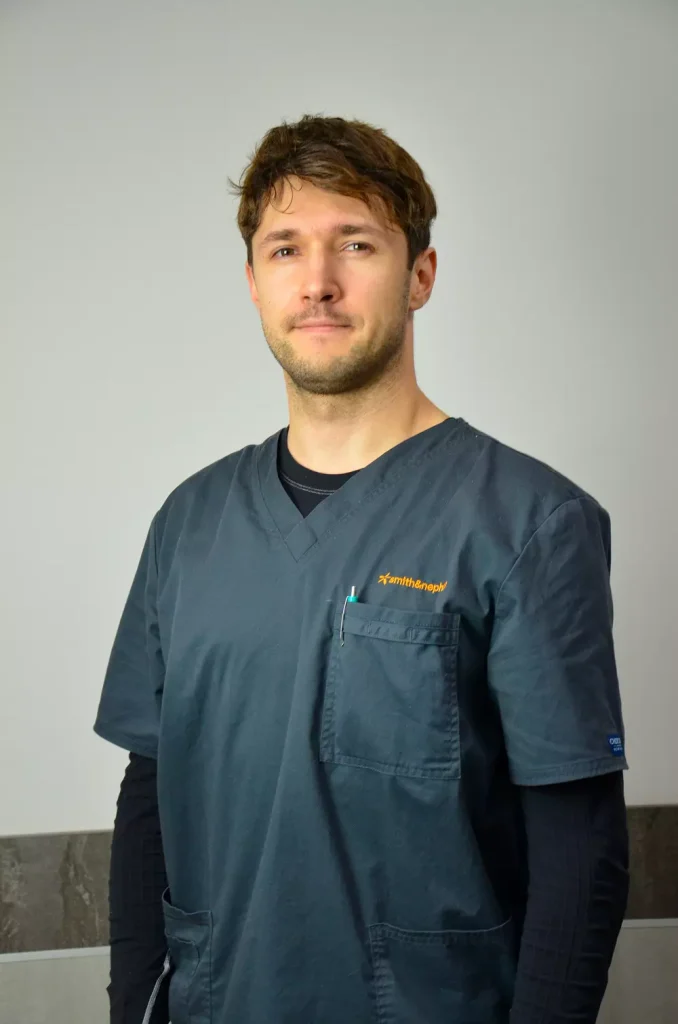
Orthopedic traumatologist
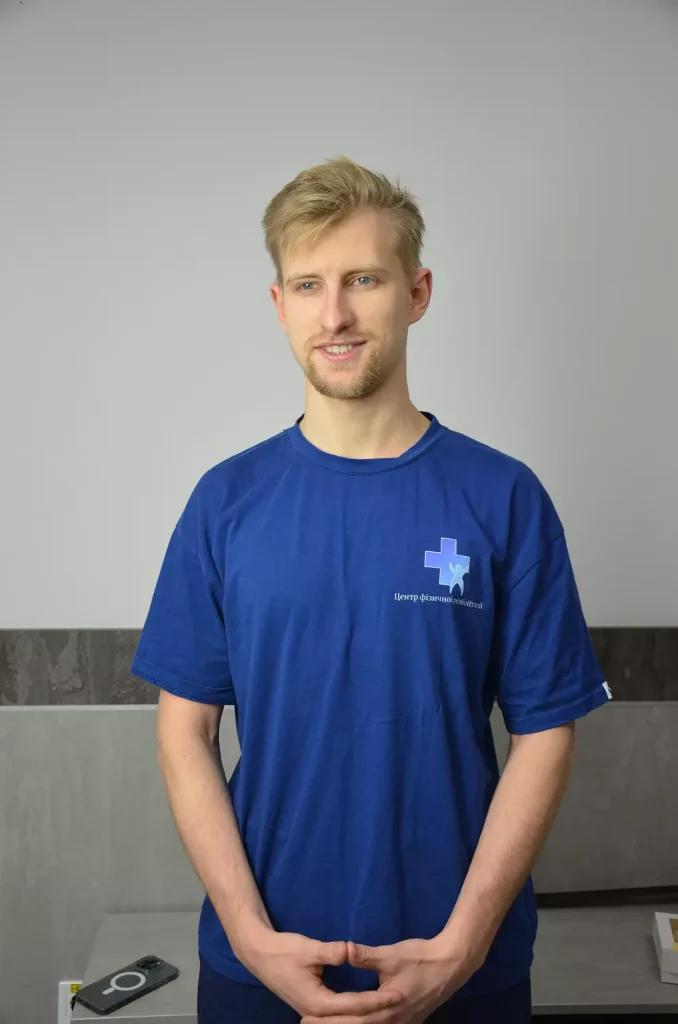
Chief rehabilitation specialist of physical therapy

Masseur
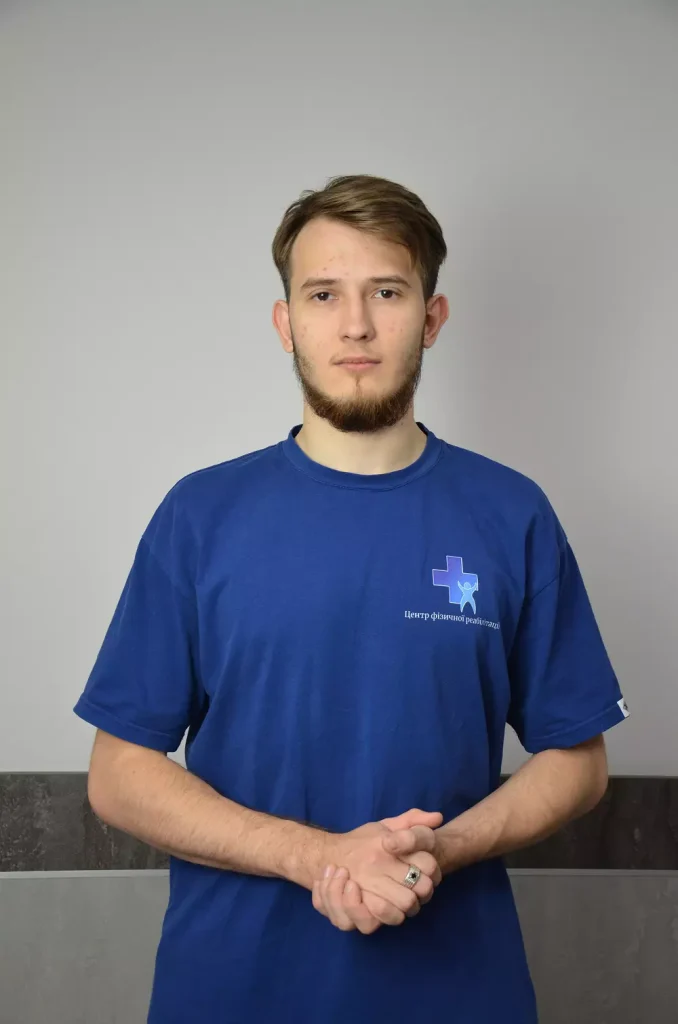
Masseur
Masseur

Masseur
We are grateful to everyone who has entrusted their health to us.
Your feedback is the best confirmation of the results of our work.
Share your impressions - they inspire us to become even better every day.
Leave your contacts — our specialist will contact you within 10–15 minutes to help you choose a service and answer all your questions.
We are always open for communication and ready to help you.
Call or email us to schedule a consultation or get detailed information.
Our experts will suggest the best solution for you.
Leave your contacts — our specialist will contact you within 10–15 minutes to help you choose a service and answer all your questions.