
 Skip to content
9 sessions + 1 as a gift
Rehabilitation after a clavicle fracture in KINEZIUM is the restoration of mobility of the shoulder girdle, arm, strength and everyday activities after a clavicle fracture. The clavicle connects the chest with the shoulder girdle, so after an injury, not only the fracture site is often affected, but also the mobility of the shoulder, the position of the scapula, the strength of the arm and confidence in the load. After fixation, bandage, surgery or plate, the program should take into account the stage of union, pain, swelling, postoperative restrictions, scar condition and recommendations of the traumatologist. In KINEZIUM, recovery may include gentle exercises for the shoulder, control of the scapula, gradual strengthening, physiotherapy according to indications and a home program. The goal is to return the arm to everyday movements without early weight lifting and overloading the clavicle.
A clavicle fracture most often occurs after a fall on the shoulder, an outstretched arm, a direct blow, or a sports injury. It can also occur in a car accident or contact sports where the shoulder girdle is subjected to sudden stress.
| Reason | What can happen? |
| Falling on the shoulder | The most typical mechanism of fracture of the middle third of the clavicle |
| Falling on an outstretched hand | The load is transmitted through the arm to the shoulder girdle. |
| Direct hit | May cause pain, swelling, displacement, or deformity |
| Sports injury | Cycling, contact sports, falls during training |
| Road accident | Possible complex fractures and combined injuries |
| Postoperative condition | Requires recovery from plate, sutures, and load restrictions |
The grade of a clavicle fracture is determined by location, displacement, shortening, stability, treatment method, and stage of healing. Rehabilitation after a non-displaced fracture and after surgery with a plate will be different.
| Type / degree | Typical manifestations | Rehabilitation logic |
| Non-displaced fracture | Pain, bandage or sling, limitation of shoulder movement | Gentle movements after doctor's permission, prevention of stiffness |
| Displaced fracture | There may be deformity, pain, need for surgery | The program depends on the images and recommendations of the traumatologist. |
| After plate surgery | There is a scar, fixation, postoperative restrictions | Gradual restoration of movement and strength according to the protocol |
| After removing the plate | Re-intervention, scar restrictions, discomfort | Gentle work with movements, scar and return of load |
| Compound fracture | Severe pain, significant displacement, risk of complications | First medical control, then individual rehabilitation |
If rehabilitation is not performed after a clavicle fracture, shoulder stiffness, arm weakness, impaired scapular control, and fear of raising the arm may remain. After prolonged wearing of a sling, the shoulder joint quickly loses its amplitude, and the muscles of the shoulder girdle weaken. If you lift weights or actively load the arm too soon, pain and tissue irritation may increase.
Possible consequences:
After a clavicle fracture, it is important to restore not only the fracture site, but also the entire mechanics of the shoulder girdle.
Physical rehabilitation for clavicle fracture is necessary for patients after fixation, surgery, wearing a bandage, pain, shoulder stiffness and arm weakness. It is especially important after a period of immobilization, when the bone is already healing, but the shoulder is not yet raised normally. The program is also needed after surgery or plate removal, if there are scar restrictions or fear of weight bearing.
| Situation | When rehabilitation is needed |
| After wearing a bandage or sling | Shoulder is stiff, arm is weak, movements are cautious |
| After plate surgery | It is necessary to take into account fixation, scar and doctor's limitations |
| For pain in the shoulder girdle | Hand movements are limited, there is a fear of strain |
| With arm weakness | Difficulty raising your arm, holding objects, working |
| After removing the plate | Recovery is required after re-intervention |
| For returning to sports or work | Requires strength, range of motion, and shoulder girdle control |
Recovery after a clavicle fracture helps to restore shoulder range of motion, arm strength, scapula control, posture, and confidence in movement. In the early stages, it is important not to overload the clavicle and to perform only permitted movements. Then, shoulder mobility, scapula function, shoulder girdle strength, and everyday activities with the hand are gradually restored. If surgery was performed, the program takes into account the condition of the scar and the prohibition of early weight lifting. The result should be practical: dressing, lifting the arm, working, and gradually returning to activity.
Rehabilitation after removal of the clavicle plate is necessary after reoperation if there are scar restrictions, discomfort, weakness and the need for a gradual return to weight bearing. Even if the fracture has already healed, removal of the plate creates a new postoperative stage for the soft tissues. The specialist assesses the condition of the scar, shoulder mobility, strength, pain and recommendations of the surgeon. The program may include gentle mobility, scapular control, gradual strengthening and home exercises. Weight bearing is returned only after the doctor's permission.
Clavicle rehabilitation at the KINEZIUM center in Kyiv begins with an analysis of images and recommendations from a traumatologist, an assessment of shoulder movements, pain, strength, scapula position, scar condition, and household restrictions. The specialist clarifies whether there was an operation, whether there is a plate, and whether active movements and arm lifting are allowed. Next, exercises are selected for safe amplitude, scapula control, gradual strengthening, and return of arm function. During classes, it is monitored that movements do not provoke sharp pain in the fracture area. A home program helps maintain regularity without overload.
Rehabilitation after a clavicle fracture differs from shoulder rehabilitation in that it is necessary to take into account the fusion of the clavicle, shoulder girdle, scapula, limitations after fixation and a gradual increase in load. With ordinary shoulder pain, the emphasis may be on the rotator cuff or capsule, and after a clavicle fracture, it is initially important not to overload the bone. At the same time, without working with the shoulder and scapula, full function of the arm does not return.
| Criterion | After a clavicle fracture | Total shoulder reconstruction |
| The main factor | Clavicle fusion, fixation, doctor's restrictions | Shoulder mobility, tendons, muscles, stability |
| Risk | Early weight bearing, pain in the fracture or plate area | Tendon overload, instability, pain |
| Exercise focus | Shoulder girdle, scapula, gradual amplitude | Rotator cuff, capsule, scapula, strength |
| After surgery | The scar and the plate are taken into account. | Depends on the type of shoulder surgery |
| Target | Turn your arm without risking your collarbone | Restore shoulder joint function |
After a clavicle fracture, you need to consider incomplete union, pain, swelling, weight-bearing restrictions, doctor's restrictions, risk of re-injury, condition of the plate or scar after surgery. You should not accelerate active overhead movements or strength exercises on your own unless your doctor has already approved them. If there is increasing pain, numbness in the arm, redness of the scar, or suspicion of displacement, a medical evaluation is required.
AAOS OrthoInfo notes that after a collarbone fracture, as the bone begins to heal and pain decreases, the doctor may begin gentle shoulder exercises, with more intense exercises introduced gradually after complete healing: orthoinfo.aaos.org. MedlinePlus Broken collarbone aftercare explains that the type of fracture determines treatment: if it is displaced or misaligned, surgery may be needed: medlineplus.gov. The AAOS CPG summary notes that the healing period can lead to stiffness or weakness in the shoulder joint, so some patients need physical therapy: orthoinfo.aaos.org. Practical conclusion: after a clavicle fracture, exercises are necessary, but their intensity should correspond to the stage of healing.
After rehabilitation in KINEZIUM, you can expect a gradual return of shoulder mobility, arm strength, scapula control and everyday activities. The result depends on the type of fracture, displacement, surgery, duration of immobilization, pain, scar restrictions and regularity of exercises. In practical life, this means easier lifting of the arm, dressing, working, holding objects and a gradual return to activity.
The AAOS Clavicle Fracture material explains that exercises after healing begins help prevent stiffness and weakness, and more intense exercises are introduced after complete healing: orthoinfo.aaos.org. MedlinePlus Rehabilitation describes recovery as the process of regaining the abilities needed for daily living after an injury or surgery: medlineplus.gov. The University of Virginia non-operative clavicle protocol provides examples of progressive shoulder exercises after a clavicle fracture: med.virginia.edu. Practical conclusion: the outcome after a clavicle fracture depends on the gradual return of mobility, strength, and control of the shoulder girdle.
To sign up for rehabilitation after a clavicle fracture, you need to contact KINEZIUM and inform them of the date of the injury, type of treatment, presence of surgery, plate, bandage or removal of metal structures. At the first visit, it is advisable to take pictures, a statement and recommendations from a traumatologist regarding movements and loads. The specialist will assess the amplitude of the shoulder, arm strength, scapula control, pain, scar condition and household tasks. After that, an individual recovery program is formed. If the union has not yet been confirmed or there is severe pain, numbness or signs of infection, a medical evaluation is required first.
Wellness centers
Patients were helped
Specialists
Years of experience
Our team consists of experienced rehabilitation specialists, physiotherapists, and massage therapists who help people restore their health and return to an active life every day.
We combine modern techniques, an individual approach, and sincere care for each patient.
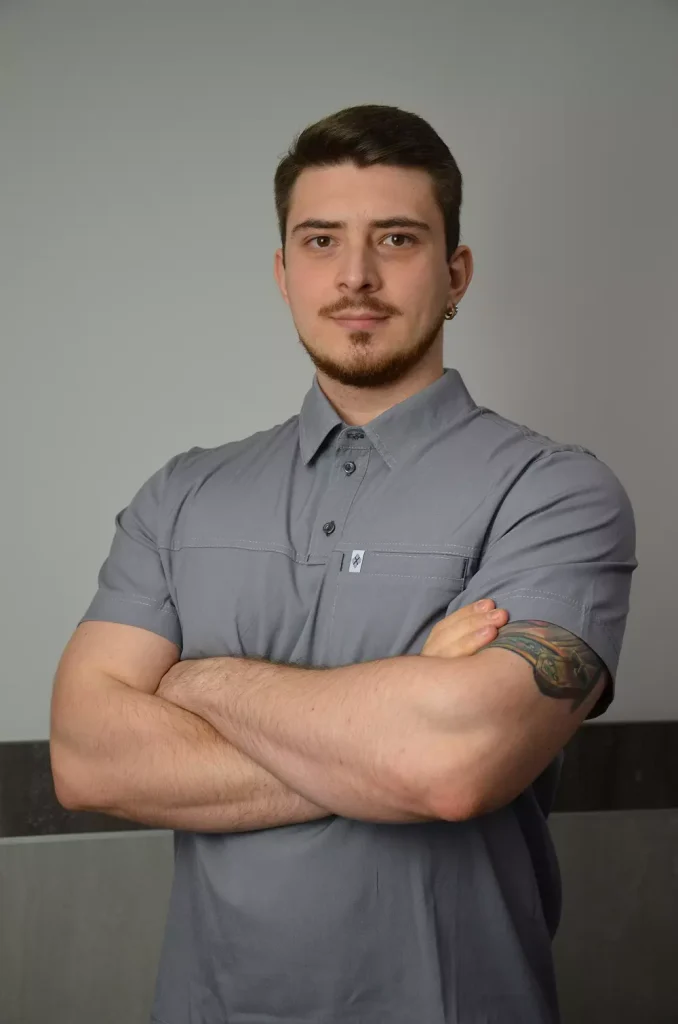
Chief Rehabilitation Specialist
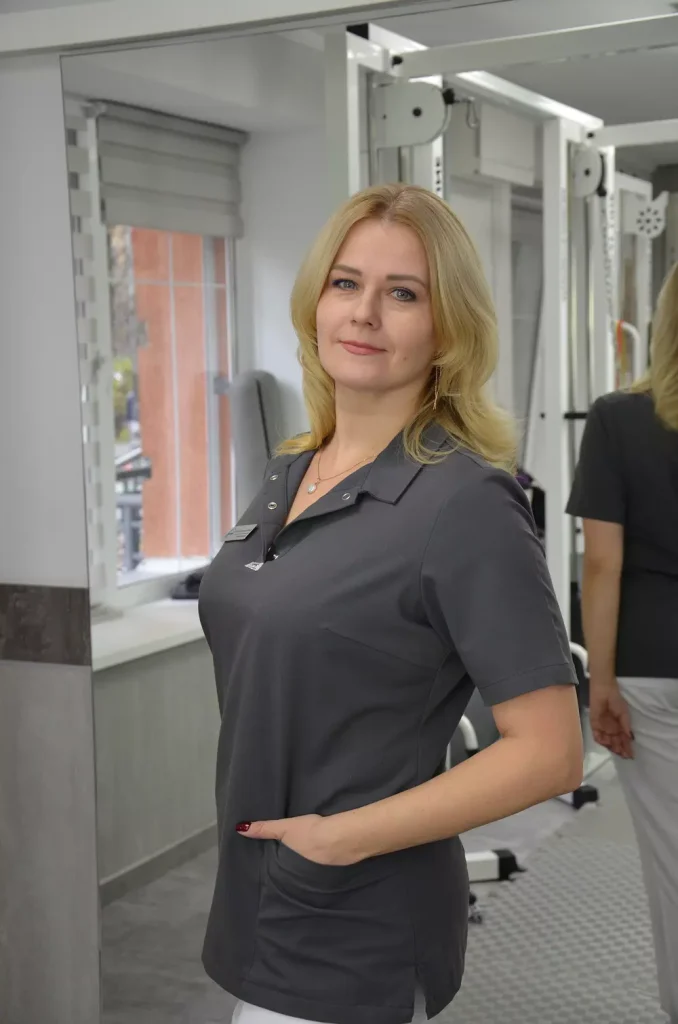
Chief physiotherapist
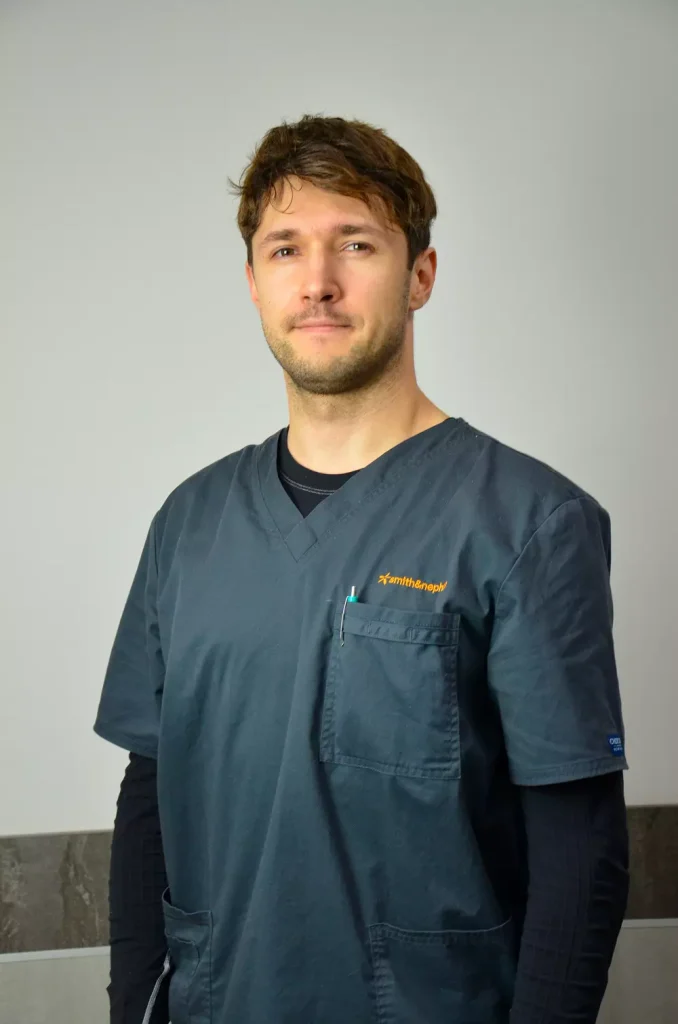
Orthopedic traumatologist
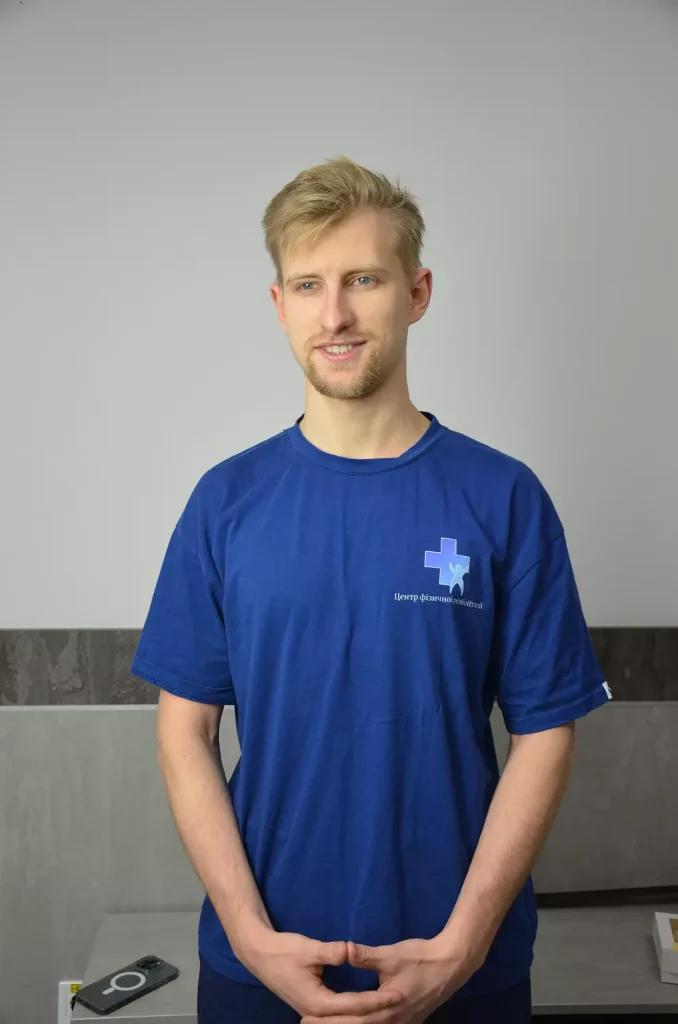
Chief rehabilitation specialist of physical therapy

Masseur
Masseur
Masseur
Masseur
We are grateful to everyone who has entrusted their health to us.
Your feedback is the best confirmation of the results of our work.
Share your impressions - they inspire us to become even better every day.
Leave your contacts — our specialist will contact you within 10–15 minutes to help you choose a service and answer all your questions.
We are always open for communication and ready to help you.
Call or email us to schedule a consultation or get detailed information.
Our experts will suggest the best solution for you.
Leave your contacts — our specialist will contact you within 10–15 minutes to help you choose a service and answer all your questions.