
 Skip to content
9 sessions + 1 as a gift
Rehabilitation after meniscus surgery at KINEZIUM is recovery after removal, resection, suturing or rupture of the meniscus, aimed at restoring mobility, strength, gait and load control. The meniscus helps distribute the load in the knee, so after surgery it is important not only to remove pain, but also to correctly restore support, flexion, extension, quadriceps strength and balance. The program differs significantly depending on whether the meniscus was partially removed or sutured. At KINEZIUM, rehabilitation begins with an analysis of the surgeon's protocol, assessment of pain, swelling, amplitude, support and gait. The goal is to safely return the knee to everyday activities and reduce the risk of repeated overload.
A meniscus tear often occurs during twisting of the knee, a sharp turn, a squat with a load, a sports movement, or degenerative changes in the meniscus tissue. In younger patients, this is more often a traumatic mechanism, while in older patients, the tear may be associated with gradual wear and tear of the tissues.
| Reason | How can this manifest itself? |
| Knee twisting | Pain, clicking, swelling, limited movement |
| Sports injury | The rupture may be combined with ligament damage. |
| Deep squat with load | May cause pain or knee locking |
| Degenerative changes | The meniscus becomes less elastic and can be damaged gradually. |
| Repeated microtraumas | Pain occurs when walking, climbing stairs, or lifting weights |
| After surgery | Need to restore range, strength, and support control |
The degree of meniscus damage and the type of surgery determine the pace of rehabilitation. After a partial resection, weight-bearing may return more quickly, while after meniscus suturing, the tissue needs to be protected longer.
| Status/type of operation | Typical features | Rehabilitation logic |
| Small tear without surgery | Pain with exertion, sometimes swelling | Pain control, strength, balance, load correction |
| Partial meniscus resection | Damaged part removed, fewer restrictions | Faster return of range of motion and gait tolerance |
| Meniscus suturing | The tissue needs to be protected for healing. | Limiting support and flexion according to surgeon's protocol |
| Combined injury | Meniscus + ACL or other structures | The pace is determined by the strictest constraint |
| Chronic irritation | The pain recurs during exertion. | Emphasis on strength, balance, and activity dosage |
If rehabilitation is not done after meniscus surgery, swelling, flexion limitations, quadriceps weakness, lameness, and fear of weight bearing may remain. It is dangerous to ignore limitations when meniscus suturing, and to return too quickly to twisting and jumping without strength when meniscus resection. Without muscle recovery, the knee may not tolerate stairs, squats, and prolonged walking.
Possible consequences:
After meniscus surgery, it is important to know the type of intervention, as it determines the safe pace of recovery.
Rehabilitation after meniscus removal is necessary for patients who have pain, swelling, limited flexion, weakness, and gait disturbance after surgery. It is also necessary after partial resection or meniscus repair if the knee has not yet regained normal support and range of motion. Even if pain is reduced after surgery, knee strength and control may still be inadequate.
| Situation | When is a program needed? |
| After partial removal of the meniscus | Need to restore gait, strength, and load-bearing capacity |
| After meniscus suturing | Support and amplitude limitations must be adhered to. |
| With edema | The knee bends less and reacts less to stress |
| With quadriceps weakness | Difficulty controlling the knee on stairs and when walking |
| With lameness | Need to restore an even pace |
| To return to sports | Requires strength, balance, and gradual return to turning movements |
Rehabilitation after a meniscus tear helps to restore range of motion, muscle strength, stability, balance, gait, and confidence in weight bearing. Early on, it is important to control swelling and avoid causing pain by twisting. Exercises for the quadriceps, glutes, calf, and knee position control are then added. If the meniscus was sutured, the program should be more careful because the tissue needs time to heal. If a partial resection was performed, the emphasis is on gradually returning gait, strength, and function without excessive swelling.
Rehabilitation after a meniscus resection includes controlling swelling, restoring flexion and extension, strengthening, balance, and gradually returning to activity. If the meniscus was sutured rather than resected, restrictions may be more severe.
| Stage | What do they do? | Why is this needed? |
| 1. Swelling control | Moderate activity, recommendations for support, physiotherapy as indicated | Reduce pain and improve mobility |
| 2. Amplitude | Gradual flexion and extension | Restore knee mechanics |
| 3. Muscle activation | Quadriceps, glutes, lower leg | Restore support control |
| 4. Gait training | Step, even support, reduced lameness | Return to everyday walking |
| 5. Balance and stability | Balance and knee control exercises | Prepare for stairs and household loads |
| 6. Return to activity | Squats, stairs, work, sports by stage | Avoid repeated overloading |
Recovery after meniscus surgery at KINEZIUM in Kyiv begins with an analysis of the surgeon's protocol, assessment of pain, swelling, amplitude, gait, strength and permitted support. The specialist clarifies whether there was a resection, suturing or another type of intervention, as this determines the limitations. Next, exercises are selected for amplitude, quadriceps, balance, gait and gradual return of load. During classes, the knee's reaction is monitored: whether the swelling increases, whether extension improves, whether gait stabilizes. Home exercises are selected so that the patient does not overload the meniscus area.
Rehabilitation after meniscus repair differs from meniscus removal in terms of weight-bearing restrictions, loading times, tissue protection, range of motion, and rate of progress. After repair, the tissue needs to be given time to heal, so deep flexion, twisting, or full weight-bearing may be temporarily limited. Progress is often faster after partial meniscus removal, but swelling and strength control are still required.
| Criterion | Meniscus suturing | Partial removal/resection |
| Main task | Protect sewn fabric | Restore movement and function after removing the damaged part |
| Support | May be limited by protocol | Often returns sooner if allowed by doctor |
| Bending | May have temporary limits | Usually developed more actively for portability |
| Risk | Stretching or tearing of the seam during early loading | Swelling and congestion after hasty activity |
| Pace of progress | More careful | Often faster, but individual |
After meniscus surgery, swelling, pain, weight bearing restrictions, early twisting restrictions, postoperative protocol, and risk of re-injury should be considered. If the meniscus was sutured, the time of weight bearing restrictions or deep flexion should not be shortened independently. If the knee becomes severely swollen or locked after exercise, the load should be reviewed.
The AAOS Knee Arthroscopy Exercise Guide notes that regular exercises to restore strength and mobility are important after arthroscopic knee surgery: orthoinfo.aaos.org. The AAOS Knee Conditioning Program describes exercises to strengthen the muscles that support the knee and help reduce stress on the joint: orthoinfo.aaos.org. Lahey Hospital & Medical Center notes in their meniscal repair protocol that after meniscus repair, certain loads and flexions may be temporarily restricted to allow the tissue to heal: www.lahey.org. Practical conclusion: after meniscus surgery, you need to know the type of intervention, because it is this that determines the limitations.
After rehabilitation in KINEZIUM, you can expect a gradual return of gait, amplitude, strength, balance and everyday activity. The result depends on the type of surgery, the condition of the meniscus, swelling, pain, muscle strength, regularity of classes and compliance with the protocol. For the patient, the practical result is a confident gait, better knee control on stairs, less fear of stress and a gradual return to activity.
The AAOS Knee Arthroscopy Exercise Guide explains that exercises after knee arthroscopy are aimed at restoring strength and mobility: orthoinfo.aaos.org. The AAOS Knee Conditioning Program emphasizes the role of the muscles that support the knee in reducing stress on the joint: orthoinfo.aaos.org. MedlinePlus describes rehabilitation as the process of restoring the abilities needed for daily living after an injury or surgery: medlineplus.gov. Practical conclusion: after meniscus surgery, it is important to restore not only flexion, but also strength, gait, and load control.
To sign up for rehabilitation after meniscus surgery, you need to contact KINEZIUM and inform them of the date of the surgery, type of intervention, presence of swelling, pain, limitation of support and recommendations of the surgeon. It is advisable to take the discharge and postoperative protocol with you on the first visit. The specialist will assess the amplitude, strength, gait, balance, swelling and safe level of load. After that, a recovery program is formed, taking into account resection, suturing or other intervention. If the knee is blocked, swells sharply or hurts when supporting, a medical evaluation is required first.
Wellness centers
Patients were helped
Specialists
Years of experience
Our team consists of experienced rehabilitation specialists, physiotherapists, and massage therapists who help people restore their health and return to an active life every day.
We combine modern techniques, an individual approach, and sincere care for each patient.
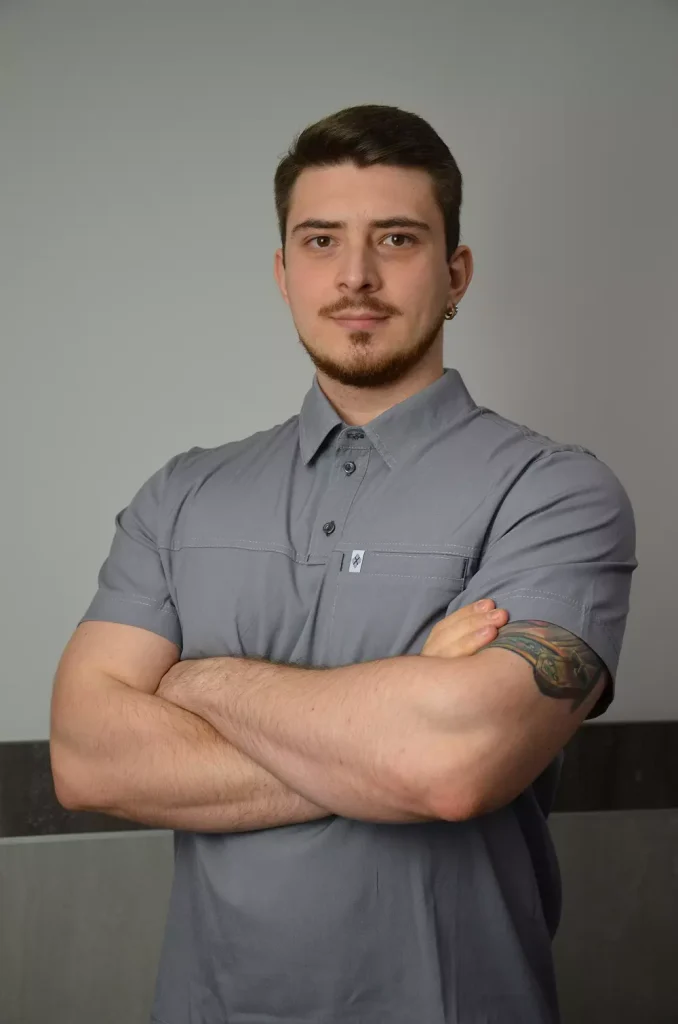
Chief Rehabilitation Specialist
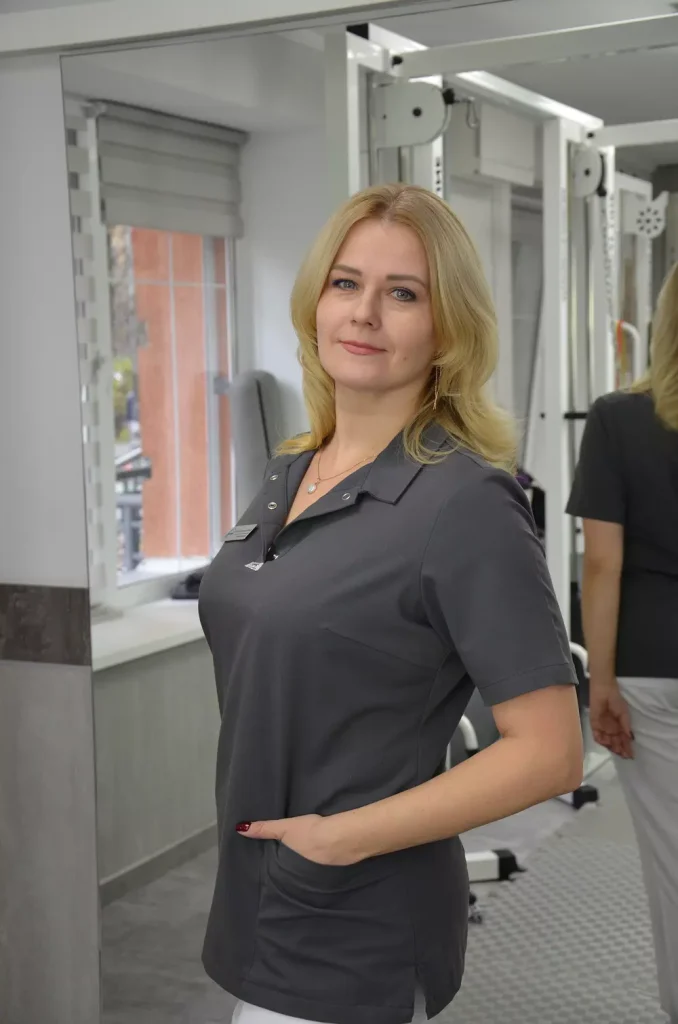
Chief physiotherapist
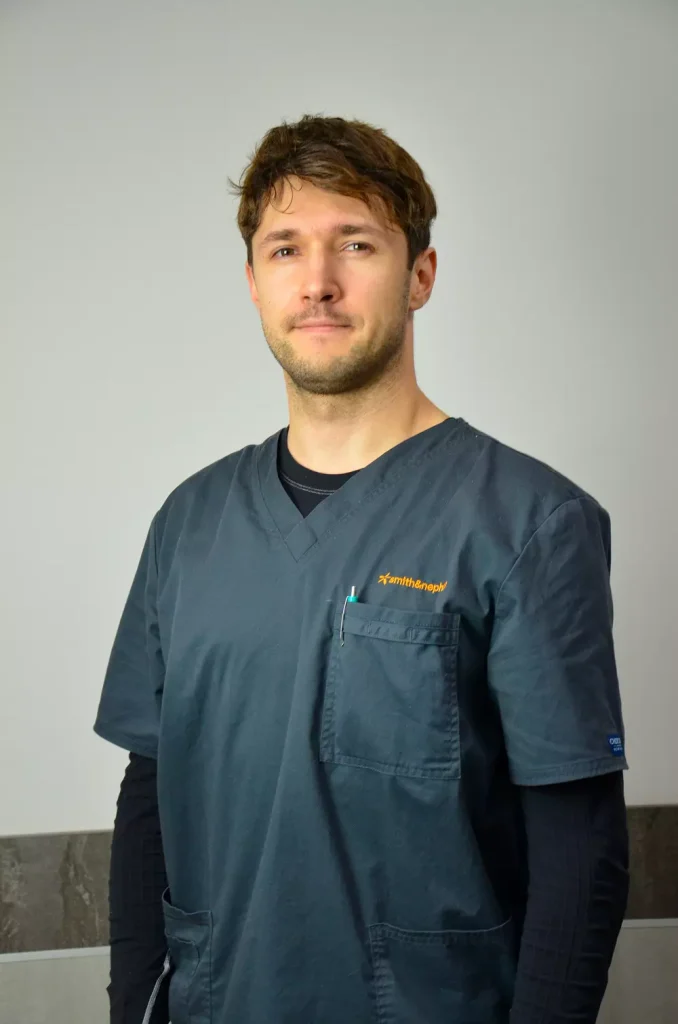
Orthopedic traumatologist
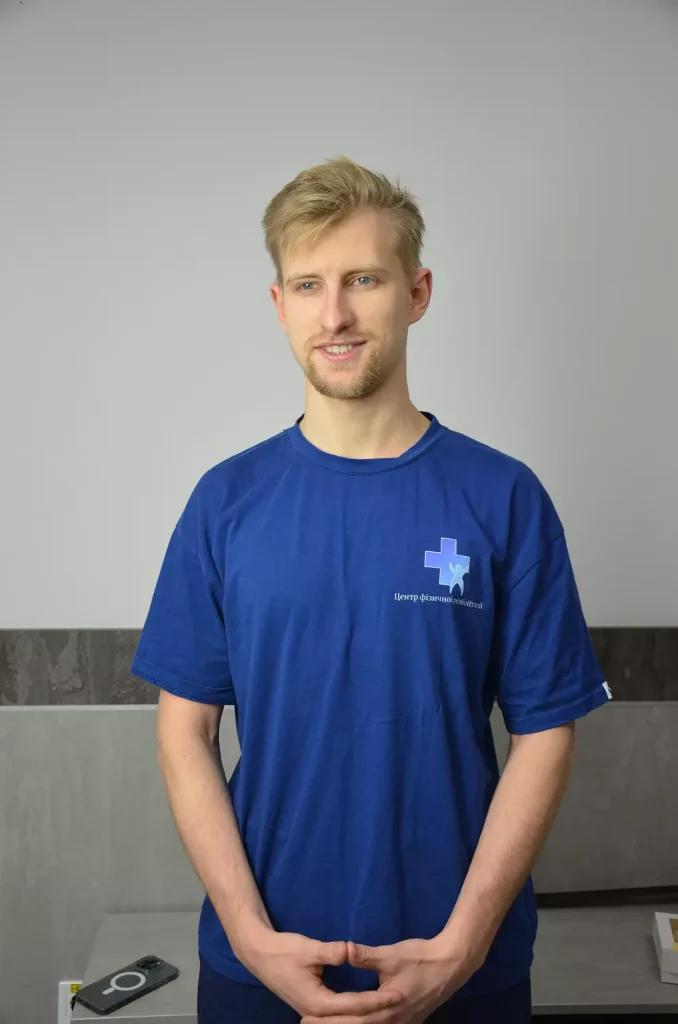
Chief rehabilitation specialist of physical therapy
Masseur
Masseur
Masseur
Masseur
We are grateful to everyone who has entrusted their health to us.
Your feedback is the best confirmation of the results of our work.
Share your impressions - they inspire us to become even better every day.
Leave your contacts — our specialist will contact you within 10–15 minutes to help you choose a service and answer all your questions.
We are always open for communication and ready to help you.
Call or email us to schedule a consultation or get detailed information.
Our experts will suggest the best solution for you.
Leave your contacts — our specialist will contact you within 10–15 minutes to help you choose a service and answer all your questions.