 Skip to content
9 sessions + 1 as a gift
Rehabilitation after shoulder arthroscopy at KINEZIUM is a minimally invasive surgery that includes pain control, gradual return of arm movement, strength and function. Arthroscopy can be performed for various reasons: rotator cuff injury, instability, labral problems, impingement or other conditions. Therefore, rehabilitation cannot be the same for everyone: it depends on what exactly the surgeon did, which tissues need to be protected and which movements are allowed at each stage. At KINEZIUM, the program begins with an analysis of the postoperative protocol, assessment of pain, movement, strength and daily limitations. The goal is to return the arm to function without early tissue overload.
Shoulder arthroscopy may be necessary after an injury, recurrent instability, tendon damage, or chronic pain that has failed to resolve conservatively. Often, the cause is not a single structure, but a combination of limitation of movement, weakness, pain, and mechanical irritation in the joint.
| Cause/condition | What may require restoration |
| Rotator cuff injury | Tendon protection and gradual strengthening are needed |
| Shoulder instability | Important control of joint positions and stabilizers |
| Damage to the articular lip | Caution is required with extreme hand positions |
| Impingement or pain when raising the arm | Needs work on the scapula, amplitude and shoulder muscles |
| After a sports injury | The return to work should be gradual. |
| After prolonged pain | Need to restore movement, strength, and everyday function |
After arthroscopy, the degree of loading is determined not only by pain, but also by the stage of tissue healing. The patient may feel better before the tissues are ready for active loading, so it is important not to skip stages.
| Stage / state | Typical manifestations | Rehabilitation logic |
| Early tissue protection | Bandage or orthosis, pain, limitation of active movements | Protection of the operating area, gentle movements allowed |
| Initial development | Stiffness, caution, fear of movement | Passive or assisted movements according to protocol |
| Active movement recovery | The arm is lifting better, but still weak. | Gradual return of active amplitude |
| Strengthening | Need to repair rotator cuff, shoulder blade, arm | Dosed strength exercises without pain and overload |
| Functional return | Household, work or sports tasks | Control of technique, load and endurance |
If rehabilitation is not performed after shoulder arthroscopy, stiffness, weakness, pain, limited arm lifting, and impaired daily function may remain. In this case, not only inactivity is dangerous, but also early overloading: tissues after surgery need time to heal. Without the right program, the patient may either be too protective of the arm or return to strength movements too quickly.
Possible consequences:
After arthroscopy, it is important not to work “by gut feeling,” but according to the stages that correspond to the surgical protocol.
Rehabilitation after shoulder arthroscopy is necessary for patients after arthroscopic surgery, immobilization, pain, limitation of movement and weakness. Even if the surgery was minimally invasive, the tissues inside the joint still go through stages of healing. The program is especially important if you need to regain arm lift, strength, stability, scapular control or sports load.
| Situation | When rehabilitation is needed |
| After shoulder arthroscopy | A gradual return of movement and strength is required |
| After immobilization | The arm is weak, the shoulder is stiff, there is a fear of movement. |
| After suturing the tissues | Need to protect tendons or joint labrum |
| For pain after surgery | It is necessary to monitor the load and tissue response. |
| When limiting the amplitude | Difficulty raising your arm, getting dressed, washing your hair |
| When returning to sports | Requires strength, stability, and control of overhead movements |
Arthroscopy rehabilitation for the shoulder solves the problems of restoring amplitude, strength, stability, control of the scapula and returning to everyday movements. In the early stages, it is important to control pain, swelling and limitations of the surgeon. Then, passive, auxiliary and active movements are gradually added. Then the program moves on to strengthening the rotator cuff, scapular stabilizers and functional movements of the arm. The ultimate goal is for the patient to be able to use the arm in everyday life without fear and overload.
Recovery after shoulder arthroscopy includes early tissue protection, range of motion, strengthening, functional exercises, and gradual loading. The specific timelines depend on the type of surgery: progress will vary after simple diagnostic arthroscopy and after rotator cuff repair.
| Stage | What do they do? | Why is this needed? |
| 1. Tissue protection | Compliance with the bandage, restrictions, and permitted movements | Allow tissues to heal after the intervention |
| 2. Pain control | Gentle movements, physiotherapy as indicated, positioning | Reduce discomfort and prepare the shoulder for movement |
| 3. Amplitude development | Passive, auxiliary, then active movements | Reverse arm lift and shoulder rotation |
| 4. Strengthening | Exercises for the rotator cuff, shoulder blade, arm | Restore stability and strength |
| 5. Functional exercises | Household and work movements, equipment control | To train the hand to work in real situations |
| 6. Load return | Gradual increase in complexity | Prepare for sports, work or active lifestyle |
Rehabilitation after shoulder arthroscopy at KINEZIUM in Kyiv begins with an analysis of the surgeon's protocol, discharge, limitations, pain, movements and condition of the arm. The specialist clarifies what exactly was performed during the operation, what movements are allowed, whether it is necessary to wear an orthosis and when it is possible to proceed to active exercises. Next, a program is selected: gentle movements, amplitude exercises, physiotherapy according to indications, strengthening and homework. At each stage, the dynamics are monitored: pain, amplitude, strength, quality of movement of the scapula and arm function. If swelling, sharp pain or a feeling of instability appear, the load is reviewed.
Recovery after shoulder arthroscopy differs from rehabilitation after injury in that there are post-operative protocols, restrictions on movement, loading times and the need for tissue protection. After a non-surgical injury, the program is more often based on symptoms and stability, and after arthroscopy, it is based on what was done during the intervention. The patient’s well-being does not always mean that the tissues are ready for strength exercises.
| Criterion | After shoulder arthroscopy | After injury without surgery |
| Main landmark | Surgeon's protocol and tissue healing | Symptoms, stability, type of injury |
| Early stage | Protection of the operating area | Pain and movement control as tolerated |
| Active movements | Start with permission and protocol stage | Can be administered more quickly if there are no complications |
| Risk | Re-injury to tissues after early loading | Worsening pain or instability |
| Pace of progress | Clearly phased | Individualized by symptoms |
After shoulder arthroscopy, it is necessary to consider the prohibition of early active loading, pain, swelling, limitations of the surgeon, the risk of tissue re-injury, the condition of the sutures, the prohibition of certain arm positions, and the need for gradual development. If the doctor has prohibited active lifting of the arm or forceful movements, these limitations cannot be ignored. It is also necessary to pay attention to signs of infection, a sharp increase in pain, or unusual swelling.
AAOS OrthoInfo describes shoulder arthroscopy as a procedure in which a surgeon uses a camera and tiny instruments to work inside the shoulder joint: orthoinfo.aaos.org. The AAOS Shoulder Surgery Exercise Guide states that regular exercises to restore motion and flexibility and a gradual return to daily activities are important for a full recovery after shoulder surgery: orthoinfo.aaos.org. MedlinePlus describes in its article on shoulder surgery that after the procedure, special exercises and following the doctor's recommendations may be required: medlineplus.gov. Practical conclusion: after shoulder arthroscopy, rehabilitation should follow the protocol, not the desire to regain strength faster.
After rehabilitation in KINEZIUM, you can expect a gradual return of mobility, strength, stability and function of the hand. The result depends on the type of surgery, tissue condition, age, pain, adherence to the protocol and regularity of exercises. For the patient, the result should be practical: it is easier to dress, wash your hair, raise your hand, work and gradually return to activity.
The AAOS Shoulder Surgery Exercise Guide describes exercises aimed at restoring strength and mobility after shoulder surgery: orthoinfo.aaos.org. The AAOS Rotator Cuff and Shoulder Conditioning Program explains the role of the muscles that support the shoulder joint and help you return to activity: orthoinfo.aaos.org. MedlinePlus describes rehabilitation as the process of restoring the abilities needed for daily living after injury, illness, or surgery: medlineplus.gov. Practical conclusion: after arthroscopy, it is important to restore not only the amplitude, but also the quality of movement and strength.
To sign up for rehabilitation after shoulder arthroscopy, you need to contact KINEZIUM and inform the date of the operation, type of intervention, surgeon's restrictions, presence of orthosis, pain and current range of motion. It is advisable to take the discharge and postoperative protocol with you on the first visit. The specialist will assess pain, mobility, strength, condition of the scapula, arm function and safe stage of loading. After that, an individual recovery program is formed. If there are signs of infection, sharp pain or unusual swelling, you should first consult a doctor.
Wellness centers
Patients were helped
Specialists
Years of experience
Our team consists of experienced rehabilitation specialists, physiotherapists, and massage therapists who help people restore their health and return to an active life every day.
We combine modern techniques, an individual approach, and sincere care for each patient.
Chief Rehabilitation Specialist
Chief physiotherapist
Orthopedic traumatologist
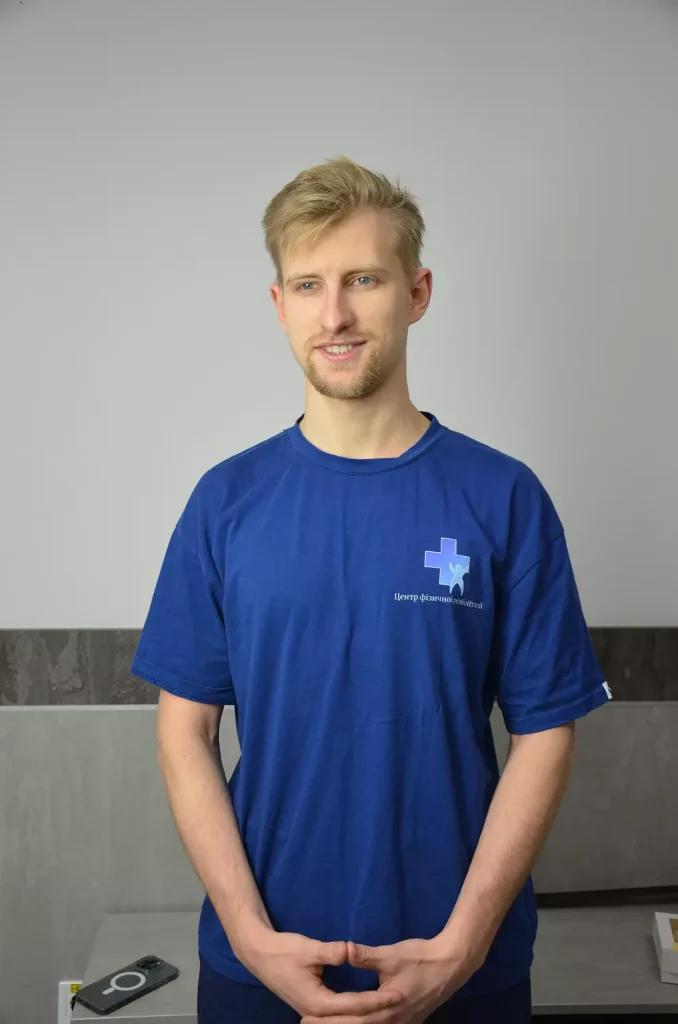
Chief rehabilitation specialist of physical therapy
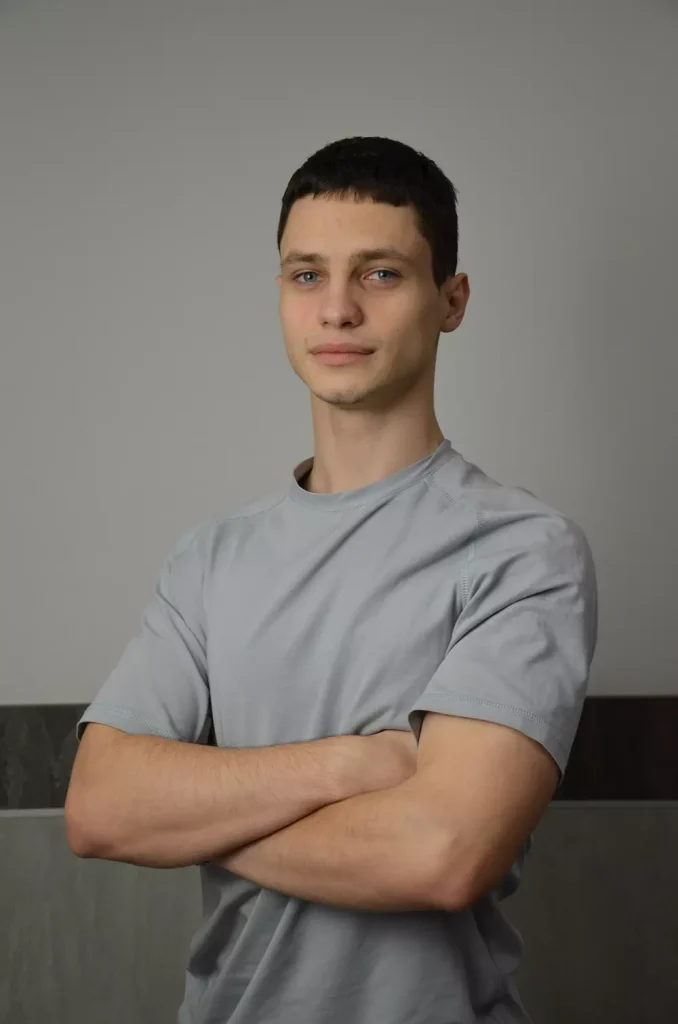
Masseur
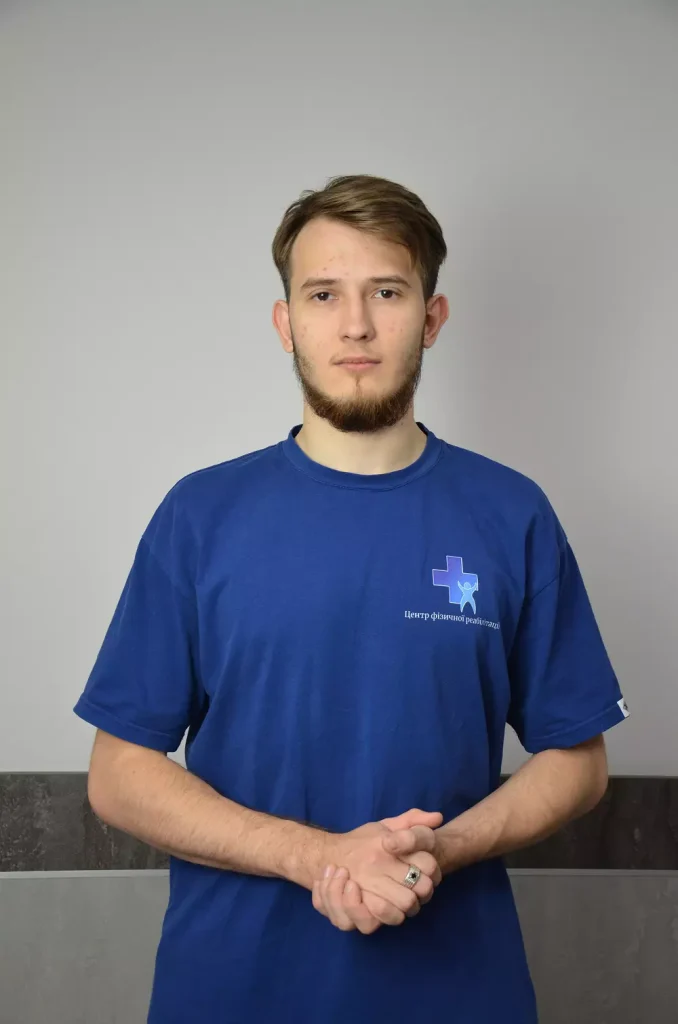
Masseur
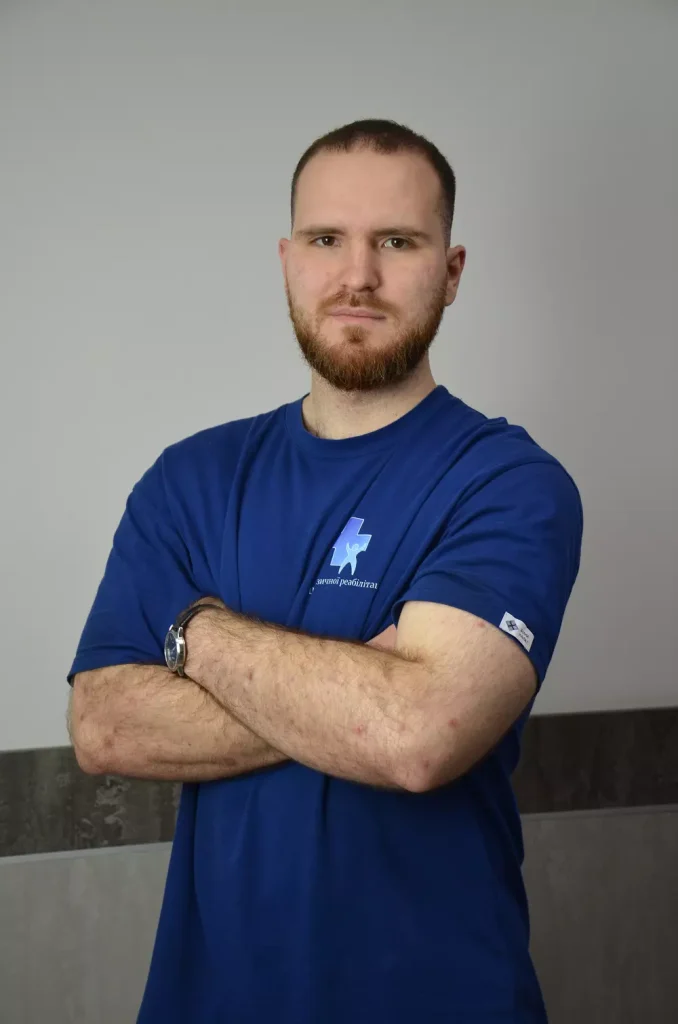
Masseur
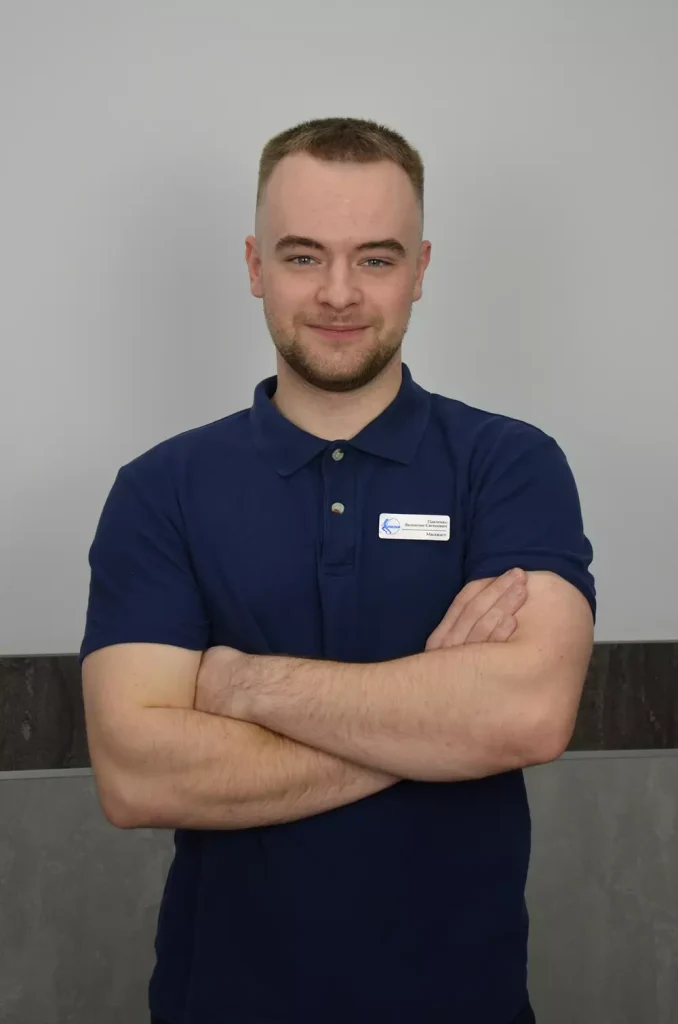
Masseur
We are grateful to everyone who has entrusted their health to us.
Your feedback is the best confirmation of the results of our work.
Share your impressions - they inspire us to become even better every day.
Leave your contacts — our specialist will contact you within 10–15 minutes to help you choose a service and answer all your questions.
We are always open for communication and ready to help you.
Call or email us to schedule a consultation or get detailed information.
Our experts will suggest the best solution for you.
Leave your contacts — our specialist will contact you within 10–15 minutes to help you choose a service and answer all your questions.