 Skip to content
9 sessions + 1 as a gift
Intervertebral hernia, protrusions — is a degenerative-dystrophic lesion of the intervertebral disc, in which the fibrous ring bulges or ruptures, compressing the nerve roots and spinal structures. This leads to pain, neurological disorders, decreased motor activity, and a decrease in the patient's quality of life.
The KINEZIUM rehabilitation center uses an evidence-based non-surgical treatment model aimed at eliminating the causes of compression, restoring the biomechanics of the spine, and stabilizing the musculoskeletal system.
local and radiating pain in the neck, chest, or lower back
paresthesia (numbness, tingling)
muscle weakness
mobility restrictions
decreased endurance
postural disorders
Treatment is based on a multidisciplinary approach and includes:
An assessment is being made:
neurological status
muscle balance
movement disorders
functional state of the spine
presence of compression of nerve structures
Individually tailored programs are aimed at:
decompression of the affected segment
normalization of deep muscle tone
restoring spinal stability
correction of motor stereotypes
The following methods are used:
shock wave therapy
magnetotherapy
electrical stimulation
neuromuscular activation
anti-inflammatory and analogue ethical therapy
These methods:
reduce pain
eliminate inflammation
improve microcirculation
stimulate tissue regeneration
Medical massage and myofascial therapy:
reduce nerve compression
restore tissue elasticity
eliminate pathological muscle spasms
The formation of a deep muscle corset allows:
reduce the load on the disks
prevent relapses
return the patient to an active life
 Doctor consultations Individual treatment protocols Modern equipment Safe non-surgical therapy
Wellness centers
Patients were helped
Specialists
Years of experience
Our team consists of experienced rehabilitation specialists, physiotherapists, and massage therapists who help people restore their health and return to an active life every day.
We combine modern techniques, an individual approach, and sincere care for each patient.

Chief Rehabilitation Specialist
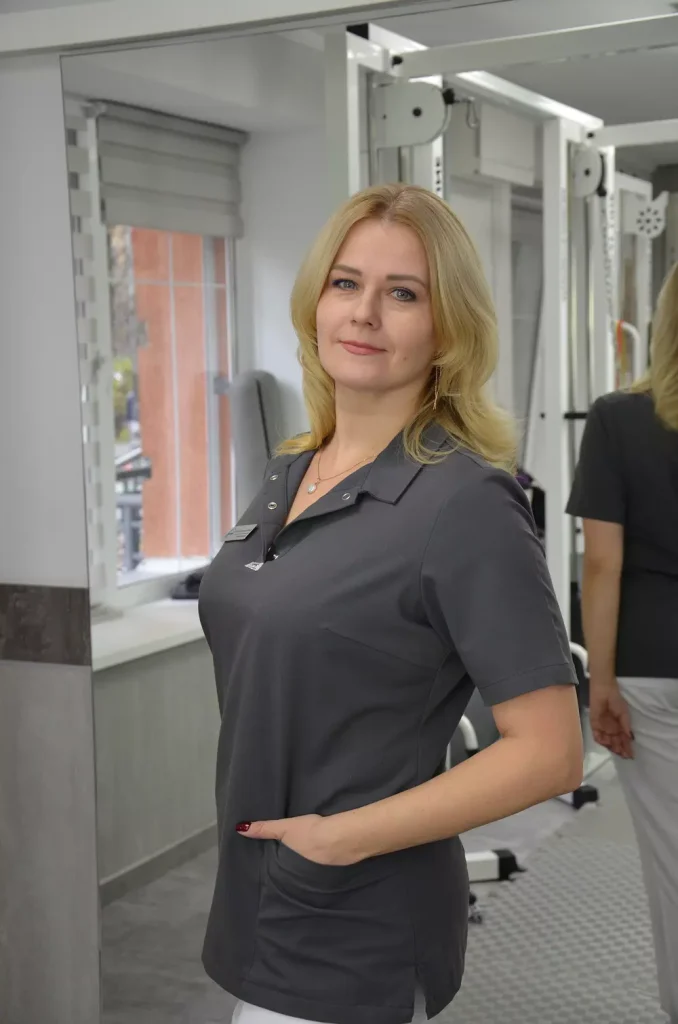
Chief physiotherapist
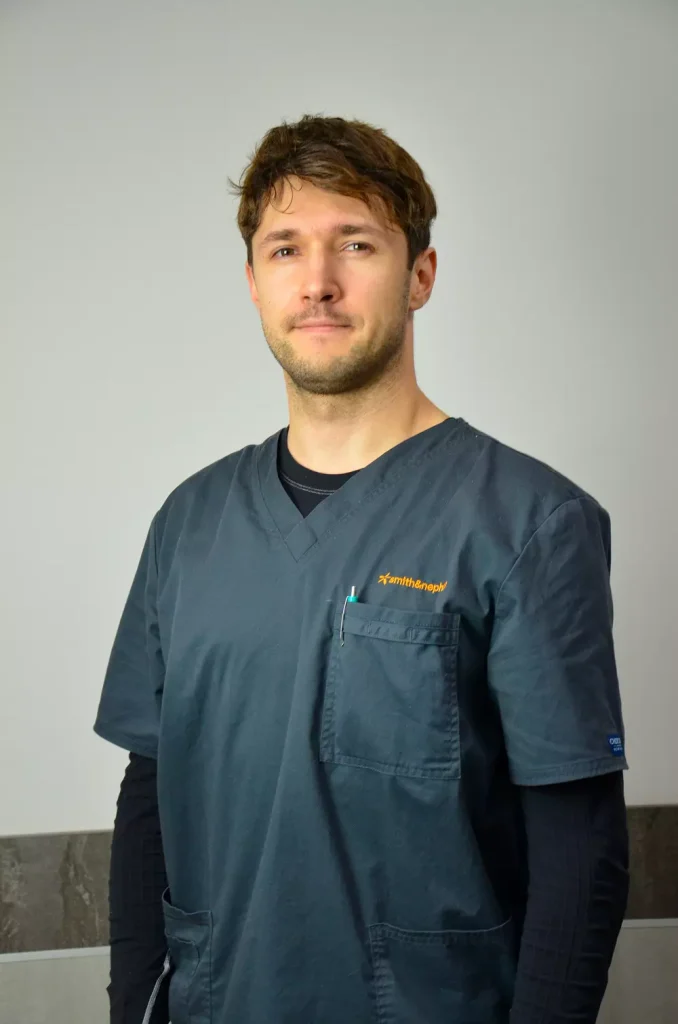
Orthopedic traumatologist
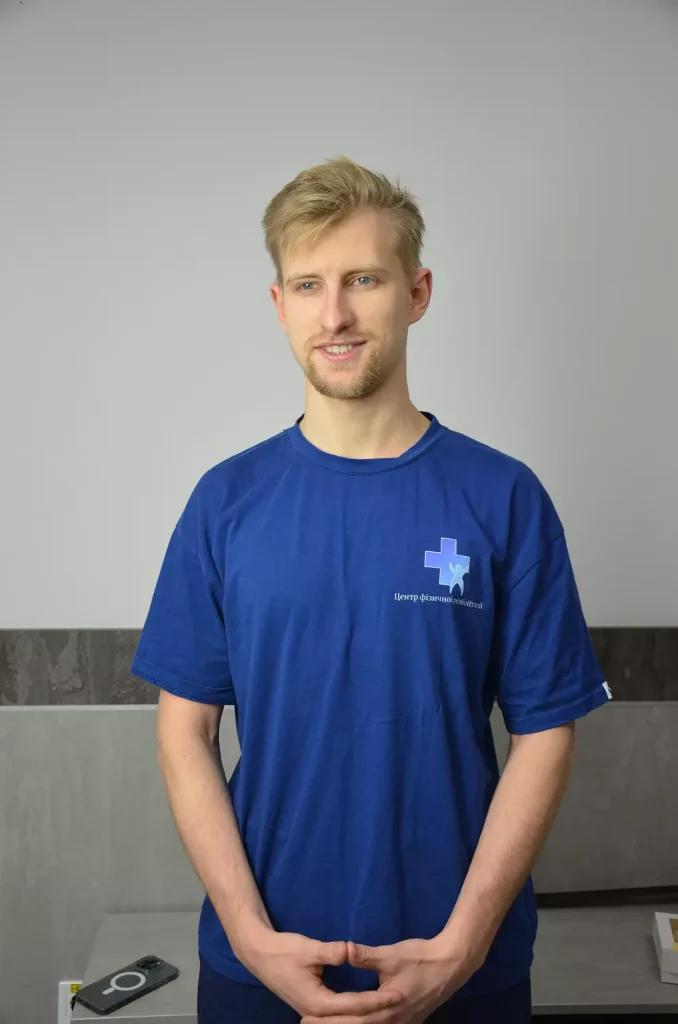
Chief rehabilitation specialist of physical therapy
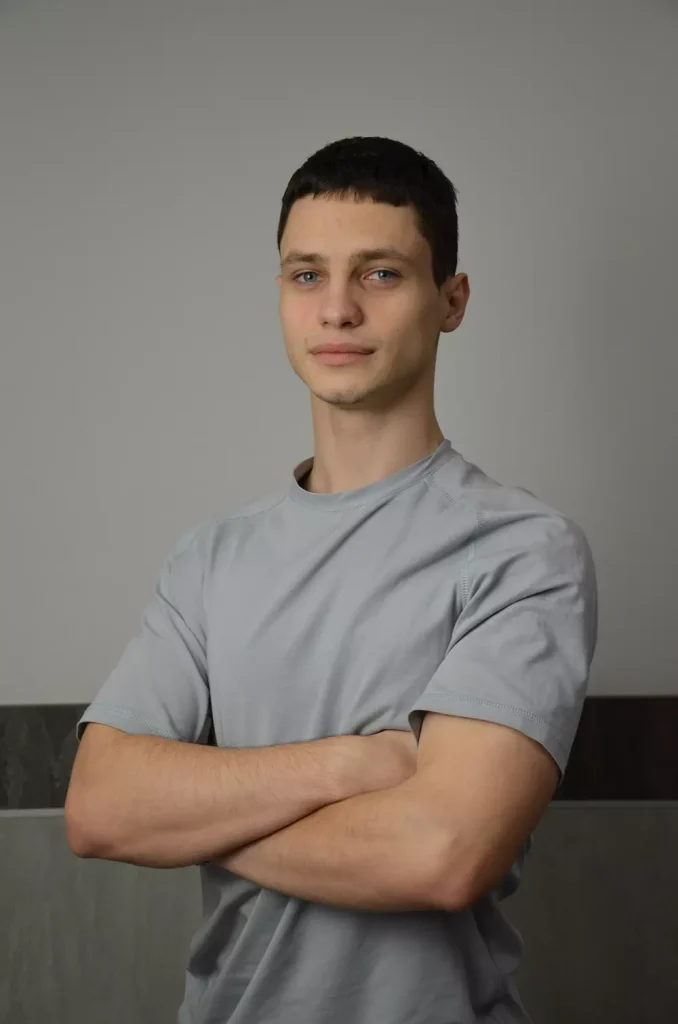
Masseur
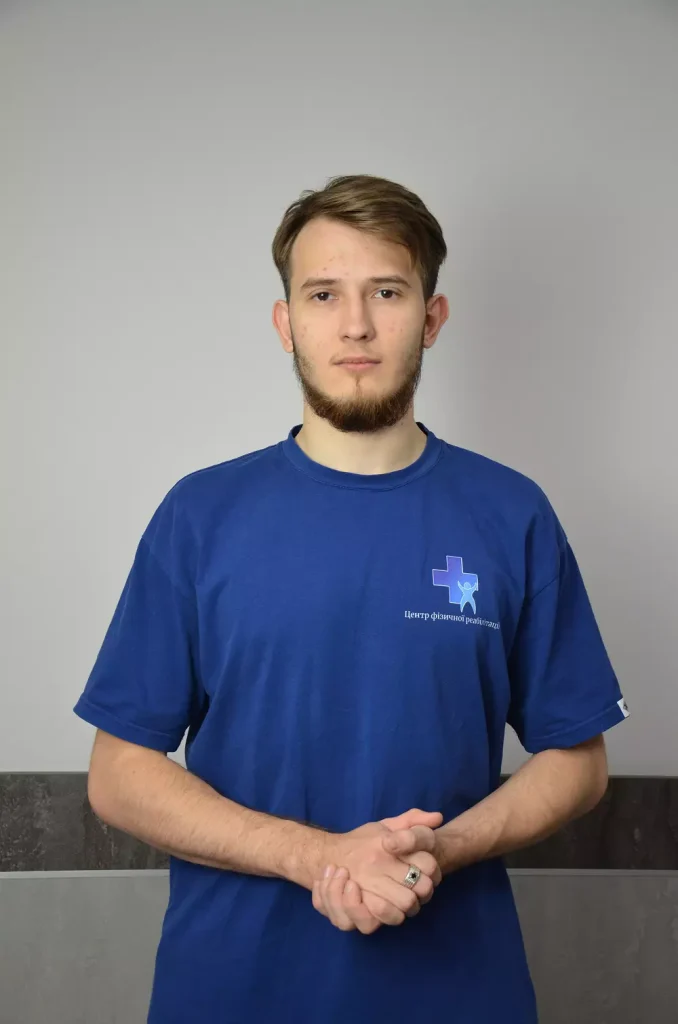
Masseur
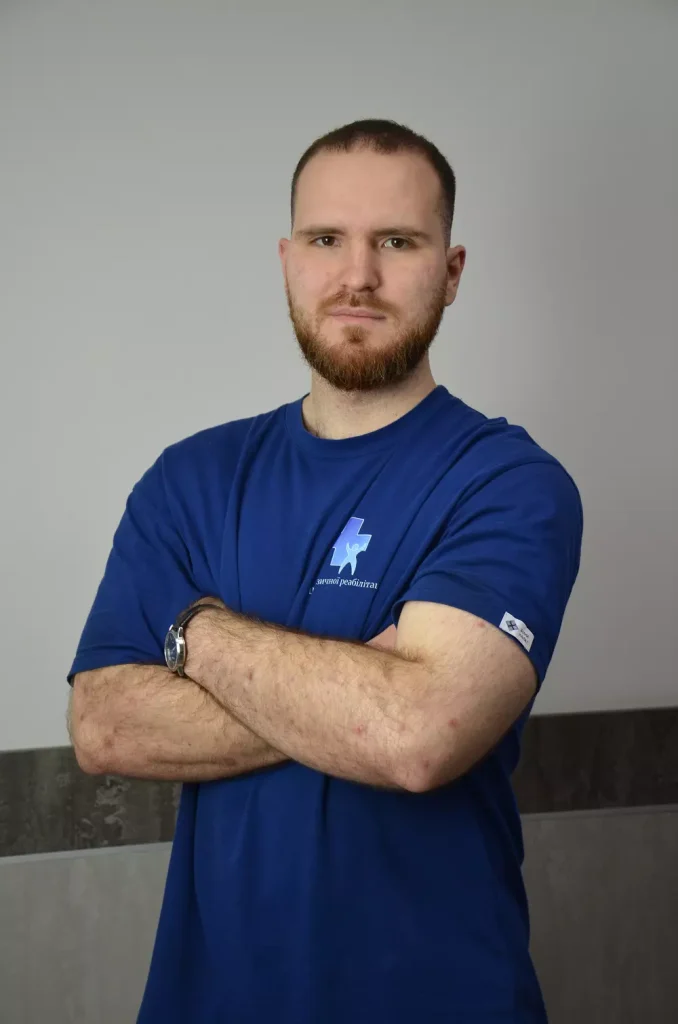
Masseur
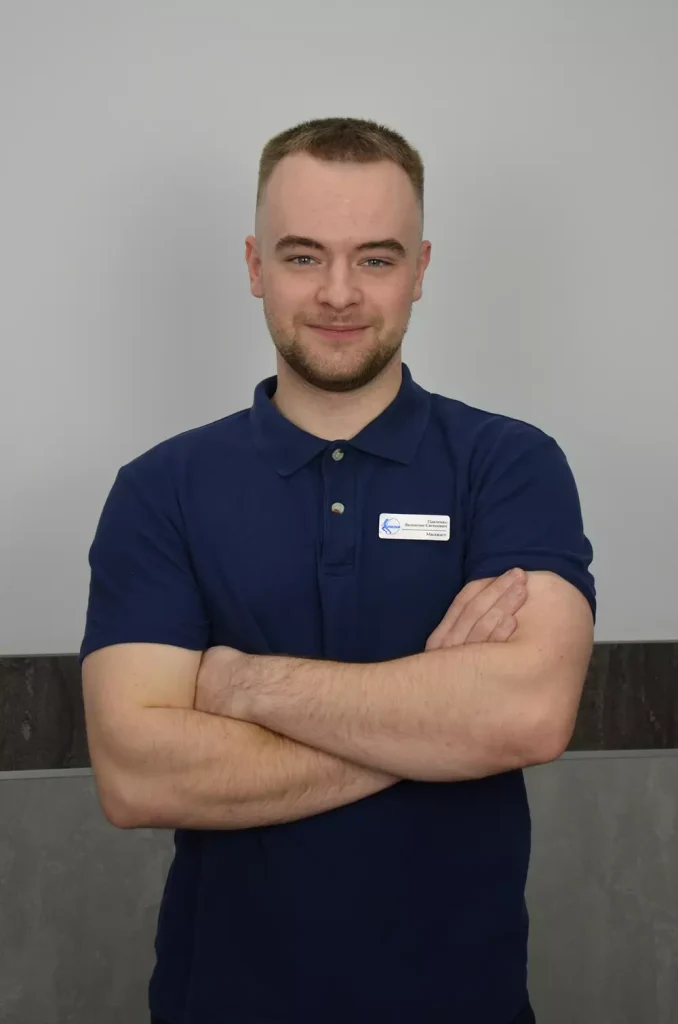
Masseur
We are grateful to everyone who has entrusted their health to us.
Your feedback is the best confirmation of the results of our work.
Share your impressions - they inspire us to become even better every day.
Leave your contacts — our specialist will contact you within 10–15 minutes to help you choose a service and answer all your questions.
We are always open for communication and ready to help you.
Call or email us to schedule a consultation or get detailed information.
Our experts will suggest the best solution for you.
Treatment of protrusion in KINEZIUM begins with an assessment of pain, spinal mobility, muscle strength, sensitivity, symptoms of irritation of nerve structures and load tolerance. Disc protrusion itself does not always explain all the pain, so it is important to evaluate not only the MRI, but also the patient's real movements: bending, turning, walking, sitting, standing and reaction to load. The program may include exercise therapy, kinesiotherapy, physiotherapy, soft manual techniques according to indications, work with posture and household movements. The main goal is to reduce discomfort, improve spinal control and gradually return activity without provoking neurological symptoms.
Treatment for a lumbar disc protrusion may be necessary if there is lower back pain, stiffness, or discomfort when sitting, bending, walking, or standing for long periods of time. Sometimes the pain radiates into the buttock, thigh, leg, or foot, which may indicate nerve root irritation. It is important not to conclude just from the word “protrusion” in the MRI description: what is clinically important is how the symptoms manifest with movement and whether there are neurological signs.
Situation | Why is an assessment needed? |
Lower back pain when sitting | It is necessary to assess the load on the spine and movement habits |
Pain when bending over | It is important to determine which movements provoke symptoms. |
Irradiation to the leg | May be a sign of nerve root irritation |
Stiffness after sleep or work | Needs work with mobility and gradual activity |
Weakness of the trunk muscles | May increase lower back strain |
Fear of movement | Safe progression of exercises and self-control training are required |
Evaluation is necessary for neck pain, restricted range of motion, muscle tension, headache, numbness in the arm, tingling in the fingers, or weakness. If symptoms worsen with computer use, driving, lifting an arm, or prolonged static posture, it is important to check not only the cervical spine but also the shoulder girdle, posture, and thoracic mobility. More concerning are progressive weakness, loss of coordination, significant numbness, or sudden deterioration after an injury. In such cases, medical evaluation is necessary before active exercise or manual techniques.
Rehabilitation for protrusion helps to reduce discomfort, restore mobility, improve spinal stabilization, and teach the patient to safely return to weight-bearing activities. Often, work begins with pain-free movements, controlled breathing, gentle mobility, and core exercises. Strength, endurance, controlled bending, lifting, sitting, and walking are then added. If there is radiating pain or numbness, the program should be even more careful, with regular symptom monitoring.
The initial evaluation for a herniated disc includes an analysis of complaints, movements, pain, sensation, strength, reflexes if necessary, previous MRI or CT scans, limitations and contraindications. The specialist clarifies which positions relieve or aggravate the symptoms, whether there is pain in the leg or arm, whether strength changes and whether the problem affects walking, sleeping or working. “Red flags” are separately assessed: progressive weakness, sensory disturbances, trauma, temperature or problems with pelvic control. This is then followed by a determination of safe exercises, acceptable exercise intensity and the need for a doctor’s consultation.
Protrusion is a protrusion of the disc without a complete rupture of the outer fibrous ring, while herniation usually means a more pronounced displacement of the disc material with potential irritation of the nerve structures. But in rehabilitation, it is not only the size of the changes on the MRI that is important, but also the symptoms: pain, irradiation, numbness, strength, gait and reaction to movement. In both conditions, the program should be individual, but in case of pronounced neurological symptoms, the pace of the load is chosen especially carefully.
Criterion | Protrusion | Spinal hernia |
Disk changes | Less pronounced protrusion | More pronounced displacement of disc material |
Symptoms | There may be pain or stiffness without neurology | More often possible irradiation, numbness, weakness |
Recovery Focus | Mobility, stabilization, load control | The same, but with greater control of neurological symptoms |
Exercise pace | Gradual | Gradual and often more cautious |
When you need a doctor | With severe pain or neurological symptoms | With progressive symptoms, weakness, impaired functions |
The program for protrusion may include exercise therapy, kinesiotherapy, physiotherapy, gentle manual techniques as indicated, work with posture, breathing and everyday movements. For lumbar protrusion, work is often done with control of inclinations, stabilization of the trunk, mobility of the hip joints and a gradual return to walking or power movements. For cervical protrusion, attention is paid to head position, shoulder girdle, mobility of the thoracic region and control of the load on the neck. Massage or physiotherapy can reduce symptoms, but an active program usually plays a key role in long-term recovery.
Before treating a protrusion, consider the presence of sudden pain, progressive numbness, weakness in an arm or leg, gait disturbance, trauma, postoperative restrictions, and other neurological symptoms. If there is loss of bladder or bowel control, numbness in the perineum, sudden onset of weakness, or bilateral leg symptoms, urgent medical evaluation is warranted. In such cases, vigorous exercise, stretching, aggressive manual techniques, or massage may be unsafe.
MedlinePlus describes typical symptoms in its article on herniated discs: leg pain, numbness, weakness, neck or arm pain depending on the level of involvement, and the need for medical evaluation if symptoms worsen: https://medlineplus.gov/ency/article/000442.htm. The Cleveland Clinic notes that cauda equina syndrome is a medical emergency that can present with back pain, weakness, and impaired pelvic control: https://my.clevelandclinic.org/health/diseases/22132-cauda-equina-syndrome. A PubMed Central review of cauda equina syndrome in lumbar disc herniation describes the combination of low back pain, bilateral sciatica, saddle anesthesia, and motor weakness as clinically significant features: https://pmc.ncbi.nlm.nih.gov/articles/PMC4771539/. Therefore, a protrusion program should begin with a neurological safety check, not with maximum load.
To sign up for a KINEZIUM protrusion assessment, you should tell us which part of your spine is bothering you, how long you have had the pain, whether you have numbness, weakness, shooting pains in your arm or leg, trauma, or previous surgeries. If you have an MRI, CT scan, X-ray, or a report from a neurologist or orthopedist, you should bring them with you for an initial consultation. The specialist will assess your movements, strength, sensitivity, pain, contraindications, and determine a safe start to the program. After that, exercises, physiotherapy, or other methods are selected within the framework of an individual plan.
Leave your contacts — our specialist will contact you within 10–15 minutes to help you choose a service and answer all your questions.