
 Skip to content
9 sessions + 1 as a gift
Rehabilitation after a hand fracture in KINEZIUM is the restoration of mobility, strength, grip, coordination and everyday function of the hand after a fracture of the shoulder, forearm, wrist, hand or fingers. After a cast, surgery, plate or prolonged immobilization, the hand often becomes weak, stiffer, swollen and less precise in movements. Rehabilitation should take into account the location of the fracture, the presence of displacement, the type of fixation, the state of fusion, pain, sensitivity, grip strength and the patient's needs in everyday life or work. In KINEZIUM, the program may include exercises for amplitude, hand strength, fine motor skills, work with the scar, physiotherapy according to indications and homework. The goal is to return the hand to real actions: holding, writing, dressing, working and performing precise movements.
A broken arm can occur after a fall, a direct blow, a sports injury, a car accident, a twisted wrist, or a household situation. Most often, people instinctively put their arm out when falling, which can cause injury to the wrist, forearm, hand, fingers, or elbow.
Reason | What can be damaged? |
Falling on an outstretched hand | Wrist, forearm, hand, elbow |
Direct hit | Bones of the hand, fingers, forearm, or shoulder |
Twisting | Displaced fracture of the hand, fingers, or forearm |
Sports injury | Hand, fingers, wrist, ligaments and tendons |
Accident or severe injury | Complex fractures, surgery, plate or pins |
Osteoporosis | A fracture can occur even after a minor injury. |
The degree of a hand fracture depends on the location, displacement, stability, treatment method, and stage of union. Rehabilitation after a finger, wrist, and shoulder fracture is different, so the program cannot be selected the same for everyone.
Type / degree | Typical manifestations | Rehabilitation logic |
Non-displaced fracture | Pain, cast or orthosis, temporary stiffness | Gradual return to movement after doctor's permission |
Displaced fracture | May require repositioning or surgery | Careful program with consideration for shots and fixation |
After the plate or spokes | There are postoperative limitations, scarring, weakness | Restoring movement, strength, and function according to the protocol |
Fracture of the hand or fingers | Impaired grip, fine motor skills, swelling | Frequent soft movements, coordination, hand strength |
Wrist or forearm fracture | Limitation of rotation, flexion, extension | Working with amplitude, grip and everyday movements |
If rehabilitation is not performed after a broken arm, stiffness, weakness of the grip, swelling, numbness, pain and difficulty with small everyday movements may remain. The arm may heal but not regain full function: it is difficult for a person to write, fasten buttons, hold a cup, work at a computer or carry objects. After surgery without recovery, scar restrictions and fear of strain may be added.
Possible consequences:
After a hand fracture, it is important to restore not only the bone, but also the function of the entire limb.
Rehabilitation after a displaced hand fracture is necessary for patients after a cast, surgery, plate, pain, swelling, stiffness, weakness of the hand or fingers. It is especially important after fractures of the wrist, hand and fingers, because even a small loss of mobility can interfere with precise actions. The program is also needed after the plate is removed, if there are scar restrictions or weakness.
Situation | When recovery is needed |
After a cast or brace | The hand is stiff, the muscles are weak, movements are painful |
After surgery or a plate | It is necessary to take into account fixation, scar and doctor's recommendations |
With a weak grip | Difficulty holding objects, writing, or working with hands |
With swelling of the hand or fingers | Movements are limited, the hand gets tired quickly |
With numbness or changes in sensitivity | Careful assessment of nervous symptoms is required |
After removing the plate | A gradual return to movement and weight bearing is required after re-operation. |
Rehabilitation after a fracture of the hand or finger helps to restore the amplitude, grip strength, fine motor skills, coordination and everyday movements. After immobilization, the fingers may not bend well, the hand weakens, and swelling interferes with precise movements. The program includes gentle exercises for flexion and extension, gradual strength, work with coordination, sensitivity and functional actions. If there was a fracture of the wrist or forearm, it is also important to restore the rotation of the forearm, flexion and extension of the hand. The main result is a hand that can again perform daily tasks.
Rehabilitation after removal of the arm plate may be necessary after re-operation if there is pain, scarring, weakness, swelling, or a need for gradual development of movement. After removal of the metal structure, the tissues again undergo a healing phase, so the load should be increased carefully. The program may include work on mobility, scarring, strength, sensitivity, and everyday movements. If the doctor has temporarily limited weight lifting or arm support, these recommendations should be followed. Return to strength loads should be gradual.
Hand rehabilitation at the KINEZIUM center in Kyiv begins with an assessment of mobility, pain, swelling, grip strength, sensitivity, doctor's recommendations and the patient's daily tasks. The specialist clarifies where the fracture was, whether there was a displacement, surgery, plate or plaster, whether union is confirmed and what movements are allowed. Next, exercises are selected for amplitude, strength, coordination, fine motor skills, working with the scar and returning to daily activities. At each stage, the hand's reaction to the load is monitored: pain, swelling, fatigue, quality of movement. A home program is important because the hand needs regular short exercises.
Hand rehabilitation after a fracture differs from regular physical therapy in that the focus is not only on pain, but also on fine motor skills, grip strength, scarring, finger range of motion, and gradual return to activity. Physical therapy may help with pain or tissue response, but without active movement and functional exercises, the hand may remain weak. Precision, repetition, and regularity are especially important for the hand and fingers.
Criterion | Rehabilitation after a broken arm | Conventional physiotherapy |
Main focus | Mobility, grip, fine motor skills, household function | Pain, tissue, ancillary procedure |
After surgery | Takes into account the plate, scar, and doctor's limitations | May be just part of the program |
Hand and fingers | Requires frequent gentle movements and coordination | Does not always restore precise household skills |
Power | Returns gradually after fusion | Without exercise, one cannot fully develop. |
Result | The hand works again in real actions | May provide symptomatic relief |
After a hand fracture, consideration should be given to incomplete union, pain, swelling, numbness, medical restrictions, early weight-bearing restrictions, scar status, instability, or signs of infection after surgery. If union is not yet confirmed, do not put any force on the hand or do any weight-bearing work. If there is increasing numbness, discoloration of the fingers, or severe swelling, medical evaluation is required.
AAOS Hand Fractures explains that a hand fracture can be caused by a fall, crush, twisting, or contact sports: orthoinfo.aaos.org. AAOS Finger Fractures describes the symptoms of a finger fracture, including swelling, tenderness, bruising, and inability to fully move the finger: orthoinfo.aaos.org. MedlinePlus explains in its article on fractures that the bone needs time to heal, and the load should be in accordance with the recommendations of a specialist: medlineplus.gov. Practical conclusion: after a broken arm, you cannot force the force until the tissues and bone are ready.
After rehabilitation in KINEZIUM, you can expect a gradual return of mobility, strength, grip, fine motor skills and everyday activities. The result depends on the location of the fracture, the presence of displacement, the operation, the duration of immobilization, swelling, pain and the regularity of home exercises. In practice, this means better holding objects, writing, working with the hand, performing everyday and work movements.
AAOS Hand Fractures describes a hand fracture as involving the bones of the fingers and palm and can occur after a fall, twist, or impact: orthoinfo.aaos.org. AAOS Finger Fractures emphasizes that with finger fractures, there may be a limitation of full finger movement: orthoinfo.aaos.org. MedlinePlus Rehabilitation describes recovery as the process of regaining the abilities needed for daily living after injury or treatment: medlineplus.gov. Practical conclusion: after a hand fracture, the main indicator of the result is not only less pain, but also the return of grip, accuracy, and everyday function.
To sign up for rehabilitation after a broken arm, you need to contact KINEZIUM and inform the location of the fracture, the date of the injury, whether there was a displacement, cast, surgery, plate or removal of the metal structure. At the first visit, it is advisable to take pictures, a doctor's statement and recommendations on movements and loads. The specialist will assess the amplitude, grip strength, swelling, sensitivity, pain and household restrictions. After that, an individual recovery program is formed. If there is sharp pain, increased swelling, numbness or signs of circulatory problems, a medical evaluation is required first.
Wellness centers
Patients were helped
Specialists
Years of experience
Our team consists of experienced rehabilitation specialists, physiotherapists, and massage therapists who help people restore their health and return to an active life every day.
We combine modern techniques, an individual approach, and sincere care for each patient.

Chief Rehabilitation Specialist
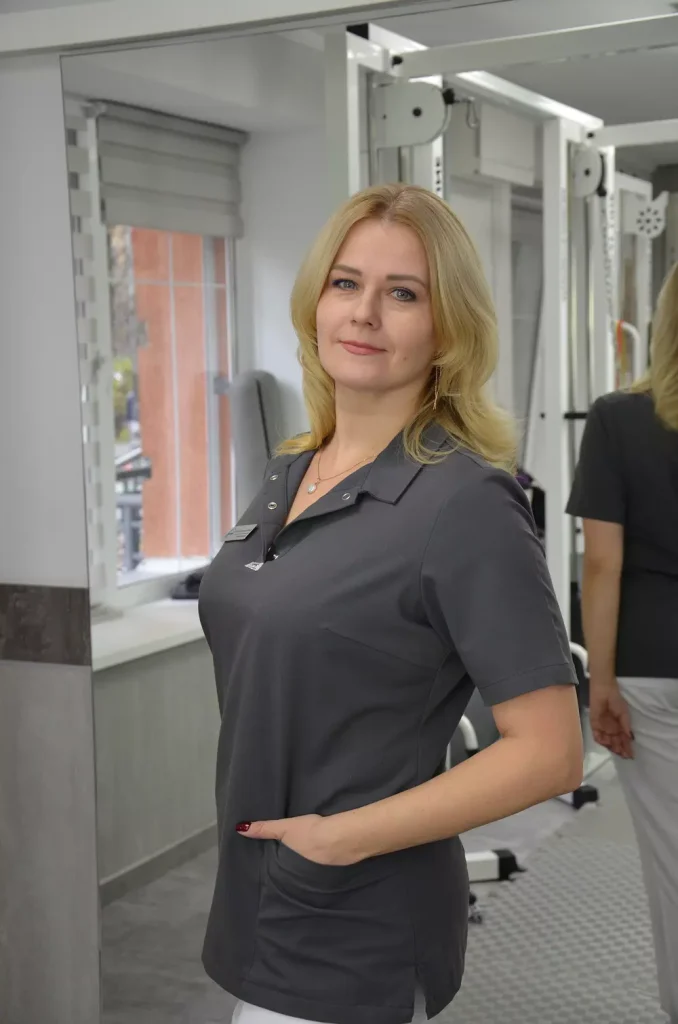
Chief physiotherapist
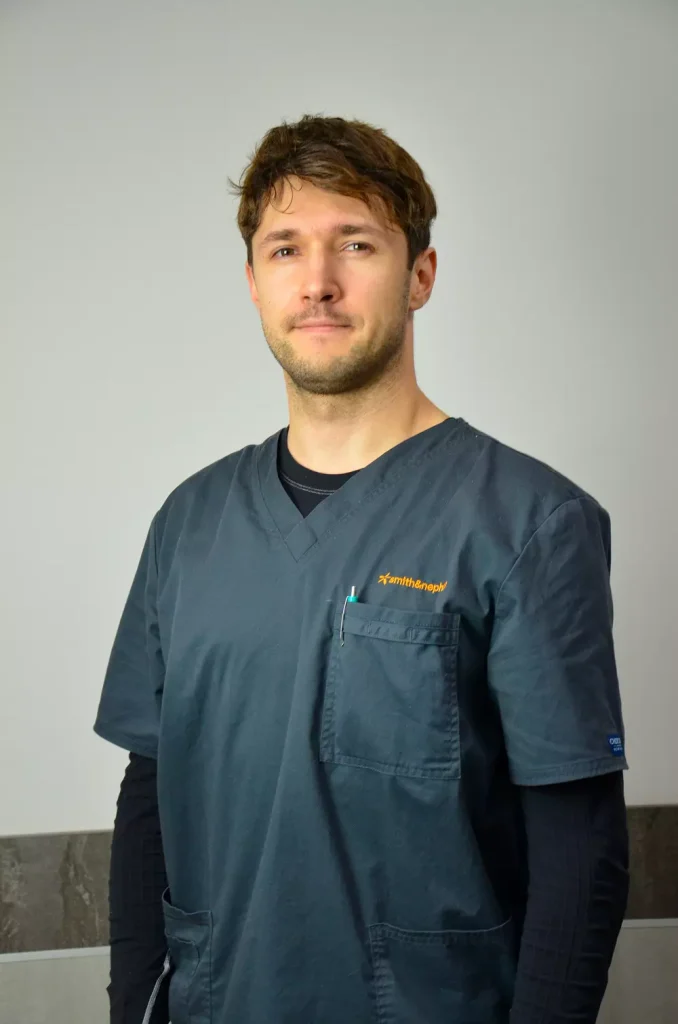
Orthopedic traumatologist
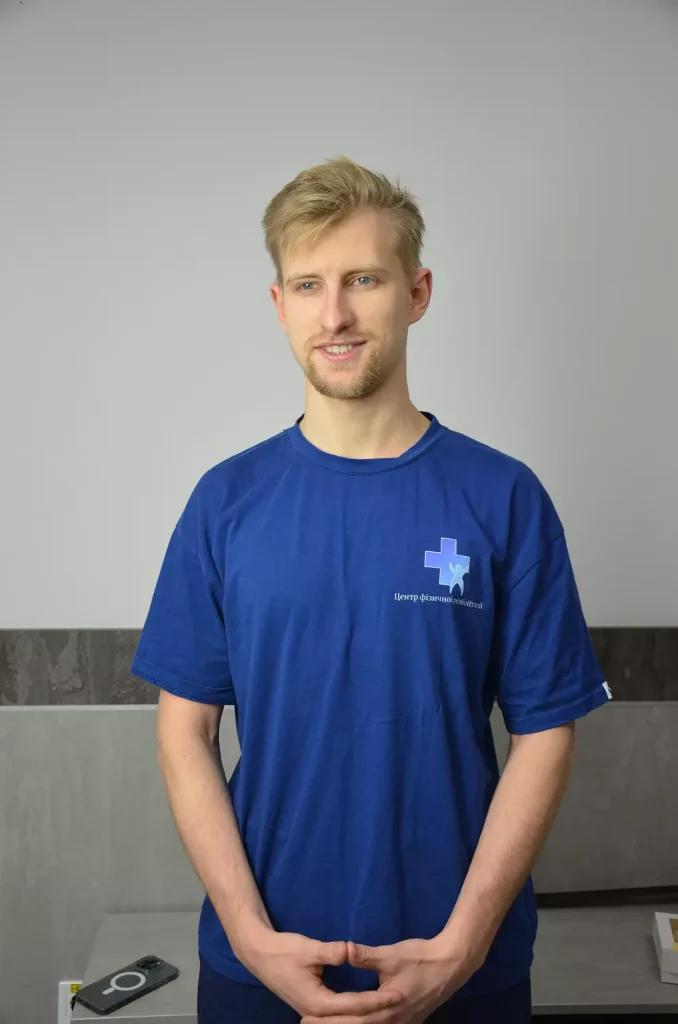
Chief rehabilitation specialist of physical therapy

Masseur
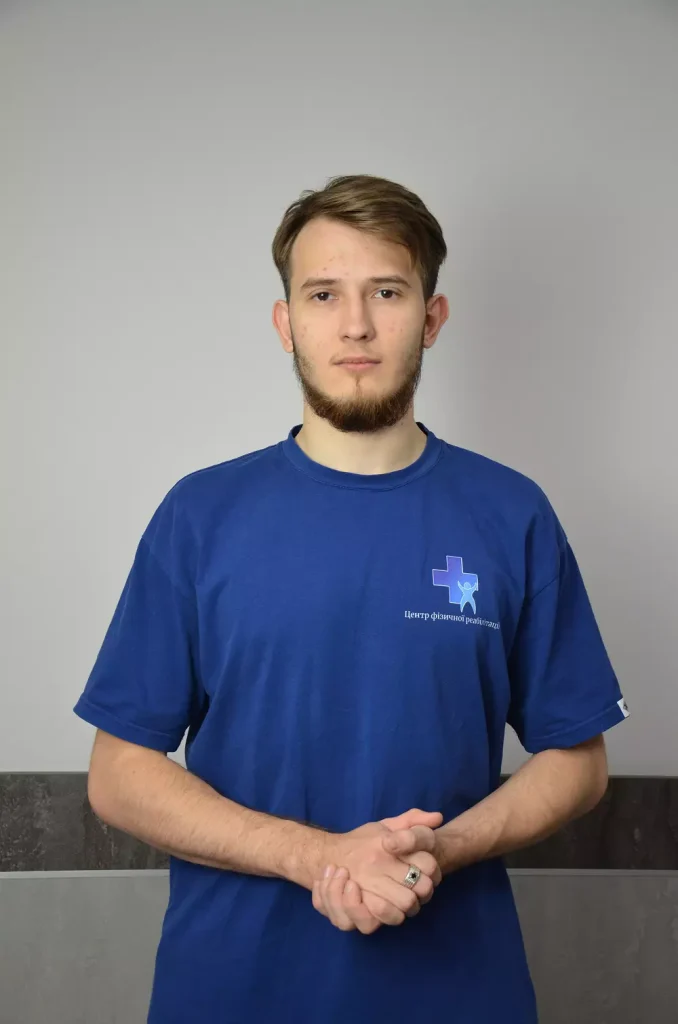
Masseur
Masseur

Masseur
We are grateful to everyone who has entrusted their health to us.
Your feedback is the best confirmation of the results of our work.
Share your impressions - they inspire us to become even better every day.
Leave your contacts — our specialist will contact you within 10–15 minutes to help you choose a service and answer all your questions.
We are always open for communication and ready to help you.
Call or email us to schedule a consultation or get detailed information.
Our experts will suggest the best solution for you.
Leave your contacts — our specialist will contact you within 10–15 minutes to help you choose a service and answer all your questions.