wellness centers
patients were helped
specialists
years of experience
Rehabilitation after a foot fracture in KINEZIUM is the restoration of support, mobility of the foot, strength, balance and gait after a fracture or surgery. The foot consists of many small bones and joints, so after a cast, a ban on support or surgery, swelling, stiffness, pain when walking, muscle weakness and fear of stepping often remain. The program depends on which bone is broken, whether there was a displacement, whether there is fixation, whether support is allowed and how the foot reacts to the load. In KINEZIUM, recovery may include exercises for the fingers, foot and ankle, gradual support, foot roll training, balance, strengthening and home recommendations. The goal is to return the foot to walking and everyday activity without premature overload.
A foot fracture can occur after a fall, tripping, being hit by a heavy object, a sports injury, a car accident, or repeated overuse. Because of the complex structure of the foot, even a small fracture can affect gait, support, and balance.
Reason | What can be damaged? |
Foot inversion | Metatarsal bones, bones, ligaments, joints of the foot |
Fall or impact | Toes, metatarsals, calcaneus or other bones of the foot |
Sports load | Stress fractures of the metatarsal bones, pain when running or jumping |
Accident or severe injury | Complex fractures, dislocations, need for surgery |
Falling an object on the foot | Local fracture of the fingers or metatarsal bones |
Osteoporosis or bone weakness | Fracture is possible with less load |
The severity of a foot fracture depends on the location, displacement, number of bones injured, joint involvement, type of treatment, and permitted support. Rehabilitation after a fractured toe, metatarsal, or complex midfoot fracture will vary.
Type / degree | Typical manifestations | Rehabilitation logic |
Toe fracture | Pain, swelling, difficulty wearing shoes | Gradual mobility, edema control, return of gait |
Metatarsal fracture | Pain when standing, difficulty or restriction of walking | Dosed support, mobility of fingers and ankle |
Stress fracture | Pain increases with repeated exertion | Unloading, gradual return to activity |
Displaced fracture | May require surgery or fixation | Recovery according to the images and recommendations of a traumatologist |
After surgery | Scar, fixation, postoperative restrictions | Progressive support, strength, balance and gait control |
If rehabilitation is not performed after a foot fracture, pain when walking, limited mobility of the toes and ankle, swelling, weakness of the foot, and abnormal rolling may remain. The patient may avoid supporting the injured area, which changes the gait and overloads the knee, pelvis, or lower back. If you return to long walks, running, or jumping too soon, the pain and swelling may increase.
Possible consequences:
After a foot fracture, it is important to restore not only the fusion, but also the quality of support during each step.
Rehabilitation after a foot fracture is necessary for patients after a cast, surgery, pain, swelling, weight-bearing restriction, foot stiffness, and gait changes. It is especially important if, after the doctor has cleared the patient to walk, the patient still limps or cannot roll the foot normally. The program is also necessary for athletes and active people after stress fractures or metatarsal injuries.
Situation | When is a program needed? |
After a cast or brace | The foot is stiff, the muscles are weak, the gait is altered |
After surgery | It is necessary to take into account fixation, scar and permissible resistance |
For foot swelling | Shoes and walking cause discomfort |
With pain when supporting | Load dosing and step control are required. |
With stiffness of the fingers | Difficulty rolling the foot while walking |
To return to sports | Balance, strength, and a gradual return to running or jumping are required. |
Restoring the foot after a fracture helps to restore support, mobility of the toes and ankle, strength of the foot muscles, balance and confident gait. At an early stage, it is important to control pain and swelling, as well as not to exceed the permitted level of support. Then exercises are added for the toes, arches of the foot, calf muscles and ankle. Separately, foot roll, balance and the transition to regular shoes are practiced. If the fracture was stressful, it is important to gradually return the load and look for the causes of overload.
The program after a foot fracture includes pain and swelling control, gradual support, movement development, foot strengthening, balance and gait training. The timing depends on the location of the fracture, union, surgery and the recommendations of the traumatologist.
Stage | What do they do? | Why is this needed? |
1. Checking the restrictions | Images, extract, permitted support, fracture type | Do not overload the foot prematurely. |
2. Pain and swelling control | Dosed movements, positioning, physiotherapy as indicated | Improve mobility and shoe tolerability |
3. Foot mobility | Toes, ankle, small joints of the foot | Reduce stiffness after immobilization |
4. Gradual support | Transitioning from crutches or orthosis to more weight on the foot | Restore trust to the step |
5. Strengthening | Foot muscles, calf, thigh, balance | Restore control of the lower limb |
6. Gait training | Foot roll, stairs, longer gait | Return the foot to everyday activities |
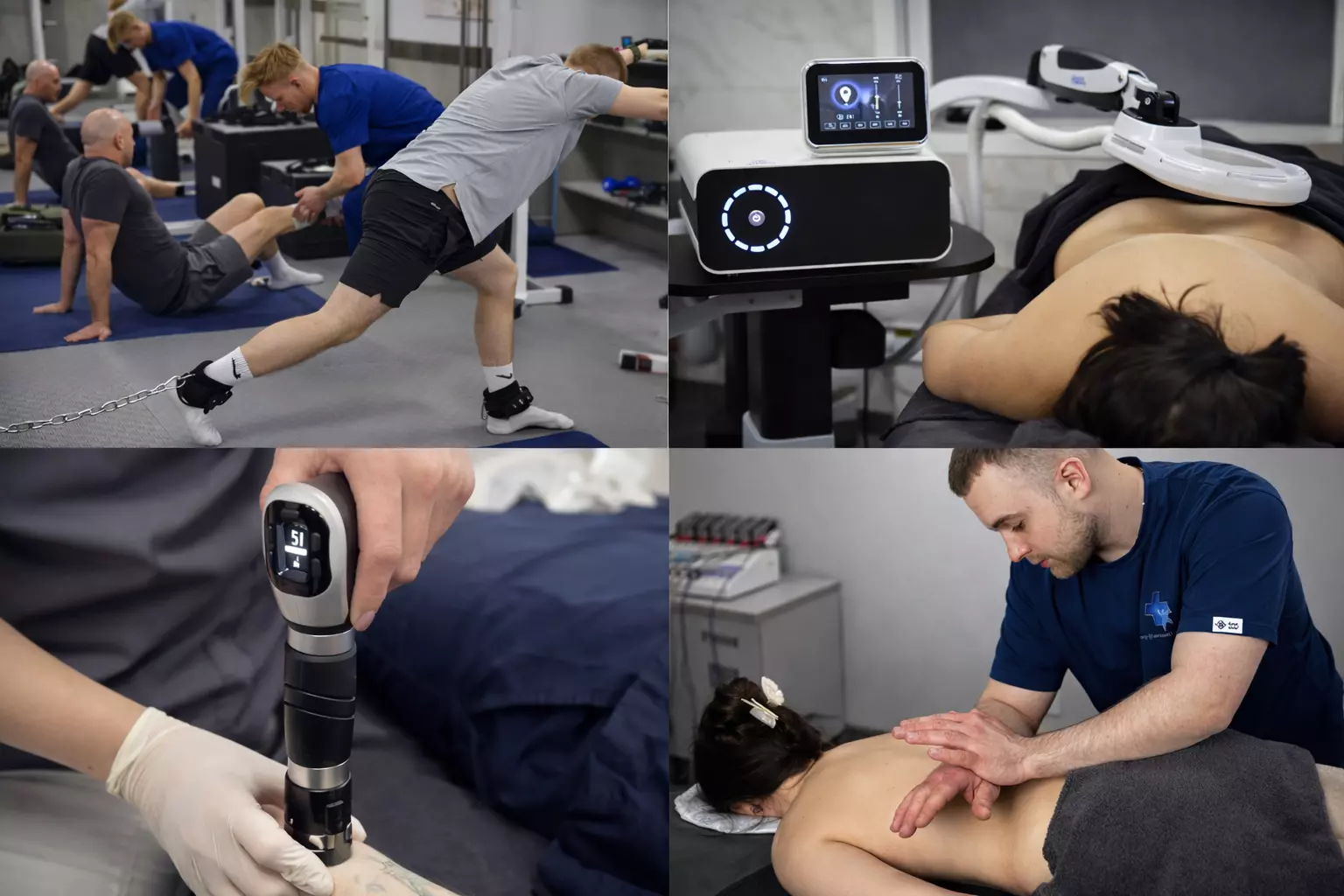
Foot rehabilitation at the KINEZIUM center in Kyiv begins with an analysis of the images and doctor's recommendations, assessment of support, pain, foot mobility, swelling, balance and gait. The specialist clarifies which bone was broken, whether there was an operation, whether support is allowed and what movements are limited. Next, exercises are selected for the fingers, foot, ankle, calf muscles, balance and gradual return to walking. The load is increased according to the reaction of the foot, without sudden pain and swelling. A home program helps to regularly restore mobility and strength.
Rehabilitation after a foot fracture differs from ankle rehabilitation in that it focuses on the small joints of the foot, toes, support, balance, footwear, and gradual return to gait. Ankle injuries often focus on ligaments, stability, and range of motion, while foot fractures focus on the ability to properly bear weight on the foot. Both conditions require strength, balance, and gait control.
Criterion | Foot fracture | Ankle injury |
Main focus | Foot bones, toes, roll, support | Joint, ligaments, stability, amplitude |
Risk | Pain when supporting, stiffness of fingers, incorrect roll | Instability, re-injury, movement restriction |
Footwear | It matters for comfort and load distribution. | Also important, but the focus is more on stability |
Balance | Restores foot control as a support | Restores ankle stability |
The return of sports | Gradual support, running, jumping after fusion | Returning after stability and strength |
After a foot fracture, it is necessary to take into account incomplete union, pain, swelling, prohibition of early support, risk of re-injury and recommendations of a traumatologist. If the doctor has allowed only partial support or walking in an orthosis, you cannot independently proceed to full load. Also, you should not return to running, jumping, long walks or uncomfortable shoes too early.
The AAOS Foot and Ankle Conditioning Program explains that after foot and ankle injury or surgery, exercises help you return to daily activities and a more active lifestyle: https://orthoinfo.aaos.org/en/recovery/foot-and-ankle-conditioning-program/. MedlinePlus explains in its article on fractures that a broken bone requires medical attention and time to heal: https://medlineplus.gov/fractures.html. The Cleveland Clinic describes in its article on foot fracture that foot fractures can occur due to trauma or repetitive stress, and treatment depends on the type of fracture: https://my.clevelandclinic.org/health/diseases/22356-foot-fracture. Practical conclusion: after a foot fracture, it is important to gradually regain support and not ignore pain or swelling.
After rehabilitation in KINEZIUM, you can expect a gradual return of support, gait, foot mobility, strength, balance and everyday activity. The result depends on the location of the fracture, the type of treatment, the duration of immobilization, swelling, pain, regularity of exercises and the correct dosage of the load. In practical life, this means a smoother step, better foot roll, less fear of load and a gradual return to a longer gait.
The AAOS Foot and Ankle Conditioning Program describes exercises to restore strength and mobility after foot and ankle injuries or surgeries: https://orthoinfo.aaos.org/en/recovery/foot-and-ankle-conditioning-program/. MedlinePlus Rehabilitation explains that rehabilitation helps regain the abilities needed for daily living: https://medlineplus.gov/rehabilitation.html. The Cleveland Clinic, in its article on foot fracture, emphasizes that healing times and treatment depend on the type of fracture: https://my.clevelandclinic.org/health/diseases/22356-foot-fracture. Practical conclusion: the result after a foot fracture is not only union, but also comfortable support, rolling, and balance.
To sign up for rehabilitation after a foot fracture, you need to contact KINEZIUM and inform the date of the injury, the location of the fracture, the type of treatment, the presence of a cast, orthosis or surgery, as well as the permitted level of support. It is advisable to take pictures, a statement and recommendations from a traumatologist on the first visit. The specialist will assess the support, pain, swelling, mobility of the foot, strength, balance and gait. After that, an individual recovery program is formed. If there is sharp pain, increasing swelling, redness or inability to support, a medical evaluation is required first.
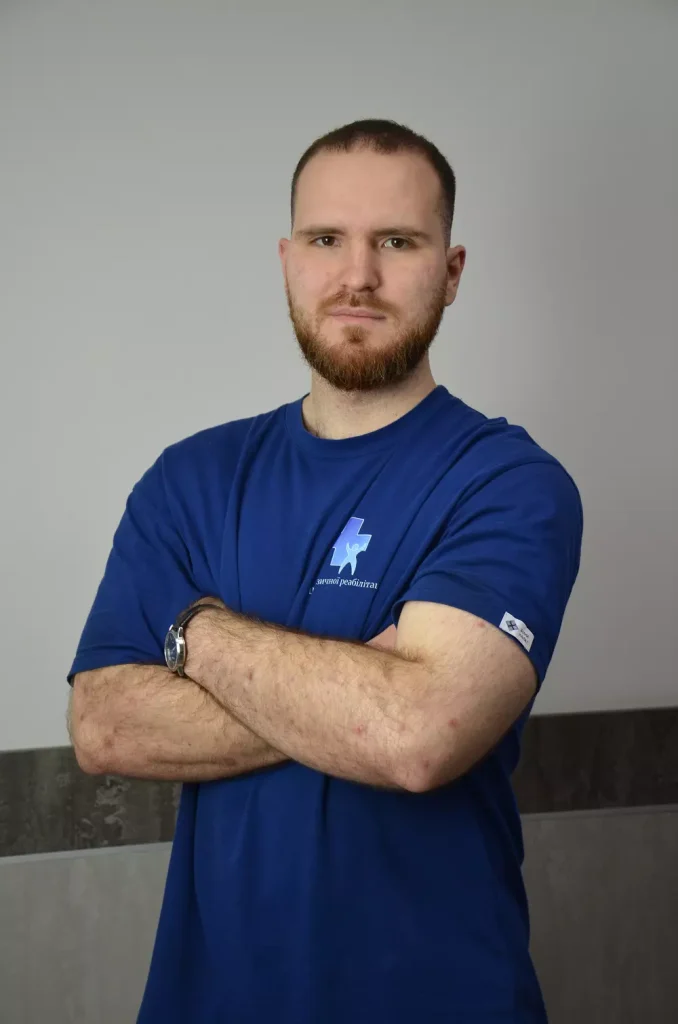
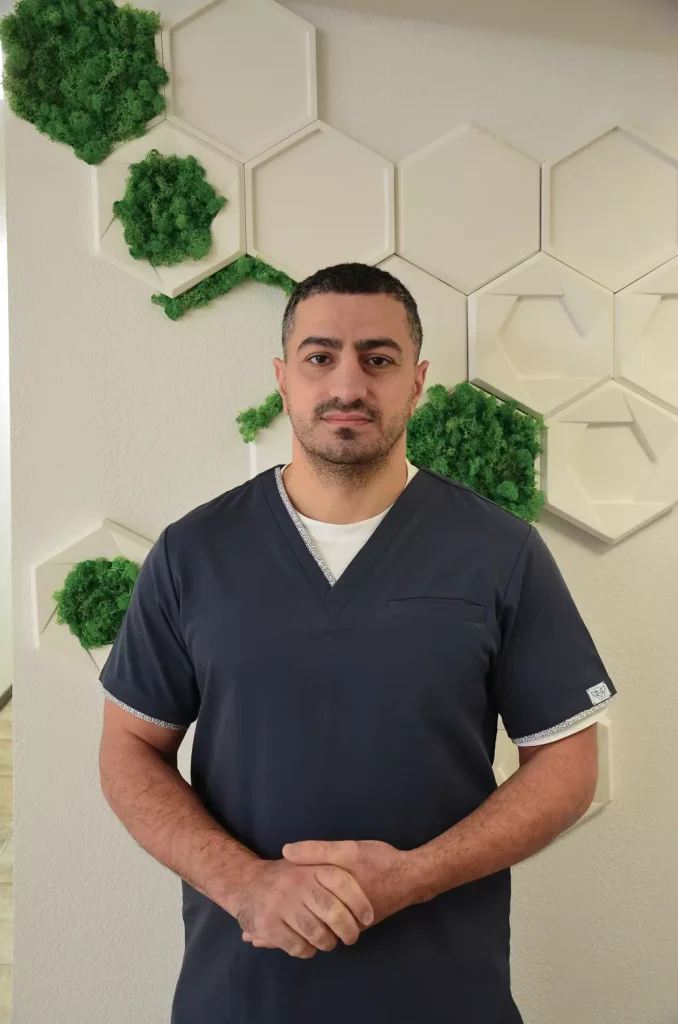
Our team consists of experienced rehabilitation specialists, physiotherapists, and massage therapists who help people restore their health and return to an active life every day.
We combine modern techniques, an individual approach, and sincere care for each patient.

Chief Rehabilitation Specialist

Chief physiotherapist
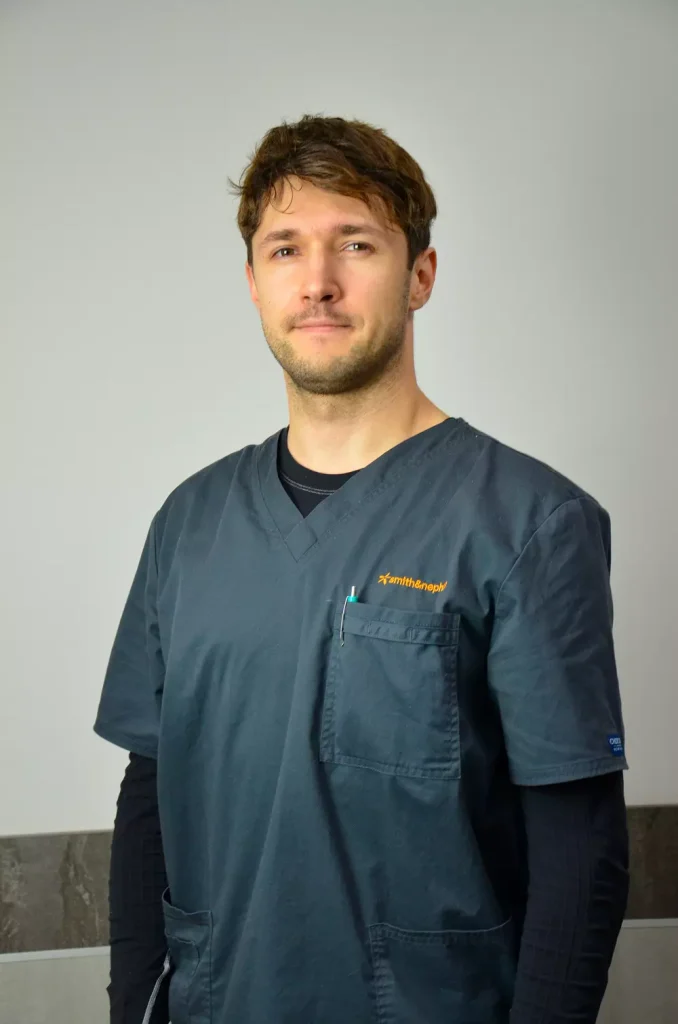
Orthopedic traumatologist
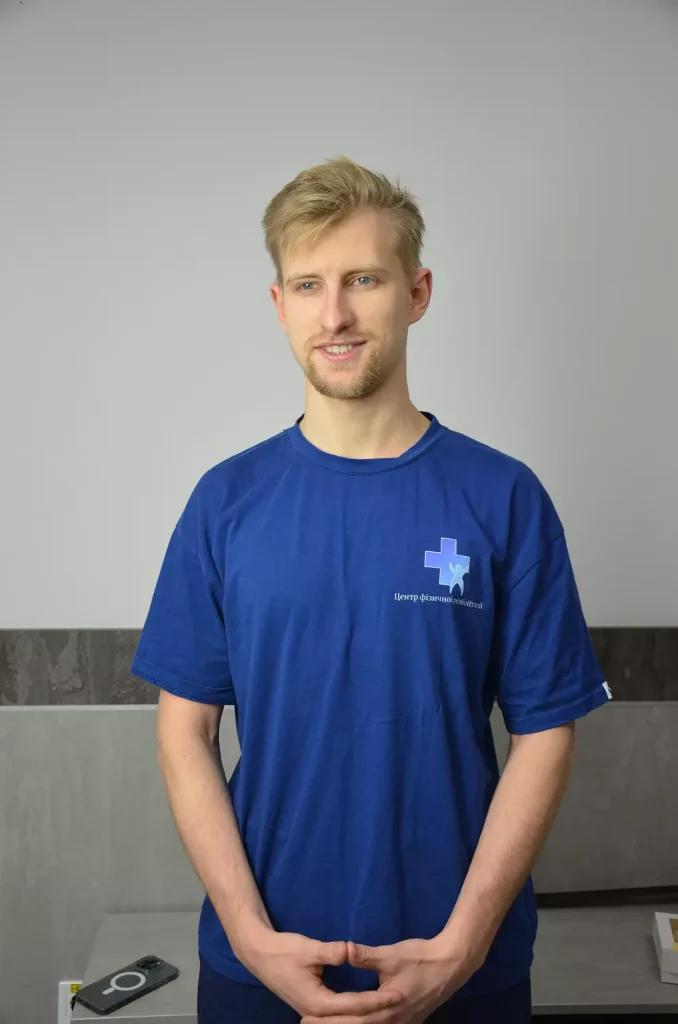
Chief rehabilitation specialist of physical therapy

Rehabilitation specialist
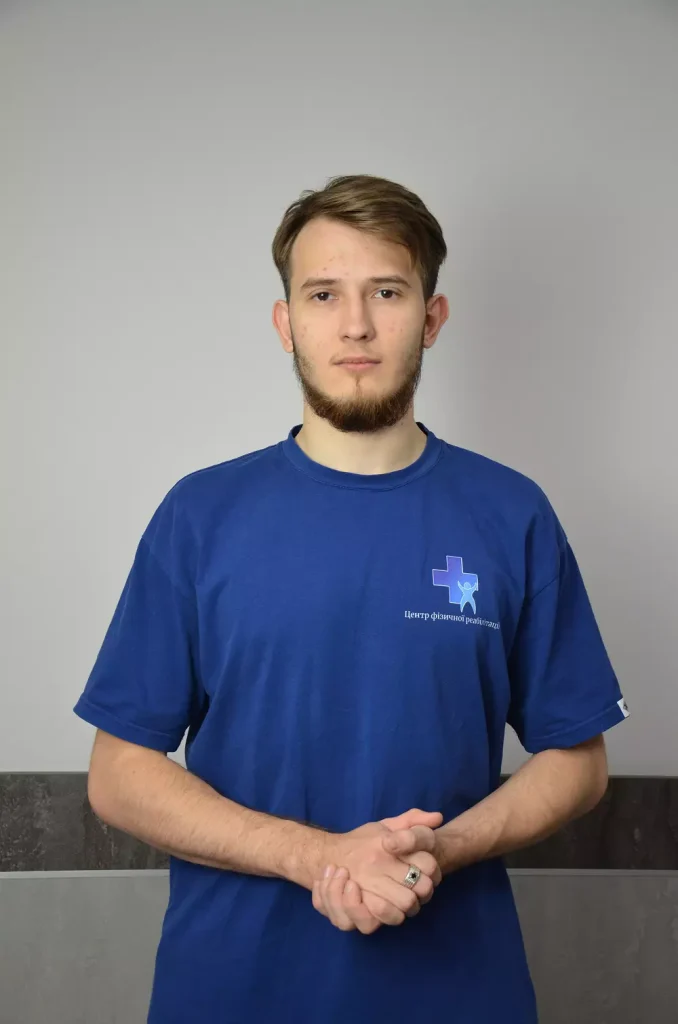
Rehabilitation specialist
Masseur

Masseur
Founder of the center
Chief Rehabilitation Specialist
Chief physiotherapist
Orthopedic traumatologist
Chief rehabilitation specialist of physical therapy
Masseur
Masseur
Masseur

Leave your contacts — our specialist will contact you within 10–15 minutes to help you choose a service and answer all your questions.
Leave your contacts — our specialist will contact you within 10–15 minutes to help you choose a service and answer all your questions.