
 Skip to content
9 sessions + 1 as a gift
Rehabilitation after joint replacement surgery — is a key stage on the way to full restoration of mobility and return to an active life. Even a successfully performed operation requires a properly structured recovery program to prevent complications and achieve a stable result.
prolonged immobilization
fear of movement after surgery
muscle weakness and coordination impairment
lack of an individual recovery plan
We work in stages and safely, taking into account the type of endoprosthesis and the doctor's recommendations:
Apparatus physiotherapy — reduces pain, swelling and accelerates tissue healing
Physical therapy (physical therapy) — gradually restores mobility, strength and endurance
Teaching correct gait and everyday movements — reduces the load on the joint
Therapeutic massage — improves blood circulation, reduces muscle tension
Individual rehabilitation program — adapted to the stage of recovery and physical condition of the patient
💡 Rehabilitation result — confident movements without pain, stable joint function, return to daily activities and improved quality of life.
Wellness centers
Patients were helped
Specialists
Years of experience
Our team consists of experienced rehabilitation specialists, physiotherapists, and massage therapists who help people restore their health and return to an active life every day.
We combine modern techniques, an individual approach, and sincere care for each patient.

Chief Rehabilitation Specialist
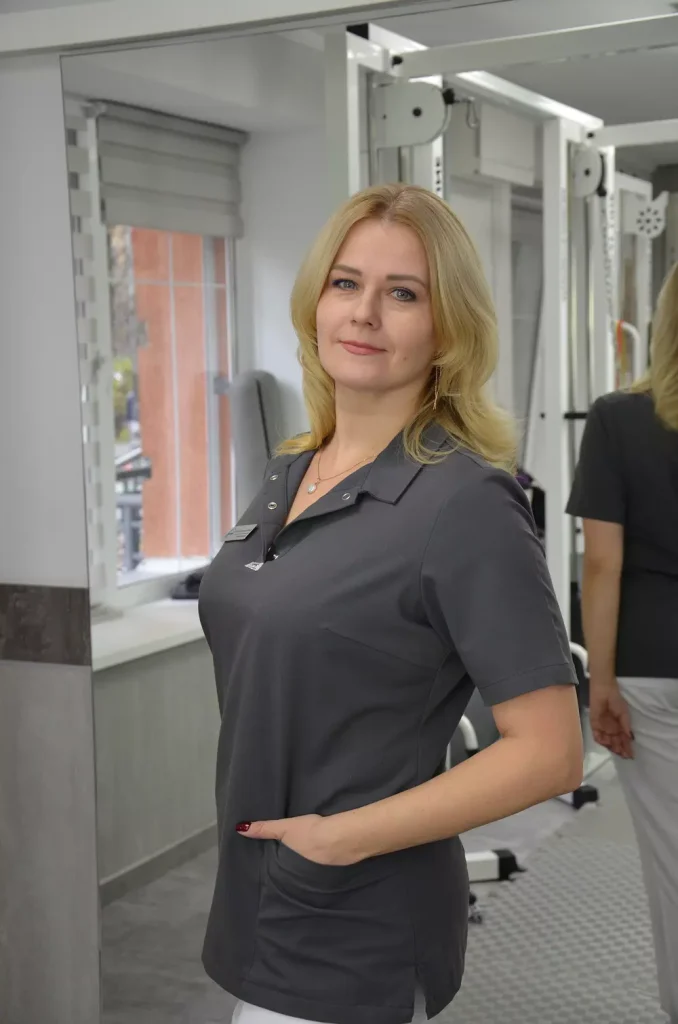
Chief physiotherapist
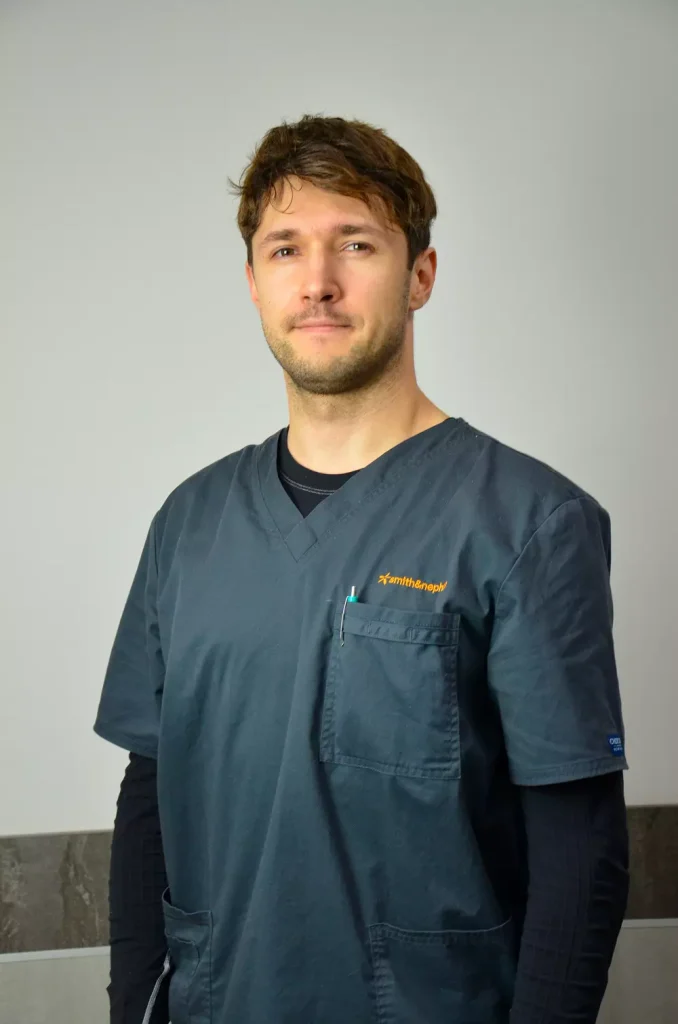
Orthopedic traumatologist
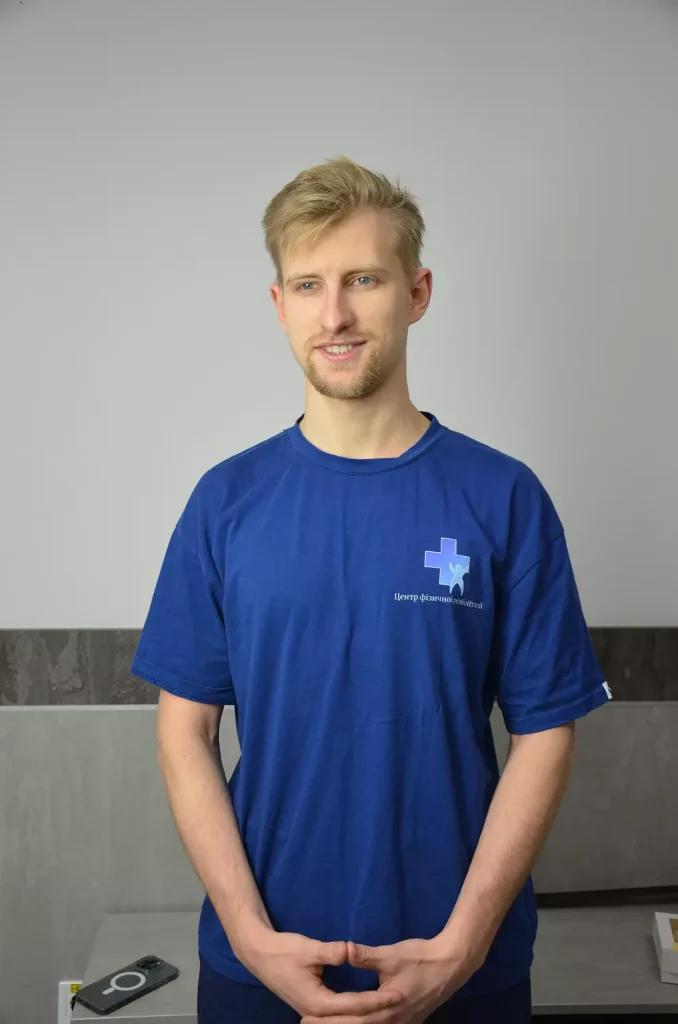
Chief rehabilitation specialist of physical therapy

Masseur
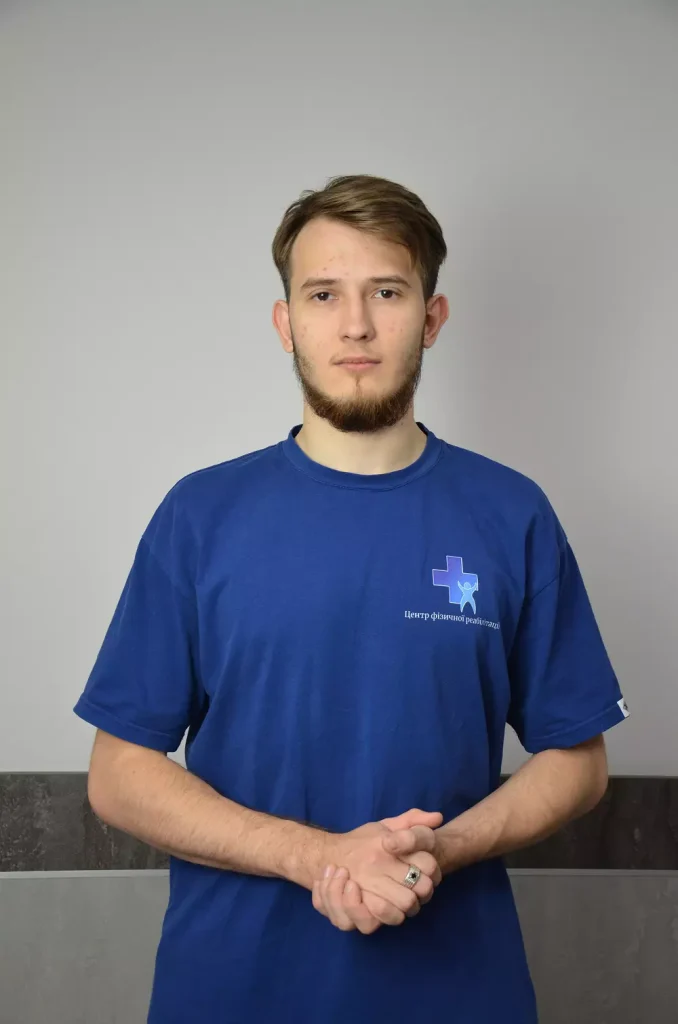
Masseur
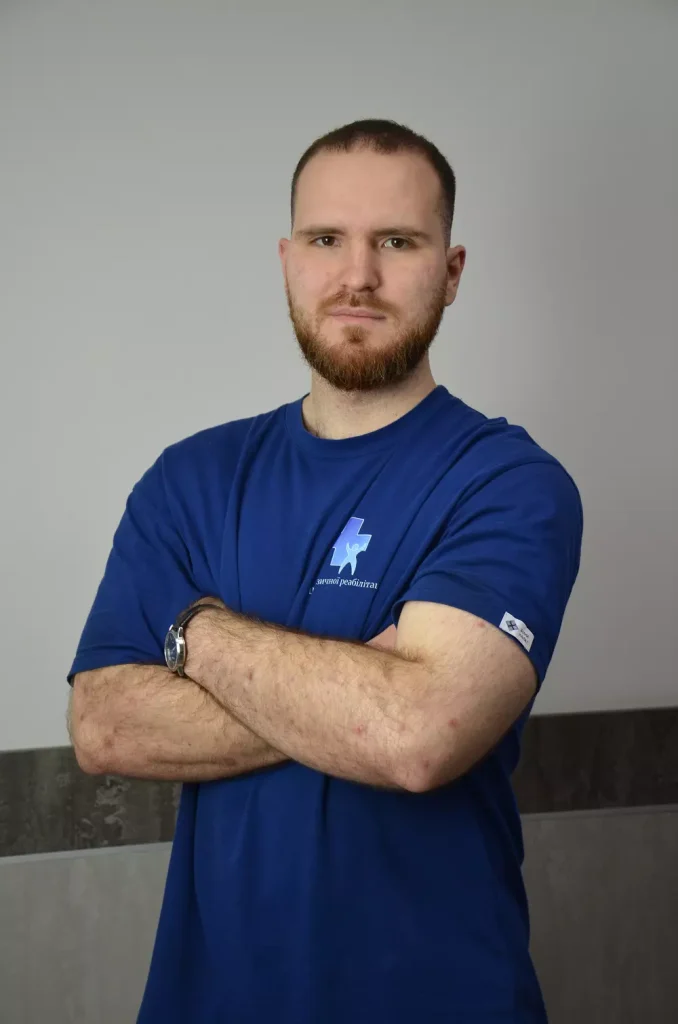
Masseur

Masseur
We are grateful to everyone who has entrusted their health to us.
Your feedback is the best confirmation of the results of our work.
Share your impressions - they inspire us to become even better every day.
Leave your contacts — our specialist will contact you within 10–15 minutes to help you choose a service and answer all your questions.
We are always open for communication and ready to help you.
Call or email us to schedule a consultation or get detailed information.
Our experts will suggest the best solution for you.
Rehabilitation after arthroplasty at KINEZIUM includes gradual recovery after joint replacement: pain control, gait, strength, range of motion, balance and everyday activities. After surgery, it is important not to just “go away”, but to follow the surgeon’s restrictions, correctly dose the support and learn safe movements in everyday life. The program may include exercise therapy, gait training, strength and balance exercises, physiotherapy as indicated, home recommendations and progress monitoring. The pace of recovery depends on the type of joint, surgical access, age, concomitant diseases and postoperative protocol.
Rehabilitation after hip replacement is necessary for patients after surgery, especially if there is pain, weakness, limited walking, fear of exertion, or difficulties in everyday life. After joint replacement, a person must relearn how to stand up, walk, sit down, use stairs, and gradually regain muscle strength. Even if the surgery went well, uncontrolled exertion or violation of safety rules can increase the risk of complications.
Situation | How does rehabilitation help? |
After hip replacement | Teaches safe walking, support, standing, and everyday movements |
Pain after surgery | Helps dose activity and control tissue response |
Muscle weakness | Gradually restores strength to the gluteal, thigh and stabilizing muscles |
Fear of stepping on someone's foot | Restores confidence through controlled progression of support |
Difficulty with stairs | Trains climbing and descending techniques taking into account limitations |
The need for a home program | Provides exercises and rules for safe activity between classes |
Rehabilitation after hip replacement is required as soon as the condition is stabilized and the surgeon gives permission. In the early stages, the emphasis is on safe mobilization, prevention of complications, breathing, foot movements, standing, walking with support, and household rules. Then, exercises for strength, balance, gait control, amplitude, and endurance are gradually added. It is important to follow the rules given by the surgeon: allowed support, prohibited joint positions, use of crutches or a walker, and timing of increased activity.
Rehabilitation after knee replacement helps to restore flexion, extension, quadriceps strength, stability, gait, balance, and stair climbing skills. After surgery, the knee often responds with pain, swelling, and stiffness, so exercises should be regular but controlled. It is especially important to work on full knee extension, gradual flexion, hip muscle activation, and proper gait. The program may also include physical therapy as indicated, swelling control, and homework.
The initial assessment after hip replacement surgery begins with an analysis of the discharge, type of prosthesis, surgical approach, surgeon's recommendations, and permitted load. The specialist clarifies pain, swelling, scar condition, gait, use of crutches or walkers, muscle strength, range of motion, and everyday difficulties. Signs of possible complications are also checked: severe swelling, redness, fever, calf pain, shortness of breath, or a sharp deterioration in well-being. After the assessment, a safe program is formed with a clear dosage of load.
Recovery after hip replacement is more about safety for the new joint, postural control, gait, and pelvic and hip muscle function. After knee replacement, the main emphasis is often on extension, flexion, swelling control, quadriceps strength, and gradual return to stair climbing. Both require exercise therapy, gait training, and adherence to the surgeon's protocol, but the specific limitations are different.
Criterion | Hip joint | Knee joint |
Main emphasis | Safe positions, support, gait, pelvic stability | Flexion, extension, quadriceps strength, edema control |
Household rules | Caution with sitting, leaning, crossing legs according to protocol | Control of leg position, gradual bending, working with stairs |
Gait training | Step symmetry and foot control are important. | Full extension and weight bearing are important |
Risks | Dislocation, fall, traffic violation | Swelling, stiffness, extension deficit, weakness |
Progression | From safe mobility to strength and balance | From amplitude to strength, gait and functional skills |
The program after arthroplasty may include exercise therapy, gait training, strength and balance exercises, physiotherapy as indicated, edema control, scar work after doctor's permission, and home recommendations. In the early stages, foot exercises, muscle activation, safe standing, walking with support, and fall prevention are important. In the later stages, strength, stability, stairs, endurance, and household movements are added. All exercises should follow the surgeon's protocol, not a general video complex.
After joint replacement, postoperative contraindications, risk of thrombosis, signs of infection, pain, swelling, instability, limitation of support, and the need to follow the surgeon's protocol should be considered. If there is severe joint pain, redness, wound discharge, fever, increasing swelling, calf pain, shortness of breath, or chest pain, medical evaluation is required. Rehabilitation should not violate the rules established after a specific operation.
MedlinePlus, in its recommendations after hip replacement, notes that in the early stages of recovery, pain is best controlled before increasing activity or physical therapy, and the surgeon's instructions take precedence: https://medlineplus.gov/ency/patientinstructions/000169.htm. MedlinePlus' article on caring for a new hip describes home care restrictions, including avoiding excessive bending, lifting, or crossing of the legs while dressing: https://medlineplus.gov/ency/patientinstructions/000171.htm. MedlinePlus regarding knee replacement indicates the risk of blood clots, the need for compression stockings, and the possible prescription of anticoagulants after surgery: https://medlineplus.gov/ency/patientinstructions/000170.htm. The National Blood Clot Alliance notes that after hip or knee replacement, the risk of thrombosis is especially high in the first 2–10 days and can persist for up to about three months: https://www.stoptheclot.org/about-clots/toolkit-for-knee-hip-replacement-patients/prevention-and-treatment-of-blood-clots-after-hip-and-knee-replacement-surgery/. Therefore, any increase in load should be gradual and consistent with medical recommendations.
To sign up for rehabilitation after arthroplasty at KINEZIUM, you need to prepare a discharge after the operation, the surgeon's recommendations, information about the allowed load and a list of medications, if any. When making an appointment, you should inform which joint was replaced, when the operation was performed, whether there is pain, swelling, gait restrictions or difficulties in everyday life. During the initial assessment, the specialist will check the safety of movements, strength, amplitude, gait, contraindications and create an individual program. This will help you start recovery without unnecessary risk and with a clear progression plan.
Leave your contacts — our specialist will contact you within 10–15 minutes to help you choose a service and answer all your questions.