We work seven days a week from 9:00 to 20:00
Massages
Rehabilitation
Services
Consultations
We work from 9:00 to 20:00
 Skip to content
9 sessions + 1 as a gift
Wellness centers
Patients were helped
Specialists
Years of experience
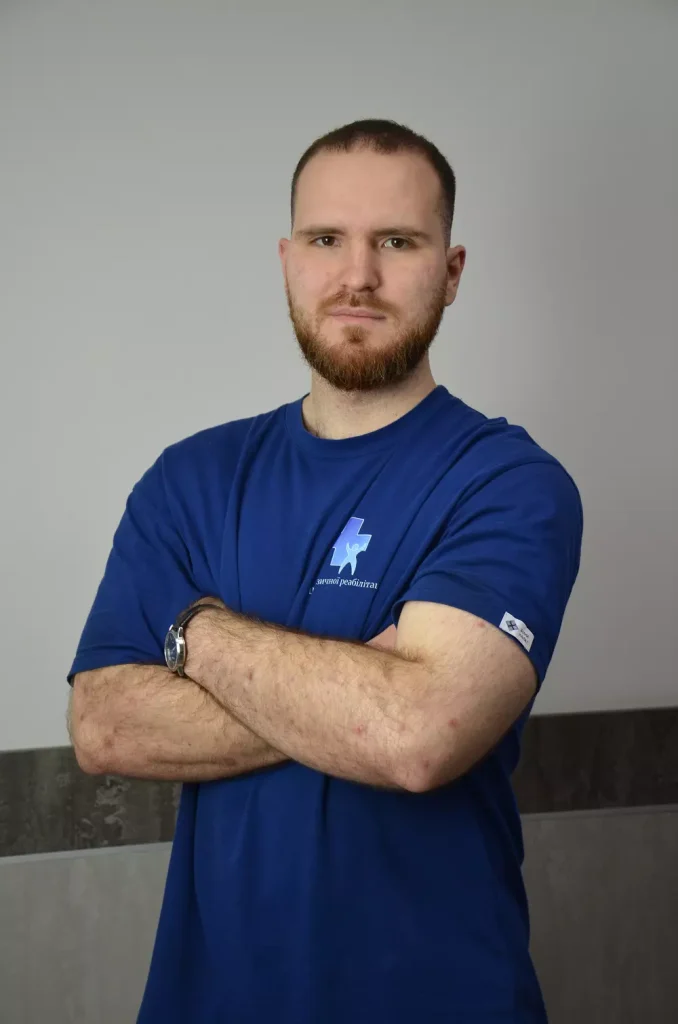
Masseur
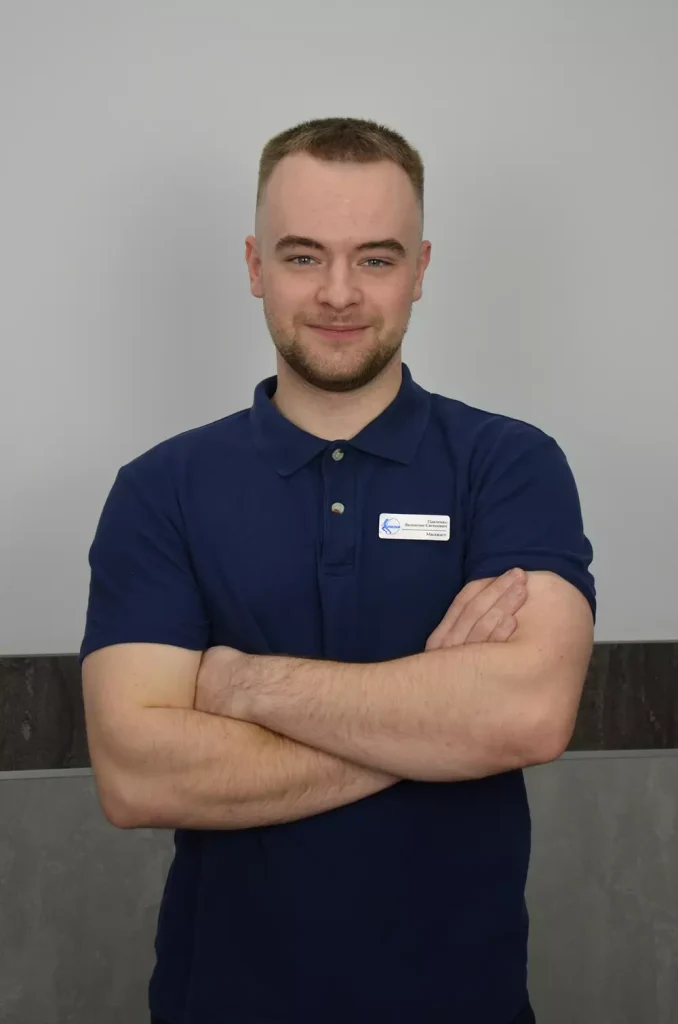
Masseur
Take care of your health more profitably. Regular massage – more results. more comfort, more hands.
Helps reduce pain and muscle tension and supports the restoration of mobility.
Aimed at improving skin tone, microcirculation and reducing the appearance of cellulite.
Comprehensive work with the main areas of the body for relaxation, tension relief, and recovery.
Gentle manual work on the abdominal area to reduce tension and maintain functional comfort.
Helps recover from exercise, reduce muscle stiffness and prepare for training.
Combines massage and gentle stretching to improve flexibility, mobility and relaxation.
Helps reduce tension in the head and neck area and improve overall well-being.
A gentle procedure to improve skin tone, blood circulation, and relax facial muscles.
A gentle procedure taking into account the child's age, condition, and individual needs.
Massage is one of the most effective and at the same time pleasant methods of restoring the body.
A massage format for two people who want to simultaneously undergo a relaxing, healing, general or other massage procedure.
Percussion massage is a hardware technique with a rhythmic effect on muscles and soft tissues.
Lymphatic drainage body massage is a gentle technique for working with tissues, feelings of heaviness, fatigue, and overall comfort.
A delicate technique for working with facial tissues, the feeling of puffiness, tension in facial muscles and an overall care effect.
Therapeutic and preventive technique of influencing the muscles, ligaments and reflexogenic zones of the foot.
Neck massage is working with the muscles of the neck, occipital zone, shoulder girdle, and cervicothoracic junction.
Hand massage at KINEZIUM involves working with the hands, fingers, palms, wrists, forearms, and arm muscles.
Fire massage is a specialized technique with controlled thermal effects on tissues.
Vacuum cup massage is a local vacuum effect on the skin and soft tissues.
We are grateful to everyone who has entrusted their health to us.
Your feedback is the best confirmation of the results of our work.
Share your impressions - they inspire us to become even better every day.
Leave your contacts — our specialist will contact you within 10–15 minutes to help you choose a service and answer all your questions.
We are always open for communication and ready to help you.
Call or email us to schedule a consultation or get detailed information.
Our experts will suggest the best solution for you.
A KINEZIUM massage therapist is a specialist who works with muscle tension, soft tissue, stiffness, recovery from stress, and supportive rehabilitation. Massage can be helpful when muscles are overexerted, movements feel “stiff,” and the body needs gentle preparation for active work. But here’s an important caveat: massage is not a substitute for diagnosis, exercise therapy, or rehabilitation after a serious injury.
In a center where doctors, rehabilitation specialists, physiotherapists and massage therapists work, massage can be part of the overall program. The specialist clarifies the patient's complaints, area of work, intensity, contraindications and reaction during the session. If there is acute pain, a recent injury, suspicion of inflammation or postoperative limitations, an assessment by a doctor or rehabilitation specialist is required first.
A professional massage therapist may be needed for muscle fatigue, overstrain, stiffness, pain after exertion, recovery from training, or as an auxiliary element in rehabilitation. Often, patients seek help when they feel “stiffness” in the muscles, limited mobility, tension in the neck, back, shoulder girdle, or legs. But if the pain is sharp, accompanied by numbness, weakness, swelling, or occurs after an injury, massage should not be the first step without consulting a specialist.
Indication | How a massage therapist can help |
Muscle strain | Reduce feelings of tension and stiffness |
Fatigue after exercise | Support soft tissue repair and overall well-being |
Stiffness of movements | Prepare tissues for exercise therapy or active rehabilitation |
Auxiliary work in rehabilitation | Combine manual techniques with exercises as indicated |
Household or work overload | Reduce local muscle discomfort and feeling of “tightness” |
After training | To help relaxation and subjective recovery |
KINEZIUM massage therapists can help reduce muscle tension, improve the sense of mobility, prepare soft tissues for exercise, and support overall recovery. In the rehabilitation process, massage is often used not as a stand-alone “cure all,” but as part of a broader program. For example, after soft tissue work, a patient may find it easier to perform exercise therapy, move their shoulder, extend their back, or engage the right muscles.
Massage options depend on the purpose: therapeutic, general, sports, foot massage, face, head or other formats that are presented in the center's services. The choice of technique should correspond to the complaints, area of work, tissue sensitivity and contraindications. If the problem is related to a joint, nerve, fracture, surgery or severe pain, the massage therapist should work within the recommendations of a doctor or rehabilitation specialist.
The phrase “massage therapist” is often used by patients when they want not just a relaxation procedure, but medically justified work with pain, injury or movement restriction. In such situations, it is important to assess the condition before massage: is there any acute inflammation, fresh injury, thrombosis, infection, postoperative restrictions, neurological symptoms or other contraindications. That is, sometimes the first specialist should not be a massage therapist, but a doctor or rehabilitation specialist.
In KINEZIUM, the team format allows, if necessary, to combine massage with a consultation of a specialized specialist, physiotherapy or exercise therapy. This is important when the pain recurs, there is a limitation of movement, numbness, weakness, swelling or the consequences of an injury. In this case, the massage is selected not according to the principle of “the stronger is the better”, but according to the clinical situation and the patient’s tolerance.
The session begins with clarifying the complaints: where the tension is felt, whether there is pain, whether there has been an injury, surgery, inflammation, skin problems or vascular risks. Next, the specialist determines the work area, intensity, technique and the purpose of the session - relaxation, reduction of local tension, preparation for exercise or support for recovery from exertion. During the work, the patient should report sharp pain, numbness, dizziness or any discomfort that goes beyond the normal sensitivity of the tissues.
After the session, the massage therapist may give recommendations regarding water regimen, gentle activity, self-monitoring, and follow-up visits. If the symptoms do not correspond to muscle overstrain or worsen sharply after the massage, a doctor's consultation is required. A professional session is not about maximum pressure, but controlled work taking into account the condition of the tissues.
A massage therapist or manual therapist works primarily with soft tissue, muscle tone, local tension, and subjective feelings of stiffness. A rehabilitation therapist works more broadly: assessing function, movement, strength, coordination, gait, load, and return to activity. That is, massage can help prepare the tissues, but it is active rehabilitation that teaches the body to move properly again.
Criterion | Massage therapist / manual therapist | Rehabilitation specialist |
Focus of work | Soft tissues, tension, manual techniques | Function, movement, strength, coordination, activity |
Patient participation | Mostly passive | Active: exercises, motor tasks, technique control |
When is it useful? | For muscle stiffness, overexertion, aids in rehabilitation | After injuries, surgeries, pain, weakness, gait disturbance |
What does not replace | Diagnostics, exercise therapy, medical management of injuries | Medical diagnosis for acute or dangerous symptoms |
Optimal combination | Before exercises or between classes as indicated | Plans how to incorporate massage into a recovery program |
Before massage, it is necessary to take into account acute pain of unknown origin, fever, active inflammation, recent injuries, suspected fracture, postoperative restrictions, open wounds, skin infections, rashes, varicose complications, thrombosis or pronounced vascular risks. Caution is also required in case of oncological diseases, blood clotting disorders, taking anticoagulants, pregnancy and neurological symptoms. In such situations, massage is not always possible or requires a doctor's permission.
You should not go for a massage if there is significant swelling, deformity, inability to support yourself, numbness or sharp pain after an injury. First, you need to rule out serious damage. A safe approach is when the massage therapist does not work “because of any pain”, but stops when dangerous symptoms appear and recommends medical consultation.
After working with a massage therapist, you can expect realistic changes: reduced muscle tension, a feeling of lightness, improved subjective mobility, better readiness for exercise and support for recovery from exertion. But massage does not always eliminate the cause of pain, especially if it is related to a joint, nerve, disc, fracture, instability or systemic disease. Therefore, for complex or recurring symptoms, it should be part of a comprehensive evaluation.
MedlinePlus describes rehabilitation as a process that may include various types of therapy to restore function after injury or illness: https://medlineplus.gov/rehabilitation.html. A review in NCBI/PMC “The Impact of Massage Therapy on Function in Pain Populations” notes that massage may have modest benefits for pain, mood, and quality of life, but the strength of the evidence depends on the condition and technique: https://pmc.ncbi.nlm.nih.gov/articles/PMC4925170/. The NCBI/PMC systematic review “Use of Massage Therapy for Pain, 2018–2023” highlights that the quality of evidence in massage studies varies, so expectations should be cautious: https://pmc.ncbi.nlm.nih.gov/articles/PMC11250267/. Practical conclusion: massage is useful as support, but works best when combined with proper diagnosis, movement, and load control.
To make an appointment with a massage therapist in Kyiv, you should determine your goal: to reduce muscle tension, recover from stress, prepare tissues for exercise therapy, or get additional work as part of rehabilitation. When making an appointment with KINEZIUM, it is advisable to inform about complaints, pain areas, injuries, surgeries, chronic diseases, skin problems, vascular risks, or other limitations. This will help you choose the type of massage and intensity without unnecessary risk.
Before the first session, the specialist will clarify contraindications, expectations and comfortable pressure level. If the symptoms do not resemble muscle strain, but rather an injury, inflammation, neurological problem or postoperative complication, it is better to start by consulting a doctor or rehabilitation specialist. This approach makes massage part of a safe recovery, and not an incidental procedure
Leave your contacts — our specialist will contact you within 10–15 minutes to help you choose a service and answer all your questions.
Leave your contacts - our specialist will contact you within 10-15 minutes to help with the service and answer all your questions.
Leave your contacts - our specialist will contact you within 10-15 minutes to help with the service and answer all your questions.
Leave your contacts - our specialist will contact you within 10-15 minutes to help with the service and answer all your questions.
Leave your contacts - our specialist will contact you within 10-15 minutes to help with the service and answer all your questions.
Leave your contacts - our specialist will contact you within 10-15 minutes to help with the service and answer all your questions.
Leave your contacts - our specialist will contact you within 10-15 minutes to help with the service and answer all your questions.
Leave your contacts - our specialist will contact you within 10-15 minutes to help with the service and answer all your questions.
Leave your contacts - our specialist will contact you within 10-15 minutes to help with the service and answer all your questions.
Leave your contacts - our specialist will contact you within 10-15 minutes to help with the service and answer all your questions.
Leave your contacts - our specialist will contact you within 10-15 minutes to help with the service and answer all your questions.
Leave your contacts - our specialist will contact you within 10-15 minutes to help with the service and answer all your questions.
Leave your contacts - our specialist will contact you within 10-15 minutes to help with the service and answer all your questions.
Leave your contacts - our specialist will contact you within 10-15 minutes to help with the service and answer all your questions.
Leave your contacts - our specialist will contact you within 10-15 minutes to help with the service and answer all your questions.
Leave your contacts - our specialist will contact you within 10-15 minutes to help with the service and answer all your questions.
Leave your contacts - our specialist will contact you within 10-15 minutes to help with the service and answer all your questions.
Leave your contacts - our specialist will contact you within 10-15 minutes to help with the service and answer all your questions.
Leave your contacts - our specialist will contact you within 10-15 minutes to help with the service and answer all your questions.
Leave your contacts - our specialist will contact you within 10-15 minutes to help with the service and answer all your questions.
Leave your contacts - our specialist will contact you within 10-15 minutes to help with the service and answer all your questions.
Leave your contacts - our specialist will contact you within 10-15 minutes to help with the service and answer all your questions.
Leave your contacts - our specialist will contact you within 10-15 minutes to help with the service and answer all your questions.
Leave your contacts - our specialist will contact you within 10-15 minutes to help with the service and answer all your questions.
Leave your contacts - our specialist will contact you within 10-15 minutes to help with the service and answer all your questions.
Leave your contacts - our specialist will contact you within 10-15 minutes to help with the service and answer all your questions.
Leave your contacts - our specialist will contact you within 10-15 minutes to help with the service and answer all your questions.
Leave your contacts - our specialist will contact you within 10-15 minutes to help with the service and answer all your questions.
Leave your contacts - our specialist will contact you within 10-15 minutes to help with the service and answer all your questions.
Leave your contacts - our specialist will contact you within 10-15 minutes to help with the service and answer all your questions.
Leave your contacts - our specialist will contact you within 10-15 minutes to help with the service and answer all your questions.
Leave your contacts - our specialist will contact you within 10-15 minutes to help with the service and answer all your questions.
Leave your contacts - our specialist will contact you within 10-15 minutes to help with the service and answer all your questions.
Leave your contacts - our specialist will contact you within 10-15 minutes to help with the service and answer all your questions.
Leave your contacts - our specialist will contact you within 10-15 minutes to help with the service and answer all your questions.
Leave your contacts - our specialist will contact you within 10-15 minutes to help with the service and answer all your questions.
Leave your contacts - our specialist will contact you within 10-15 minutes to help with the service and answer all your questions.
Leave your contacts - our specialist will contact you within 10-15 minutes to help with the service and answer all your questions.
Leave your contacts - our specialist will contact you within 10-15 minutes to help with the service and answer all your questions.