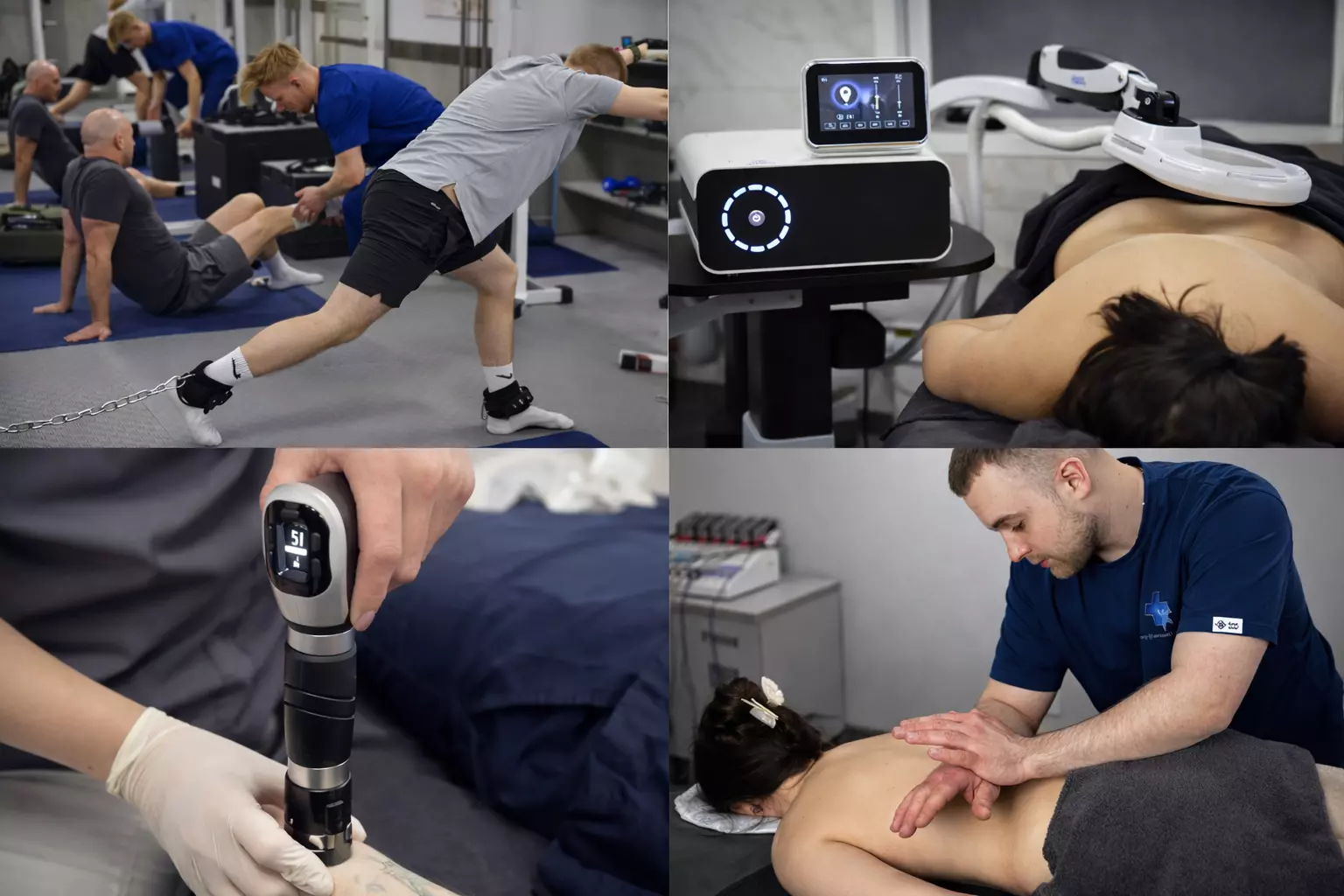



The center employs a team of qualified massage therapists, physiotherapists, rehabilitation specialists, and doctors who have specialized education and regularly improve their skills.
All specialists work together, forming a single rehabilitation plan after a detailed diagnosis. We work not with symptoms, but with the root cause of the pain.
Our approach helps:
• reduce or eliminate pain;
• restore mobility;
• avoid or postpone surgery when possible;
• work effectively with complex and chronic conditions.
KINEZIUM — a systematic approach, experience and result: movement without pain and life without limitations.
wellness centers
patients were helped
specialists
years of experience
Our center has implemented a well-thought-out loyalty system aimed at creating the most comfortable and beneficial conditions for patients who care about their health and undergo courses to restore the musculoskeletal system.
Subscription programs
For patients undergoing a course of procedures or classes, there is a special offer: when purchasing a subscription for 9 classes, 1 class is provided as a gift. This format allows you to undergo therapy systematically and get the maximum effect from treatment and rehabilitation.
Support for military personnel
With respect and gratitude to the defenders of Ukraine, our center offers a discount of 10% on procedures for military personnel.
Bonus system
For regular customers, there is a cumulative bonus program that provides additional benefits and the opportunity to receive special offers while undergoing treatment courses.
We strive to combine a high professional level of medical services, modern rehabilitation methods, and favorable conditions for our patients to make healthcare accessible, systematic, and effective.
• Duration — 10–15 min
• Deep impact on tissues
• Anti-inflammatory effect
• Accelerate healing
• Pain reduction
• Duration — 20 / 35 min
• Deep tissue warming
• Reducing inflammation
• Acceleration of regeneration
• Pain relief
• Duration — 15–25 min
• Breaking down calcifications
• Stimulation of tissue repair
• Improved blood circulation
• Pain reduction
• Duration — 30–40 min
• Safe spinal traction
• Reducing pressure on the discs
• Pain relief
• Muscle relaxation
• Duration — 30–40 min
• Assessment of the musculoskeletal system
• Diagnosis
• Formation of an individual treatment plan
• Recovery recommendations
• Duration — 15–20 min
• Anti-inflammatory effect
• Pain reduction
• Accelerate healing
• Improving microcirculation
• Duration — 15–20 min
• Anti-inflammatory effect
• Improved blood circulation
• Acceleration of regeneration
• Pain reduction
• Duration — 60 min
• Stimulation of tissue regeneration
• Reducing inflammation
• Accelerate recovery
• Improved joint function
• Duration — 40–60 min
• Elimination of functional blocks
• Restoring mobility
• Stress relief
• Improving well-being
• Duration — 20–30 min
• Impact on trigger points
• Muscle spasm relief
• Pain reduction
• Improved blood circulation
• Duration — 30 / 40 / 60 min
• Relieve muscle tension
• Improved blood circulation
• Restoring mobility
• Pain reduction
• Duration — 30 / 60 min
• Individual approach
• Recovery from injuries
• Equipment control
• Maximum result
• Duration — 45–60 min
• Deep tissue work without pain
• Reduction of cellulite volume and appearance
• Improving lymphatic drainage and blood circulation
• Improving skin tone
• Duration — 10–30 min
• Deep penetration into the problem area
• Chronic pain treatment
• Stimulation of tissue regeneration
• Effective for joint and muscle problems
Our center is located just a 10-minute walk from the Pecherska metro station. A convenient landmark is the Holy Presentation Monastery, we are located next to it.
There is no separate parking, but there are usually free spaces around, so you can comfortably arrive by car or public transport.
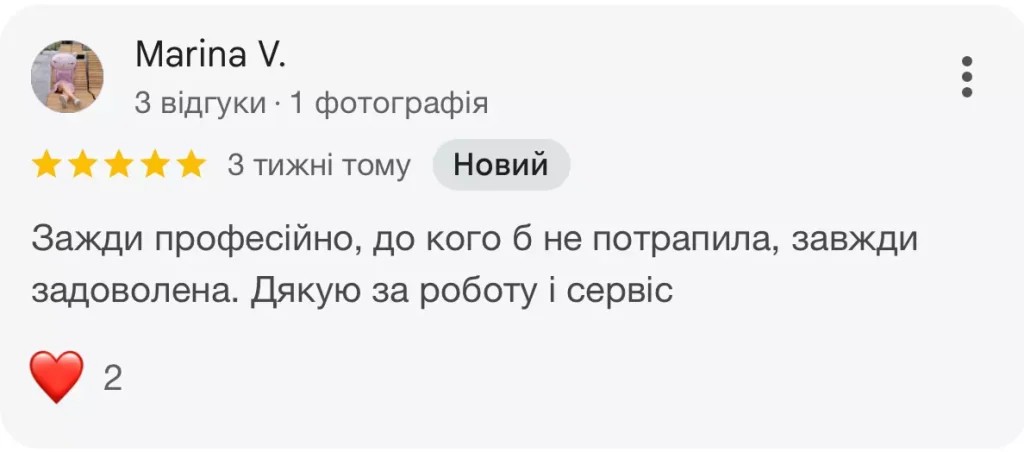
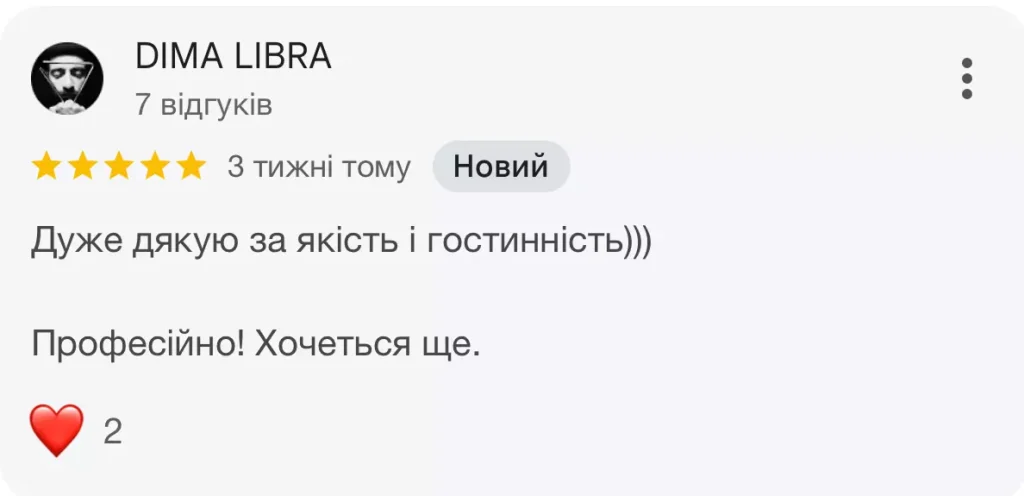
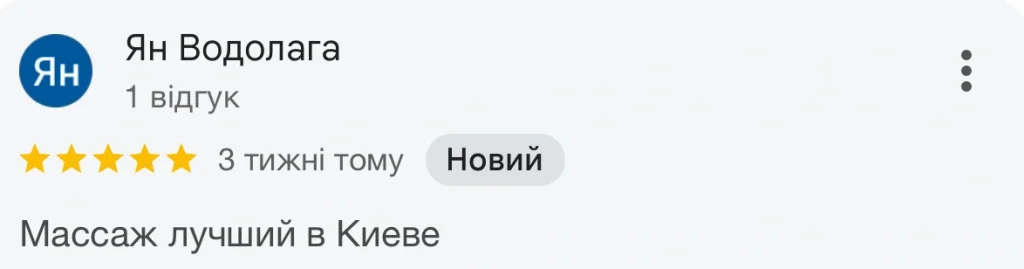
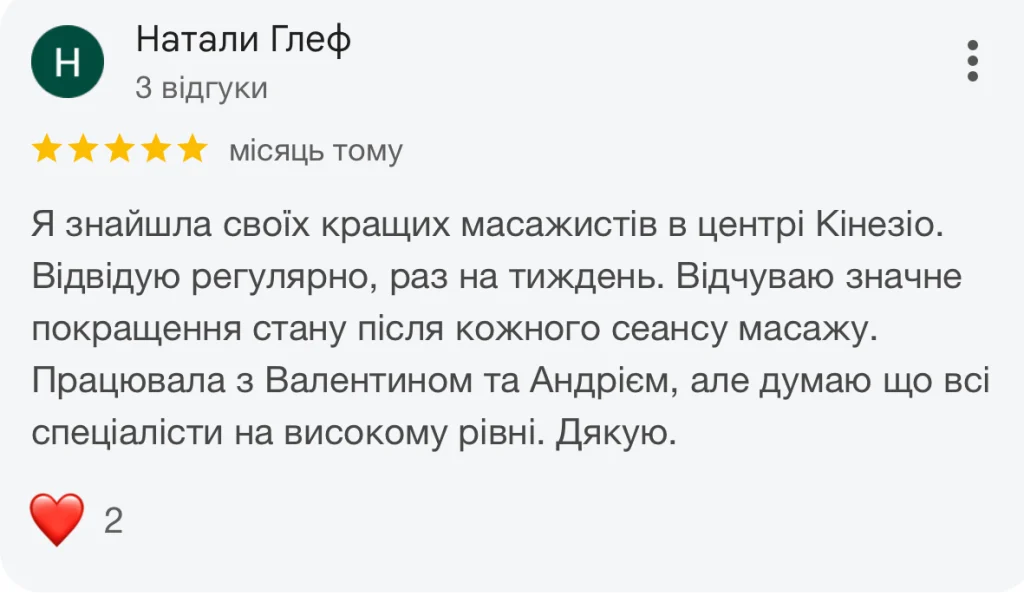
We are grateful to everyone who has entrusted their health to us.
Your feedback is the best confirmation of the results of our work.
Share your impressions - they inspire us to become even better every day.



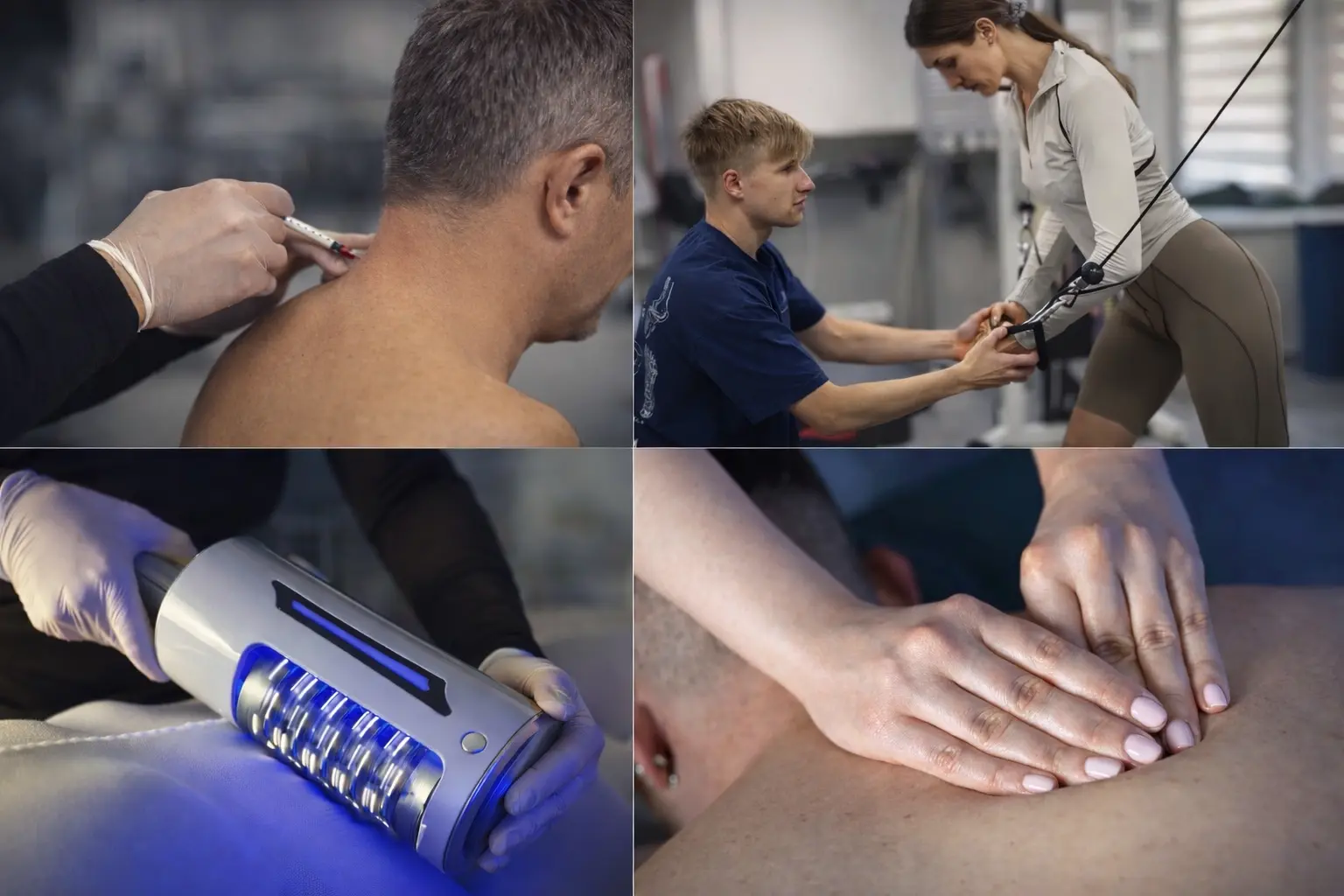
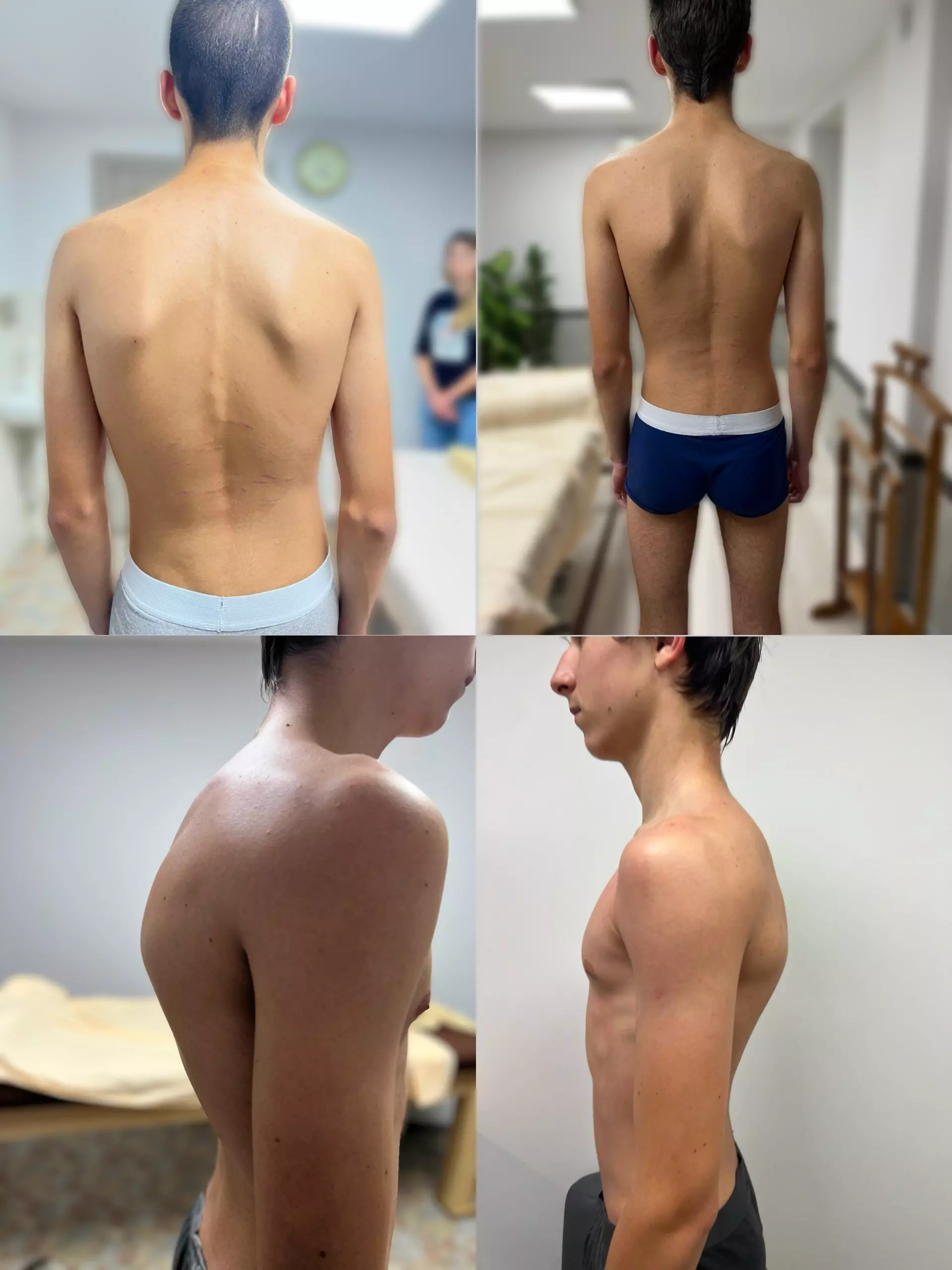
The KINEZIUM Rehabilitation Center in Kyiv provides services to restore the function of the musculoskeletal system, nervous system and joints after pain, injuries, operations, overloads and chronic conditions. The main principle of the center's work is not the isolated elimination of a symptom, but a comprehensive assessment of the cause of movement disorders, pain or loss of function. The work uses specialist consultations, physiotherapy procedures, therapeutic massage, individual exercise therapy classes, manual and hardware techniques according to indications.
Service area | What does it include? | When may be recommended |
Musculoskeletal rehabilitation | Assessment of mobility, strength, stability, gait, and functional limitations | After injuries, surgeries, endoprosthetics, with back or joint pain |
Physiotherapy | Ultrasound therapy, tekar therapy, laser therapy, magnetotherapy, shock wave therapy, focused UHT | Pain syndrome, inflammation, muscle and tendon disorders, delayed tissue repair |
Therapeutic massage | Working with muscle tone, local tension, blood circulation and soft tissues | Muscle spasm, stiffness, pain in the back, neck, shoulder girdle, or limbs |
Specialist consultations | Consultations of a neurologist, traumatologist, rehabilitologist | To clarify the condition, determine limitations and form rehabilitation tactics |
Exercise therapy and individual lessons | Exercises for strength, range of motion, stabilization, coordination, and movement control | Recovery from injuries, surgeries, chronic pain, gait or posture disorders |
Hardware and restoration techniques | Decompression table, manual correction, Dry Needling, PRP therapy, endosphere and other methods according to indications | For dysfunctions of the spine, joints, muscles, ligaments and soft tissues |
In KINEZIUM, the program is not compiled according to a template. Before choosing a procedure, the specialist assesses the patient's complaints, functional status, nature of pain, presence of contraindications and goals. This approach allows combining methods without overloading the body and gradually returning the patient to safe movement, everyday activity or sports load.
The work of the KINEZIUM rehabilitation medical center begins with an initial assessment of the patient's condition. The specialist clarifies the complaints, duration of symptoms, previous injuries or surgeries, level of physical activity, available examinations and doctor's recommendations. Next, a functional assessment is performed: analysis of joint and spine mobility, muscle strength, painful movements, posture, gait, stability and neurological manifestations, if any.
After that, it is formed individual rehabilitation plan. It defines the goals of treatment, stages of recovery, permissible load, recommended procedures and criteria for monitoring dynamics. The program may include physiotherapy, therapeutic massage, exercise therapy, manual techniques, hardware recovery or consultation with a specialized doctor. The choice does not depend on the name of the diagnosis, but on the clinical picture and functional deficit.
Monitoring dynamics is an essential part of the process. In KINEZIUM, they assess whether pain decreases, range of motion increases, strength improves, gait or joint function becomes more stable. If the body's reaction changes, the plan is adjusted: the load can be increased, decreased or replaced by another method. This is especially important after operations, in chronic pain syndrome, neuropathy, arthrosis, protrusions, hernias and complex injuries.
The medical logic behind this approach is simple: recovery should be controlled, safe, and gradual. That is why the center employs a team of massage therapists, physiotherapists, rehabilitation specialists, and doctors who create a unified rehabilitation strategy, rather than a set of disparate procedures.
Rehabilitation may be needed for patients whose pain, injury, surgery, or chronic illness limits mobility, strength, endurance, or usual daily activities. It is not just a post-operative phase. People often visit a rehabilitation center with pain in the back, neck, shoulder, knee, hip, or foot, numbness, loss of sensation, or a feeling of instability in the joints.
KINEZIUM works with requests after injuries to ligaments and joints, after endoprosthetics, with intervertebral hernias and protrusions, arthrosis, arthritis, scoliosis, flat feet, shoulder rotator cuff syndrome, neuropathy and chronic pain syndrome. Rehabilitation is also relevant after sports overloads, when the pain is not yet sharp, but there is already a restriction of movement, a decrease in strength or a fear of stress.
Clinical inquiry | Possible directions of recovery |
Back or neck pain | Functional assessment, exercise therapy, physiotherapy, massage, decompression techniques as indicated |
Joint pain | Load control, amplitude restoration, muscle support work, physiotherapy |
Postoperative period | Gradual return of gait, strength, mobility, and daily activities, taking into account the doctor's restrictions |
Injuries to ligaments, muscles and joints | Reducing pain, restoring stability, proprioception, strength and function |
Numbness, neuropathy, sensory disturbances | Assessment of neurological symptoms, work with motor control, physiotherapy as indicated |
Stiffness, weakness, limited movement | Individual exercises, manual and hardware techniques, gradual functional load |
Treatment options are selected after an assessment of the condition. For one patient, the optimal start will be gentle physiotherapy and pain control, for another - active exercise therapy, work on stabilization or restoration of gait. Self-copying exercises or procedures without an assessment may be ineffective and, in some cases, provoke exacerbation.
The KINEZIUM Rehabilitation and Wellness Center works with movement disorders, pain, decreased function of joints, muscles, spine and nervous system. The main focus is to restore safe mobility, reduce pain, improve muscle strength, stability and the patient's ability to perform usual activities without unnecessary restrictions. The center's practice combines active rehabilitation methods, physiotherapy, therapeutic massage, manual techniques and hardware procedures.
Key areas include musculoskeletal rehabilitation, physiotherapy treatment, individual exercise therapy, rehabilitation after injuries and surgeries, work with chronic pain and functional disorders. The center also works with patients after arthroplasty, with scoliosis, flat feet, arthrosis, arthritis, intervertebral protrusions and hernias, pain syndrome, numbness, neuropathy, and shoulder joint disorders.
The medical meaning of rehabilitation is not only to reduce pain. If strength, control of movement, stability and the correct dosage of load are not restored, symptoms may return. For example, with knee pain, it is important to assess not only the joint itself, but also the work of the muscles of the thigh, foot, hip joint and gait. With lower back pain, spinal mobility, muscle endurance, nervous system response and everyday loads are important.
Therefore, KINEZIUM uses a systematic approach: specialists identify the functional problem, select rehabilitation methods and monitor progress. A procedure is not prescribed just because it exists in the list of services; it must correspond to the patient's condition, the stage of rehabilitation and the therapeutic goal.
An individual rehabilitation program is formed after assessing the patient's complaints, clinical situation, functional limitations and goals. KINEZIUM takes into account the localization and nature of pain, duration of symptoms, joint mobility, muscle strength, gait quality, level of daily load, results of previous examinations and doctor's recommendations. For postoperative patients, the timing after the intervention, the allowed amplitude of movements and the restrictions set by the surgeon are especially important.
The program is developed in stages. In the first stage, the goal may be to reduce pain, swelling, muscle spasm, or protective tension. Then, exercises for mobility, strength, stability, coordination, and functional skills are added. In later stages, the patient is gradually returned to walking, household activities, work, or sports, depending on the initial goal.
What is assessed before starting | Why is this important for the program? |
Nature of pain | Helps distinguish between mechanical pain, inflammation, overload, or possible involvement of nerve structures |
Mobility and amplitude | Allows you to identify restrictions in the joints, spine and soft tissues |
Muscular strength and endurance | Required for proper exercise dosage and prevention of overload |
Neurological symptoms | Numbness, weakness, or sensory impairment may alter recovery tactics |
Postoperative restrictions | Protects tissues during healing and determines safe range of motion |
Contraindication | Helps avoid procedures or stress that may worsen the condition |
Patient goals | The program should be aimed at a specific function: walking, work, sports, self-care |
Contraindications or temporary restrictions may include acute inflammation, severe pain, severe swelling, recent trauma, early postoperative period, fever, active bleeding, doctor’s restriction on exercise, or other conditions that require additional medical evaluation. In such cases, the program is not automatically canceled, but its intensity, methods, and sequence are changed. Safe rehabilitation always takes into account the current state of the tissues, not just the desire to return to activity as quickly as possible.
KINEZIUM has a team of massage therapists, physiotherapists, rehabilitation specialists and doctors. According to the center, the team consists of 50+ specialists, who have specialized education and regularly improve their qualifications. This is important for the quality of the rehabilitation process, since back pain, neuropathy, postoperative recovery, ligament injury or arthrosis require different clinical solutions.
Multidisciplinary work allows for the combination of several areas without chaotic prescribing of procedures. A physician or specialist can clarify diagnostic limitations, a rehabilitation specialist can assess movement and function, a physiotherapist can select hardware techniques according to indications, a massage therapist can work with soft tissues, and a physical therapy specialist can gradually restore strength, control, and endurance. All of these elements should work within a single plan.
Specialist or method | Role in the rehabilitation process |
Rehabilitation specialist/physical therapist | Conducts functional assessment, identifies movement limitations, selects exercises, and monitors progress |
Physiotherapist | Uses hardware techniques to address pain, inflammation, soft tissue, and recovery as indicated |
Masseur | Works with muscle tone, local tension, soft tissues and feelings of stiffness |
Neurologist, traumatologist, rehabilitologist | Advise in cases where a medical assessment, clarification of the condition, or recommendations regarding exercise are required |
Exercise therapy | Restores range of motion, strength, stability, coordination, gait, and functional movements |
Hardware techniques | Ultrasound, tecar therapy, laser therapy, magnetotherapy, UHT, decompression techniques and other procedures are used according to indications. |
It is important to speak correctly about the qualifications of specialists: KINEZIUM notes the team's specialized education, regular advanced training, 13+ years of experience center and team model of work. We do not add unconfirmed titles, categories or certificates unless they are indicated in official materials. For the patient, the key is that the recovery is carried out by specialists who understand the biomechanics of movement, the stages of tissue healing, contraindications and the principles of safe loading.
Before starting rehabilitation, it is necessary to take into account the conditions under which active loading or individual procedures may be premature. Such restrictions include acute pain, active inflammation, significant swelling, recent trauma, early postoperative period, joint instability, severe limitation of movement, neurological symptoms, fever or medical prohibitions after surgery. In such situations, it is important not to accelerate recovery by force, but to correctly determine the safe stage of work.
At KINEZIUM, before starting the program, not only the intensity of the pain is assessed, but also its nature. For example, pain during movement, night pain, shooting pains, numbness, weakness in the limb or gait disturbance may require a different tactic than ordinary muscle strain. After operations, the surgeon's recommendations play a special role: allowed amplitude, permissible load, timing of transition to active exercises and prohibited movements.
The risk of overload is one of the common causes of deterioration during self-recovery. The patient may perform a useful exercise, but at the wrong time, in excessive volume or with a technique that provokes pain. Therefore, the load should be selected individually: according to strength, amplitude, pace, number of repetitions and tissue reaction after the session.
Be especially careful with symptoms that progress rapidly: increasing numbness, weakness in an arm or leg, sudden gait disturbance, joint instability, severe swelling, or pain that does not subside with rest. Such manifestations do not automatically indicate a complex diagnosis, but require professional evaluation before active rehabilitation.
The expected result after a rehabilitation course depends on the diagnosis, the duration of the problem, the level of functional deficit, the regularity of classes, concomitant conditions and compliance with recommendations. KINEZIUM does not use incorrect promises such as “complete cure in a few procedures”, because rehabilitation is a gradual process of restoring function. Realistic goals can be reducing pain, increasing the amplitude of movement, improving strength, stability, gait, endurance and returning to everyday or sports activities.
MedlinePlus defines rehabilitation as helping a person regain, maintain, or improve the abilities needed for daily living: https://medlineplus.gov/rehabilitation.html. The MedlinePlus article on physical medicine and rehabilitation also emphasizes the importance of a team approach and restoring function after injury, illness, or surgery: https://medlineplus.gov/ency/article/007448.htm. This is in line with the practical goal of KINEZIUM: not just to temporarily reduce symptoms, but to improve a person's ability to move, walk, work, exercise, and perform daily activities.
From an evidence-based perspective, physical therapy and supervised exercise are often considered an important part of the management of patients with pain and functional limitations. NCBI Bookshelf reviews on physical therapy for chronic pain describe the role of exercise, progressive loading, and functional recovery: https://www.ncbi.nlm.nih.gov/books/NBK409571/. University rehabilitation protocols, including the Ohio State University Wexner Medical Center, also emphasize the gradual return of mobility, strength, gait, and functional movement after injuries and surgeries: https://wexnermedical.osu.edu/healthcare-services/physical-therapy-rehabilitation/rehabilitation-protocols.
Expected goal | How this may manifest in the patient |
Pain reduction | Less discomfort when walking, sitting, bending, climbing stairs or working |
Restoring mobility | Greater range of motion in the spine, shoulder, knee, hip, or foot |
Improving strength | Better limb control, less fatigue, more stable movement performance |
Gait normalization | Less limping, more confidence, better balance and support |
Return to daily activities | It is easier to perform everyday activities: standing up, bending over, walking, working, exercising |
Reducing the risk of repeated overloading | The patient better understands the permissible load, movement technique and body signals |
The result is formed not only during the procedures, but also through regularity, correct dosage of exercises and control of the body's reaction. If the problem has existed for a long time, the tissues and nervous system need time to adapt. That is why course rehabilitation at KINEZIUM is built as a sequential process: assessment, plan, execution, control of dynamics and correction of the load.
To sign up for the KINEZIUM rehabilitation center in Kyiv, the patient needs to contact the center and briefly describe their request. This may be back, neck, shoulder, knee or foot pain, recovery from injury or surgery, limited mobility, numbness, muscle weakness, chronic discomfort or the need for an individual rehabilitation program. At this stage, it is not necessary to choose the procedure yourself - specialists help determine the initial route.
After the application, it is clarified where it is more appropriate to start: a doctor's consultation, an assessment by a rehabilitation specialist, a physiotherapy procedure, therapeutic massage or individual training. If the patient has the results of an MRI, X-ray, ultrasound, discharge after surgery or doctor's recommendations, it is advisable to bring them with them. This helps to more accurately assess the limitations, contraindications and permissible level of load.
A further plan is formed after assessing the condition. The specialist determines which methods may be relevant, how many stages the recovery may include, and what goals should be set at the beginning of the course. In KINEZIUM, the approach remains systematic: first, the cause and functional problem are determined, then a specialist and program are selected, and then the dynamics of recovery are monitored.
This recording format is convenient for a patient who does not know whether he needs physiotherapy, exercise therapy, massage or consultation. The right first step is not to choose a procedure at random, but to undergo a professional assessment and receive a clear plan of action.
Leave your contacts — our specialist will contact you within 10–15 minutes to help you choose a service and answer all your questions.