 Skip to content
9 sessions + 1 as a gift
Rehabilitation after injuries and surgeries at KINEZIUM is a comprehensive recovery after fractures, ligament injuries, surgeries, immobilization, pain, swelling, weakness and movement restrictions. The program is not limited to one procedure: the specialist assesses the condition of the tissues, permissible load, mobility, strength, gait or function of the hand, postoperative limitations and the patient's goals. Rehabilitation may include exercise therapy, kinesiotherapy, physiotherapy, gait training, balance work, massage according to indications, gradual strengthening and a home program. The main goal is to return a person to safe household activities, and not just temporarily reduce pain.
Injuries can occur due to falls, sports, everyday situations, road accidents, sudden movements, overloads, or repetitive micro-injuries. After surgery or a cast, the problem often worsens not only because of the injury itself, but also because of the period of immobilization: muscles weaken, joints become stiffer, and a person loses confidence in movement.
| Reason | What can be damaged? |
| Fall or impact | Bones, ligaments, joints, soft tissues |
| Sports and sudden movements | Ligaments, tendons, menisci, muscles |
| Household injuries | Wrist, elbow, shoulder, knee, ankle, foot |
| Surgery after injury | Mobility, strength, scar, support, gait, or function of the hand |
| Cast or orthosis | Range of motion, muscle strength, coordination |
| Prolonged avoidance of movement | Balance, endurance, confidence in the load |
The degree of injury affects when you can start moving, how much weight is allowed, and what methods are safe. After a mild sprain, the program can start sooner, and after a fracture, surgery, or ligament reconstruction, the pace is determined by tissue healing and your doctor's recommendations.
| Degree/state | Typical manifestations | How to choose recovery |
| Minor injury | Moderate pain, slight stiffness, maintained support | Gentle exercises, pain control, gradual return to activity |
| Moderate injury | Swelling, limitation of movement, weakness, limping, or limitation of the arm | Physiotherapy, exercise therapy, dosed load, home program |
| Fracture or immobilization | Loss of strength, stiffness, fear of support, limitations after cast | Development of movements, gradual support, strengthening, control of fusion |
| Postoperative condition | Pain, swelling, scar, surgeon's protocol, restrictions on movement | Recovery only taking into account the discharge and permitted loads |
| Complex trauma | Instability, neurological symptoms, significant functional impairment | Individual plan and doctor's consultation before active exercises |
If proper movement is not restored for a long time after an injury or surgery, persistent stiffness, weakness, lameness, fear of exertion, and chronic pain can develop. After a cast or restriction of support, muscles quickly lose strength and joints lose their normal range of motion. In patients after surgery, inactivity can also make it difficult to return to work, sports, and household tasks.
Possible consequences:
Controlled movement after a doctor's approval is often more important than prolonged complete rest. That is why in KINEZIUM, recovery begins with an assessment of the condition, not with random exercises.
Rehabilitation after injuries may be needed by patients after falls, sports and household injuries, fractures, sprains, surgeries, casts, pain, swelling, and loss of strength. Often, people come to us after the cast has been removed, but their arm or leg still does not function as before. Rehabilitation is also needed after surgeries, when there are medical limitations and it is important not to overload the tissues too early.
| Situation | When to contact |
| After a fracture | There is stiffness, weakness, pain, fear of support or movement |
| After surgery | It is necessary to follow the surgeon's protocol and safely restore function. |
| After a cast or brace | Movements are limited, muscles are weak, there is swelling |
| After spraining the ligaments | There is instability, pain, repeated twisting or fear of straining |
| After a sports injury | Need to regain strength, coordination, and control of movements |
| After a domestic injury | Difficulty walking, lifting an arm, holding objects, or performing everyday activities |
A rehabilitation center after injuries may be needed for fractures, injuries to joints, ligaments, muscles, tendons, postoperative conditions, impaired gait or hand function. It is especially important to contact if pain, swelling, limited movement or a feeling of instability remain after the injury. In such cases, a one-time procedure often does not solve the problem, because it is necessary to gradually restore the amplitude, strength, coordination and load tolerance. After complex operations or osteosynthesis, the program should take into account the images, discharge and recommendations of the traumatologist. If there is numbness, severe pain, redness, fever or suspected infection, a medical evaluation is required first.
A rehabilitation clinic after injuries helps to restore the amplitude of movements, strength, support, gait, coordination, balance, everyday activity and safe load. In the recovery process, it is important not only to develop the joint, but also to teach the body to move correctly again. For example, after a leg injury, it is necessary to restore support and gait, and after an arm injury - grip, accuracy of movements and the ability to perform everyday actions.
The main objectives of the program:
The initial assessment after an injury or surgery begins with an analysis of the discharge, images, doctor's recommendations and the patient's current condition. The specialist clarifies when the injury occurred, what was the diagnosis, whether surgery was performed, whether support is allowed, what movements are prohibited and what currently limits the patient the most. Pain, swelling, mobility, strength, gait, stability, sensitivity and contraindications are then assessed.
What is advisable to bring to the consultation:
A post-injury program may include exercise therapy, kinesiotherapy, physiotherapy, gait training, balance work, massage as indicated, gradual strengthening, and a home program. The set of methods depends on the type of injury, stage of healing, pain, swelling, permitted support, and the patient's goals. After a fracture, the emphasis is often on gradual development of movements and restoration of strength, after ligament damage, on stability and control of movement, and after surgery, on compliance with the surgeon's protocol.
| Method | What is it used for? |
| Exercise therapy / kinesiotherapy | Restoring mobility, strength, coordination, and function |
| Physiotherapy | Supportive work with pain, swelling, and tissues as indicated |
| Gait training | Return of support, even step and confidence in movement |
| Balance and proprioception | Preventing re-injury and restoring body control |
| Massage according to indications | Working with muscle tension and soft tissues, if there are no contraindications |
| Home program | Consolidation of the result between visits |
Before rehabilitation after injuries, it is necessary to take into account incomplete union, acute pain, pronounced swelling, signs of infection, prohibition of weight bearing, postoperative restrictions, risk of overload, thrombotic risks and neurological symptoms. If the doctor has prohibited full weight bearing or certain movements, the program should be built within these limits. If the pain intensifies, redness, temperature, discharge from the wound or severe swelling appears, active loading is postponed.
MedlinePlus describes rehabilitation as the process of helping a person regain or improve their abilities for daily living after injury, illness, surgery, or treatment: medlineplus.gov. WHO notes that rehabilitation can reduce the impact of injuries, illnesses and operations and complements medical and surgical interventions: www.who.int. AAOS OrthoInfo has a Recovery & Rehabilitation section with materials on recovery from orthopedic injuries and surgeries: orthoinfo.aaos.org. Practical conclusion: the safety of the program depends on an accurate understanding of the diagnosis, the stage of healing, and the permissible load.
After a course at KINEZIUM, you can expect a gradual return of mobility, strength, support, gait, arm or leg function and everyday activity. The result depends on the type of injury, surgery, age, concomitant conditions, adherence to recommendations and regularity of classes. In complex cases, it is important to assess not only pain, but also specific functions: is it easier to walk, climb stairs, hold objects, turn the arm, stand or perform work tasks.
MedlinePlus emphasizes that rehabilitation aims to restore the abilities needed for daily living: medlineplus.gov. The WHO describes rehabilitation as part of a care system that supports a person's functioning and participation in life after various conditions, including injuries: www.who.int. AAOS OrthoInfo Recovery & Rehabilitation provides resources on exercises and recovery from orthopedic procedures and injuries: orthoinfo.aaos.org. Practical conclusion: high-quality rehabilitation is a gradual return of function, not a promise of instant results.
To sign up for rehabilitation after injuries at the KINEZIUM center in Kyiv, you need to contact the center and briefly describe the injury, surgery, pain, swelling, movement restrictions or a problem with walking or hand. For the initial assessment, it is advisable to take a discharge, examination results and doctor's recommendations. The specialist will check the restrictions, permissible load, mobility, strength, pain and risks, after which he will select an individual program. If there is a postoperative protocol, the program is built in accordance with it. The start of recovery should be safe, gradual and understandable for the patient.
Wellness centers
Patients were helped
Specialists
Years of experience
Our team consists of experienced rehabilitation specialists, physiotherapists, and massage therapists who help people restore their health and return to an active life every day.
We combine modern techniques, an individual approach, and sincere care for each patient.
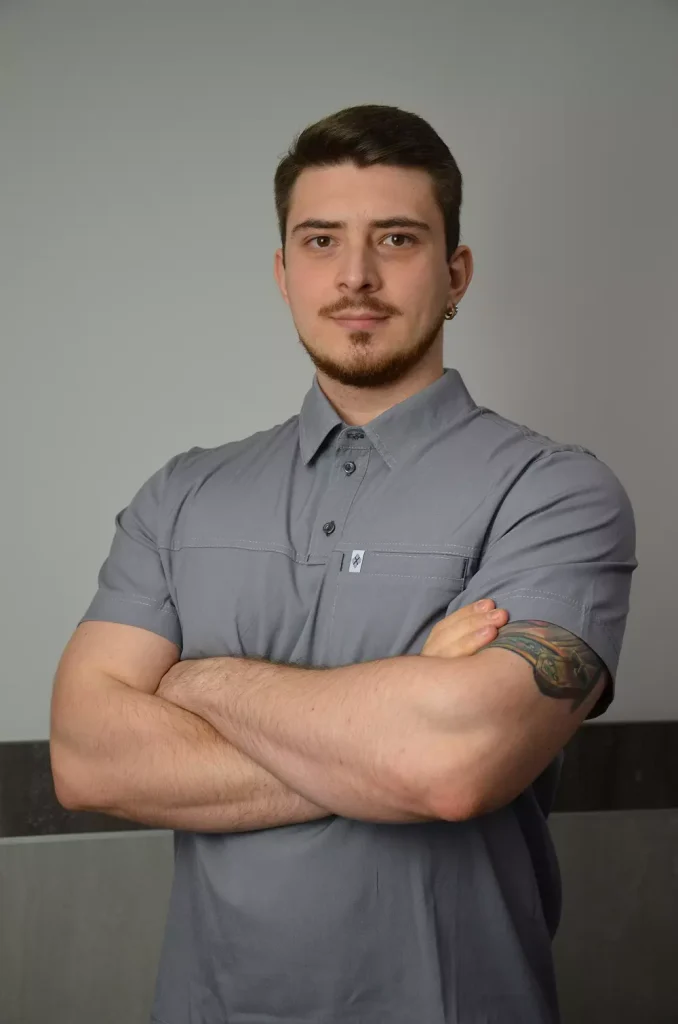
Chief Rehabilitation Specialist
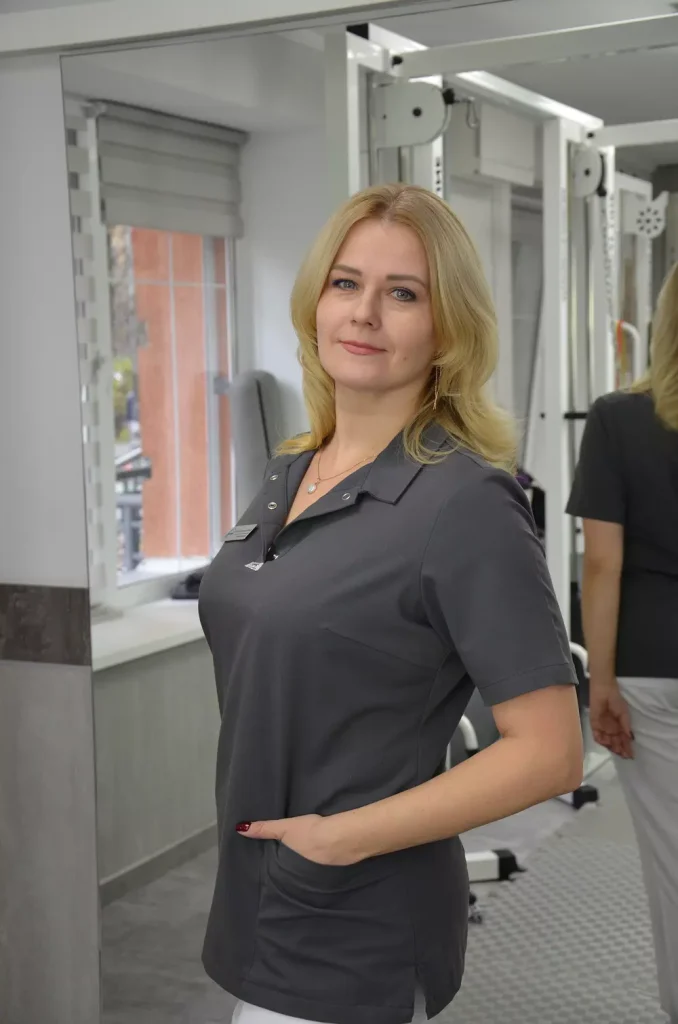
Chief physiotherapist
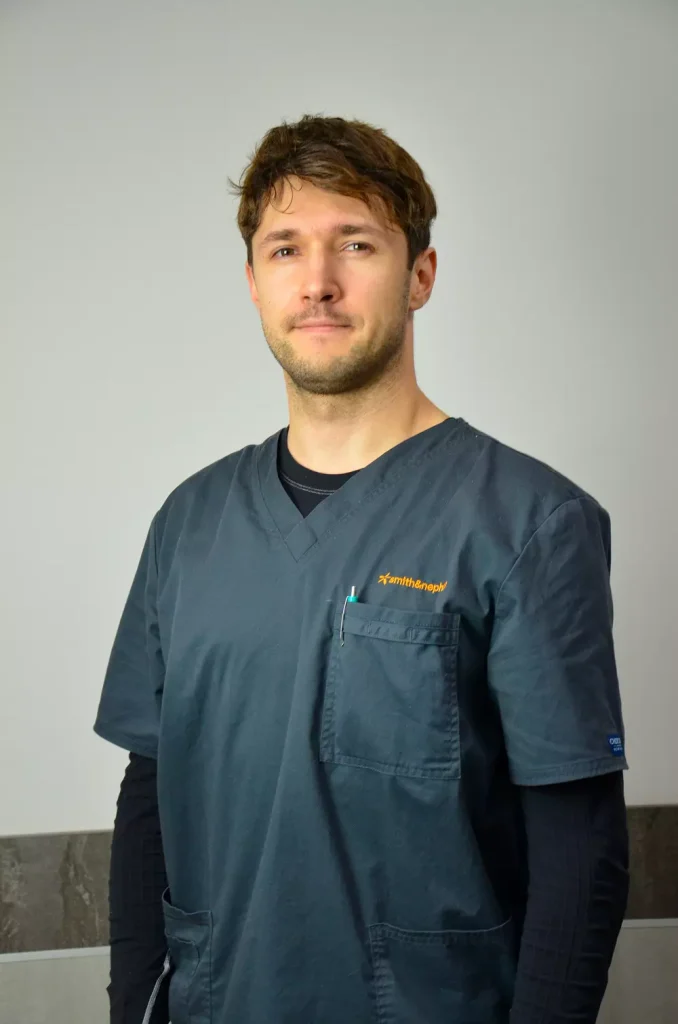
Orthopedic traumatologist
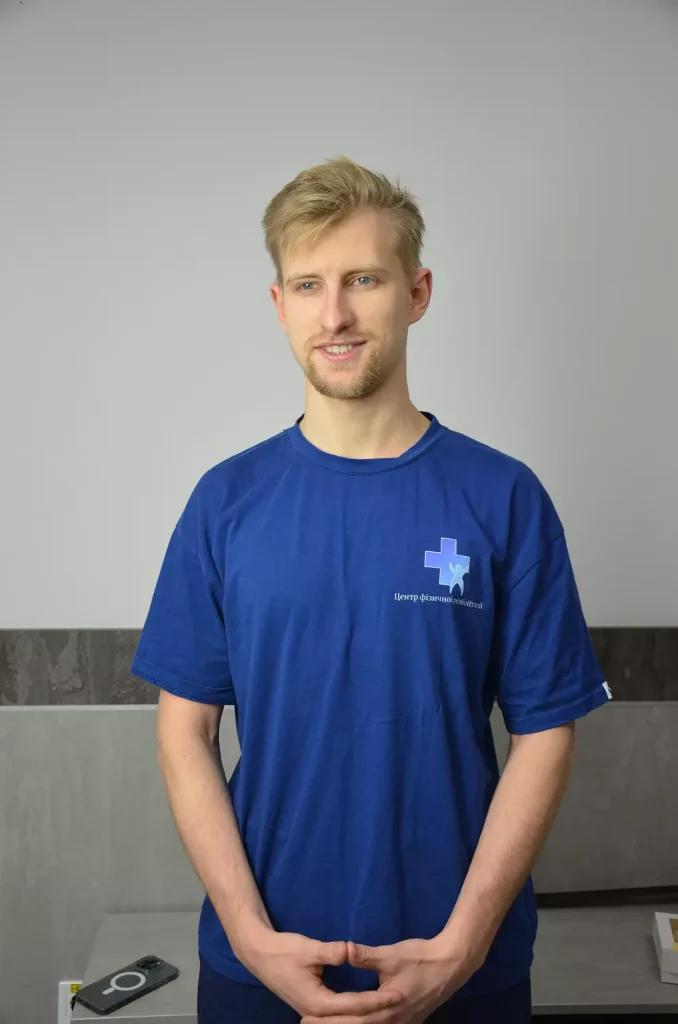
Chief rehabilitation specialist of physical therapy
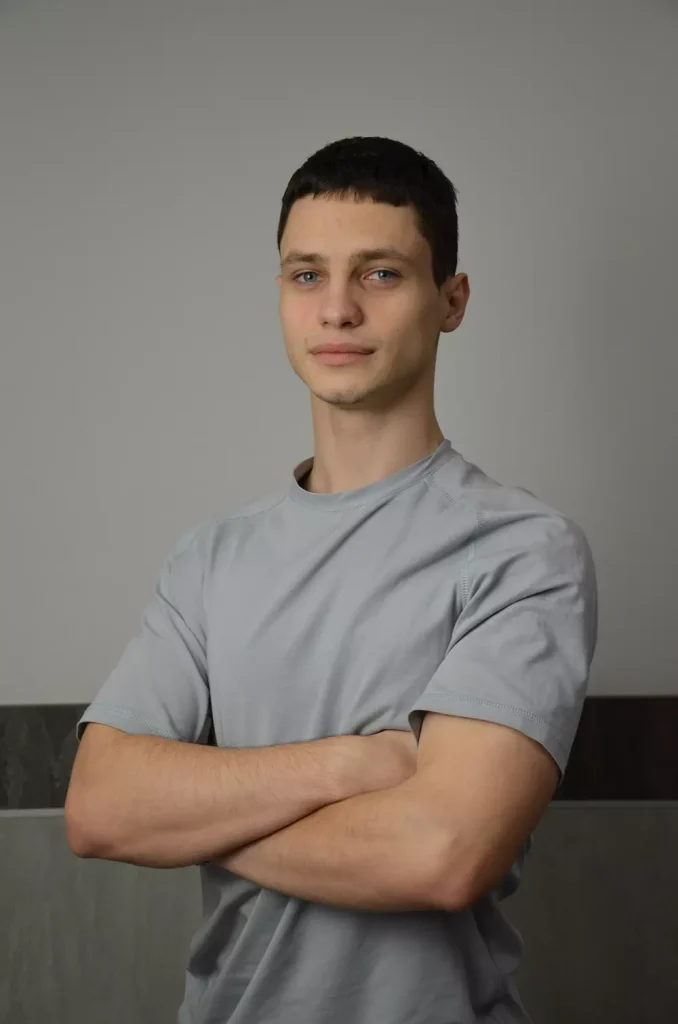
Masseur
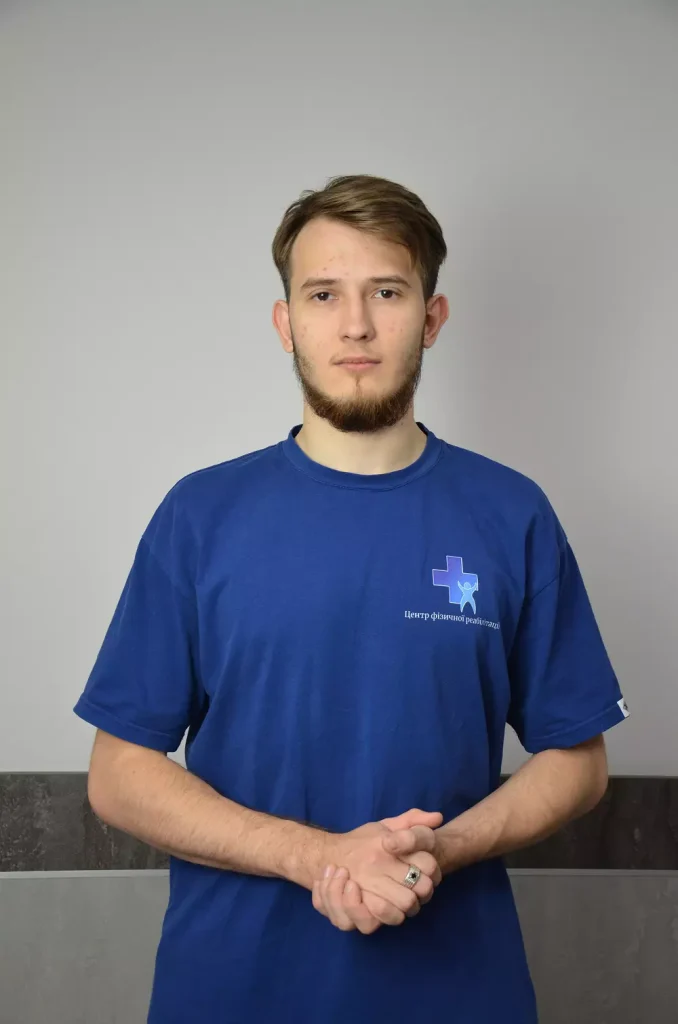
Masseur
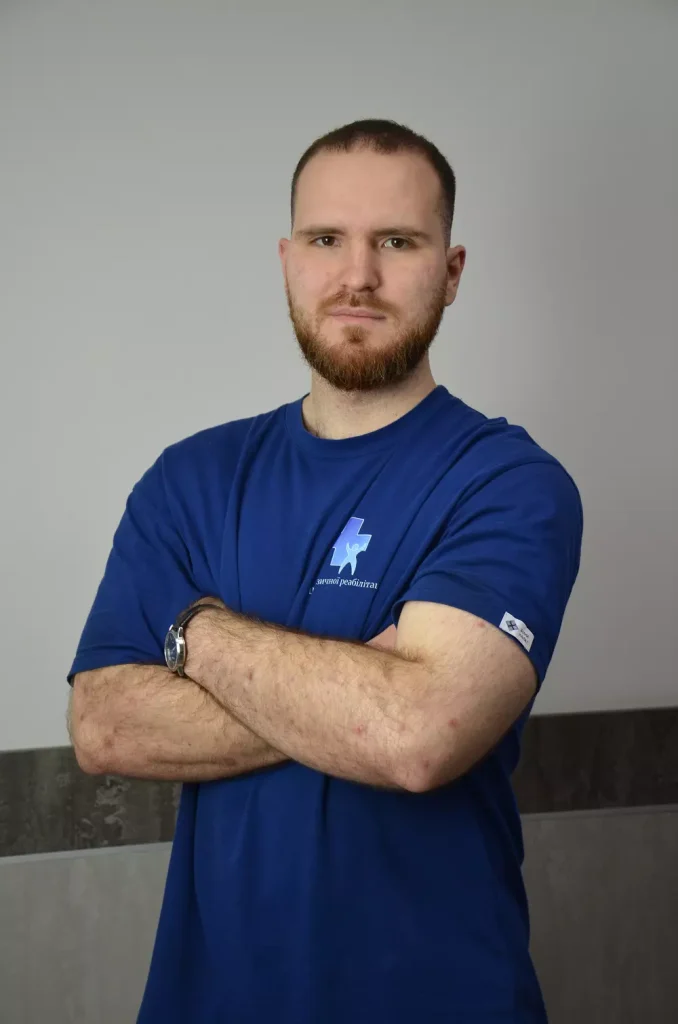
Masseur
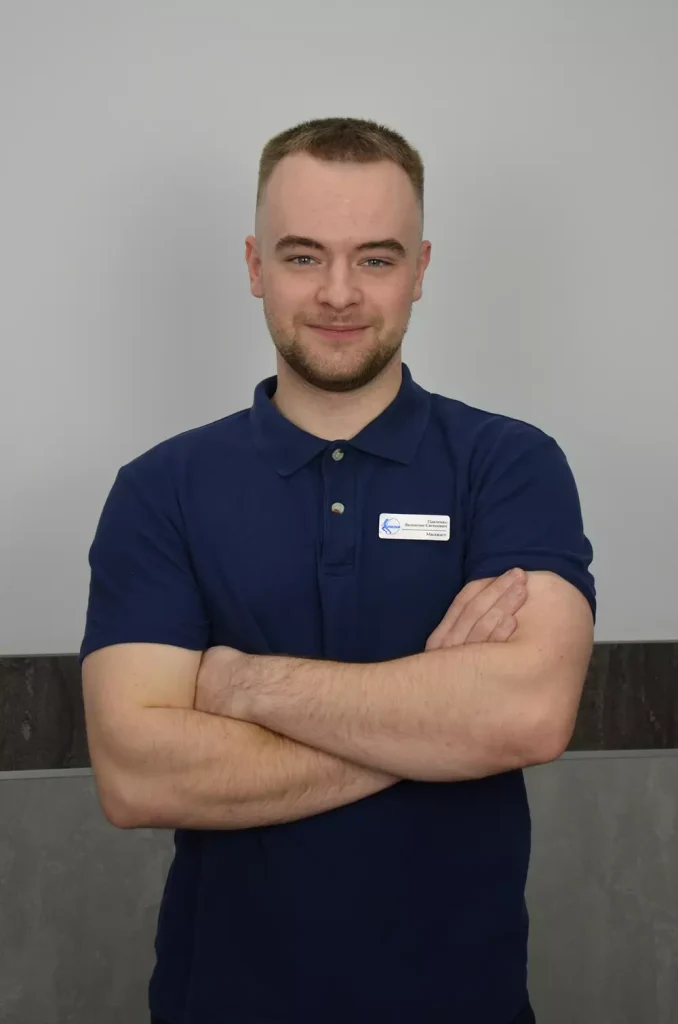
Masseur
We are grateful to everyone who has entrusted their health to us.
Your feedback is the best confirmation of the results of our work.
Share your impressions - they inspire us to become even better every day.
Leave your contacts — our specialist will contact you within 10–15 minutes to help you choose a service and answer all your questions.
We are always open for communication and ready to help you.
Call or email us to schedule a consultation or get detailed information.
Our experts will suggest the best solution for you.
Leave your contacts — our specialist will contact you within 10–15 minutes to help you choose a service and answer all your questions.