
 Skip to content
9 sessions + 1 as a gift
Rehabilitation after a spinal compression fracture at KINEZIUM is a phased recovery after a vertebral fracture, where the main tasks are pain control, safe movement, working with the back muscles and a gradual return to activity. Such a fracture requires special care, because excessive load, sharp bends or twisting can worsen the condition, especially in osteoporosis. The program is built after analyzing the images, recommendations of a traumatologist or surgeon, the level of pain, mobility, gait, balance and fear of stress. Recovery may include gentle exercises, physiotherapy according to indications, posture control, gait training, muscle strengthening and fall prevention. The goal is to return the patient confidence in movements without the risk of overloading the spine.
A compression fracture occurs when a vertebra is compressed or partially loses height. It is most often caused by osteoporosis, a fall, a sudden strain, or trauma, but can sometimes be caused by a tumor or other medical condition that requires separate diagnosis.
| Reason | How does this affect the spine? |
| Osteoporosis | The bone tissue weakens, so the vertebra can sag even after a small load. |
| Falling on your back or buttocks | Can cause compression of the vertebra and acute pain |
| Weight lifting | Sudden axial loading can be dangerous in weak bone |
| Sharp tilt or twist | Can provoke pain and worsen the condition after a fracture |
| Age and low activity | Increase the risk of muscle weakness, falls, and repeated injuries |
| Medical causes of bone weakness | Needs medical supervision and additional treatment for underlying condition |
The degree of compression fracture is determined by the height of the vertebra, stability, pain, neurological symptoms and X-ray, CT or MRI data. For rehabilitation, it is important not only to know the diagnosis, but also to understand whether activity is allowed, whether a corset is needed, whether osteoporosis is present and which movements are temporarily prohibited.
| Degree/state | Typical manifestations | Rehabilitation logic |
| Mild stable fracture | Pain with movement, cautious gait, moderate stiffness | Gentle movements, posture control, gradual increase in activity |
| Fracture with severe pain | It is difficult to walk, sit, stand up, there is a fear of movement | Starting with safe everyday movements and minimal stress |
| Osteoporotic fracture | Risk of repeated fractures, reduced growth, stooping | Balance, fall prevention, muscle strengthening, load control |
| After vertebroplasty | Stabilized vertebra, but caution is needed | Exercises only according to doctor's recommendations |
| Fracture with neurological symptoms | Numbness, weakness, gait disturbance | First a medical evaluation, then individual rehabilitation |
If a spinal compression fracture is not properly healed, pain, muscle weakness, fear of movement, stooping, and decreased endurance may persist. Excessive rest sometimes seems safe, but prolonged inactivity impairs balance and increases the risk of falls. On the other hand, too much exertion too early is also dangerous, so a controlled plan is needed.
Possible consequences of inaction:
Proper rehabilitation helps find a balance between protecting the vertebrae and gradually returning to activity.
Rehabilitation after a spinal fracture is needed for patients after a compression fracture, immobilization, vertebroplasty, pain, fear of exertion and limitation of daily movements. It is especially important to seek help if, after the acute period, a person is still afraid to walk, get out of bed, bend over or sit for a long time. The program should take into account not only the back, but also leg strength, balance, posture and the risk of falls.
| Situation | When is a program needed? |
| After a compression fracture | It is necessary to safely return to movement and everyday activities |
| After vertebroplasty | There is a need for controlled walking, exercise, and prevention of repeated overload |
| After wearing a corset | Muscles weakened, movements became cautious and stiff. |
| With osteoporosis | Fall prevention and safe activity work are needed |
| With fear of movement | The person avoids bending, walking, sitting, or household chores |
| When gait is impaired | Confidence, balance, and endurance need to be restored. |
Recovery from a compression fracture addresses the challenges of regaining mobility, strengthening back muscles, improving balance, and preventing overload. In the early stages, it is important to learn how to stand up safely, walk, change body position, and avoid sudden movements. This is followed by exercises for the muscles of the trunk, buttocks, legs, and back that help support the spine in everyday life. Fall prevention is especially important in osteoporosis, as a second fracture can occur even after a relatively minor injury. Rehabilitation should be gradual and should not provoke a sharp increase in pain.
The program after a vertebral fracture includes a gentle start, posture control, stabilization exercises, physiotherapy as indicated, and a gradual increase in load. Each stage depends on the doctor's permission, pain, fracture stability, the presence of a corset, and the patient's general condition.
| Stage | What do they do? | What is this for? |
| 1. Condition assessment | Analysis of images, doctor's recommendations, pain, gait, and limitations | Define safe program start |
| 2. Gentle movement | Learning to stand up, walk, and change body position | Return basic activity without overloading |
| 3. Posture control | Working with torso position, avoiding sharp bends | Reduce excess strain on the spine |
| 4. Stabilization | Exercises for the muscles of the body, back, buttocks and legs | Support the spine and improve movement control |
| 5. Balance and gait | Training of balance, gait, and everyday movements | Reduce the risk of falls |
| 6. Home program | Safe Exercise and Activity Recommendations | Consolidate progress between classes |
Rehabilitation after a fracture at the KINEZIUM center in Kyiv begins with a consultation and assessment of pain, movement, gait, strength, balance, posture, and everyday limitations. The specialist takes into account the images, discharge, recommendations of a traumatologist or surgeon, the presence of a corset, osteoporosis, and the permitted level of load. After that, an exercise program is selected, physiotherapy according to indications, and home recommendations. At each visit, the dynamics are assessed: is it easier to walk, get up, carry household loads, and control pain. If new neurological symptoms appear or the pain sharply increases, the plan is reviewed and a medical consultation is recommended.
Rehabilitation after a compression fracture differs from conventional back rehabilitation in that it requires greater caution with weight bearing, the risk of re-fracture, the possible role of a corset, work with balance, and fall prevention. With ordinary back pain, the program can move more quickly to active exercises, while after a fracture, the pace is determined by the healing of the vertebra and medical limitations. Patients with osteoporosis are especially carefully approached.
| Criterion | After a compression fracture | Regular back rehabilitation |
| Main risk | Re-fracture, fall, overload of the vertebra | Worsening pain or muscle strain |
| Pace of progress | Cautious, considering adhesions and pain | Depends on symptoms and functional goals |
| Exercise focus | Posture, stabilization, balance, safe gait | Mobility, strength, pain control, endurance |
| Limitation | Avoiding sharp bends, twisting, and lifting weights | Individually according to symptoms |
| Additional factors | Osteoporosis, corset, fall prevention | Working posture, load, muscle balance |
After a spinal fracture, it is important to consider acute pain, osteoporosis, instability, neurological symptoms, risk of falling, doctor's recommendations, and the prohibition of sudden loads. If there is numbness, weakness in the legs, gait disturbance, problems with urination, or a sharp increase in pain, you should consult a doctor. It is also important not to start strength exercises, weight-bearing bends, or twisting without the permission of a specialist.
MedlinePlus describes a spinal compression fracture as a condition in which part of the vertebral bone collapses and indicates that a brace or other treatments may be used after traumatic fractures: medlineplus.gov. AAOS OrthoInfo notes that for stable compression fractures, gradual increases in activity and rehabilitation exercises can help avoid post-traumatic problems: orthoinfo.aaos.org. ChoosePT explains that while a compression fracture is healing, a brace, reduced activity for a short time, and avoidance of strenuous activity may be recommended, depending on the severity of the fracture: www.choosept.com. Practical conclusion: movement is necessary, but it must be dosed according to the condition of the vertebra.
After rehabilitation at KINEZIUM, you can expect a gradual recovery of mobility, strength, confidence in walking and everyday activities. The result depends on the degree of fracture, osteoporosis, age, pain, balance, concomitant conditions and regularity of classes. Success is assessed not only by the reduction of pain, but also by whether the person can stand up, walk, perform household activities more safely and is not afraid of movement.
MedlinePlus, in its article on rehabilitation, describes it as the process of regaining the abilities needed for daily living after injury, illness, or surgery: medlineplus.gov. The AAOS Spine Conditioning Program explains that exercises after injury or surgery can help you return to daily activities and a more active lifestyle: orthoinfo.aaos.org. The NCBI/PMC review on the treatment of compression fractures describes conservative treatment and vertebral augmentation as important management options for the following patients: pmc.ncbi.nlm.nih.gov. Practical conclusion: rehabilitation should restore function, but with consideration for bone safety.
To sign up for rehabilitation after a spinal compression fracture, you need to contact KINEZIUM and inform them of the date of the injury, the level of pain, the presence of vertebroplasty, a corset, osteoporosis and doctor's recommendations. For the initial assessment, it is advisable to take an X-ray / MRI / CT scan, a discharge and a list of allowed or prohibited movements. The specialist will check the limitations, gait, posture, strength, balance and safety of the load. After that, an individual program is formed with a gentle start and gradual progress. If there is new sharp pain, numbness, weakness or gait disturbance, a medical evaluation is first required.
Wellness centers
Patients were helped
Specialists
Years of experience
Our team consists of experienced rehabilitation specialists, physiotherapists, and massage therapists who help people restore their health and return to an active life every day.
We combine modern techniques, an individual approach, and sincere care for each patient.

Chief Rehabilitation Specialist
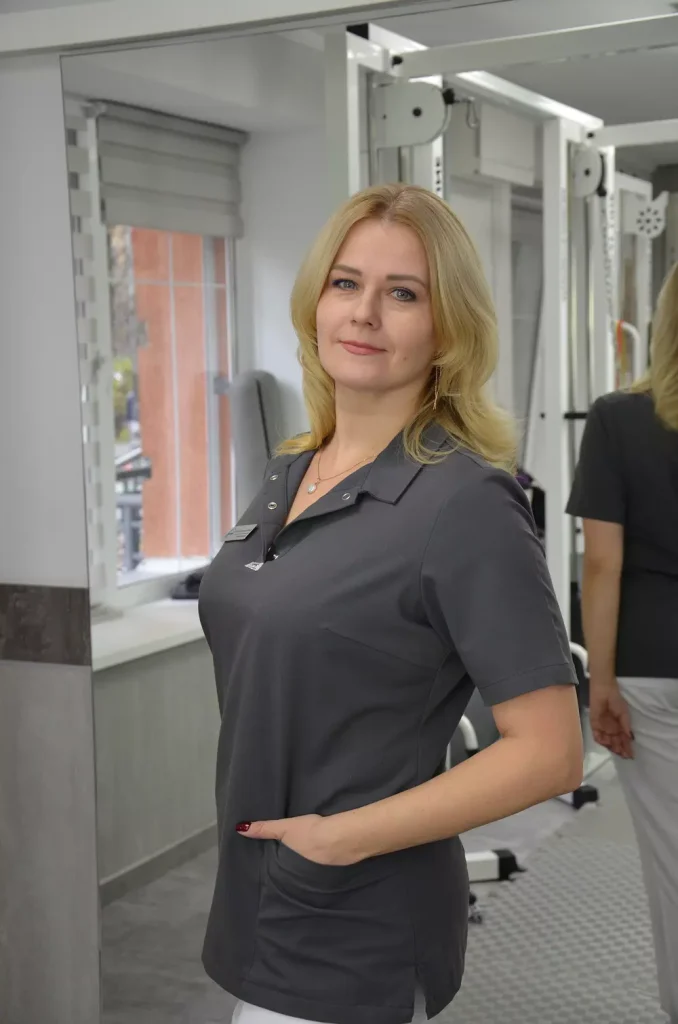
Chief physiotherapist

Orthopedic traumatologist
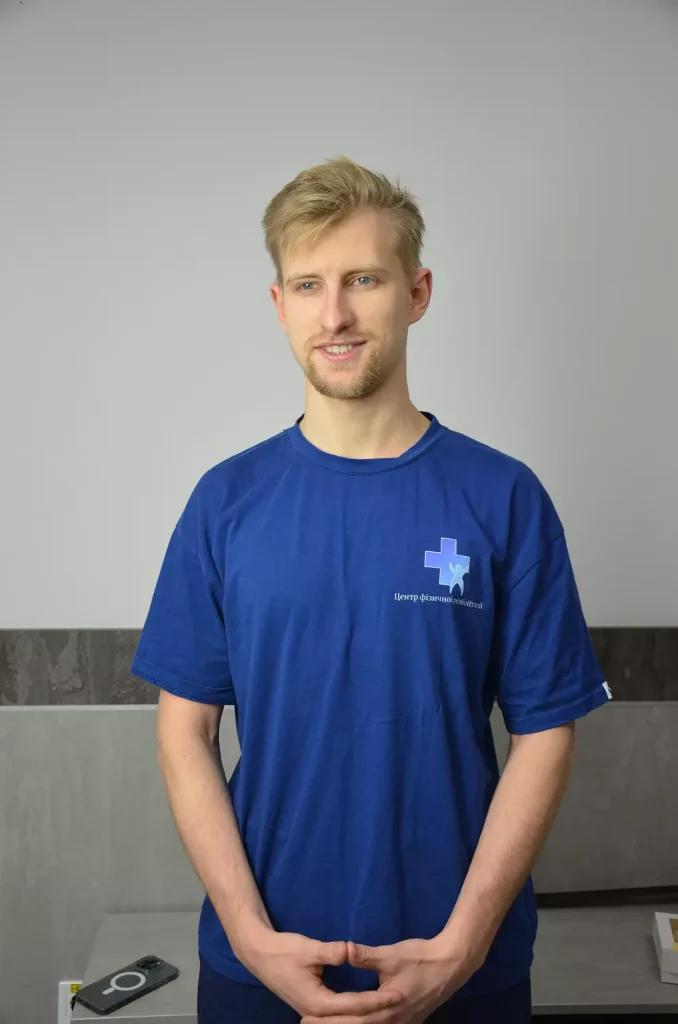
Chief rehabilitation specialist of physical therapy

Masseur
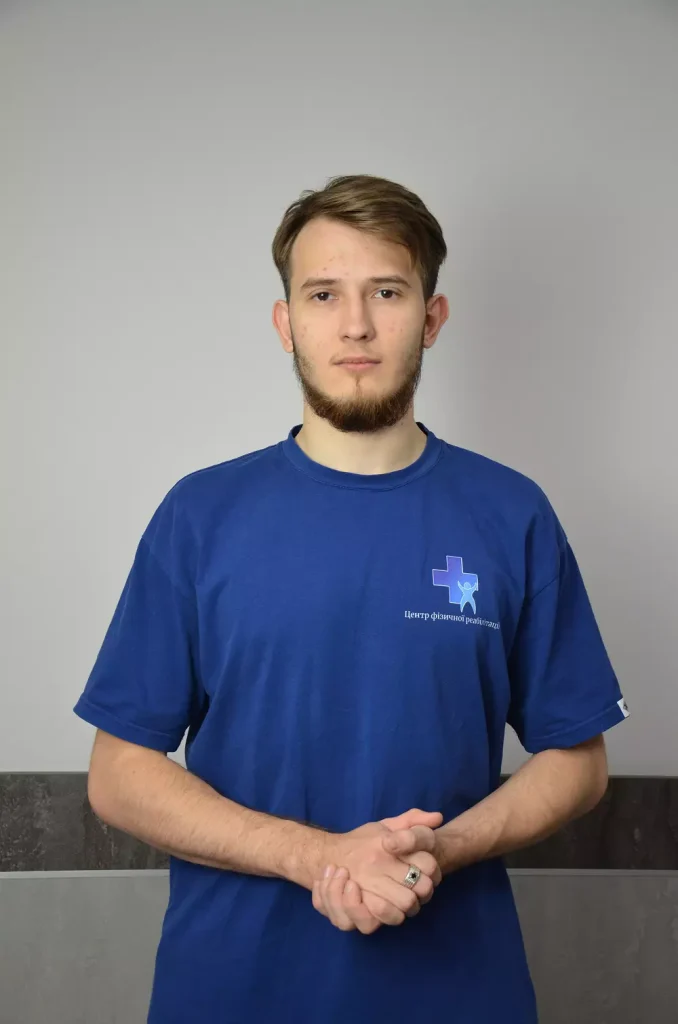
Masseur

Masseur

Masseur
We are grateful to everyone who has entrusted their health to us.
Your feedback is the best confirmation of the results of our work.
Share your impressions - they inspire us to become even better every day.
Leave your contacts — our specialist will contact you within 10–15 minutes to help you choose a service and answer all your questions.
We are always open for communication and ready to help you.
Call or email us to schedule a consultation or get detailed information.
Our experts will suggest the best solution for you.
Leave your contacts — our specialist will contact you within 10–15 minutes to help you choose a service and answer all your questions.