 Skip to content
9 sessions + 1 as a gift
Rehabilitation after inguinal hernia surgery at KINEZIUM is a post-operative recovery that helps to safely return to movement, walking, daily activities, body control and breathing without excessive strain. After open or laparoscopic surgery, it is important to follow the surgeon's recommendations regarding weight lifting, loading, scar care and gradual return to activity. Rehabilitation does not replace surgical control, but helps the patient understand how to move without fear and without provoking excessive intra-abdominal pressure. At KINEZIUM, the program may include assessment of pain, posture, gait, breathing, body muscle control, gradual exercises and home recommendations. The goal is to return to activity without rushing, straining and early weight bearing.
An inguinal hernia occurs when a portion of the abdominal tissue or organs bulges through a weak spot in the groin area. Surgery is performed to repair the defect and reduce the risks associated with the hernia, but the tissues need time to heal after the procedure.
| Cause/factor | How this can affect |
| Abdominal wall weakness | Creates conditions for protrusion in the groin area |
| Lifting heavy objects | Increases intra-abdominal pressure and load on the inguinal area |
| Chronic cough or straining | May increase pressure on the abdominal wall |
| Hereditary or anatomical features | Some people are more prone to inguinal hernias |
| Physical work or sports | Return should be gradual after approval from the surgeon. |
| Postoperative stage | Safe movements, load control, and scar care are required. |
After inguinal hernia surgery, recovery depends on the type of procedure, pain, scar condition, surgeon recommendations, and the patient's professional or athletic goals. Even if the surgery was laparoscopic, early strength training should not be resumed without permission.
| Stage / state | Typical manifestations | Rehabilitation logic |
| Early postoperative period | Pain, cautious gait, fear of movement, fresh scar | Safe walking, breathing, avoiding straining |
| Beginning of household activity | The patient is moving more, but is afraid of exertion | Gradually increase walking and light exercise |
| Restoring control of the hull | Abdominal tension or discomfort during movement | Soft activation without pressure or force load |
| Return to work | Need to lift, bend, or stand for long periods of time | Readiness assessment and safe movement training |
| Return to sports | Requires strength, endurance, and breath control | Only after doctor's permission and gradual progress |
If you completely avoid movement after inguinal hernia surgery, you may experience fear of activity, weakness, stiffness, cautious walking, and difficulty returning to your daily routine. If you start exercising too soon, especially lifting weights or straining, you may experience increased pain, swelling, or irritation in the postoperative area. Therefore, recovery should be gradual and coordinated with your surgeon.
Possible consequences:
After inguinal hernia surgery, it is important to move around enough, but not to force the load.
Rehabilitation after inguinal hernia is needed for patients after open or laparoscopic surgery, pain, fear of movement, activity limitations and the need for a safe return to exercise. It is especially useful if a person does not understand when it is possible to walk more, how to get up without straining and how to gradually return to exercise. The program is also needed for those who have a physical job or plan to return to sports.
| Situation | When is a program needed? |
| After inguinal hernia surgery | A safe return to movement and everyday life is needed |
| In case of pain or fear of movement | The patient avoids walking, bending, or standing up |
| After open surgery | There may be more discomfort in the scar area. |
| After laparoscopy | A gradual return to work is still needed. |
| During physical work | Requires preparation for lifting, bending, and prolonged standing |
| To return to sports | Loads are returned only after permission from the doctor. |
Recovery from inguinal hernia surgery helps to gradually return to walking, trunk control, daily activities, and prevention of overload and strain. Early on, it is important to learn how to stand up safely, walk, breathe, and avoid sudden pressure on the abdomen. This is followed by light exercises, postural control, mobility, and gradual activation of the trunk muscles. If the patient has a physical job, the program prepares for a safe return to weight-bearing, with the permission of the doctor. Rehabilitation also helps to distinguish normal postoperative discomfort from symptoms that require medical evaluation.
Rehabilitation after umbilical hernia surgery differs from inguinal hernia surgery in terms of scar location, abdominal wall loading, weight-bearing restrictions, and gradual return to activity. Inguinal hernia surgery focuses more on the groin area, gait, hip movements, and stretching, while umbilical hernia surgery focuses on anterior abdominal wall control. In both cases, the surgeon's recommendations play a key role.
| Criterion | Inguinal hernia | Omphalocele |
| Localization | Groin area | Umbilical area and anterior abdominal wall |
| Movements that may be disturbing | Walking, standing, hip movements, straining | Bending, lifting, abdominal tension |
| Scar | In the groin area or after laparoscopy, several small accesses | In or near the navel area |
| Load | Returns gradually, especially weight gain | Also gradually, with control of intra-abdominal pressure |
| Guide | Surgeon's protocol and tissue condition | Surgeon's protocol and abdominal wall condition |
Recovery after inguinal hernia surgery at KINEZIUM in Kyiv begins with an analysis of the discharge, the surgeon's recommendations, an assessment of pain, movements, breathing, posture, gait and household restrictions. The specialist specifies the type of surgery, the time after the intervention, weight lifting restrictions and symptoms that concern the patient. Next, safe movements, breathing elements, light exercises for body control and recommendations for a gradual return to activity are selected. The load should not provoke sharp pain, strain or discomfort in the area of the operation. If there are signs of infection, severe swelling or a sharp increase in pain, the patient is recommended to consult a doctor.
Rehabilitation after inguinal hernia repair differs from conventional exercise therapy in that it takes into account postoperative restrictions, intra-abdominal pressure control, careful muscle activation, and gradual increase in load. Conventional exercise therapy may be too general if it does not take into account the scar, the surgeon's recommendations, and the prohibition of weight lifting. After a hernia, it is important to learn to move without undue strain.
| Criterion | After inguinal hernia surgery | Regular exercise therapy |
| Main focus | Safe return of movement after surgery | General mobility and strength |
| Limitation | Weight lifting, straining, scar condition | Depends on the general condition |
| Corps | Soft activation without sharp pressure | May include a wider range of exercises |
| Risk | Overloading of the postoperative area | Fatigue or pain with incorrect dosage |
| Guide | Surgeon's statement and recommendations | Patient's physical condition and goals |
After inguinal hernia surgery, you should consider pain, swelling, scarring, signs of infection, weight lifting, straining, and the need to follow your surgeon's recommendations. Do not return to heavy exercise, bench press, running, strength training, or lifting without your doctor's approval. If you experience severe pain, redness, discharge from the wound, fever, increased bulging, or severe swelling, seek medical evaluation.
MedlinePlus Inguinal hernia repair discharge explains that after surgery, it is important to avoid strenuous activity and heavy lifting for the period recommended by the surgeon: medlineplus.gov. MedlinePlus describes inguinal hernia repair as a surgery performed to repair a weak area in the abdominal wall: medlineplus.gov The NHS, in its recommendations after hernia repair, states that most people can return to light activities gradually, but heavy lifting takes time: www.nhs.uk. Practical conclusion: After inguinal hernia surgery, safety depends on controlling the load and avoiding straining.
After rehabilitation in KINEZIUM, you can expect a gradual return to walking, everyday activities, movement control and safe work with a load. The result depends on the type of surgery, pain, scar condition, physical fitness, professional tasks and compliance with the surgeon's recommendations. In practice, this means easier getting up, walking, performing everyday activities, gradually returning to work and better understanding the limits of safe load.
MedlinePlus Inguinal hernia repair discharge describes postoperative care, activity restrictions, and the need for a gradual return to motion: medlineplus.gov. The NHS recovery guide after inguinal hernia surgery provides practical advice on gradually returning to activity: www.nhs.uk. MedlinePlus Rehabilitation describes recovery as the process of regaining the abilities needed for daily living after an injury or surgery: medlineplus.gov. Practical conclusion: after a hernia, the result is a safe return to activity, not a rapid load.
To sign up for rehabilitation after inguinal hernia surgery, you need to contact KINEZIUM and inform the date of the surgery, type of intervention, pain level, scar condition and surgeon's recommendations for loading. It is advisable to take a discharge note for the first visit. The specialist will assess movements, gait, breathing, body control, household tasks and safe level of exercise. After that, a gradual recovery program is formed. If there is a temperature, redness of the scar, discharge, a sharp increase in pain or an increase in protrusion, a medical evaluation is required first.
Wellness centers
Patients were helped
Specialists
Years of experience
Our team consists of experienced rehabilitation specialists, physiotherapists, and massage therapists who help people restore their health and return to an active life every day.
We combine modern techniques, an individual approach, and sincere care for each patient.

Chief Rehabilitation Specialist
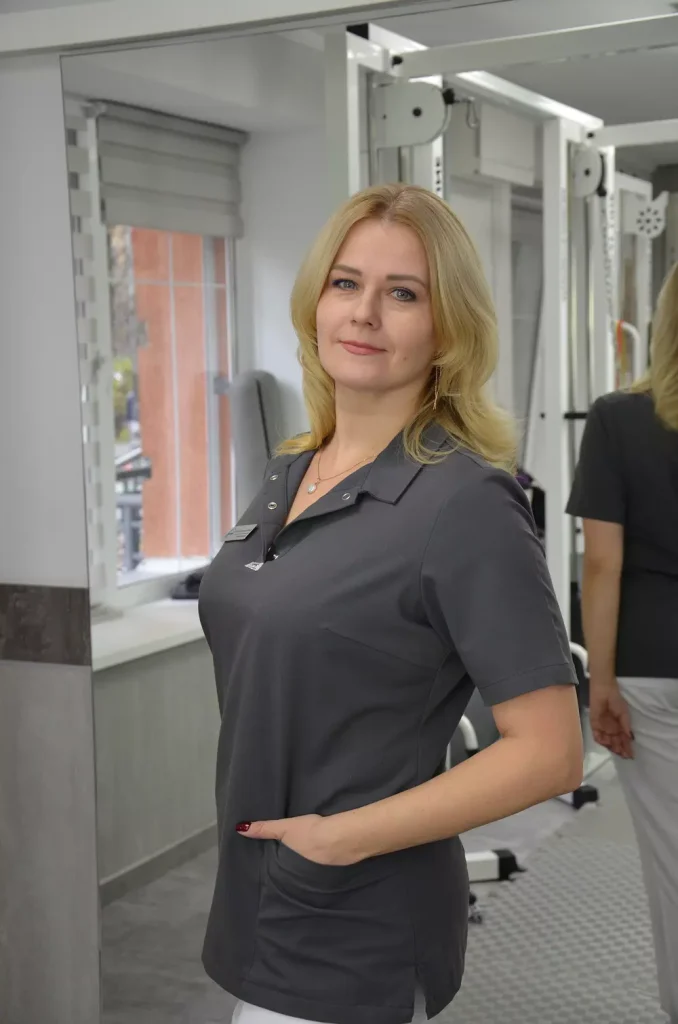
Chief physiotherapist
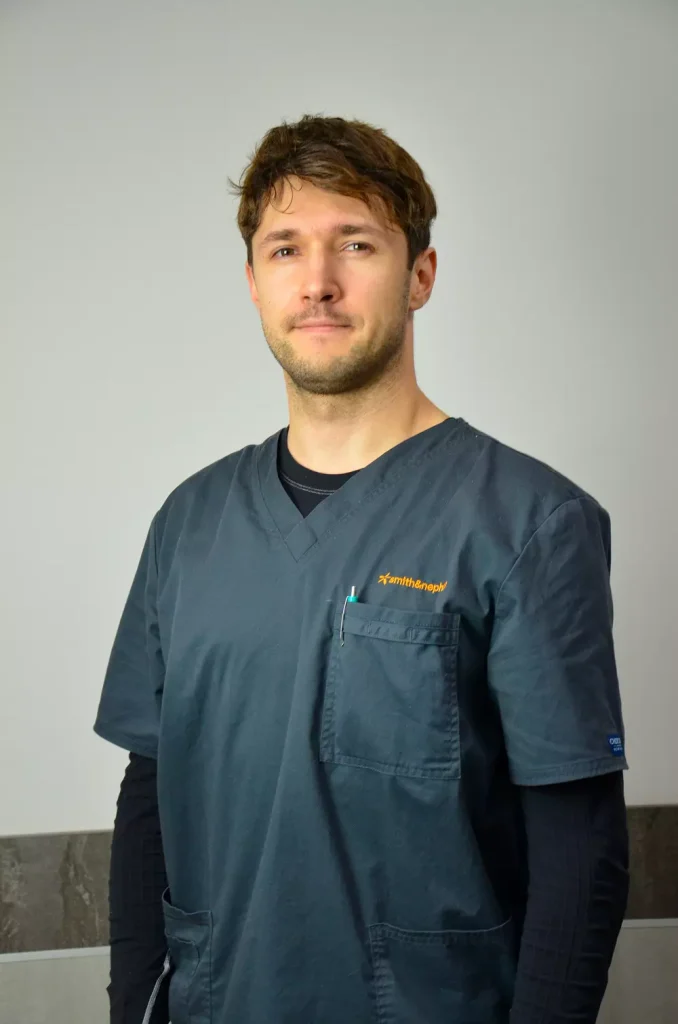
Orthopedic traumatologist
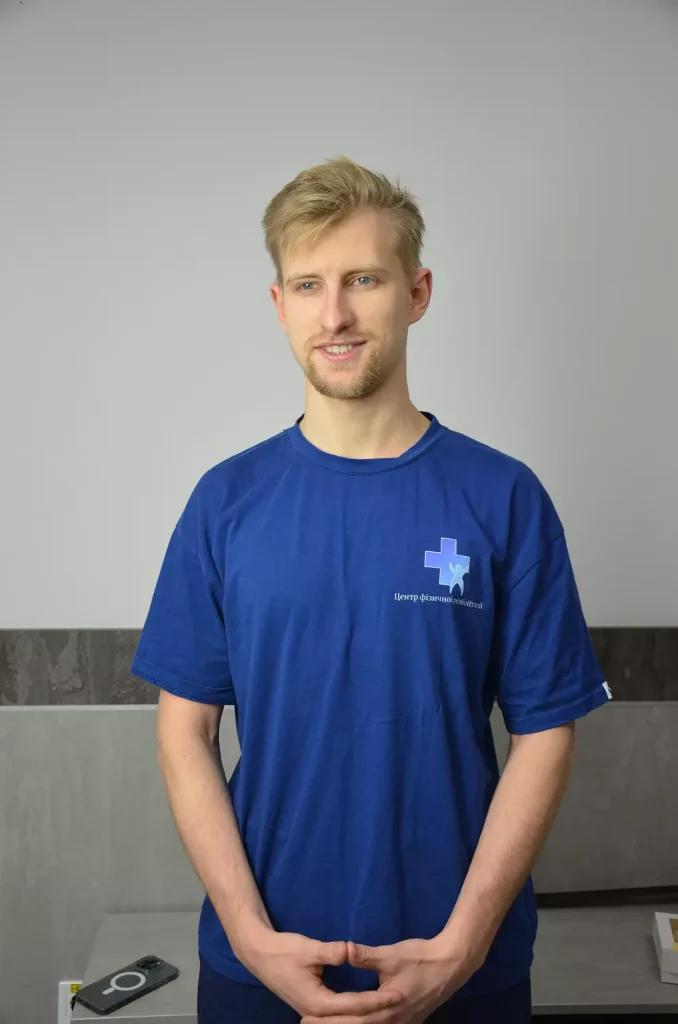
Chief rehabilitation specialist of physical therapy
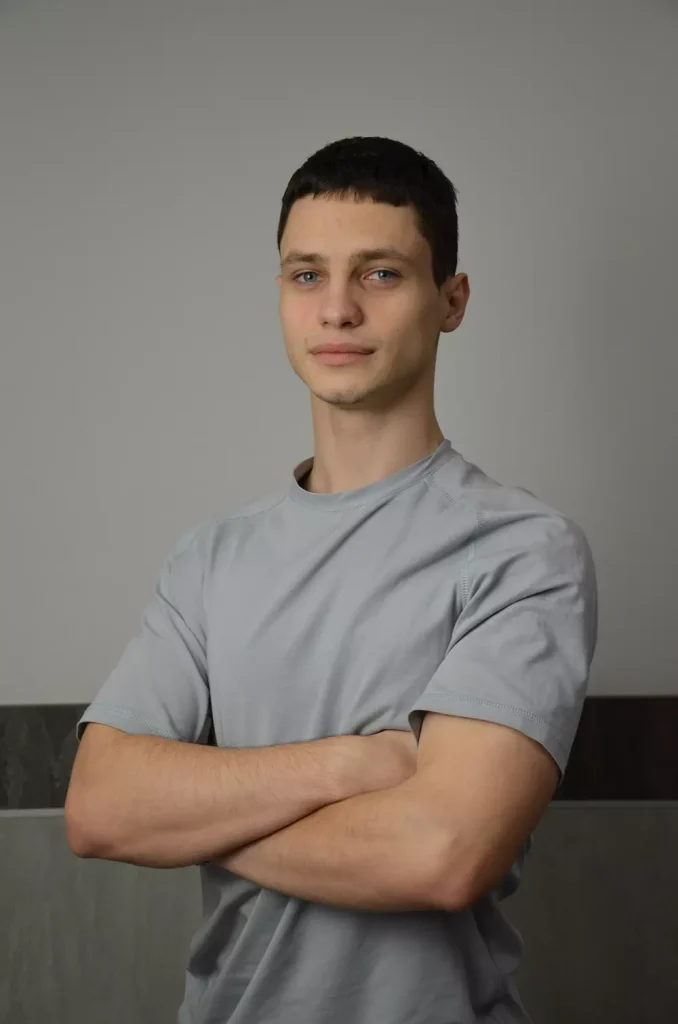
Masseur
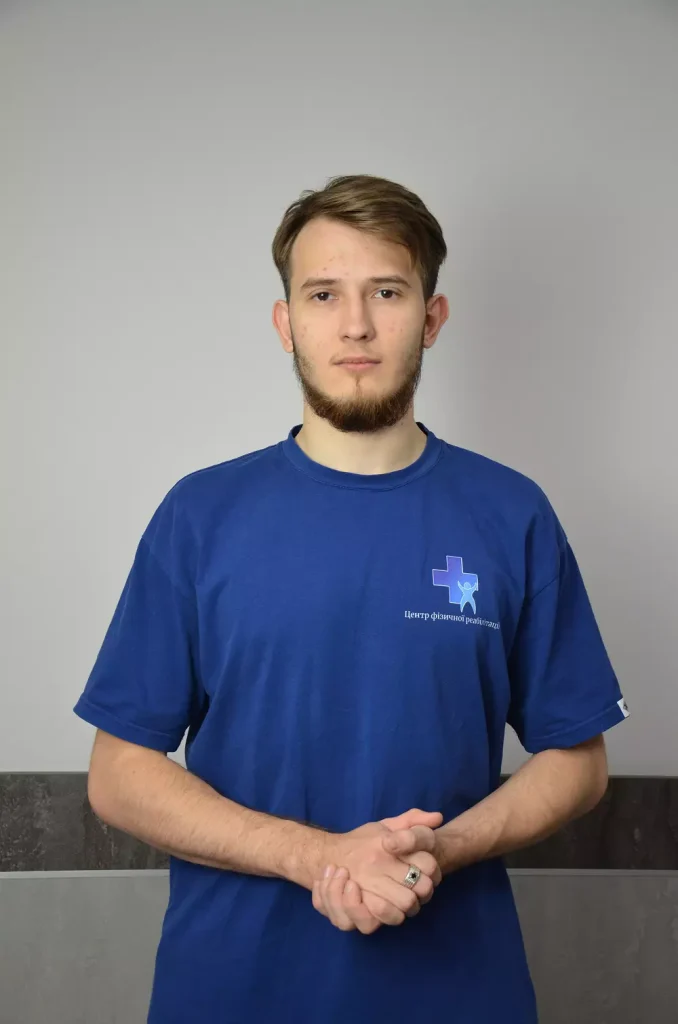
Masseur
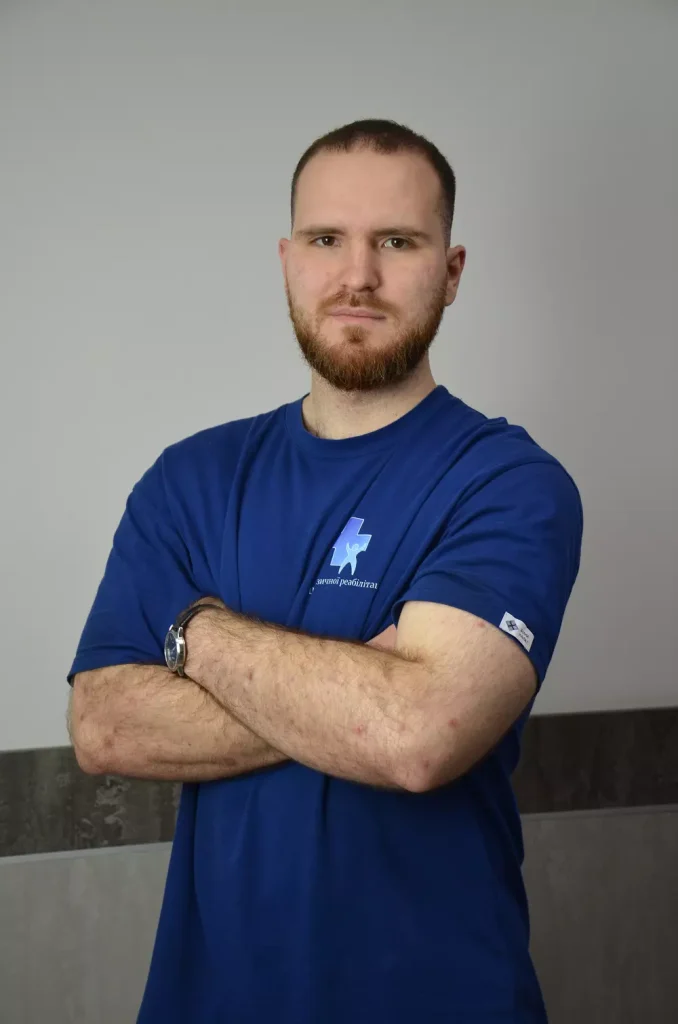
Masseur
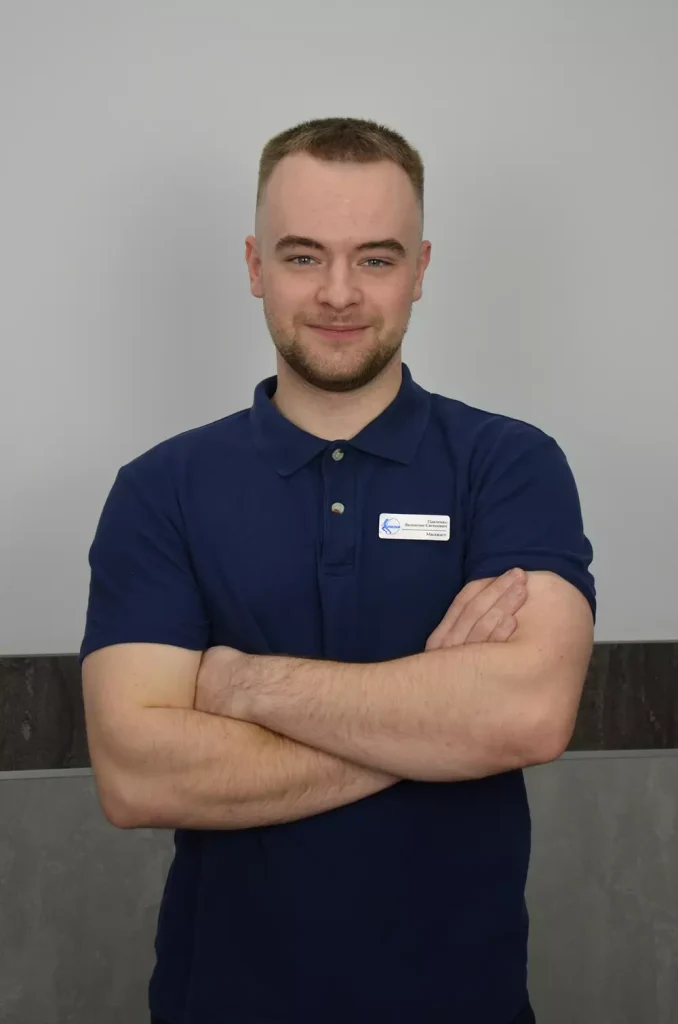
Masseur
We are grateful to everyone who has entrusted their health to us.
Your feedback is the best confirmation of the results of our work.
Share your impressions - they inspire us to become even better every day.
Leave your contacts — our specialist will contact you within 10–15 minutes to help you choose a service and answer all your questions.
We are always open for communication and ready to help you.
Call or email us to schedule a consultation or get detailed information.
Our experts will suggest the best solution for you.
Leave your contacts — our specialist will contact you within 10–15 minutes to help you choose a service and answer all your questions.