wellness centers
patients were helped
specialists
years of experience
Magnetotherapy is a method of physiotherapy in which the body is affected by low-frequency or high-frequency magnetic fields. They penetrate deep into the tissues and affect cellular processes, improving blood circulation, metabolism and regeneration.
The procedure is used to relieve pain, swelling, inflammation and to recover from injuries. without medications, injections and long recovery.
Under the influence of a magnetic field:
The vessels dilate, oxygen supply to tissues improves
Inflammation is reduced at the cellular level
Reduces swelling and muscle tension
Activated lymph flow and microcirculation
Stimulates the restoration of nerve endings
Accelerating regeneration of cartilage and connective tissue
The body receives more resources for self-recovery.
Painless and comfortable method
Can be used even for acute pain
Suitable for people with increased sensitivity
Safe for long-term courses
Does not require rehabilitation after the procedure
It is combined with exercise therapy, massage, UHT, TECAR, laser, etc.
arthrosis, arthritis
osteochondrosis
back, neck, lower back pain
muscle spasms and cramps
sprains, bruises
postoperative edema
vegetative-vascular disorders
microcirculation disorders
pinched nerves
neuralgia
recovery after nerve fiber injuries

Leave your contacts — our specialist will contact you within 10–15 minutes to help you choose a service and answer all your questions.
Magnetotherapy in KINEZIUM is a physiotherapy procedure using a magnetic field to assist with pain, tissue and recovery. It can be part of a physiotherapy program for joint pain, back pain, muscle discomfort or conditions after overload, if there are no contraindications. The technique is of an auxiliary nature and should not replace diagnostics, exercise therapy, load control or treatment of the underlying cause of pain. Before the procedure, the patient's condition, the presence of a pacemaker, metal implants, pregnancy, oncological risks and other restrictions are assessed. Magnetotherapy should be prescribed individually, not “for everyone the same”.
Magnetic physiotherapy may be useful for patients with joint pain, back pain, post-exercise pain or as part of rehabilitation following consultation. It may be considered as part of a course if gentle support is needed to support tissue repair and range of motion. However, if the pain is acute, the joint is hot and swollen, there is a fever, or there is a suspicion of infection or thrombosis, a medical evaluation is required first.
Status or request | When magnetotherapy may be considered |
Joint pain | As an adjunctive procedure after evaluating the cause of pain |
Back pain | As part of a comprehensive plan with exercises and load control |
After overload | If there is no acute trauma, infection, or vascular risks |
Rehabilitation after injuries | Only after stabilization of the condition and permission from a specialist |
Muscle discomfort | As an additional physiotherapy component |
The need for a gentle procedure | If other methods are inappropriate or require limitations |
Magnetic therapy can play a supporting role in reducing discomfort, supporting recovery, working with tissues and tolerating movement. The patient may feel that after the course it is easier to move or less bothered by local stiffness, but the effect is not the same for everyone. If the problem is related to weakness, instability, arthrosis or chronic overload, physiotherapy should be combined with active exercises. You should not expect that magnetic therapy will “restore the joint” by itself or replace rehabilitation. Its role is supportive, and the result is assessed by the function and dynamics of symptoms.
During magnetic therapy, joints, back, muscles, local areas of discomfort and areas after injuries can be treated according to indications. The area is determined after assessing the condition, because pain in the knee, lower back or shoulder can have different causes. If there are skin lesions, acute inflammation, active infection or unexplained swelling in the area, the procedure is not performed without a medical decision. In the case of metal implants or electronic devices, the safety of a particular technique must be clarified. The patient must report all implants, surgeries and chronic conditions before the start of the course.
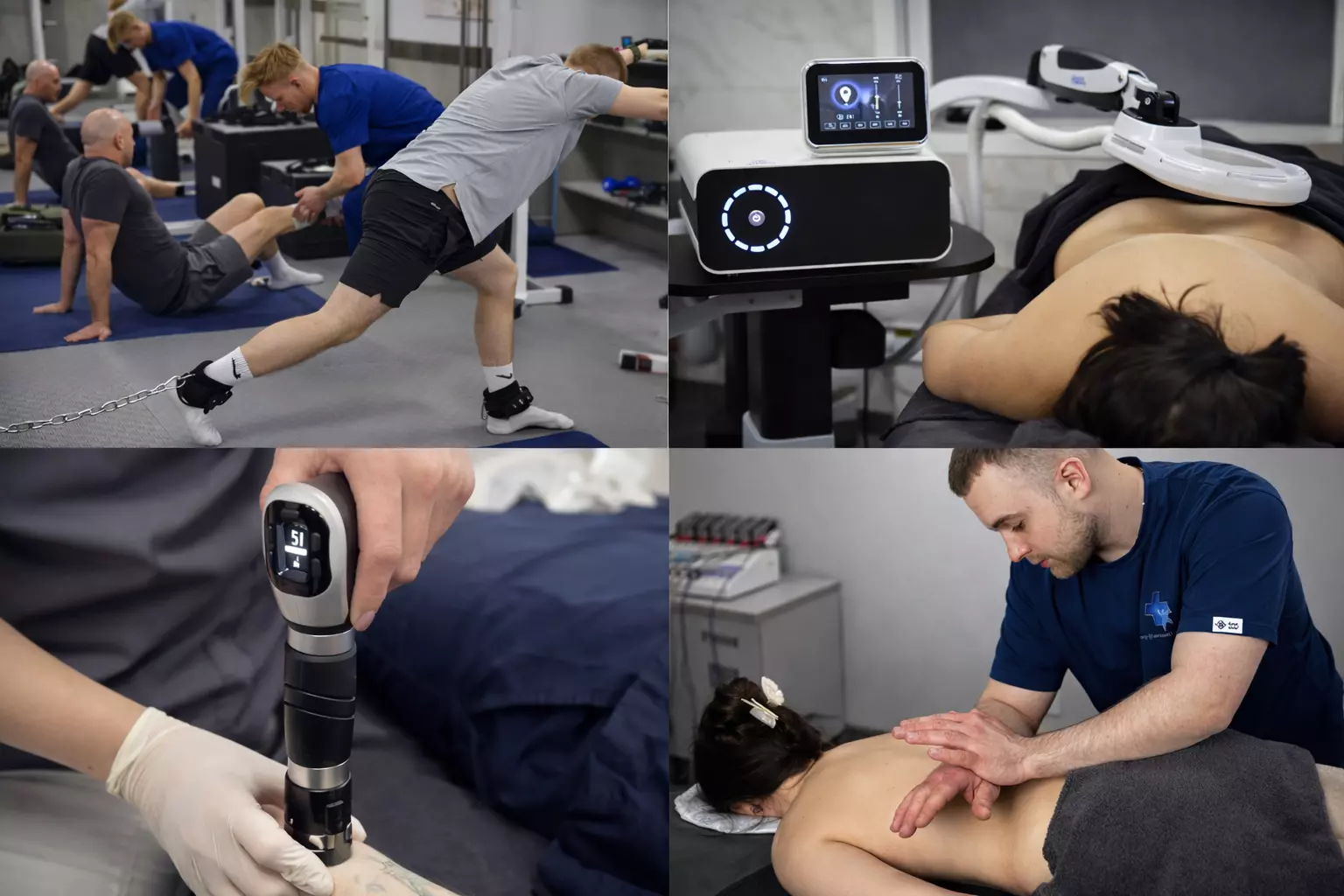
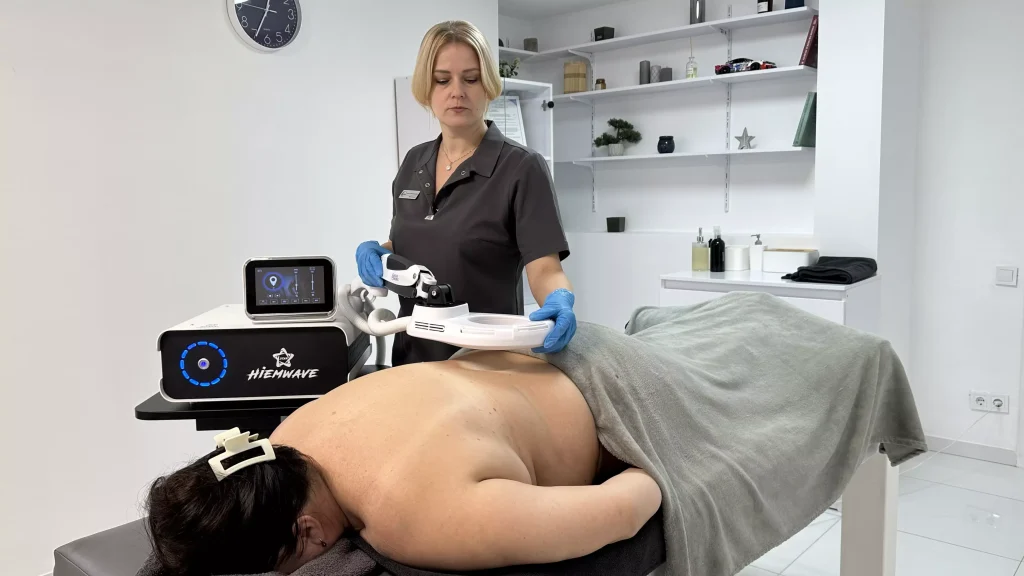
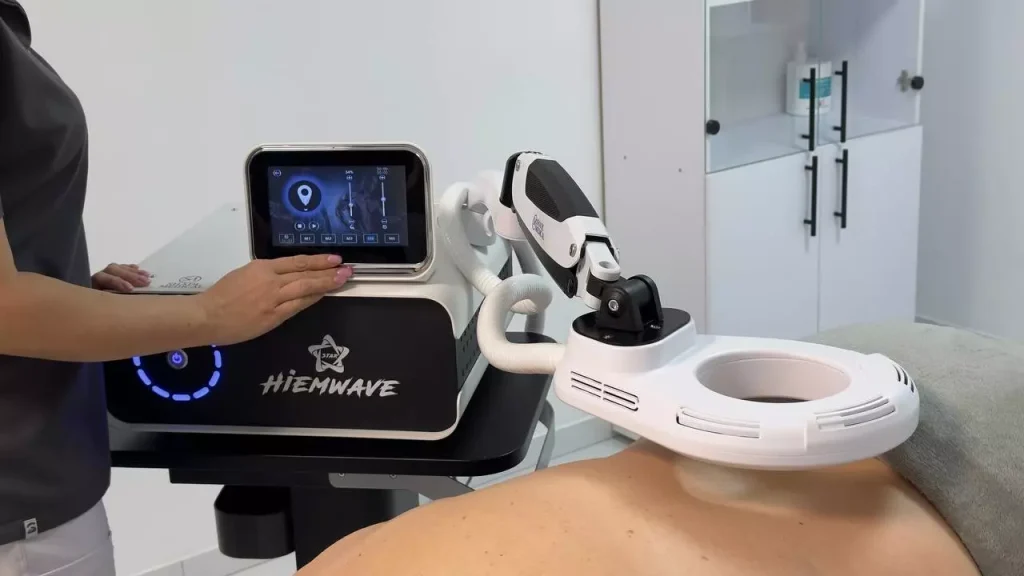
Magnetotherapy at the KINEZIUM center in Kyiv begins with an assessment of the condition, selection of the zone, checking for contraindications and explaining the procedure. The specialist adjusts the device, duration and mode of exposure depending on the task. During the session, the patient usually does not feel pronounced pain; the procedure is often tolerated mildly. After the session, there may be recommendations regarding activity, subsequent procedures and combination with exercise therapy or other rehabilitation. If symptoms worsen during the course, the plan should be reviewed.
Magnetotherapy differs from laser and electrotherapy in the type of physical effect. Laser therapy uses light energy, electrotherapy uses currents, and magnetotherapy uses a magnetic field. This makes the sensations during the procedure, contraindications, and role in the recovery process different.
Criterion | Magnetotherapy | Laser therapy | Electrotherapy |
Type of impact | Magnetic field | Light energy | Electric current |
Feeling | Often minimal | Minimal or light heat | Tingling, pulsation, muscle reaction |
Role | Adjunctive physiotherapy for tissue and pain | Pain and tissue support | Pain, spasm, neuromuscular stimulation |
Limitation | Pacemaker, pregnancy, cancer risks, bleeding | Eyes, photosensitivity, cancer risks, skin | Pacemaker, sensitivity, skin, pregnancy |
Place in the program | Part of the course according to indications | Part of the course according to indications | Part of the course according to indications |
Before magnetotherapy, it is necessary to take into account a pacemaker or other implanted electronic devices, pregnancy, oncological risks, acute infections, bleeding, thrombosis risks, vascular conditions, unexplained pain and metal implants in some cases. The magnetic field may be undesirable for people with certain medical devices, so you need to inform the specialist about them before the procedure. If there is an active inflammatory process, fever or a sharp deterioration in the condition, it is better to postpone the course.
The NCCIH, in its material on magnets for pain, warns that magnets can interfere with medical devices, including pacemakers and insulin pumps: https://www.nccih.nih.gov/health/magnets-for-pain-what-you-need-to-know. The NCCIH also notes that people with pregnancy or medical conditions should discuss magnetic therapy with a doctor: https://files.nccih.nih.gov/s3fs-public/Magnets_11-18-2015.pdf. MedlinePlus describes symptoms that require medical evaluation in its article on deep vein thrombosis: swelling, pain, warmth, and discoloration of the limb: https://medlineplus.gov/deepveinthrombosis.html. Therefore, it is important to check vascular, oncological, and device risks before magnetotherapy.
After magnetotherapy in KINEZIUM, you can expect a gradual possible effect: reduced discomfort, support for recovery and better tolerance of movement. The result depends on the condition, course, chosen technique and whether the procedure is combined with physical rehabilitation. If the pain has a mechanical cause, exercises, work with load and correction of movement are needed. Magnetotherapy should not be presented as a guaranteed method of pain treatment.
The NCCIH notes that scientific evidence does not support the use of static magnets for pain relief, and the results of studies on different types of pain have been mixed: https://www.nccih.nih.gov/health/magnets-for-pain-what-you-need-to-know. The MSD Manual Professional Edition also describes the evidence on magnets as mixed and insufficient for many pain conditions: https://www.msdmanuals.com/professional/special-subjects/integrative-complementary-and-alternative-medicine/magnets. A PubMed Central review of pulsed electromagnetic field therapy describes the potential effects of PEMF, but conclusions vary by protocol and clinical group: https://pmc.ncbi.nlm.nih.gov/articles/PMC10888009/. Practical conclusion: magnetotherapy can be an adjunct procedure, but expectations should be cautious.
The price of magnetotherapy in Kyiv depends on the number of procedures, the area of influence, the duration of the course, the method and the need for a preliminary consultation. If magnetotherapy is included in a comprehensive program, the total cost may also include exercise therapy, massage, other types of physiotherapy or a specialist consultation. To register with KINEZIUM, you should inform us of your complaint, diagnosis, presence of a pacemaker, metal implants, pregnancy, oncological conditions or vascular risks. After the assessment, the specialist will explain whether the method is suitable and what course may be appropriate. This will help to avoid procedures without indications or with undesirable risks.
Leave your contacts — our specialist will contact you within 10–15 minutes to help you choose a service and answer all your questions.