
 Skip to content
9 sessions + 1 as a gift
Rehabilitation after a knee fracture in KINEZIUM is a recovery after a knee fracture, which helps to restore mobility, strength, support, gait and pain control. After a fracture, the knee often loses flexion and extension, the thigh muscles weaken, and the patient is afraid to step on the leg. If there was surgery or immobilization, the program should take into account the images, the recommendations of the traumatologist, the allowed support and the stage of union. Recovery may include pain and swelling control, gentle movements, gradual support, strengthening, balance and gait training. The goal is to return the person to confident walking and everyday activities without premature strain.
A knee fracture can occur after a fall, direct impact, road traffic accident, sports injury, or significant twisting load. The knee area can be damaged by the patella, the bony surfaces of the femur or tibia, and the surrounding soft tissues.
| Reason | What can be damaged? |
| Falling on one knee | Patella, soft tissues, articular surface |
| Direct hit | Fracture of the patella or bony structures around the knee |
| Accident or severe injury | Complex fracture, dislocation, need for surgery |
| Sports injury | Combination of fracture with ligament or meniscus damage |
| Osteoporosis | A fracture can occur after a minor injury. |
| Postoperative condition | Recovery is required after fixation or osteosynthesis |
The degree of a knee fracture is determined by location, displacement, stability, treatment method, and permitted support. Rehabilitation after a non-displaced fracture and after surgery with fixation will be different.
| Type / degree | Typical manifestations | Rehabilitation logic |
| Non-displaced fracture | Pain, swelling, immobilization, movement restriction | Gradual development of movements after doctor's permission |
| Displaced fracture | Often requires closer monitoring or surgery | Recovery according to the images and recommendations of a traumatologist |
| After surgery | There is fixation, protocol, support restriction | Step-by-step program with healing control |
| Patella fracture | Difficulty extending the knee, quadriceps weakness | Special emphasis on extension and strength of the anterior thigh |
| Complex trauma | Swelling, instability, associated injuries | First medical control, then individual rehabilitation |
If rehabilitation is not performed after a knee fracture, persistent stiffness, quadriceps weakness, lameness, pain when climbing stairs, and fear of support may remain. After immobilization, the knee quickly loses range of motion and the thigh muscles lose strength. If weight is returned too soon, there is a risk of pain, swelling, or re-injury.
Possible consequences:
After a knee fracture, a balance is needed between protecting the bone and gradually returning motion.
The program after a knee fracture is needed by patients after immobilization, surgery, pain, swelling, weakness and walking restrictions. It is especially important after removing the plaster or orthosis, when the bone is already healing, but the knee does not bend, the muscles are weak and the gait is uncertain. The program is also needed by those who have support restrictions or fear of returning to full load.
| Situation | When recovery is needed |
| After a cast or brace | The knee is stiff, the muscles are weak, it is difficult to walk. |
| After surgery | It is necessary to take into account fixation, images and doctor's protocol |
| When support is prohibited | It is necessary to correctly transition from crutches to a full gait. |
| With edema | Flexion is limited, load is transferred worse |
| With hip weakness | Difficulty bending the knee, standing up, climbing stairs |
| When fear comes, | Support, balance, and gait training required |
Knee rehabilitation after a fracture helps restore flexion and extension, muscle strength, stability, balance, and confidence in support. In the early stages, it is important to control pain and swelling, and to perform only those movements and loads that the doctor has allowed. Then the program moves on to quadriceps activation, gradual support, gait training, and strengthening the muscles of the thigh, lower leg, and buttocks. In the case of a patella fracture, special attention is paid to knee extension and strength of the anterior surface of the thigh. The ultimate goal is to restore a confident step, stairs, household movements, and activity without repeated overload.
Rehabilitation after a knee fracture includes pain and swelling control, gentle movements, gradual support, strengthening, and gait training. The timing depends on the type of fracture, union, surgery, fixation, and recommendations from the traumatologist.
| Stage | What do they do? | Why is this needed? |
| 1. Constraint Analysis | Pictures, doctor's recommendations, permitted support | Do not overload the bone prematurely. |
| 2. Pain and swelling control | Dosed movements, positioning, physiotherapy as indicated | Prepare the knee for development |
| 3. Gentle amplitude | Gradual flexion and extension within safe limits | Reduce the risk of contracture |
| 4. Gradual support | Transitioning from crutches to more weight on the leg | Restore confidence and proper gait |
| 5. Strengthening | Quadriceps, glutes, lower leg | Restore knee control |
| 6. Balance and gait | Balance, stairs, everyday movements | Restore leg function in real life |
Rehabilitation after a knee fracture at the KINEZIUM center in Kyiv begins with an assessment of the images and doctor's recommendations, movements, pain, strength, swelling, support and gait. The specialist clarifies whether the fracture was displaced, whether there was an operation, what support is allowed and what movements are temporarily limited. Then an individual program is selected: gentle exercises, pain control, amplitude development, strengthening, balance and gait training. At each stage, the knee's reaction to the load is monitored. If the swelling increases or the pain increases sharply, the plan is adjusted.
Recovery after a knee fracture differs from rehabilitation after surgery in that the key factor is bone union and permitted support. There may also be restrictions after surgery, but they depend on the specific intervention: arthroscopy, meniscus, ligaments or endoprosthesis. After a fracture, it is especially important not to put weight on the leg before the traumatologist has allowed it.
| Criterion | After a knee fracture | After knee surgery |
| Main landmark | Bone fusion and permitted support | Protocol of a specific operation |
| Risk | Re-injury, pain, delayed recovery | Tissue overload after intervention |
| Start focus | Control of pain, swelling, range of motion, and support | Monitoring of edema, movements, strength according to the protocol |
| Loading rate | Depends on the images and recommendations of the traumatologist | Depends on the type of surgery and tissue condition |
| The ultimate goal | Gait, support, strength, balance, everyday activities | The same, but taking into account surgical intervention |
After a knee fracture, it is necessary to take into account incomplete union, pain, swelling, limited support, prohibition of early weight-bearing, risk of re-injury, postoperative prohibitions and recommendations of the traumatologist. If the doctor has not allowed full support, you cannot independently switch to walking without crutches. Also, you should not perform deep squats, jumps, running or strength exercises without control early.
The AAOS Knee Conditioning Program notes that after knee injury or surgery, an exercise program can help you return to daily activities, and strengthening your muscles reduces stress on your knee: orthoinfo.aaos.org. MedlinePlus, in its article on rehabilitation, describes recovery as the process of regaining the ability to perform daily activities after an injury or surgery: medlineplus.gov. MedlinePlus also explains that fractures take time to heal, and treatment and exercise should be as recommended by a medical professional: medlineplus.gov. Practical conclusion: after a knee fracture, the load should only increase when it is safe for the bone and joint.
After rehabilitation in KINEZIUM, you can expect a gradual return of gait, support, strength, amplitude and everyday activity. The result depends on the type of fracture, fusion, surgery, immobilization, swelling, age, muscle strength and regularity of training. The patient should gradually stand on his feet more confidently, bend and unbend the knee better, walk more smoothly and perform everyday movements more easily.
The AAOS Knee Conditioning Program emphasizes the role of exercise in returning to daily activity after knee injury or surgery: orthoinfo.aaos.org. MedlinePlus describes rehabilitation as the process of restoring abilities for daily living after injuries and surgeries: medlineplus.gov. MedlinePlus's article on fractures explains that the bone needs time to heal, and a weight-bearing plan should be discussed with a medical professional: medlineplus.gov. Practical conclusion: a good outcome after a knee fracture is not only union, but also the return of gait, strength, and confidence in support.
To sign up for rehabilitation after a knee fracture, you need to contact KINEZIUM and inform them of the date of the injury, the type of fracture, whether there was an operation, whether support is allowed and what restrictions the traumatologist gave. It is advisable to bring pictures, a doctor's statement and recommendations to the first consultation. The specialist will assess mobility, pain, swelling, strength, support, gait and a safe level of load. After that, an individual program is formed with gradual progress. If the union has not yet been confirmed or there is severe pain and swelling, active load is postponed until a medical assessment.
Wellness centers
Patients were helped
Specialists
Years of experience
Our team consists of experienced rehabilitation specialists, physiotherapists, and massage therapists who help people restore their health and return to an active life every day.
We combine modern techniques, an individual approach, and sincere care for each patient.

Chief Rehabilitation Specialist
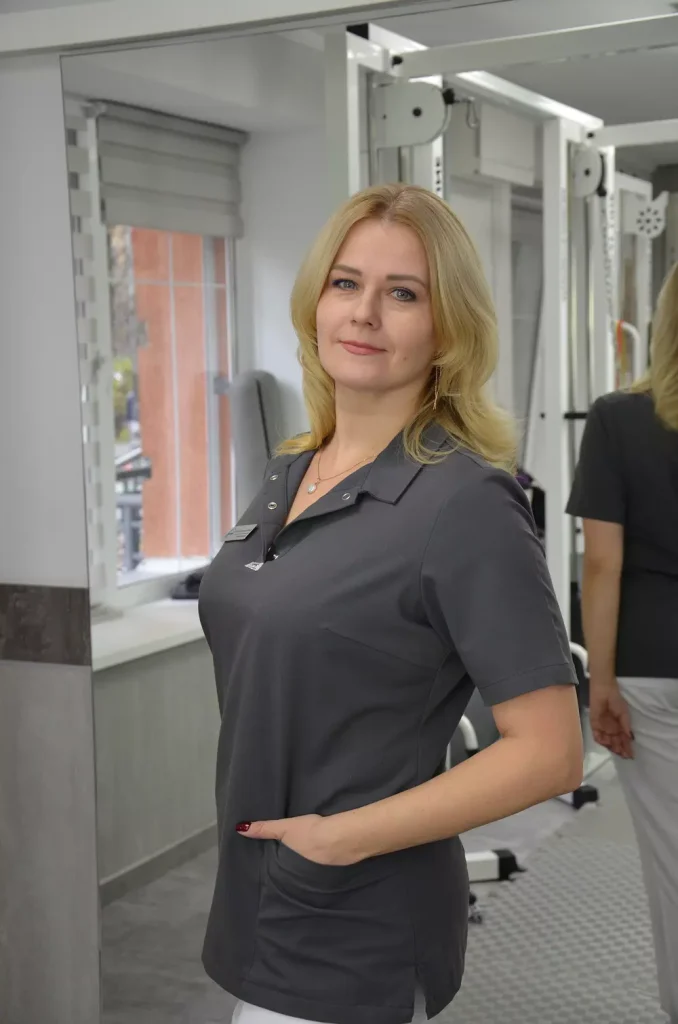
Chief physiotherapist
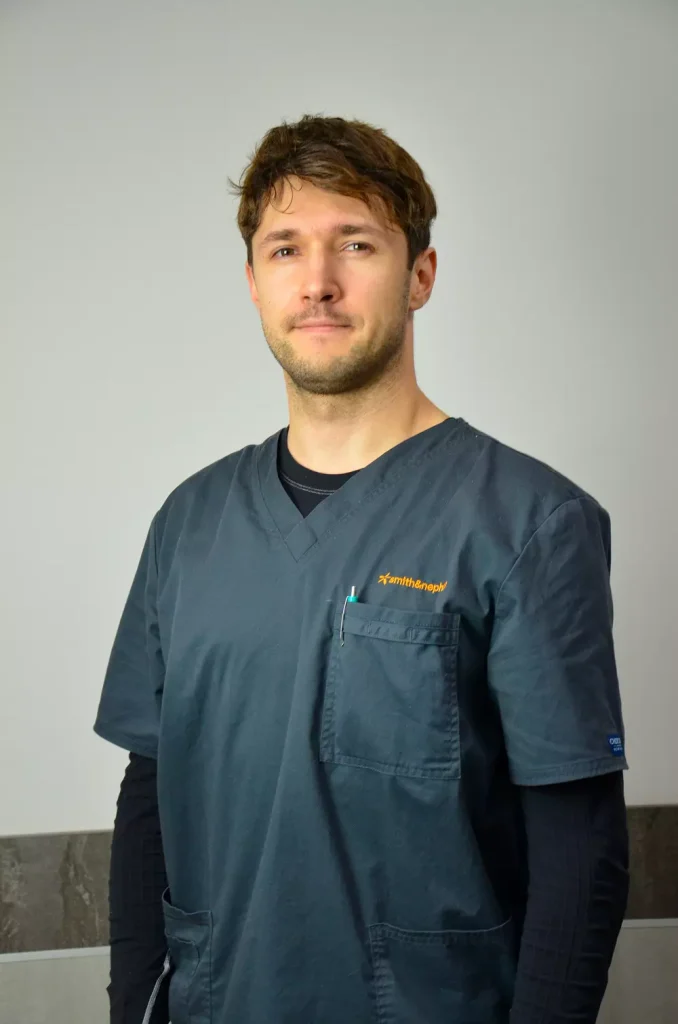
Orthopedic traumatologist
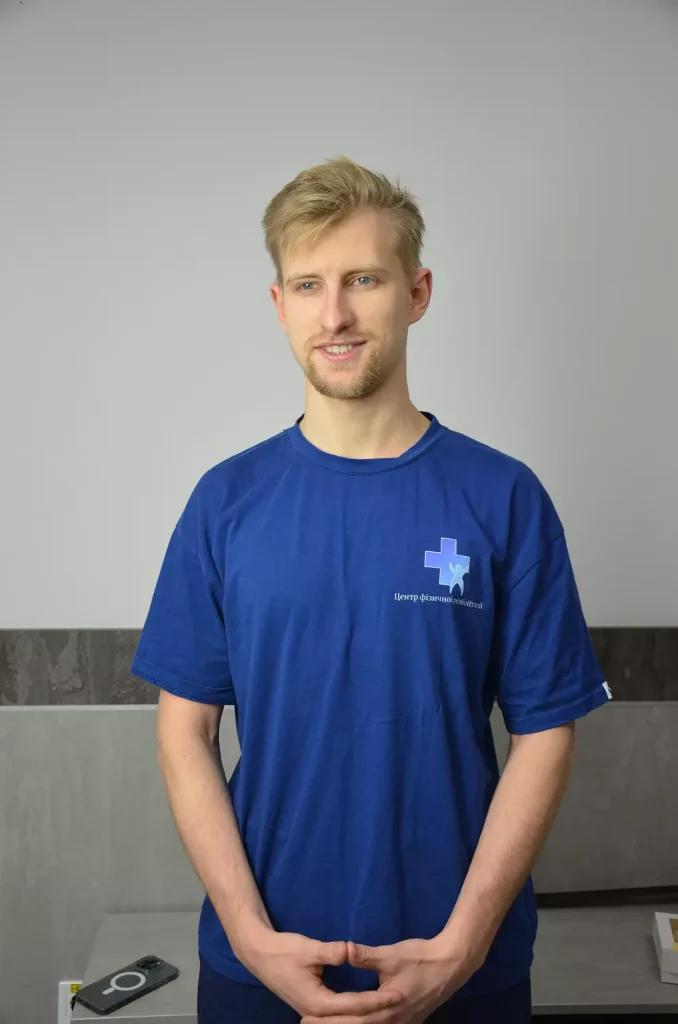
Chief rehabilitation specialist of physical therapy

Masseur
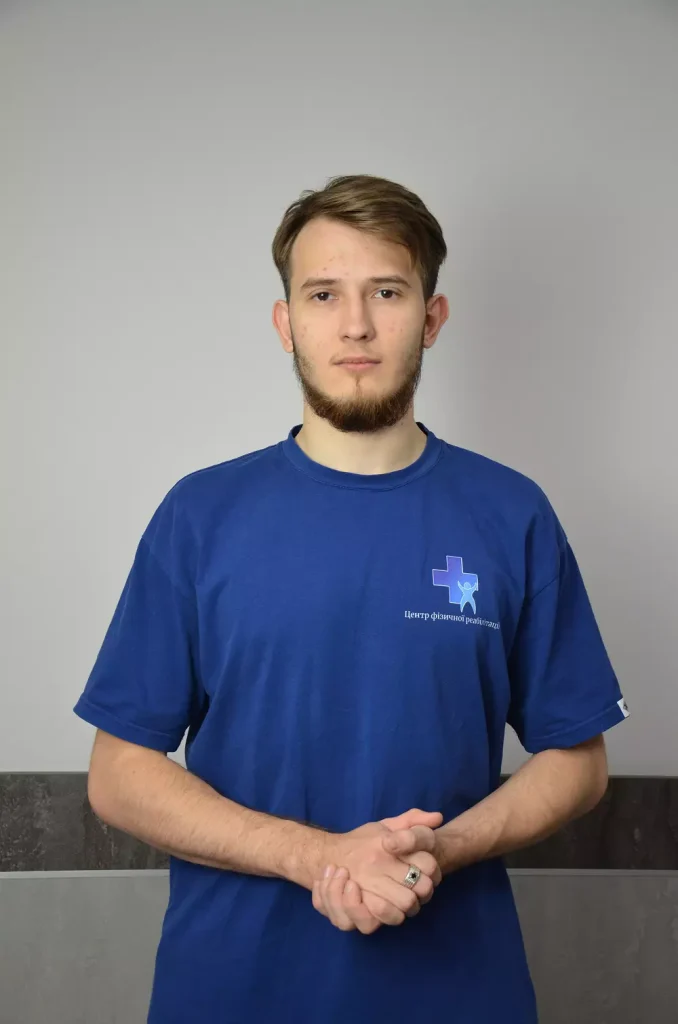
Masseur
Masseur

Masseur
We are grateful to everyone who has entrusted their health to us.
Your feedback is the best confirmation of the results of our work.
Share your impressions - they inspire us to become even better every day.
Leave your contacts — our specialist will contact you within 10–15 minutes to help you choose a service and answer all your questions.
We are always open for communication and ready to help you.
Call or email us to schedule a consultation or get detailed information.
Our experts will suggest the best solution for you.
Leave your contacts — our specialist will contact you within 10–15 minutes to help you choose a service and answer all your questions.