 Skip to content
9 sessions + 1 as a gift
After a stroke, rehabilitation helps to gradually restore movement, strength, coordination, gait, and everyday skills after the condition has stabilized and is in agreement with the doctor.
The specialist analyzes the discharge, doctor's recommendations, strength, tone, coordination, sensitivity, gait, balance, cognitive or language limitations. Blood pressure, cardiac risks, seizures, risk of falls, and overall load tolerance are also taken into account.
The exercises are designed to gradually restore control of the arm or leg, activate weakened muscles, and reduce compensatory movements. The exercises are designed to allow the patient to work safely and with consideration for the neurological deficit.
A separate part of the program is training in standing up, weight transfer, walking, turning, balance, and safe movement. This helps reduce the risk of falling and restore confidence in movement.
Rehabilitation is focused not only on exercises, but also on real actions: getting up from a chair, walking across a room, climbing stairs, maintaining balance, using one's hand in everyday life. These are the skills that determine the quality of life after a stroke.
Do not start classes if you have unstable blood pressure, acute neurological symptoms, seizures, a sudden deterioration in your condition, severe weakness without medical evaluation, or a high risk of unassisted falls. If you develop new weakness, speech disorders, facial asymmetry, or a sudden deterioration in coordination, seek immediate medical attention.
The result is formed gradually: movement control, gait, balance, strength, endurance and the ability to perform everyday activities improve. The program does not promise the same result for all patients, but helps to maximize the potential for recovery, taking into account the person's condition.
Sign up for an initial assessment at KINEZIUM and receive an individual rehabilitation plan after a stroke.
Wellness centers
Patients were helped
Specialists
Years of experience
Our team consists of experienced rehabilitation specialists, physiotherapists, and massage therapists who help people restore their health and return to an active life every day.
We combine modern techniques, an individual approach, and sincere care for each patient.
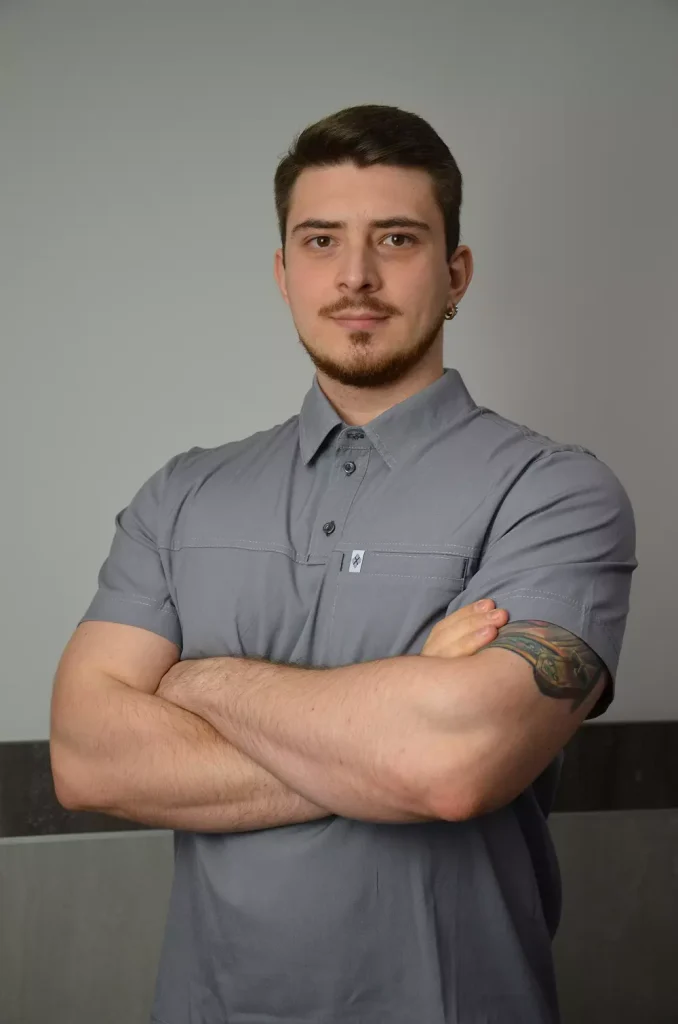
Chief Rehabilitation Specialist
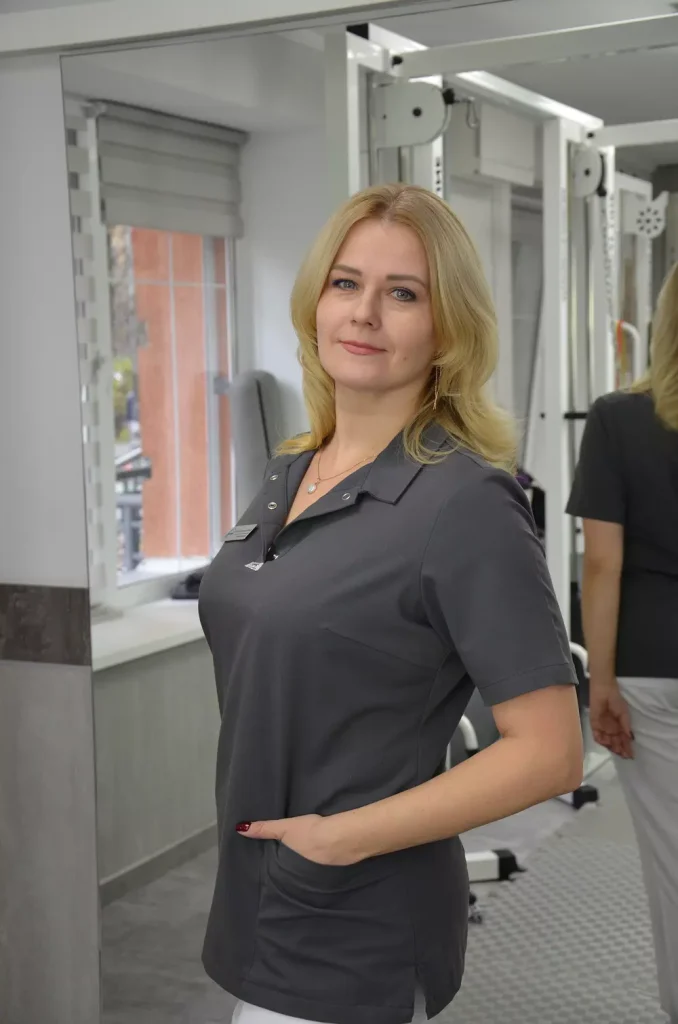
Chief physiotherapist
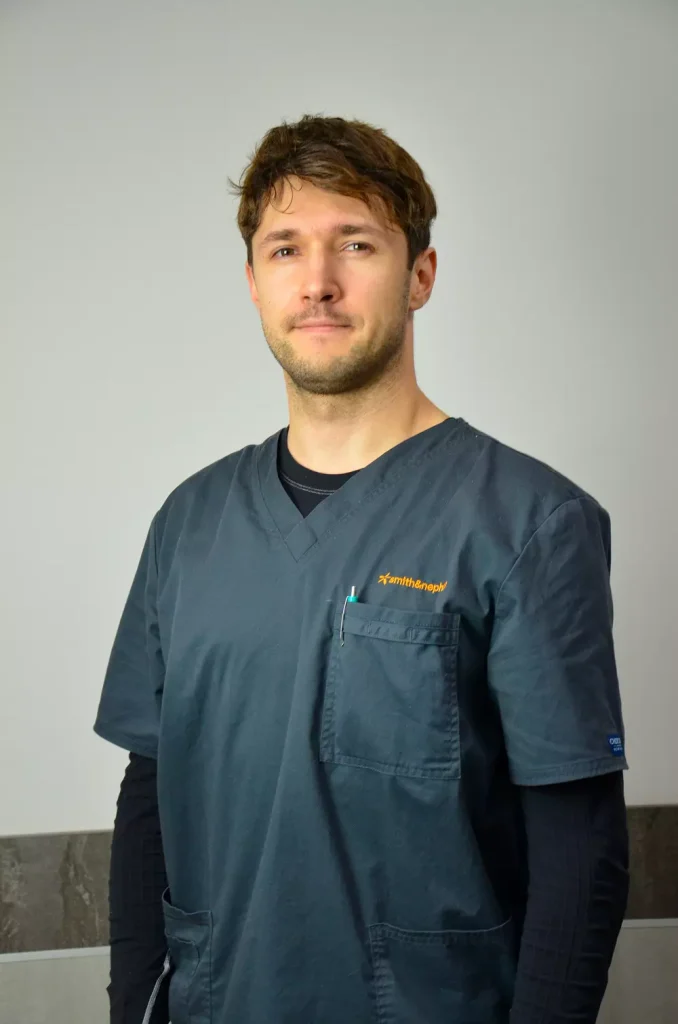
Orthopedic traumatologist
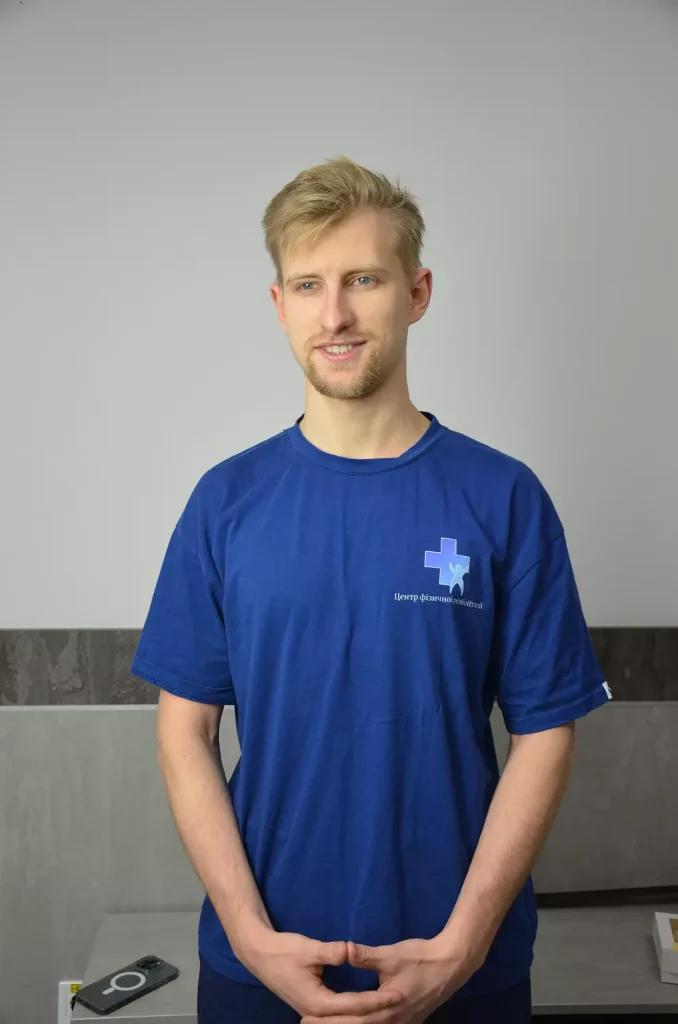
Chief rehabilitation specialist of physical therapy
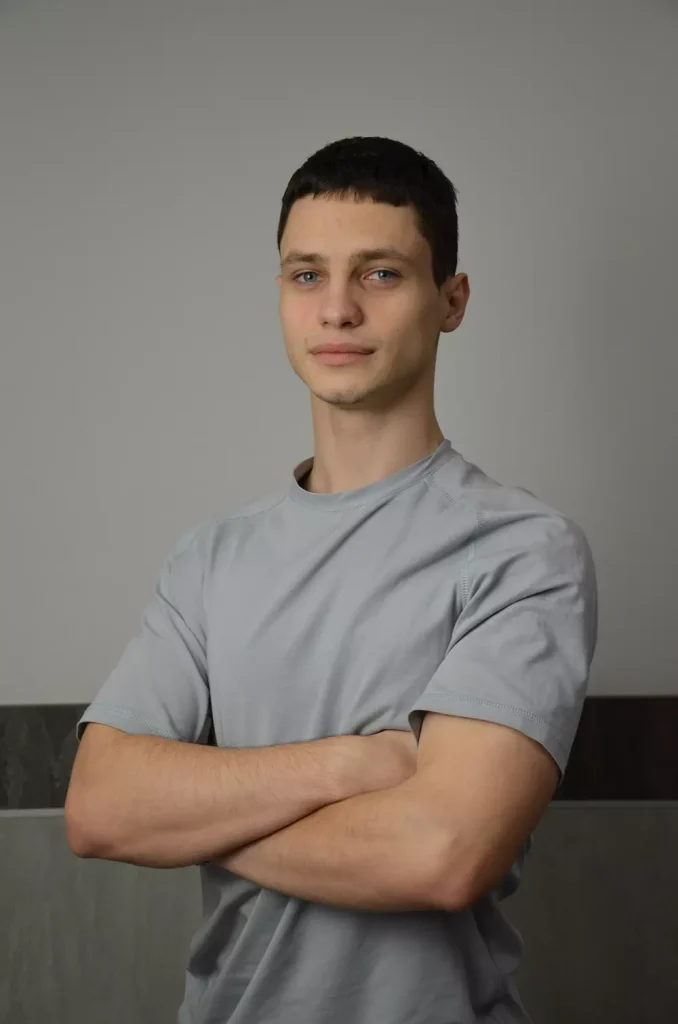
Masseur
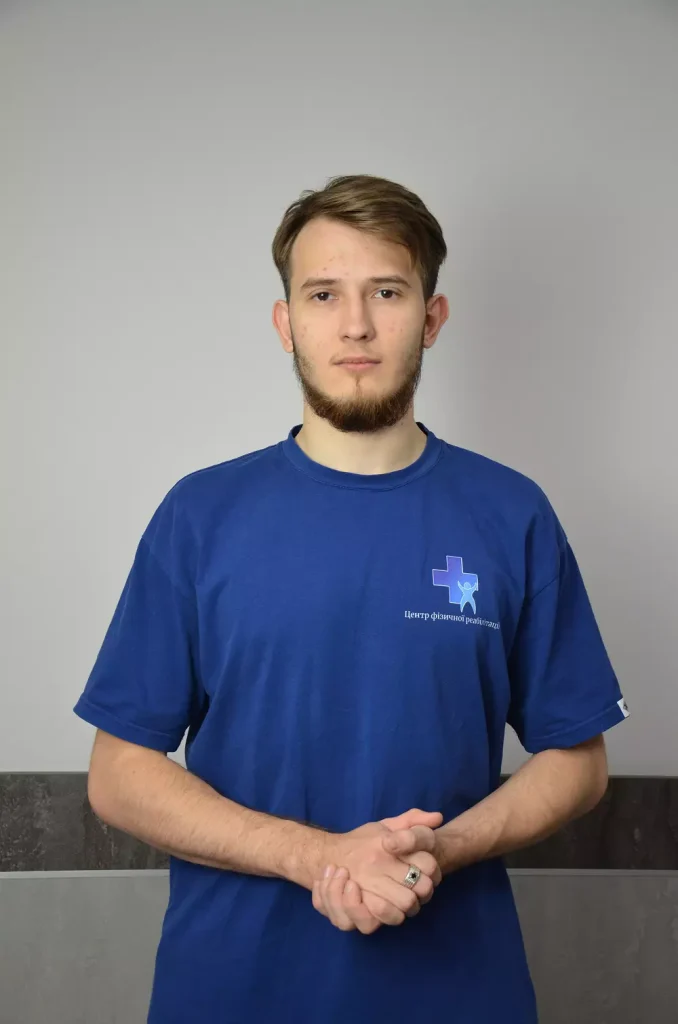
Masseur
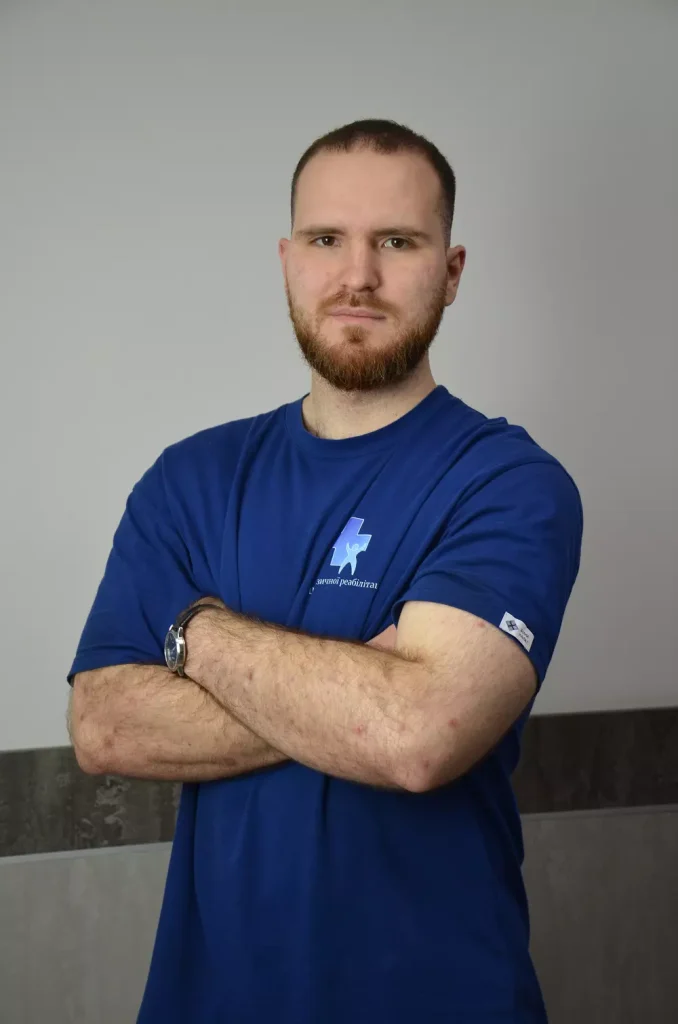
Masseur
Masseur
We are grateful to everyone who has entrusted their health to us.
Your feedback is the best confirmation of the results of our work.
Share your impressions - they inspire us to become even better every day.
Leave your contacts — our specialist will contact you within 10–15 minutes to help you choose a service and answer all your questions.
We are always open for communication and ready to help you.
Call or email us to schedule a consultation or get detailed information.
Our experts will suggest the best solution for you.
Rehabilitation after a stroke at KINEZIUM includes the restoration of movement, strength, coordination, gait, balance, everyday skills and control of safe load after stabilization of the condition. A stroke can affect not only the muscles, but also the sensitivity, tone, coordination, attention, speech, memory and the ability to perform habitual actions. Therefore, the program should be individual and consistent with medical recommendations. The main goal is to gradually restore the maximum possible independence, reduce the risk of falls and teach the patient to move safely in everyday life.
A stroke rehabilitation center may be needed for stroke or microstroke patients with weakness, gait, coordination, balance, or arm or leg movement problems. Even if symptoms appear “mild,” the patient may have fatigue, fear of falling, unsteadiness, or difficulty with daily activities. An assessment helps determine what functions need to be restored and what level of activity is safe.
Condition after stroke | What can be the goal of rehabilitation? |
Weakness in an arm or leg | Restoring control of movement, strength, and everyday activities |
Gait disturbance | Training of gait, support, balance and safety |
Disequilibrium | Fall risk reduction and stability training |
Spasticity or stiffness | Working with amplitude, tone and functional movements |
Rapid fatigue | Load dosage and gradual increase in endurance |
Domestic difficulties | Restoring standing, walking, self-care, and activity |
Physical rehabilitation after stroke helps restore strength, motor control, balance, gait, endurance, independence in daily life, and prevention of contractures. It may include training in sitting-to-standing, walking, balance, handwork, coordination, and functional tasks. It is important to work not only with a single muscle, but with real actions: standing up, taking a step, maintaining balance, carrying an object, returning safely. The pace of training depends on medical stability, blood pressure, cardiac risks, neurological deficits, and general condition.
Rehabilitation after a microstroke may be necessary even if the main symptoms have rapidly resolved. After a transient ischemic attack or a minor stroke, there may be residual impairments in coordination, strength, balance, endurance, attention, or confidence when walking. The assessment helps to check the risk of falls, load tolerance, and household limitations. The start of a program should be agreed with the doctor, especially if there are blood pressure fluctuations, heart disease, or new neurological symptoms.
The initial assessment after a stroke includes an analysis of the discharge, movements, strength, tone, coordination, gait, balance, speech or cognitive limitations and contraindications. The specialist clarifies when the stroke occurred, what recommendations the doctor gave, what medications the patient is taking, whether there is a risk of falls, seizures, unstable blood pressure or cardiac limitations. Functional tasks are then assessed: standing up, walking, turning, support, hand work, endurance and household independence. After this, a phased program with controlled load and home recommendations is formed.
The stroke rehabilitation center works according to a phased plan, where a team approach, safety control, load adaptation, homework and progress tracking are important. A one-time procedure can provide local help, but after a stroke, repeated training in movements and everyday skills is usually required. It is the systematic approach that helps the brain and body gradually form new movement strategies.
Criterion | One-time procedures | Stroke rehabilitation program |
Approach | Individual impact without full route | A step-by-step plan with goals and progress monitoring |
Focus | Local relief or separate skill | Gait, balance, strength, coordination, everyday function |
Security | May not cover all risks | Takes into account pressure, falls, seizures, weakness, cognitive limitations |
Homework | Not always structured | Is part of recovery between classes |
Result | Limited to a specific session | Gradual return of independence and activity |
The cost of stroke rehabilitation depends on the patient's condition, the duration of the course, the number of sessions, the need for physical therapy, physiotherapy and individual support. If a person has severe weakness, a high risk of falling, gait disorders or needs help with household skills, the program usually requires more time and supervision. The price is also affected by the format: initial assessment, individual sessions, frequency of visits, additional procedures and the involvement of several specialists.
Factor | How does it affect the program? |
Level of motor impairment | Determines the difficulty and duration of classes |
Risk of falls | Requires more safety control and balance training |
Hand or gait disorders | Influences the choice of exercises and functional tasks |
Number of classes | Depends on goals and progress dynamics |
Need for physiotherapy | Can be added as an auxiliary component |
Home recommendations | Helps maintain results between visits |
Before starting exercise after a stroke, unstable blood pressure, cardiac risks, seizures, high risk of falls, severe weakness, swallowing disorders, acute neurological symptoms, confusion, or a sharp deterioration in condition should be considered. If weakness increases, new numbness, speech disorders, facial asymmetry, or sudden deterioration in coordination appear, this may be a sign of a second vascular event. In such cases, rehabilitation is not continued - urgent medical care is required.
The CDC describes stroke rehabilitation as working with physical, occupational, and speech therapists; physical therapy uses exercises to restore movement and coordination lost due to stroke: https://www.cdc.gov/stroke/treatment/index.html. MedlinePlus notes in its post-stroke discharge article that the patient may need assistance with daily activities and physical or occupational therapy to restore function: https://medlineplus.gov/ency/patientinstructions/000132.htm. The American Stroke Association warns that worsening weakness or new weakness in another part of the body may be a sign of a second stroke, and in such a situation, you should not delay seeking help: https://www.stroke.org/en/life-after-stroke/preventing-another-stroke/recognizing-a-second-stroke-and-making-an-emergency-action-plan. The NCBI Bookshelf review on gait recovery after stroke supports intensive gait training in the subacute period, if appropriate and safe for the patient: https://www.ncbi.nlm.nih.gov/books/NBK585593/. Therefore, classes should only begin after checking medical stability and risks.
To sign up for stroke rehabilitation at KINEZIUM, you need to prepare a discharge, examination results, recommendations from a neurologist or family doctor, and a list of medications. When making an appointment, you should inform us when the stroke occurred, what functions are impaired, whether there is weakness, gait disturbance, risk of falls, seizures, unstable blood pressure, or cognitive limitations. During the initial assessment, a specialist will check the safety of the load, movements, strength, balance, coordination, and household goals. After that, an individual recovery program is formed.
Leave your contacts — our specialist will contact you within 10–15 minutes to help you choose a service and answer all your questions.