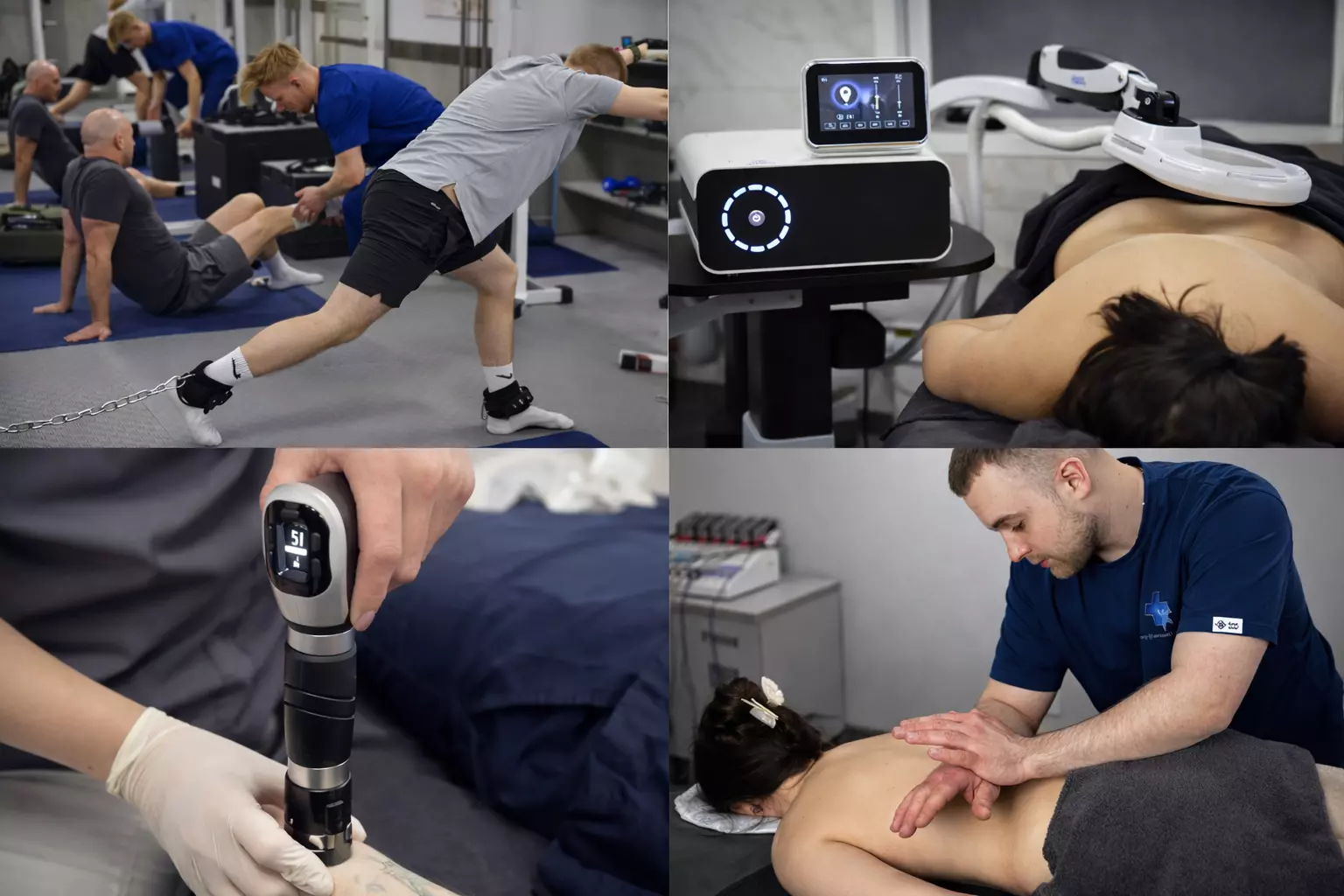
wellness centers
patients were helped
specialists
years of experience
Knee rehabilitation at KINEZIUM is the restoration of mobility, strength, stability and function of the knee after injury, surgery, immobilization, pain or gait disturbance. The knee is involved in walking, squatting, climbing stairs, getting up from a chair and sports movements, so after an injury it is important to restore not only flexion and extension, but also strength, balance and control of support. The program may include exercise therapy, physiotherapy, gait training, quadriceps strengthening, balance work, swelling control and home exercises. At KINEZIUM, rehabilitation is selected according to the type of problem: surgery, ligament rupture, meniscus, fracture, arthroscopy or chronic pain. The goal is to restore confident gait and safe loading without early overload.
Knee injuries can occur from a fall, pivoting, contact sports, sudden braking, jumping, impact, or overload. Often, more than one structure is affected by an injury: ligaments, menisci, articular surface, tendons, muscles, and soft tissues may be involved.
Reason | What can be damaged? |
Pivot on the supporting leg | Ligaments, menisci, knee stability |
Fall or impact | Bones, patella, soft tissues, joint capsule |
Sports injury | ACL/PCL, menisci, tendons, cartilage, muscles |
Knee surgery | Need to restore range of motion, strength, gait, and edema control |
Immobilization | Quadriceps weakness, stiffness, gait disturbance |
Chronic overload | Pain in the tendons, front of the knee, or around the joint |
The severity of the knee injury determines how quickly you can support yourself, whether surgery, a brace, or a restriction of movement is needed. After surgery, the pace is set by the surgeon's protocol, and after a non-surgical injury, pain, swelling, stability, and function set the pace.
Degree/state | Typical manifestations | Rehabilitation logic |
Mild overexertion | Moderate pain, slight stiffness, gait almost preserved | Pain control, mobility exercises, and gentle strengthening |
Trauma with swelling | Pain, limited flexion, lameness | Edema control, gradual amplitude, dosed support |
Instability | The knee “twists up”, there is a fear of turning | Stabilization, balance, proprioception, strengthening |
After surgery | Surgeon's protocol, support or movement restrictions | Staged recovery, swelling and strength control |
Complex trauma | Significant pain, locking, instability, inability to support | First a medical evaluation, then an individual program |
If knee injury or surgery is not repaired, swelling, quadriceps weakness, limited flexion, lameness, and fear of support may persist. The person begins to shift weight to the other leg, alters gait, and overloads the hip, back, or other knee. Without regaining balance and strength, the risk of re-injury increases.
Possible consequences:
The knee needs not only “development”, but also restoration of support, strength, balance and confidence in movement.
Rehabilitation after knee surgery is needed for patients after surgery, knee injury, immobilization, pain, swelling, weakness, and limited walking. It is also needed after arthroscopy, meniscus surgery, ligament surgery, fractures, or joint replacement. Even if the pain has subsided, the knee may remain weak, swollen, and unsteady on its feet.
Situation | When rehabilitation is needed |
After knee surgery | It is necessary to restore movement, strength, and gait according to the surgeon's protocol. |
After a knee injury | There is pain, swelling, instability, or fear of support |
After immobilization | The knee is stiff, the muscles are weak, the gait has changed |
With quadriceps weakness | Difficulty climbing stairs, getting out of a chair, or controlling your knee |
With edema | Flexion is limited, movements are painful, load is tolerated worse |
When returning to sports | Requires strength, balance, coordination, and turn control |
Exercise therapy for the knee joint helps restore range of motion, strengthen the quadriceps, improve stabilization, balance, gait, and gradually return the load. After an injury or surgery, the quadriceps often “turn off,” which makes the knee less able to control steps, steps, and squats. Exercises help restore extension, flexion, and strength of the thigh, gluteal, and lower leg muscles. Balance and proprioception are trained separately so that the knee responds better to changes in body position. Without exercise therapy, even high-quality physiotherapy can only provide temporary relief.
Rehabilitation after knee surgery includes pain and swelling control, regaining flexibility, strengthening, balance, and a gradual return to activity. The specific pace depends on the type of surgery: arthroscopy, meniscus, ligament, fracture, or arthroplasty have different limitations.
Stage | What do they do? | Why is this needed? |
1. Pain and swelling control | Positioning, dosed loading, physiotherapy as indicated | Reduce movement restrictions and prepare the knee for exercise |
2. Amplitude recovery | Flexion, extension, soft movements within permitted limits | Restore basic knee mobility |
3. Muscle activation | Quadriceps, glutes, calf muscles | Restore knee control during stance |
4. Gait training | Support, step, work with or without crutches | Reduce lameness and restore confident gait |
5. Balance and stability | Proprioception, knee control, balance exercises | Reduce the risk of re-injury |
6. Return to activity | Stairs, squats, work and sports tasks | Prepare the knee for real load |
Knee rehabilitation at the KINEZIUM center in Kyiv begins with an assessment of movement, pain, gait, muscle strength, swelling, stability, and postoperative limitations. If surgery was performed, the specialist analyzes the surgeon's protocol, allowed resistance, and amplitude limitations. Then, exercises are selected for mobility, quadriceps activation, gait training, balance, and gradual strengthening. At each session, the knee's reaction is monitored: swelling, pain, step quality, strength, and confidence in support. Home exercises help maintain progress between visits.
Rehabilitation after joint surgery differs from individual procedures in that it has a comprehensive plan, exercise therapy, physiotherapy, load control, gait work, and homework. A single procedure may reduce pain or tension, but without exercise, muscles do not regain strength, and gait may remain abnormal. After surgery, it is important to follow the stages of tissue healing.
Criterion | Separate procedure | Knee rehabilitation |
Focus | Temporary reduction in pain or swelling | Return of movement, strength, gait and stability |
Methods | One effect: massage, physiotherapy or hardware technique | Exercise therapy, physiotherapy, gait, balance, home exercises |
Support control | Often not worked out | Assesses gait, lameness, and load on the leg |
After surgery | May not consider the entire protocol | Takes into account the allowed resistance and the healing stage |
Result | May be short-lived | Focused on restoring knee function |
After knee injury or surgery, pain, swelling, instability, surgeon limitations, risk of re-injury, early weight-bearing restrictions, signs of infection, and thrombotic risks should be considered. If the knee becomes very swollen, hot, painful to bear, or has calf pain, consult a doctor. Do not return to running, jumping, or twisting too early without regaining strength and control.
The AAOS Knee Conditioning Program notes that after knee injury or surgery, an exercise program helps you return to daily activities, and strengthening your muscles reduces stress on the joint: https://orthoinfo.aaos.org/en/recovery/knee-conditioning-program/. MedlinePlus describes raising the leg, controlling swelling, and following weight-bearing guidelines in its article on knee injury care: https://medlineplus.gov/ency/patientinstructions/000582.htm. The NHS/University Hospitals of Derby and Burton describes the aims of the knee rehabilitation programme as restoring movement, strength and control of the knee joint: https://www.uhdb.nhs.uk/knee-rehabilitation-programme/. Practical conclusion: the knee needs to be rehabilitated not only for pain, but also for gait, strength, and movement control.
After knee rehabilitation in KINEZIUM, you can expect a gradual return of gait, strength, range of motion, balance, and everyday activities. The result depends on the type of injury or surgery, swelling, muscle condition, adherence to the protocol, regularity of classes, and home program. In practical terms, the patient should find it easier to walk, get out of a chair, climb stairs, squat within everyday limits, and put more weight on his leg.
The AAOS Knee Conditioning Program explains that after injury or surgery, exercises can help you return to daily activities and maintain knee strength and mobility: https://orthoinfo.aaos.org/en/recovery/knee-conditioning-program/. MedlinePlus describes rehabilitation as the process of restoring the abilities needed for daily living after an injury or surgery: https://medlineplus.gov/rehabilitation.html. The NHS/University Hospitals of Derby and Burton states that a knee rehabilitation program aims to restore movement, strength and control of the joint: https://www.uhdb.nhs.uk/knee-rehabilitation-programme/. Practical conclusion: high-quality knee rehabilitation restores not only amplitude, but also confidence in your step.
To sign up for knee rehabilitation, you need to contact KINEZIUM and tell them what happened: injury, surgery, pain, swelling, instability, limited gait or weakness. For the first visit, it is advisable to take a discharge, MRI / CT / X-ray, doctor's recommendations and information about the allowed support. The specialist will assess mobility, strength, gait, swelling, balance and safety of the load. After that, an individual recovery program is formed. If there is severe swelling, pain in the calf, fever or inability to support, a medical evaluation is required first.
Our team consists of experienced rehabilitation specialists, physiotherapists, and massage therapists who help people restore their health and return to an active life every day.
We combine modern techniques, an individual approach, and sincere care for each patient.
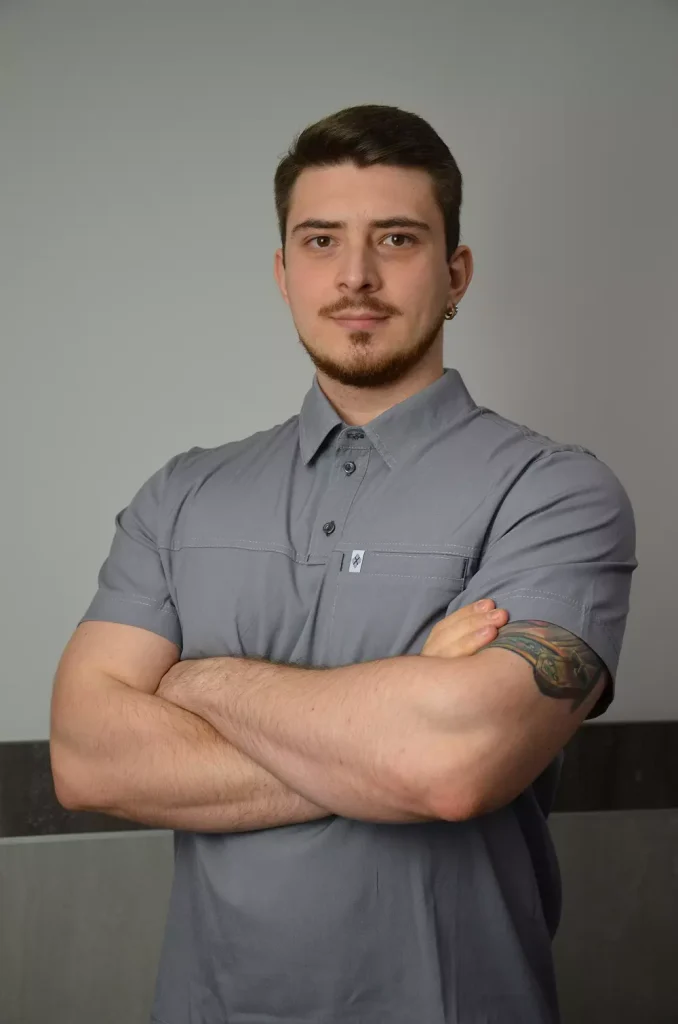
Chief Rehabilitation Specialist
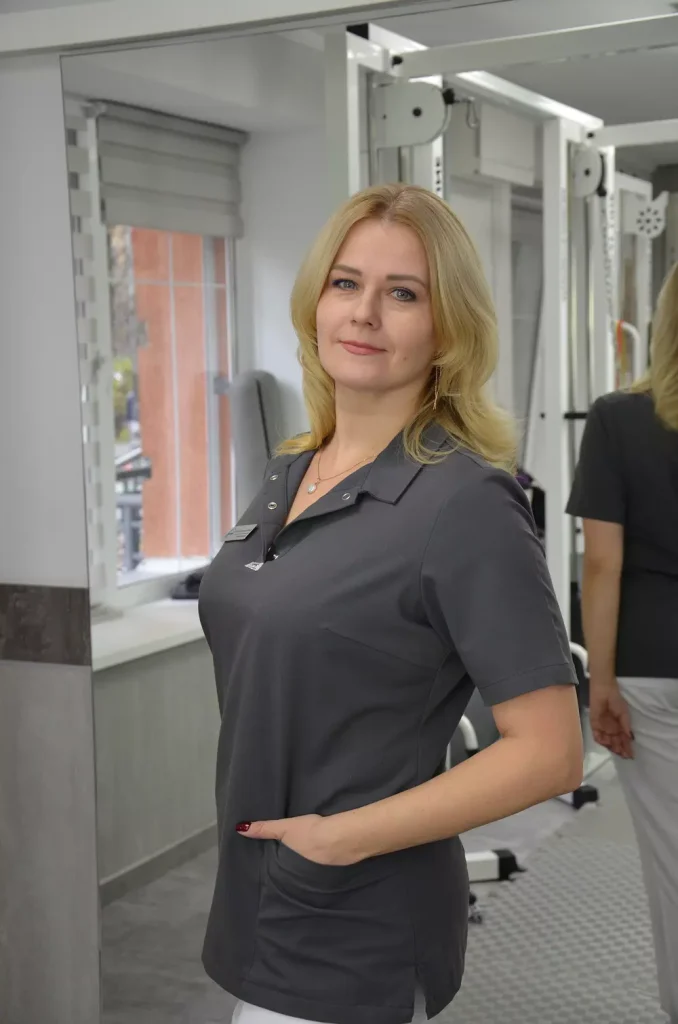
Chief physiotherapist
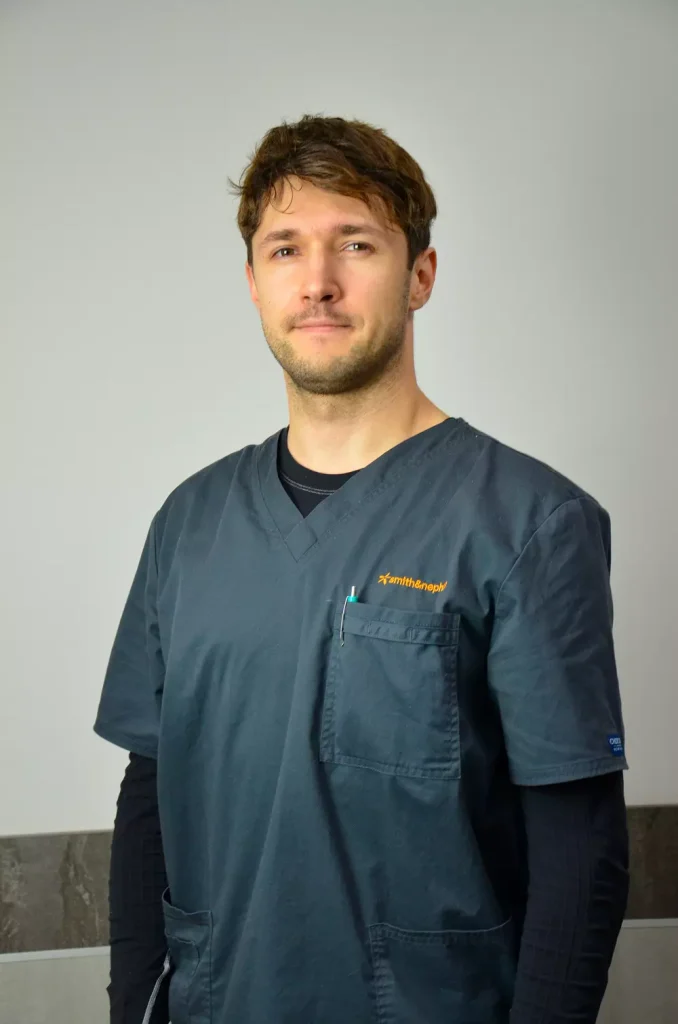
Orthopedic traumatologist
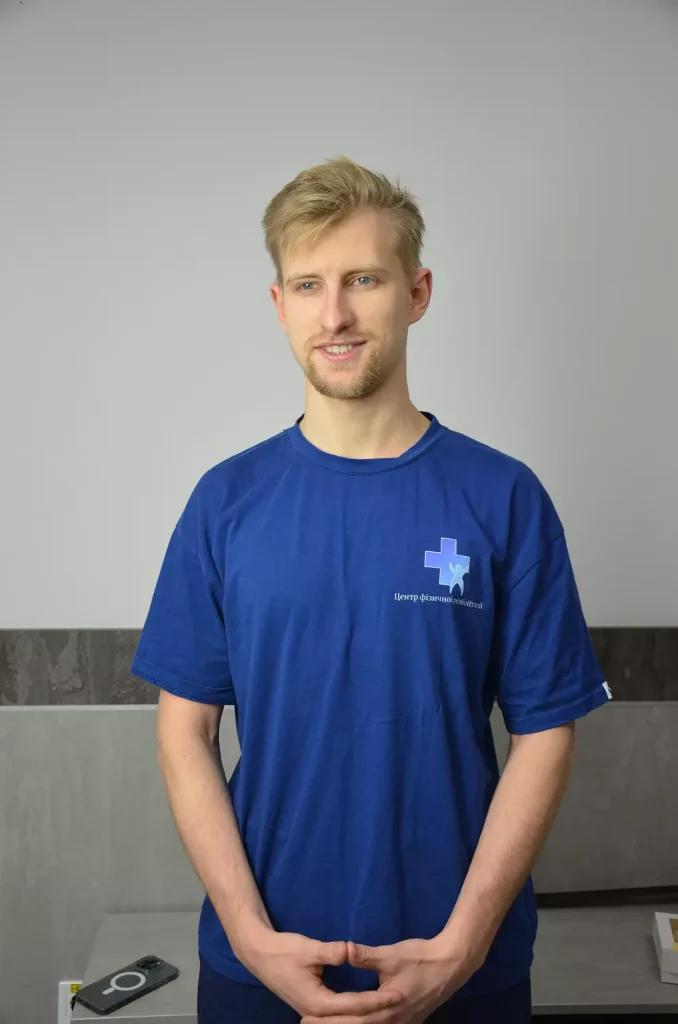
Chief rehabilitation specialist of physical therapy
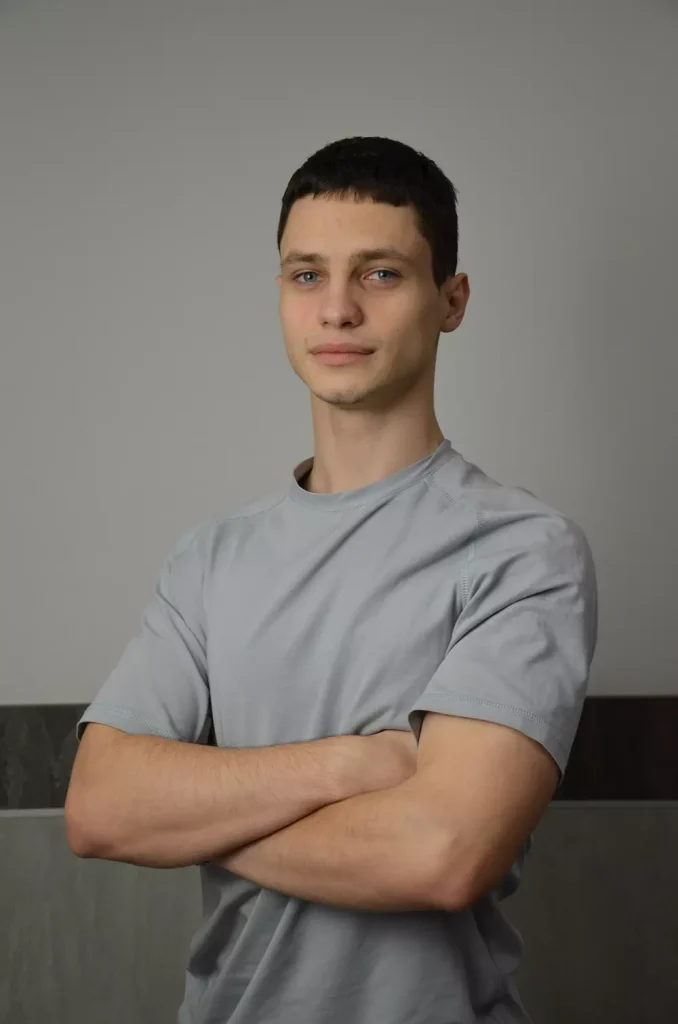
Rehabilitation specialist
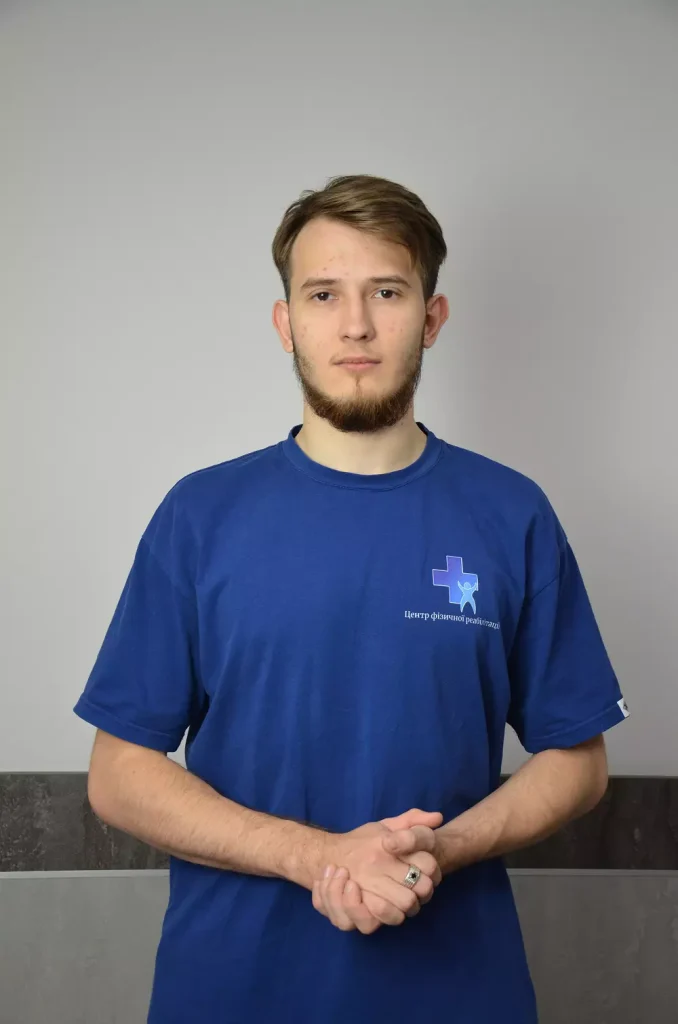
Rehabilitation specialist
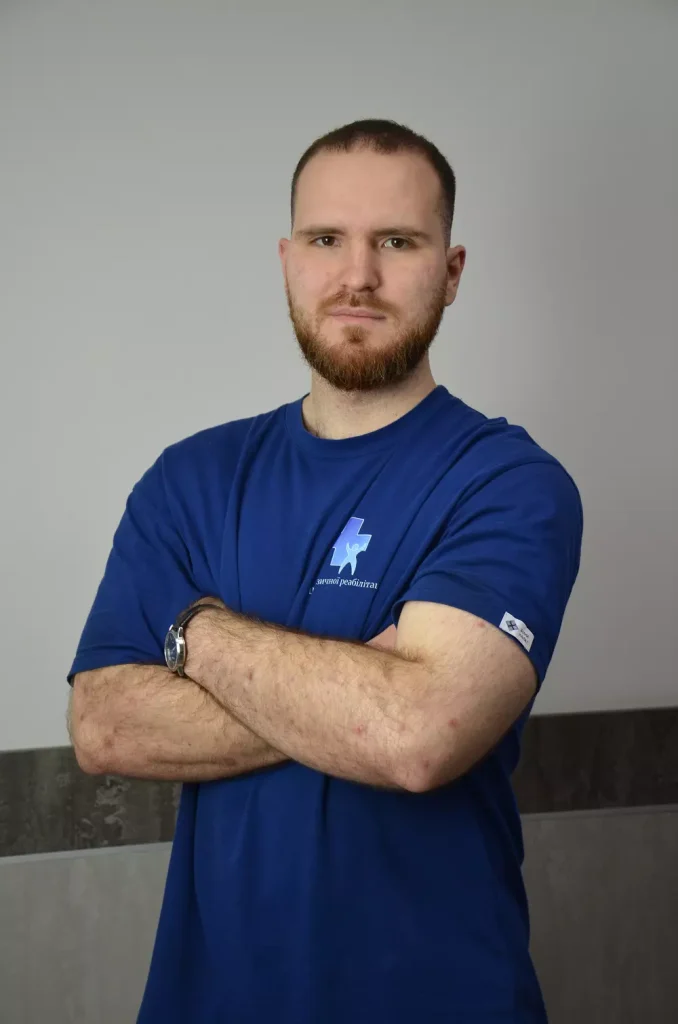
Masseur
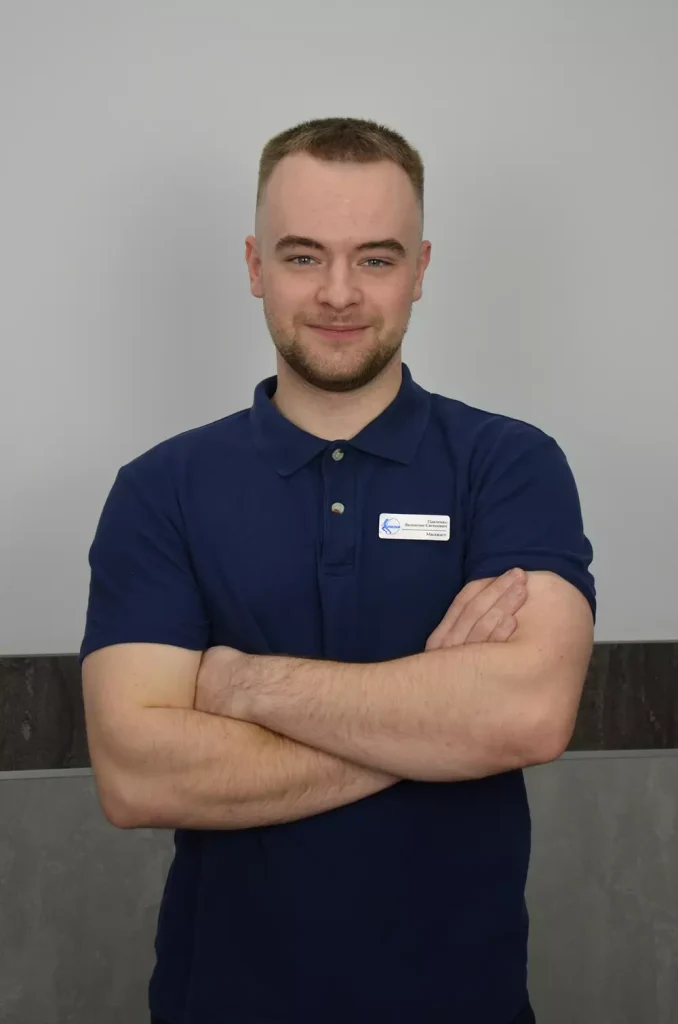
Masseur
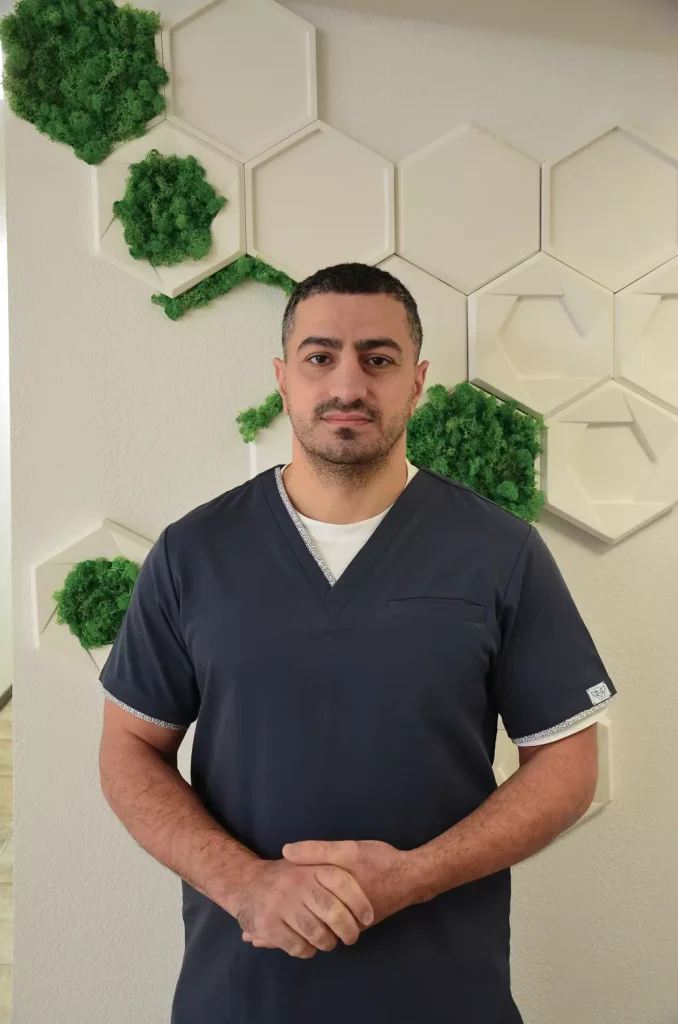
Founder of the center
Chief Rehabilitation Specialist
Chief physiotherapist
Orthopedic traumatologist
Chief rehabilitation specialist of physical therapy
Masseur
Masseur
Masseur

Leave your contacts — our specialist will contact you within 10–15 minutes to help you choose a service and answer all your questions.
Leave your contacts — our specialist will contact you within 10–15 minutes to help you choose a service and answer all your questions.