wellness centers
patients were helped
specialists
years of experience
Rehabilitation after a wrist fracture in KINEZIUM is the restoration of wrist mobility, hand strength, grip, coordination and everyday hand function after a fracture. After a cast, orthosis, surgery or plate, the wrist often remains stiff, the hand weakens, the fingers swell, and usual actions - writing, working at a computer, cooking, buttoning clothes - become more difficult. The program should take into account the location of the fracture, the presence of displacement, the method of fixation, the state of fusion, pain, swelling, sensitivity, grip strength and recommendations of the traumatologist. In KINEZIUM, recovery may include exercises for flexion, extension, rotation of the forearm, hand strength, fine motor skills, work with a scar according to indications and a home program. The goal is to return the hand to real use without early force overload.
A wrist fracture most often occurs after a fall onto an outstretched hand. The person instinctively tries to break the fall with their palm, and the load is transferred to the bones of the wrist, radius, ulna, or small bones of the hand.
Reason | What can be damaged? |
Falling on an outstretched hand | The most common mechanism of fracture of the distal radius |
Sports injury | Wrist, hand bones, ligaments, tendons |
Direct hit | Local fracture, swelling, pain and limitation of movement |
Accident or severe injury | Possible displaced fractures, surgery or plate |
Osteoporosis | A fracture is possible even after a fall from a small height. |
Postoperative stage | Restoration of movement, grip, scar, and hand function is required |
The degree of a wrist fracture is determined by location, displacement, stability, articular surface involvement, treatment method, and allowable load. A non-displaced fracture after a cast and a fracture after a plate operation require different rates of recovery.
Type / degree | Typical manifestations | Rehabilitation logic |
Non-displaced fracture | Pain, cast or orthosis, stiffness after fixation | Gradual return of movement after doctor's permission |
Displaced fracture | May require repositioning or surgery | The program depends on the images and the stability of the fixation |
Intra-articular fracture | Higher risk of stiffness and pain when moving | Careful amplitude design and load control |
After the plate or spokes | There are postoperative limitations, scarring, weakness | Recovery according to the traumatologist's protocol |
Fracture due to osteoporosis | Bone may be more fragile, risk of repeated falls | Graduality, safety, control of strength and household loads |
If rehabilitation is not performed after a wrist fracture, there may be limitations in flexion, extension, rotation of the forearm, weakness of the grip, swelling and impaired fine motor skills. The wrist may heal, but the hand will still not be able to fully perform everyday tasks. It becomes difficult for a person to hold a cup, open a door, write, use a mouse, carry a bag or lean on his hand.
Possible consequences:
After a wrist fracture, it is important to restore not only the amplitude of the joint, but also the precise function of the hand.
A program after a wrist fracture is needed for patients after a cast, surgery, pain, swelling, stiffness, weakness of the hand and limitations in everyday movements. It is especially important if, after removing the fixation, the hand does not bend or unbend, the fingers move with difficulty or the grip is noticeably weaker. Rehabilitation is also needed after a plate, spokes or repeated intervention, when there are scar restrictions and fear of load.
Situation | When rehabilitation is needed |
After a cast or brace | Wrist is stiff, hand is weak, fingers are swollen |
After surgery or a plate | It is necessary to take into account fixation, scar and doctor's limitations |
With a weak grip | Difficulty holding objects, writing, or working with hands |
When rotation is restricted | Difficulty turning the palm up or down |
With pain when supporting | A gradual return of weight to the hand is required. |
To return to work | Requires strength, precision, endurance and movement control |
Wrist rehabilitation after a fracture helps to restore flexion, extension, rotation of the forearm, grip strength, fine motor skills and accuracy of movements. At an early stage, it is important to reduce swelling and restore soft movements without forceful pressure. Then exercises for the fingers, hand, forearm, gradual strengthening and functional tasks are added. If there was an operation, the condition of the scar and restrictions on supporting the hand are taken into account. The result is assessed not only by the amplitude, but also by whether the person can use the hand normally in life.
Rehabilitation after a wrist fracture includes pain and swelling control, gentle range of motion, hand strengthening, coordination, and returning to daily activities. The time frame depends on the type of fracture, treatment method, healing, and recommendations from the traumatologist.
Stage | What do they do? | Why is this needed? |
1. Checking the restrictions | Snapshots, extract, permitted movements and loading | Don't overload your wrists prematurely. |
2. Pain and swelling control | Gentle finger and hand movements, physiotherapy as indicated | Reduce stiffness and prepare the hand for exercise |
3. Amplitude | Flexion, extension, deviation of the hand, rotation of the forearm | Return to basic hand mechanics |
4. Grip strength | Progressive exercises for the hand and forearm | Restore the ability to hold objects |
5. Coordination | Fine motor skills, precise movements, household tasks | Restore practical use of the hand |
6. Load return | Support, work, sports or strength movements at the ready | Bring your hand back to real life |
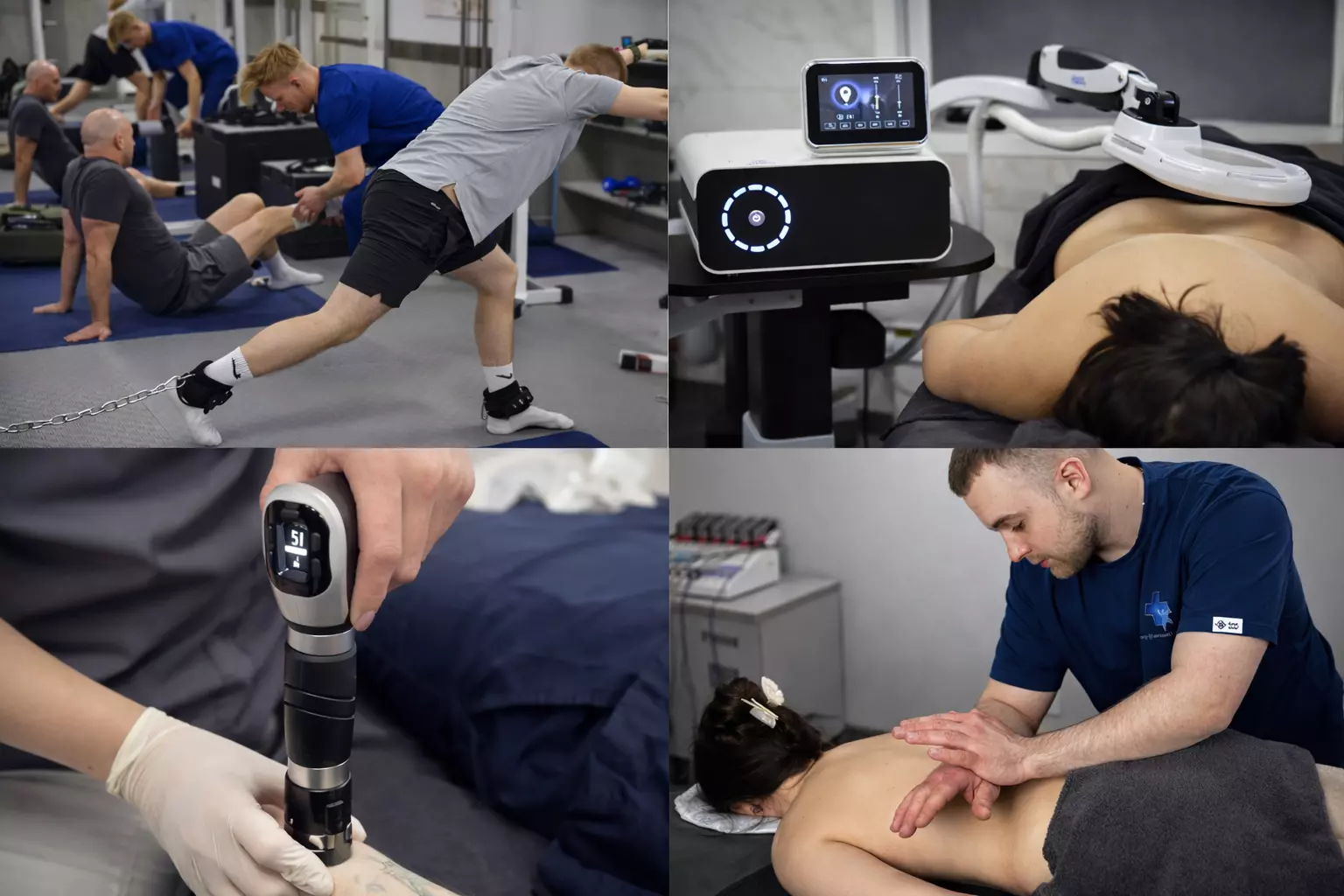
Wrist rehabilitation at the KINEZIUM center in Kyiv begins with an assessment of amplitude, pain, swelling, grip strength, sensitivity, doctor's recommendations and household restrictions. The specialist clarifies what kind of fracture there was, whether there was an operation, whether there is a plate, when the cast was removed and what loads are allowed. Next, exercises are selected for the fingers, hand, forearm, grip strength, coordination and gradual return of function. During classes, it is monitored that the exercises do not provoke sharp pain or an increase in swelling. A home program is usually important, because the hand needs regular short movements throughout the day.
Wrist fracture rehabilitation differs from hand rehabilitation in that it focuses on the wrist joint, forearm, grip strength, fine motor skills, and gradual return to weight bearing. Hand rehabilitation may focus more on the fingers, palm, and fine motor skills, while after a wrist fracture, it is also important to restore forearm rotation and the ability to bear weight through the hand. The two areas are often combined because the wrist and fingers work as one functional system.
Criterion | Wrist fracture | Hand rehabilitation |
Main focus | Wrist, forearm, grip, hand support | Fingers, palm, fine motor skills, precise movements |
Typical restrictions | Flexion, extension, rotation of the forearm | Finger flexion, grip strength, coordination |
Risk | Joint stiffness, pain upon exertion, weakness | Swelling of fingers, loss of precision, weak grip |
Function | Lift an object, lean on it, work with a brush | Write, fasten, hold small objects |
Progress | Gradual return of movement and load | Frequent gentle movements and precision training |
After a wrist fracture, you should consider incomplete union, pain, swelling, numbness, early weight bearing, and recommendations from your traumatologist. If your doctor has not yet cleared resistance or weight lifting, you should not return to push-ups, strength training, carrying heavy bags, or working with tools. If you develop increasing numbness, discoloration of your fingers, severe pain, or severe swelling, seek medical evaluation.
AAOS OrthoInfo explains in its article on distal radius fractures that a distal radius fracture often occurs when falling on an outstretched arm: https://orthoinfo.aaos.org/en/diseases–conditions/distal-radius-fractures-broken-wrist/. MedlinePlus notes in its article on fractures that a broken bone requires medical attention and time to heal: https://medlineplus.gov/fractures.html. MyHealth Alberta recommends starting exercises slowly and reducing the intensity if pain occurs in their recommendations after a wrist fracture: https://myhealth.alberta.ca/Health/aftercareinformation/pages/conditions.aspx?hwid=bo1663. Practical conclusion: after a wrist fracture, movement is necessary, but forceful loading is returned only gradually.
After rehabilitation in KINEZIUM, you can expect a gradual return of mobility, grip strength, accuracy of movements, everyday activities and confidence in the hand. The result depends on the type of fracture, displacement, operation, duration of immobilization, age, swelling, pain and regularity of exercises. In practical life, this means easier writing, holding objects, working at the computer, cooking, dressing and gradually returning to physical activity.
AAOS Distal Radius Fractures describes typical wrist fracture mechanisms and how treatment depends on displacement and stability: https://orthoinfo.aaos.org/en/diseases–conditions/distal-radius-fractures-broken-wrist/. MedlinePlus Rehabilitation explains that rehabilitation helps regain the abilities needed for daily living after an injury or treatment: https://medlineplus.gov/rehabilitation.html. MyHealth Alberta provides examples of progressive exercises after a wrist fracture with an emphasis on a gentle start: https://myhealth.alberta.ca/Health/aftercareinformation/pages/conditions.aspx?hwid=bo1663. Practical conclusion: the result after a wrist fracture is not only union, but also the return of strength, accuracy, and practical work of the hand.
To sign up for rehabilitation after a wrist fracture, you need to contact KINEZIUM and inform them of the date of the injury, type of treatment, presence of a cast, orthosis, surgery, plate or spokes. It is advisable to take pictures, a statement and recommendations from a traumatologist regarding movements and loads at the first visit. The specialist will assess the amplitude, grip strength, swelling, sensitivity, pain and everyday limitations. After that, an individual recovery program is formed. If there is sharp pain, numbness, severe swelling or suspicion of incomplete fusion, a medical evaluation is first required.
Our team consists of experienced rehabilitation specialists, physiotherapists, and massage therapists who help people restore their health and return to an active life every day.
We combine modern techniques, an individual approach, and sincere care for each patient.

Chief Rehabilitation Specialist
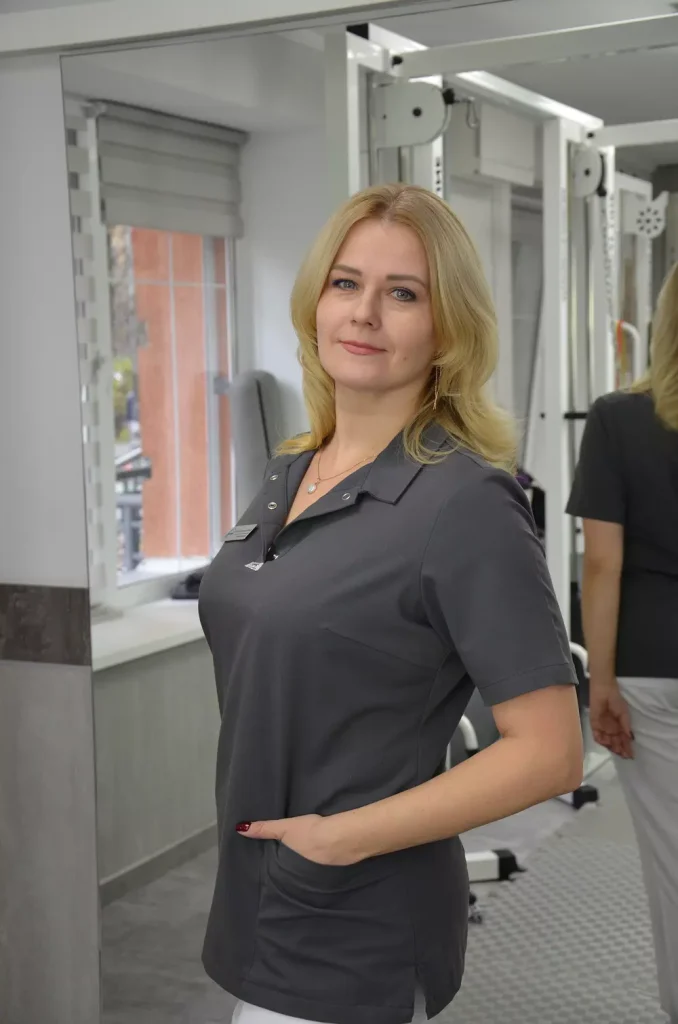
Chief physiotherapist
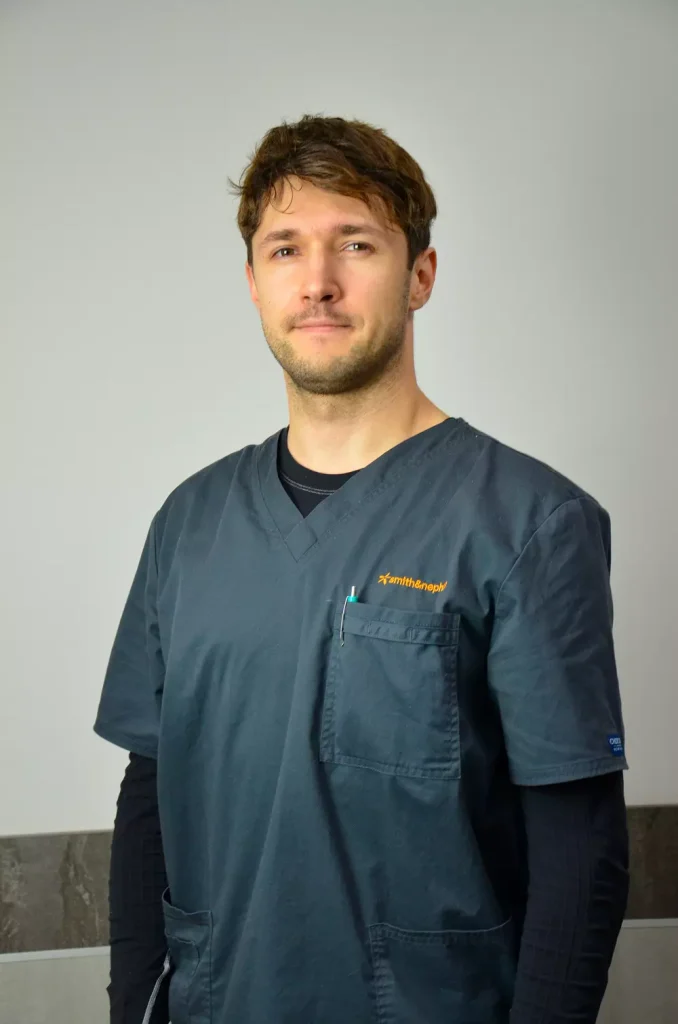
Orthopedic traumatologist
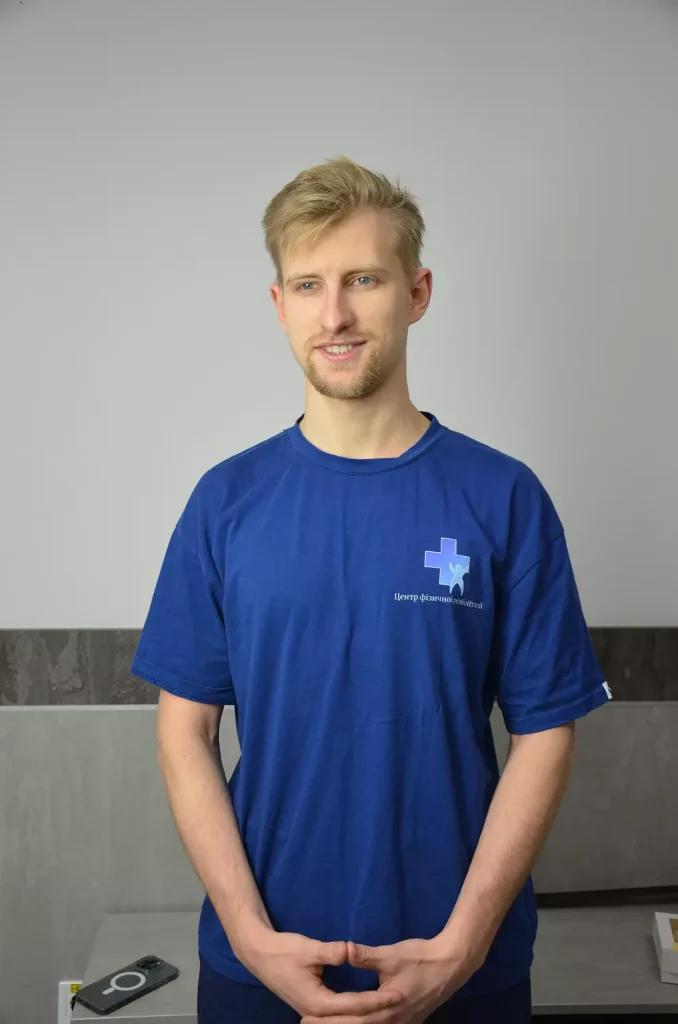
Chief rehabilitation specialist of physical therapy

Rehabilitation specialist
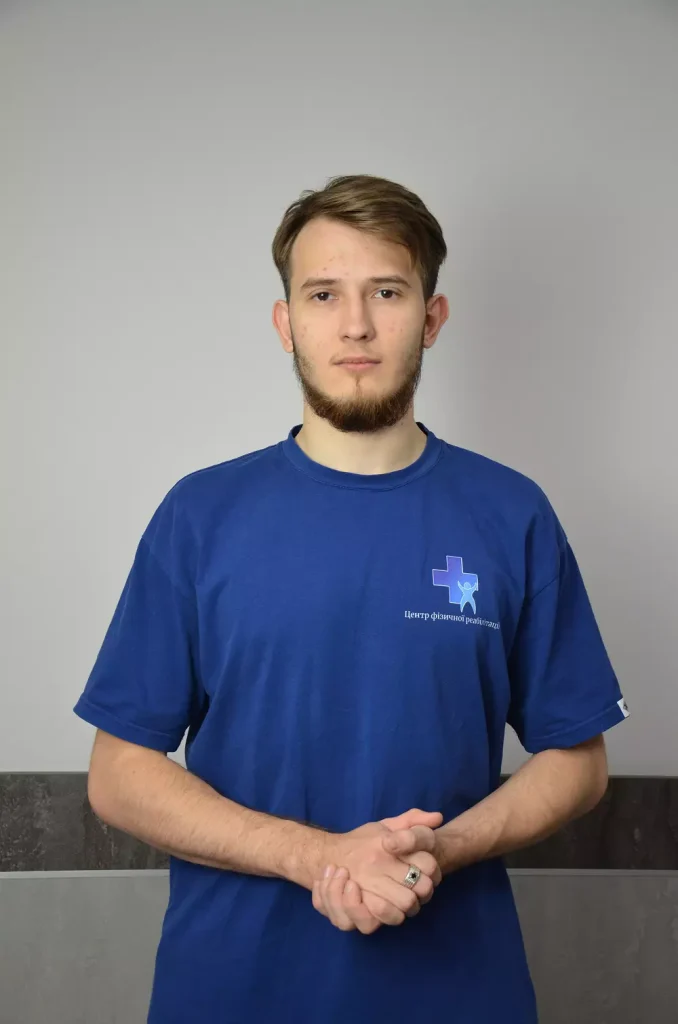
Rehabilitation specialist
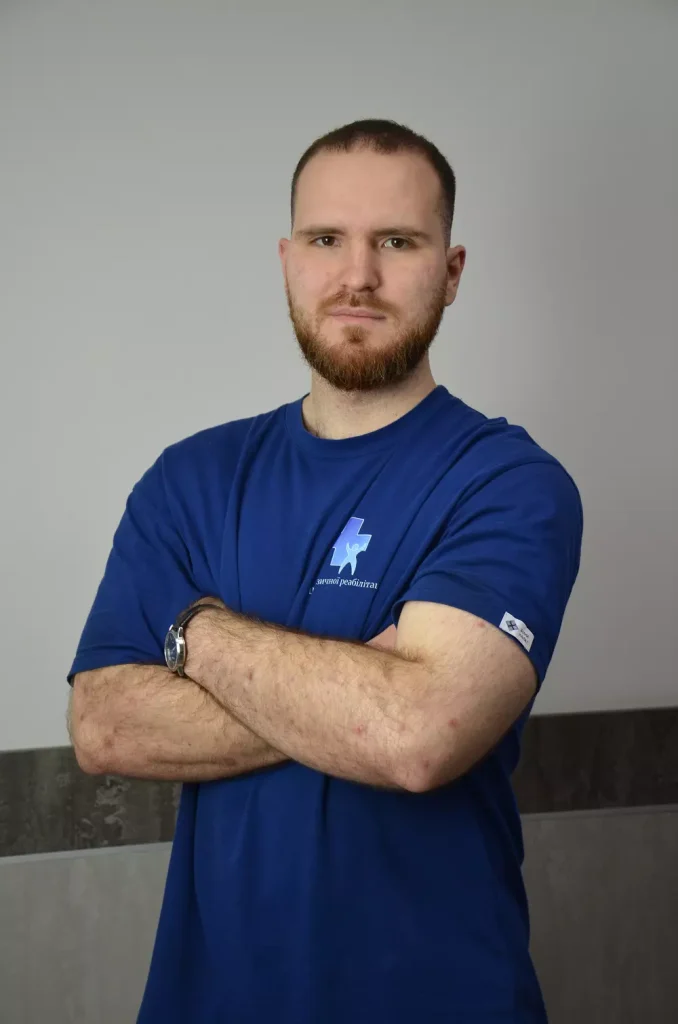
Masseur

Masseur
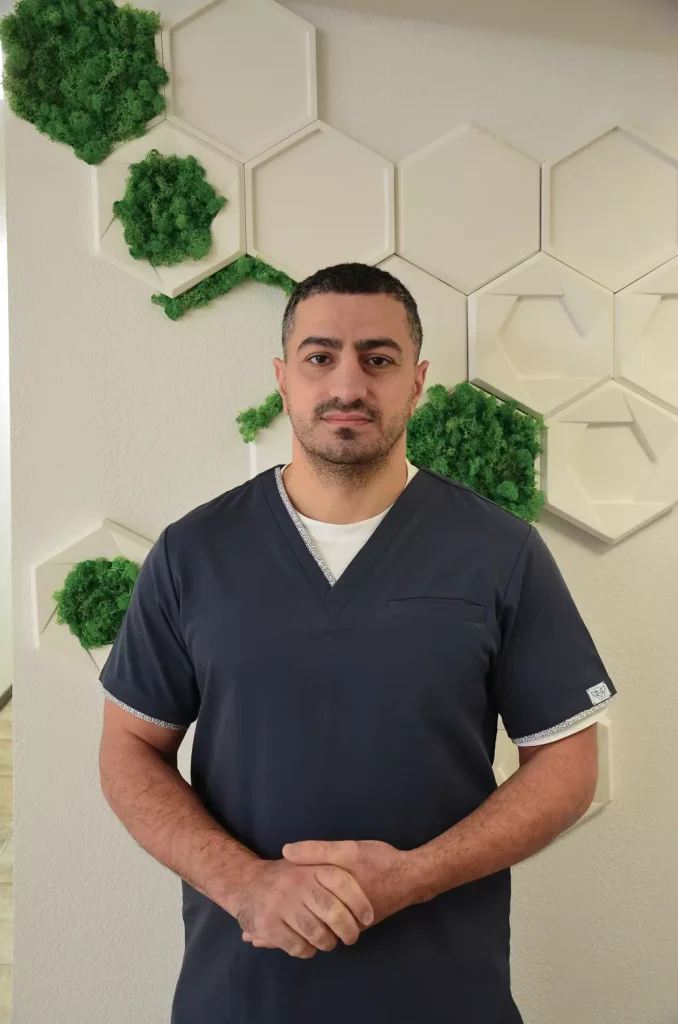
Founder of the center
Chief Rehabilitation Specialist
Chief physiotherapist
Orthopedic traumatologist
Chief rehabilitation specialist of physical therapy
Masseur
Masseur
Masseur

Leave your contacts — our specialist will contact you within 10–15 minutes to help you choose a service and answer all your questions.
Leave your contacts — our specialist will contact you within 10–15 minutes to help you choose a service and answer all your questions.