wellness centers
patients were helped
specialists
years of experience
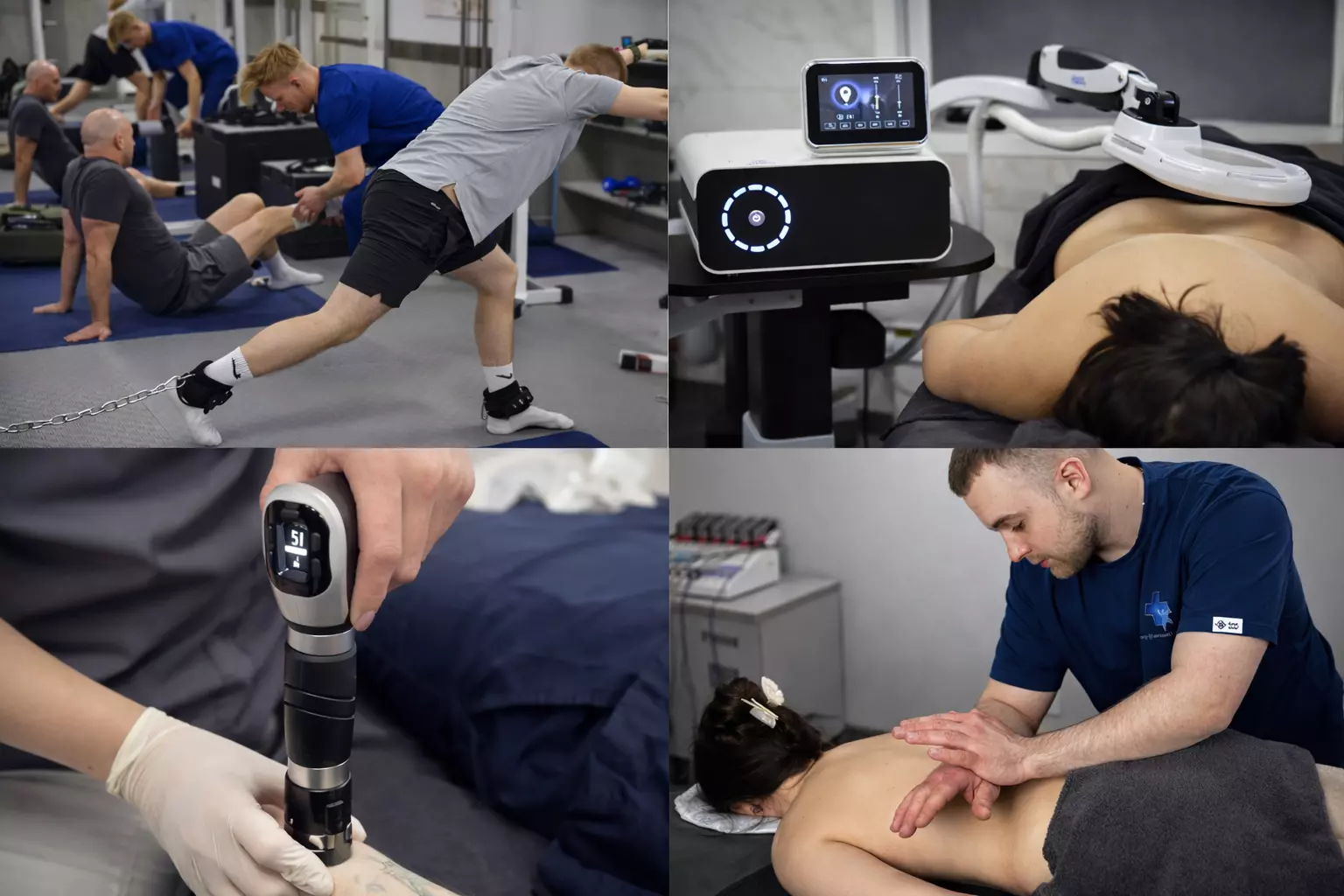
Rehabilitation after amputation at KINEZIUM is a phased recovery after the loss of a limb, which helps to regain movement, strength, balance, independence in daily life, prepare for prosthetics or learn new ways to perform daily activities. After amputation, support, coordination, muscle load, scar condition, body sensation and psychological readiness for activity change. The program depends on the level of amputation, the reason for the surgery, scar condition, pain, phantom sensations, concomitant diseases, muscle strength and the patient's goals. At KINEZIUM, rehabilitation may include exercises for mobility, prevention of contractures, strengthening, balance, preparation for a prosthesis, gait or hand function training, as well as home recommendations. The goal is not just to "heal after surgery", but to help a person gradually regain control, confidence and the maximum possible activity.
Amputation can be the result of severe trauma, vascular disorders, diabetic complications, infections, tumor processes, or situations where preservation of the limb segment is impossible or dangerous. For rehabilitation, it is important to understand not only the fact of amputation, but also the cause, because vascular, diabetic, or traumatic conditions have different risks.
Reason | What is important for recovery |
Traumatic amputation | Adaptation to the sudden loss of a segment, work with the scar, strength and balance is required |
Vascular disorders | Important control of blood circulation, tissue healing and associated cardiac risks |
Diabetic complications | Skin, sensitivity, wound risk, and overloading of the other leg need to be monitored. |
Infectious complications | It is important to ensure that the acute process is controlled and the scar is healing. |
Oncological causes | The program is coordinated with the doctor and the overall treatment plan |
Postoperative adaptation | Contracture prevention, strength, balance, and preparation for prosthesis are needed |
The level of amputation determines which muscles need to be strengthened, how support will be formed, whether prosthetics are possible, and which household tasks are of primary importance. Rehabilitation after amputation of a finger, foot, lower leg, hip, or upper limb has a different logic.
Level / condition | Main features | Rehabilitation logic |
Amputation of fingers or part of the foot | Support, balance and weight distribution change | Foot control, footwear, balance, overload prevention |
Below-the-knee amputation | The knee joint is preserved, hip and stump strength are important | Prevention of contractures, preparation for a prosthesis, gait training |
Above-knee amputation | Balance and energy expenditure during walking change more | Pelvic girdle strength, trunk control, learning to walk with a prosthesis |
Upper limb amputation | Grip, household function, and shoulder girdle function change | Movement adaptation, strength, coordination, preparation for prosthetics |
Fresh postoperative condition | Scar, pain, swelling, risk of contractures | Movement care, positioning, safe activity |
Stage of prosthetics | Requires tissue readiness, strength, and balance | Learning to use a prosthesis, gait, or arm function |
If rehabilitation is not performed after amputation, contracture, weakness, balance disorders, pain, decreased independence, and difficulty with future prosthetics may develop. With a lower limb amputation, a person can overload the healthy leg, lower back, and shoulders if they use crutches for a long time without proper training. With an upper limb amputation without adaptation, dependence on assistance in everyday life may increase. It is also important not to ignore the condition of the scar, skin, and phantom sensations.
Possible consequences:
Rehabilitation after amputation should begin with safe movement, prevention of complications, and gradual adaptation to a new way of moving.
Rehabilitation after amputation of the lower extremities is needed for patients after amputation of the leg, foot, fingers, with pain, weakness, impaired balance and the need for adaptation. It is needed both before prosthetics and after receiving the prosthesis, because the body must learn the new support. It is especially important to work with a rehabilitation specialist if there is diabetes, vascular problems, phantom pain, risk of falls or weakness of the other leg.
Situation | When is a program needed? |
After amputation of the foot or toes | Support, balance, and footwear need to be adapted |
After amputation below the knee | Prevention of contractures and preparation for a prosthesis are important |
After an above-knee amputation | Needs work on pelvis, core, balance, and future gait |
For phantom pain or discomfort | Medical evaluation and careful movement required |
With vascular or diabetic risks | Important skin monitoring, healing and loading |
Before prosthetics | We need to prepare strength, mobility, scar and balance |
Rehabilitation after amputation of the leg helps to adapt to the changed support, strengthen the muscles, restore balance, prevent contractures and prepare for the prosthesis. In the early stage, the position of the limb, joint mobility, strength of the preserved muscles, pain control and scar condition are important. Then the program moves on to training in balance, movement, everyday skills and preparation for prosthetics. After receiving the prosthesis, separate training in walking, weight transfer, turns, stairs and safe increase in distance is required. If there is diabetes or vascular problems, the loads are selected especially carefully.
Rehabilitation after an upper limb amputation is necessary when it is necessary to restore mobility of the shoulder, elbow, hand or residual part of the hand, adapt daily living skills and prepare for prosthetics. After an arm amputation, it is important to maintain the amplitude in the adjacent joints, the strength of the shoulder girdle and the ability to perform daily activities. The program may include exercises for the shoulder, scapula, trunk, coordination, balance and training in compensatory movements. If a prosthesis is planned, tissue preparation, strength and skills of use are required. Pain, phantom sensations, scarring and sensitivity are separately taken into account.
Rehabilitation after amputation at the KINEZIUM center in Kyiv begins with an assessment of the condition, scar, strength, balance, mobility, pain, everyday tasks and recovery goals. The specialist clarifies the level of amputation, the reason for the operation, the stage of healing, the presence of a prosthesis or prosthetic plan, concomitant diseases and doctor's limitations. Then a program is formed: prevention of contractures, strengthening, balance training, movement, preparation for a prosthesis or adaptation of hand function. The load is increased gradually, with monitoring of the skin, pain, fatigue and safety. If there are signs of infection, problems with the scar or vascular complications, a medical evaluation is required.
Rehabilitation after amputation of the lower extremities differs from recovery after a fracture in that the person adapts to the loss of a segment, changed support, preparation for a prosthesis, prevention of contractures and learning new movements. After a fracture, the main task is to restore the function of the limb after bone fusion, and after amputation - to form a new motor strategy. This requires more attention to balance, energy expenditure, the other leg, the body and safety.
Criterion | After amputation | After a fracture |
Main task | Adaptation to segment loss and preparation for a prosthesis | Recovery after bone fusion |
Support | Permanently altered or dependent on prosthesis | Returns to its own limb after healing |
Risk | Contractures, falls, overloading of the other leg | Early pre-union loading, stiffness, weakness |
Exercise focus | Balance, body, stump, prosthesis, home adaptation | Amplitude, force, stroke, load return |
Result | Independence and a new way of moving | Returning the previous function as much as possible |
After an amputation, it is important to consider the condition of the scar, signs of infection, phantom pain, risk of contractures, vascular problems, diabetic risks, skin condition, sensitivity, pain, fatigue, and the doctor's recommendations. Redness, discharge, sudden increase in pain, poor healing, or skin changes on the other leg should not be ignored. If prosthetics are planned, it is important to prevent contractures and loss of strength.
MedlinePlus describes amputation as the loss of part or all of a limb, which may result from surgery, injury, or disease: https://medlineplus.gov/ency/article/002993.htm. NCBI Bookshelf, in its section on rehabilitation after limb amputation, emphasizes the importance of multidisciplinary rehabilitation, contracture prevention, stump care, and preparation for prosthetics: https://www.ncbi.nlm.nih.gov/books/NBK538504/. Shirley Ryan AbilityLab in materials about amputee rehabilitation describes the stages of recovery, mobility training and preparation for prosthetics: https://www.sralab.org/conditions/amputation. Practical conclusion: after amputation, limitations concern not only the scar, but also balance, skin, contractures, pain, and safety of movement.
After rehabilitation at KINEZIUM, you can expect gradual adaptation, improvement in strength, balance, movement control, independence in everyday life, and preparation for prosthetics. The result depends on the level of amputation, the reason for the operation, the condition of the scar, concomitant diseases, prosthetics, regularity of classes, and support at home. For some patients, the main result will be confident walking with a prosthesis, for others - safe movement, independence in everyday life, or hand function.
MedlinePlus describes rehabilitation as the process of regaining the abilities needed for daily living after injury, illness, or treatment: https://medlineplus.gov/rehabilitation.html. The NCBI Bookshelf rehabilitation after limb amputation explains that rehabilitation includes physical recovery, stump care, preparation for a prosthesis, and training in functional skills: https://www.ncbi.nlm.nih.gov/books/NBK538504/. Shirley Ryan AbilityLab describes the goals of amputation rehabilitation as improving mobility, independence, and adaptation to prosthetics: https://www.sralab.org/conditions/amputation. Practical conclusion: the outcome after amputation is measured not only by strength, but also by the level of independence and security in life.
To sign up for rehabilitation after amputation, you need to contact KINEZIUM and inform them of the level of amputation, the date of the operation, the condition of the scar, the presence of pain, phantom sensations, prosthesis or prosthetic plan. It is advisable to take the discharge, the surgeon's recommendations, information about concomitant diseases and a list of medications with you on your first visit. The specialist will assess mobility, strength, balance, skin condition, household tasks and a safe level of load. After that, an individual recovery program is formed. If there are signs of infection, problems with healing, a sharp increase in pain or vascular symptoms, medical care is required first.
Our team consists of experienced rehabilitation specialists, physiotherapists, and massage therapists who help people restore their health and return to an active life every day.
We combine modern techniques, an individual approach, and sincere care for each patient.
Chief Rehabilitation Specialist
Chief physiotherapist
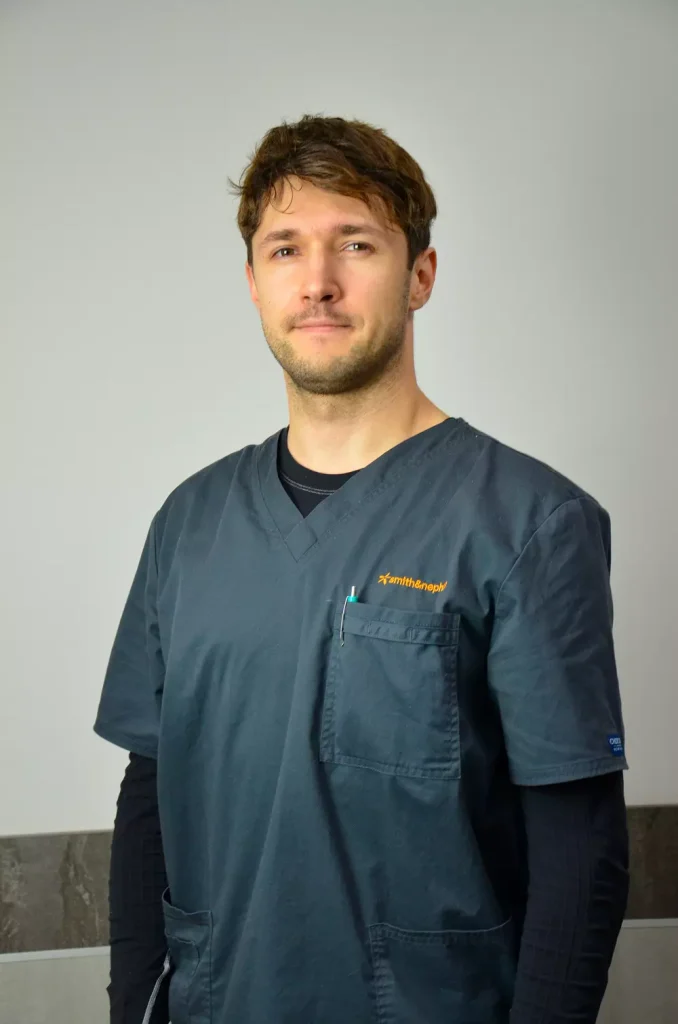
Orthopedic traumatologist
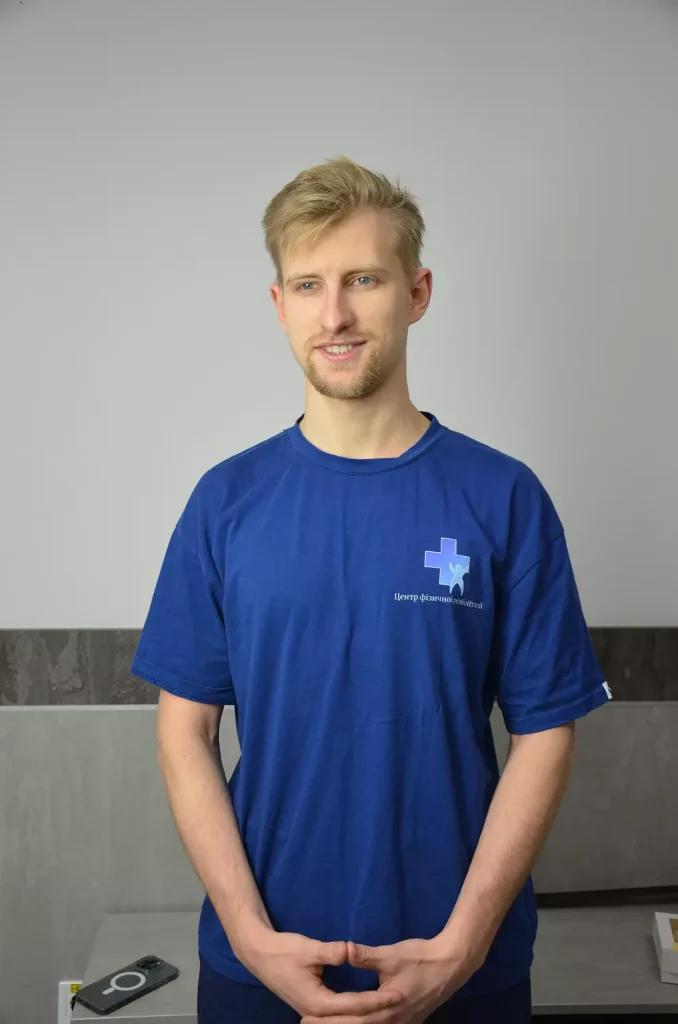
Chief rehabilitation specialist of physical therapy

Rehabilitation specialist
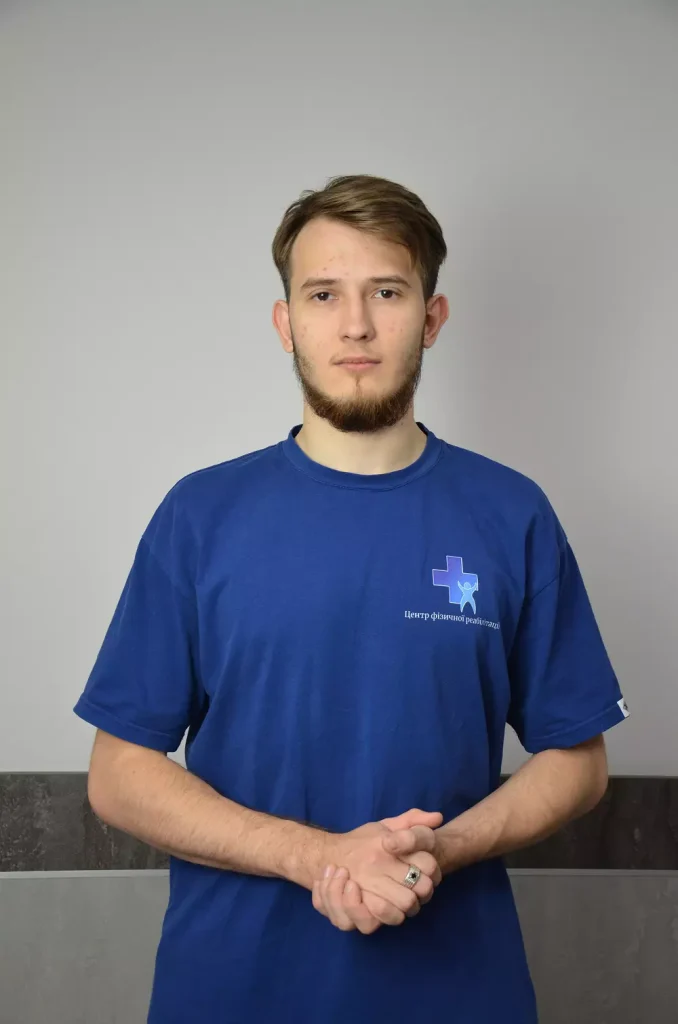
Rehabilitation specialist
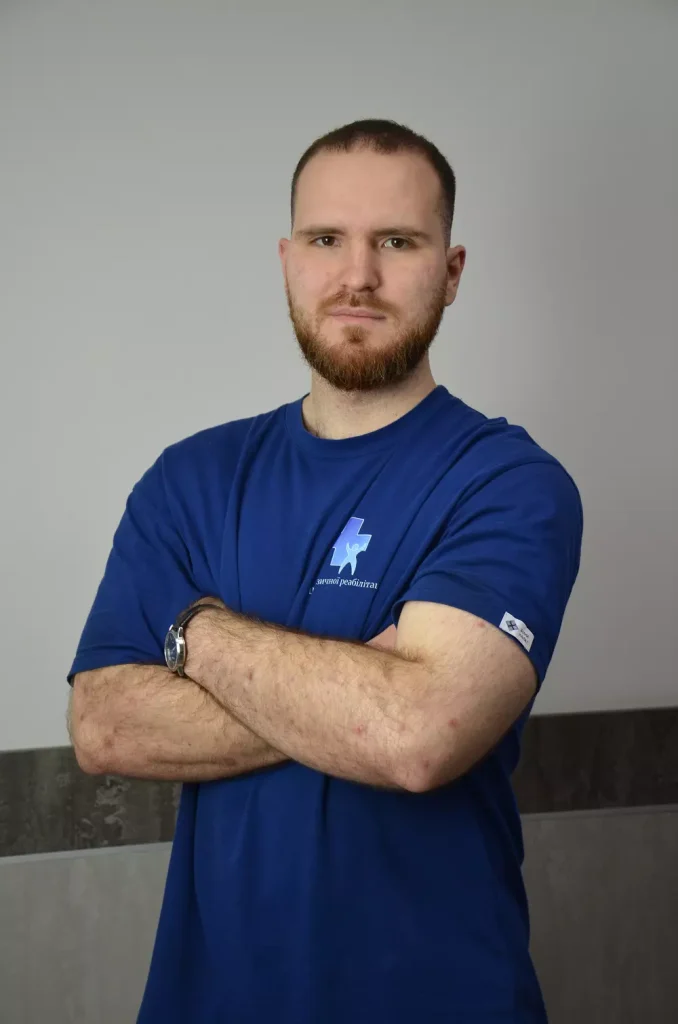
Masseur
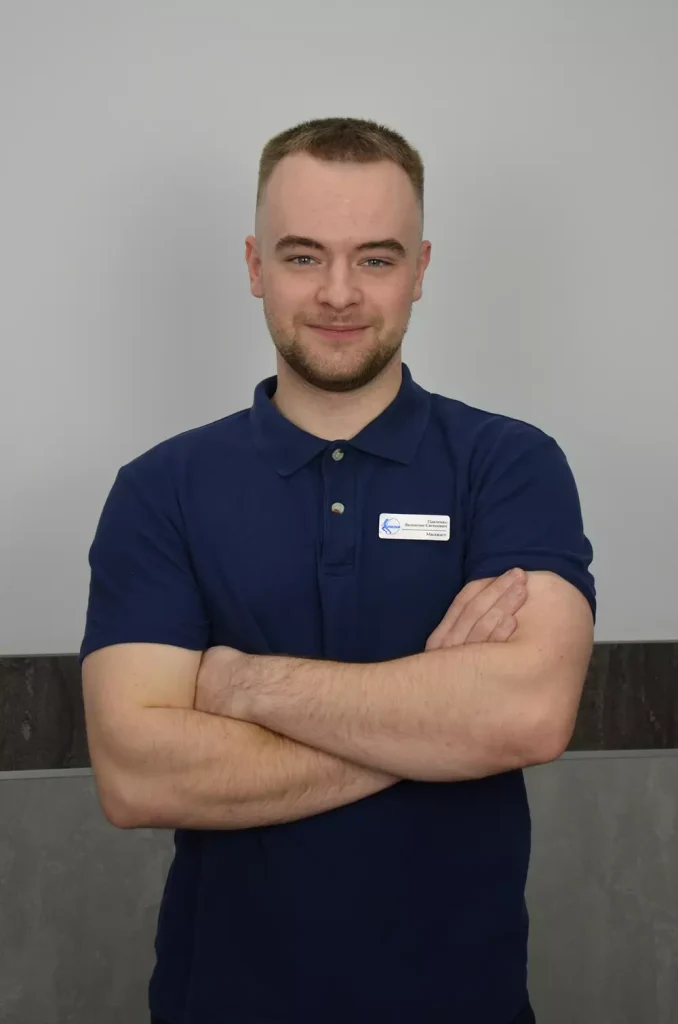
Masseur
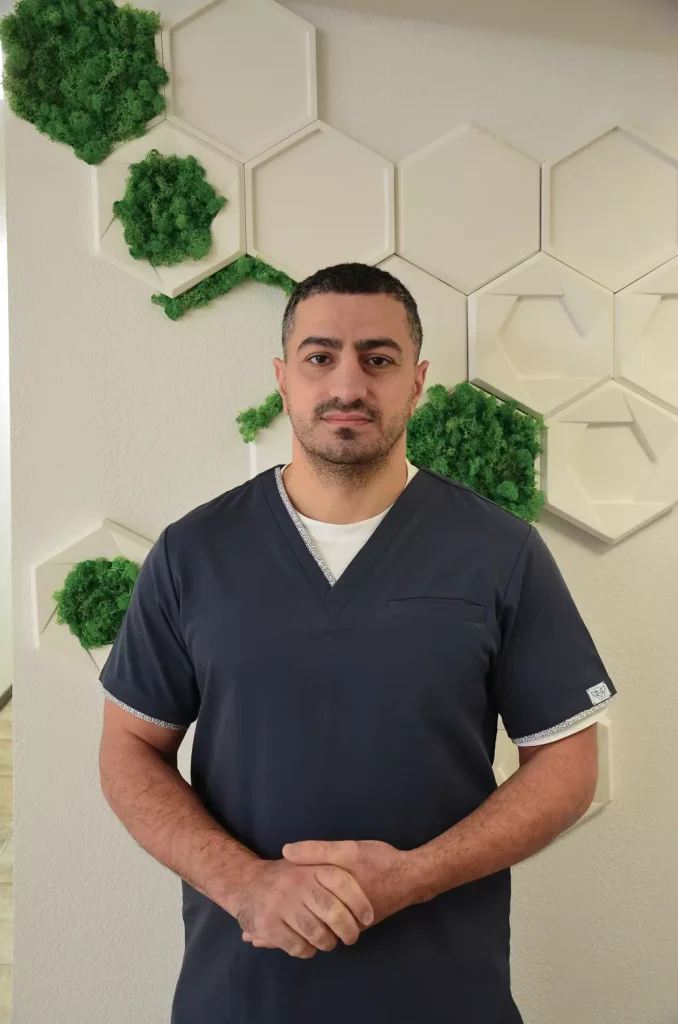
Founder of the center
Chief Rehabilitation Specialist
Chief physiotherapist
Orthopedic traumatologist
Chief rehabilitation specialist of physical therapy
Masseur
Masseur
Masseur

Leave your contacts — our specialist will contact you within 10–15 minutes to help you choose a service and answer all your questions.
Leave your contacts — our specialist will contact you within 10–15 minutes to help you choose a service and answer all your questions.