 Skip to content
9 sessions + 1 as a gift
Numbness, tingling, "pins and needles", decreased sensitivity in the hands or feet are common manifestations of neuropathy, a condition in which peripheral nerves are affected. The disease can develop gradually or occur after injuries, overexertion, or chronic diseases.
osteochondrosis, protrusions and hernias of the spine
pinched nerves (tunnel syndromes)
consequences of injuries and operations
diabetes and vascular disorders
chronic muscle strain, poor posture
numbness of fingers or toes
tingling, burning, pain
weakness in the limbs
impaired coordination of movements
We use a comprehensive, non-drug approach aimed at eliminating the cause, not just the symptoms:
Apparatus physiotherapy — reduces inflammation, improves blood circulation and nutrition of nerve fibers
Therapeutic massage — relieves muscle spasms and reduces nerve compression
Physical therapy (physical therapy) — restores mobility, strength, and proper movement patterns
Individual rehabilitation program — taking into account diagnosis, age and level of physical activity
 Result: reduction or complete disappearance of numbness, restoration of sensitivity, improvement of quality of life without constant pain.
 Book a consultation today
Do not delay treatment - the sooner you start rehabilitation, the faster and more effective the result will be.
Wellness centers
Patients were helped
Specialists
Years of experience
Our team consists of experienced rehabilitation specialists, physiotherapists, and massage therapists who help people restore their health and return to an active life every day.
We combine modern techniques, an individual approach, and sincere care for each patient.

Chief Rehabilitation Specialist

Chief physiotherapist

Orthopedic traumatologist
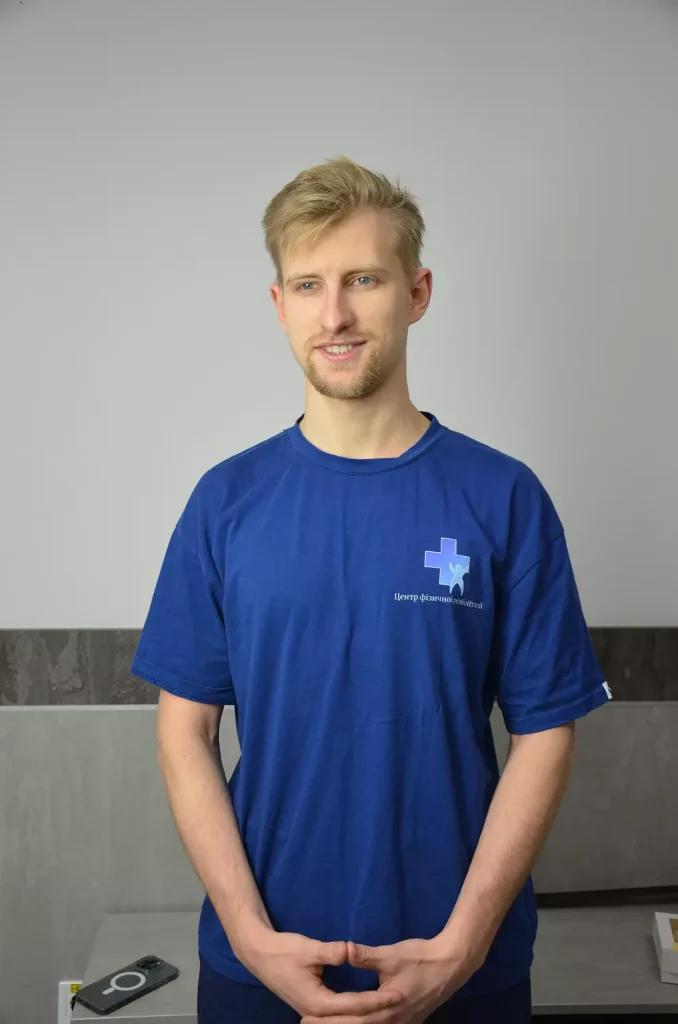
Chief rehabilitation specialist of physical therapy

Masseur
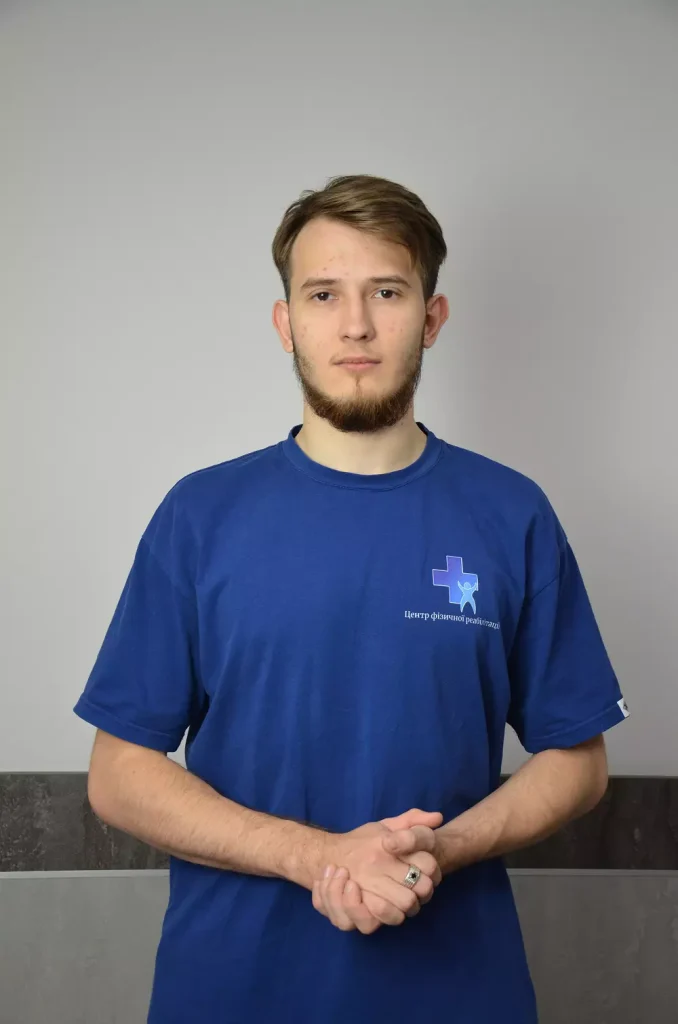
Masseur
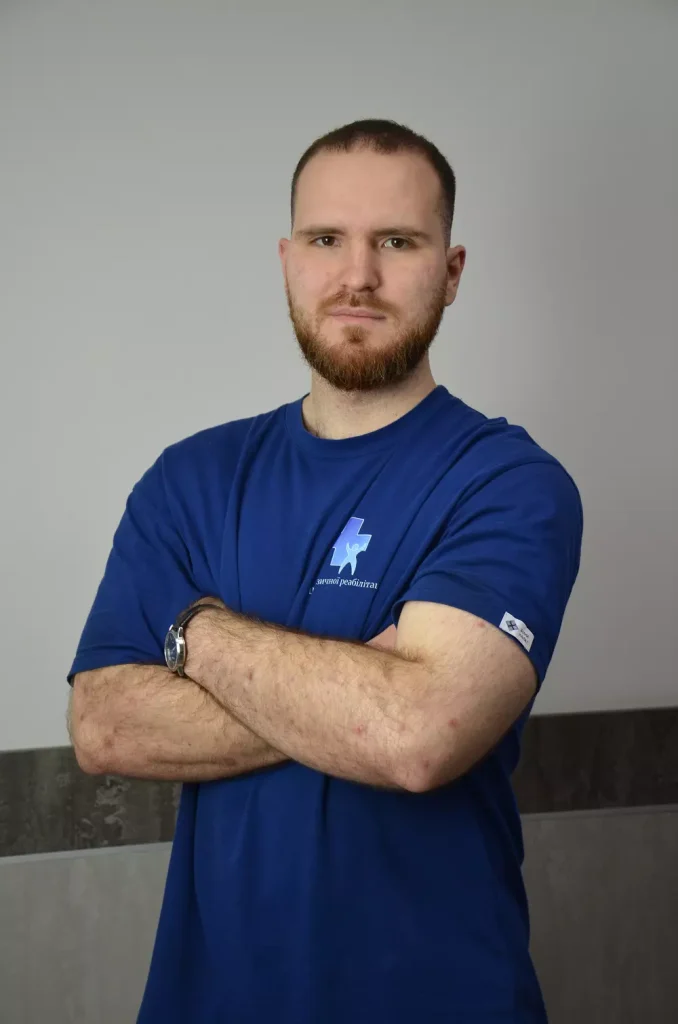
Masseur

Masseur
We are grateful to everyone who has entrusted their health to us.
Your feedback is the best confirmation of the results of our work.
Share your impressions - they inspire us to become even better every day.
Leave your contacts — our specialist will contact you within 10–15 minutes to help you choose a service and answer all your questions.
We are always open for communication and ready to help you.
Call or email us to schedule a consultation or get detailed information.
Our experts will suggest the best solution for you.
Treatment of neuropathic pain in KINEZIUM begins with an assessment of the nature of the symptoms: burning, tingling, numbness, shooting, decreased sensitivity, weakness or pain spreading to the arm or leg. Unlike ordinary muscle strain, neuropathic pain is often associated with irritation or disruption of the nervous structures, therefore it requires especially careful tactics. The specialist assesses sensitivity, strength, mobility, gait, limb function and contraindications to procedures. The program may include gentle exercises, physiotherapy according to indications, work with mobility, balance and gradual return to the load.
People who experience burning, tingling, numbness, pins and needles, numbness, weakness, or pain in an arm or leg may need help. These symptoms should not be ignored if they persist, worsen, or affect gait, grip strength, balance, or everyday activities. It is important to distinguish functional symptoms from conditions that require neurological or medical evaluation.
Symptom | Why is an assessment needed? |
Numbness | It is necessary to check sensitivity and possible involvement of nervous structures |
Burning or tingling | May indicate a neuropathic component of pain |
Shot in the arm or leg | It is important to assess the spine, nerve symptoms, and provocative movements |
Weakness | Requires careful verification of load strength and safety |
Gait disturbance | May increase risk of falls and requires program adjustment |
Decreased sensitivity in the foot or hand | It is important to consider the risk of tissue injury and overload. |
Medical evaluation is warranted for numbness that is persistent, increasing, widespread, accompanied by weakness, gait disturbance, loss of sensation, or pain following an injury. It is especially important to seek medical attention if weakness increases, the foot “hangs,” the arm loses strength, coordination is impaired, or symptoms develop suddenly. Numbness can have a variety of causes, from nerve compression to systemic, vascular, or metabolic factors. Therefore, rehabilitation should begin with a safety assessment, not with intensive massage or “blind” exercises.
Rehabilitation for neuropathic pain helps maintain mobility, strength, coordination, limb function, balance, and weight-bearing capacity. It does not “repair the nerve overnight,” but it can help reduce fear of movement, improve limb control, and prevent secondary weakness from activity avoidance. The program may include gentle exercises, neuromuscular control, gait training, balance work, physical therapy as indicated, and home recommendations. If symptoms progress, the program should be reviewed with a physician.
The initial assessment for numbness or neuropathy includes an analysis of the complaints: where exactly the numbness is, when it appears, whether there is burning, weakness, shooting pain, back or neck pain, gait or balance disorders. The specialist checks sensitivity, strength, reflexes if necessary, range of motion, coordination, gait and reaction of symptoms to body position. If there is an MRI, CT scan, electroneuromyography, neurologist's conclusions or other examinations, it is important to show them. After the assessment, contraindications to procedures and a safe level of activity are determined.
Muscle pain is more often associated with overexertion, local tenderness, spasm, or tissue overload. Neuropathic pain is different: burning, tingling, numbness, shooting, altered sensation, or weakness may indicate nerve involvement. Therefore, in neuropathy, testing for sensation, strength, coordination, gait, and neurological symptoms is more important.
Criterion | Muscle pain | Neuropathic pain |
Feeling | Pulling, aching, local, associated with exertion | Burning, shooting, tingling, numbness |
Assessment focus | Muscle tone, mobility, overload | Sensitivity, strength, nerve symptoms, coordination |
Load | Often gradually increases after pain subsides | Dosed more carefully, with symptom control |
Risks | Soft tissue overload | Progressive weakness, gait disturbance, loss of sensation |
Need for a doctor | If you have acute or unexplained symptoms | Often needed for progression or neurological manifestations |
A program for neuropathic pain may include physiotherapy as indicated, gentle exercises, work on mobility, strength, balance, coordination, and control of arm or leg function. If symptoms are related to the spine, positions, movements, and loads that provoke shooting or numbness are separately assessed. Massage should be used only in the absence of contraindications and should not exacerbate neurological symptoms. The main principle is not to “push through” pain, but to reduce irritation, maintain function, and safely return to activity.
Before proceeding with neuropathy, it is necessary to consider the presence of a sharp increase in weakness, loss of motor control, severe numbness, acute pain, gait disturbance, diabetic risks, vascular disorders and signs of infection. If the patient has reduced sensitivity, he may be less able to feel excessive pressure, temperature or tissue injury. Therefore, hardware procedures, massage and exercises should be selected with caution, especially if the feet are affected, balance is impaired or there is a risk of falling.
NIH sources confirm that neuropathy requires careful safety assessment. The NINDS describes peripheral neuropathy as a group of conditions involving damage to the peripheral nervous system that can manifest as numbness, tingling, burning, pain, weakness, and impaired coordination: https://www.ninds.nih.gov/health-information/disorders/peripheral-neuropathy. The NIDDK notes that diabetic neuropathy can cause pain, tingling, and loss of sensation in the feet; this can make it difficult for a person to notice a pebble in their sock, a blister, or a cut, which increases the risk of infection: https://www.niddk.nih.gov/health-information/diabetes/overview/preventing-problems/foot-problems. The NIDDK's material on diabetic neuropathy also describes a wide range of symptoms, from pain and numbness in the feet to internal organ dysfunction, emphasizing the need for medical monitoring: https://www.niddk.nih.gov/health-information/diabetes/overview/preventing-problems/nerve-damage-diabetic-neuropathies. Rapid deterioration of strength, sudden numbness, or new neurological symptoms require urgent medical evaluation.
To sign up for a neuropathic pain assessment at KINEZIUM, you should tell us what symptoms are bothering you: burning, tingling, numbness, shooting pains, weakness, pain in the arm or leg. If you have an MRI, CT scan, neurologist's report, electroneuromyography or data on concomitant diseases, you should take them to a consultation. During the initial assessment, the specialist will check sensitivity, strength, mobility, gait, contraindications and determine a safe recovery format. After that, an individual program is formed with careful dosage of the load.
Leave your contacts — our specialist will contact you within 10–15 minutes to help you choose a service and answer all your questions.