
 Skip to content
9 sessions + 1 as a gift
Rehabilitation after meniscus arthroscopy at KINEZIUM is recovery from minimally invasive meniscus surgery that helps control pain, swelling, mobility, strength and gait. Meniscus arthroscopy can include various interventions: partial resection, meniscus suturing or treatment of damaged tissues, and the type of surgery determines the pace of recovery. After the procedure, it is important to regain full extension, progressive flexion, quadriceps strength, balance and confidence in support. At KINEZIUM, the program begins with an analysis of the postoperative protocol, assessment of pain, swelling, amplitude, support and gait. The goal is to return the knee to everyday loads without early twisting and re-irritation of the meniscus.
A meniscus tear often occurs with twisting the knee, a sudden turn on the supporting leg, a sports injury, deep squatting, or degenerative changes in the tissue. Arthroscopy may be recommended when symptoms interfere with walking, cause locking, swelling, or do not improve with conservative treatment.
| Reason | How can this manifest itself? |
| A sharp turn of the knee | Pain, clicking, swelling, feeling of blockage |
| Sports injury | May be associated with ligament or cartilage damage |
| Deep squat with load | Causes pain in the joint space and discomfort when standing up |
| Degenerative changes | The meniscus gradually loses elasticity and is more easily injured. |
| Repeated microtraumas | Symptoms worsen when walking, climbing stairs, or working on your knees |
| Postoperative stage | Need to regain movement, strength, support, and swelling control |
After meniscus arthroscopy, rehabilitation depends on what the surgeon did. Progress is often faster after a partial resection, and more careful tissue protection is required after meniscus suturing.
| Status/operation | Typical features | Rehabilitation logic |
| Partial meniscus resection | Damaged part removed, often faster start of movements | Swelling control, gait, strength, gradual return to activity |
| Meniscus suturing | Tissue needs to heal, possible limitations in support and flexion | Suture protection, strict adherence to the surgeon's protocol |
| Combined arthroscopy | Meniscus + cartilage or ligaments | The pace sets the strictest limit |
| Persistent postoperative edema | The knee bends worse, hurts after exertion | Load reduction, reaction control, exercise correction |
| Return to sports | Requires strength, balance, turns, coordination | Only after functional readiness, not just by calendar |
If the meniscus does not heal properly after arthroscopy, swelling, limited flexion, quadriceps weakness, lameness, and fear of support may remain. Without strength and balance training, the knee may not tolerate stairs, squats, long walks, or athletic movements well. When meniscus stitching is performed, it is dangerous to ignore restrictions, and when resection is performed, it is dangerous to return to twisting and jumping too quickly.
Possible consequences:
Rehabilitation after meniscus arthroscopy should be active, but tied to the type of surgery and the knee's response.
A post-meniscoscopy program is needed for patients who have swelling, limited flexion, weakness, gait disturbance, and fear of exertion after surgery. It is also important if a person wants to return to sports, footwork, stairs, or prolonged walking. Even after minimally invasive surgery, the muscles and joint require gradual recovery.
| Situation | When rehabilitation is needed |
| After meniscus arthroscopy | Need to regain movement, strength, and gait |
| After meniscus suturing | Support and bending restrictions must be observed. |
| After partial resection | Swelling control and gradual return to activity are required. |
| With quadriceps weakness | Difficulty walking, going down stairs, or standing confidently |
| With lameness | Needs training in stride and even support |
| To return to sports | Requires strength, balance, coordination, and turn control |
Meniscus arthroscopy rehabilitation helps restore flexion, extension, quadriceps strength, balance, stability, and daily activities. Early on, it is important to reduce swelling and restore normal extension, as without it, gait often remains abnormal. The program then moves on to flexion, hip strength, gluteal muscles, lower leg, and knee position control. If the meniscus was sutured, the load is dosed more carefully to protect the tissue. The ultimate goal is safe walking, climbing stairs, squatting within daily limits, and returning to activity without re-swelling.
Recovery after meniscus arthroscopy includes swelling control, range of motion development, muscle strengthening, gait training, and gradual weight-bearing. If there was a resection, the steps may be faster, and after suturing, the steps may be more careful.
| Stage | What do they do? | Why is this needed? |
| 1. Pain and swelling control | Dosed activity, leg position, physiotherapy as indicated | Reduce knee reaction and prepare for exercise |
| 2. Extension and flexion | Gradual amplitude within permissible limits | Restore normal joint mechanics |
| 3. Quadriceps activation | Isometrics, leg raises, basic exercises | Restore support control |
| 4. Gait training | Step, even support, work with crutches as needed | Reduce lameness |
| 5. Balance and strength | Hip, buttocks, lower leg, proprioception | Prepare your knee for stairs and everyday life |
| 6. Return to activity | Squats, work, sports by readiness stage | Avoid early overload |
Rehabilitation after meniscus arthroscopy at KINEZIUM in Kyiv begins with an assessment of the surgeon's protocol, pain, swelling, amplitude, support, gait and muscle strength. The specialist specifies the type of surgery: resection, suturing or combined intervention. Then, exercises for mobility, quadriceps activation, gait training, balance and gradual strengthening are selected. At each stage, it is monitored whether the swelling increases after classes and whether pain appears during support. A home program helps maintain progress between visits.
Meniscal arthroscopy differs from nonoperative meniscus tear rehabilitation in that there are post-operative restrictions, weight control, rate of progression, risk of swelling, and role of home exercises. Postoperatively, the program should take into account what was done to the meniscus. Nonoperatively, the focus is more on symptom control, strength, and avoidance of triggering movements.
| Criterion | After meniscus arthroscopy | Without surgery |
| Main landmark | Surgeon's protocol and type of intervention | Symptoms, pain, swelling, function |
| Support | Can be limited after stitching | Usually dosed according to pain and stability |
| Risk | Early overload after surgery | Re-irritation due to improper loading |
| Pace of progress | Depends on resection or suture | Depends on the knee's response to exercise |
| Target | Rotate the knee after intervention | Reduce symptoms and stabilize function without surgery |
After meniscus arthroscopy, pain, swelling, weight bearing limitations, early twisting restrictions, surgeon’s protocol, and risk of overloading should be considered. After meniscus repair, it is especially important to not rush into deep flexion, squatting, twisting, or full weight bearing unless otherwise directed by your doctor. If your knee locks, swells dramatically, or your pain increases, your load should be reviewed.
The AAOS Knee Arthroscopy Exercise Guide notes that regular exercises to restore strength and mobility of the knee are important after arthroscopy: orthoinfo.aaos.org. The AAOS Knee Conditioning Program describes the role of strengthening the muscles that support the knee and reduce stress on the joint: orthoinfo.aaos.org. Lahey Hospital & Medical Center in the meniscal repair protocol indicates that after meniscus suturing, there may be load restrictions at certain angles of flexion to protect the tissue: www.lahey.org. Practical conclusion: after meniscus arthroscopy, the pace is determined not only by pain, but also by the type of surgery.
After rehabilitation in KINEZIUM, you can expect a gradual return of gait, range of motion, strength, balance, and confidence in support. The result depends on the type of arthroscopy, the condition of the meniscus, swelling, quadriceps strength, regularity of classes, and adherence to the protocol. In everyday life, this should manifest itself in an easier gait, better knee flexion, less limping, and more confidence on stairs.
The AAOS Knee Arthroscopy Exercise Guide describes exercises and activities aimed at restoring strength and mobility after knee arthroscopy: orthoinfo.aaos.org. The AAOS Knee Conditioning Program explains that strengthening the muscles that support the knee helps reduce stress on the joint: orthoinfo.aaos.org. MedlinePlus describes rehabilitation as the process of restoring the abilities needed for daily living after an injury or surgery: medlineplus.gov. Practical conclusion: the result after meniscus arthroscopy is not only less pain, but also normal support, strength and control of the knee.
To sign up for rehabilitation after meniscus arthroscopy, you need to contact KINEZIUM and inform the date of the operation, type of intervention, level of pain, swelling, resistance and limitations of the surgeon. It is advisable to take the discharge and postoperative protocol with you on the first visit. The specialist will assess the amplitude, strength, gait, balance, swelling and safe level of load. After that, an individual recovery program is formed. If the knee swells sharply, locks or hurts when supporting, a medical evaluation is required first.
Wellness centers
Patients were helped
Specialists
Years of experience
Our team consists of experienced rehabilitation specialists, physiotherapists, and massage therapists who help people restore their health and return to an active life every day.
We combine modern techniques, an individual approach, and sincere care for each patient.
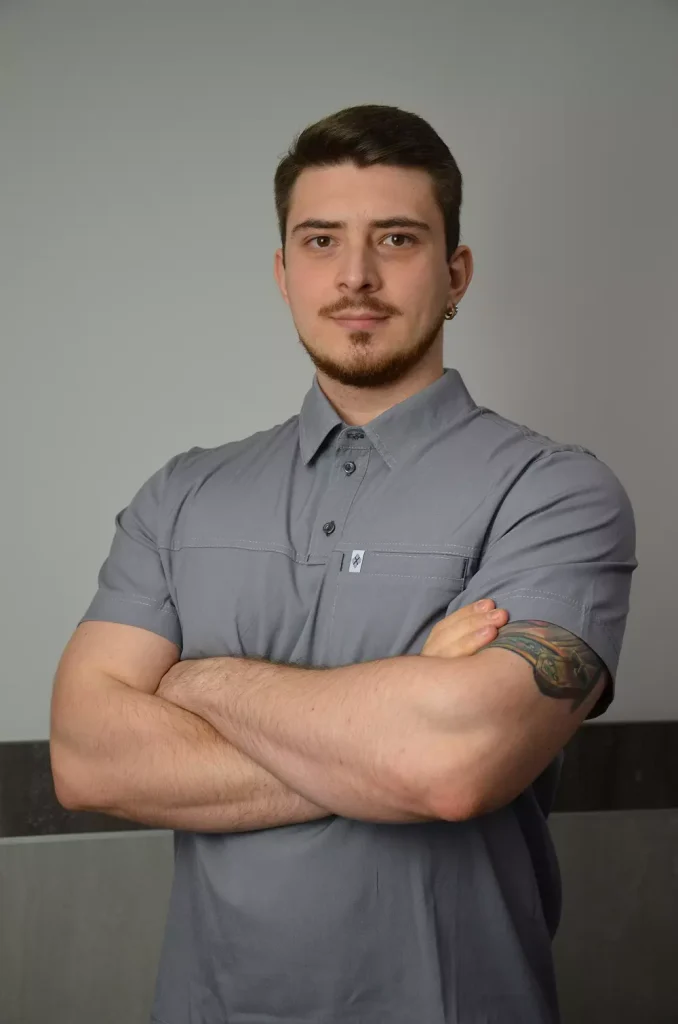
Chief Rehabilitation Specialist
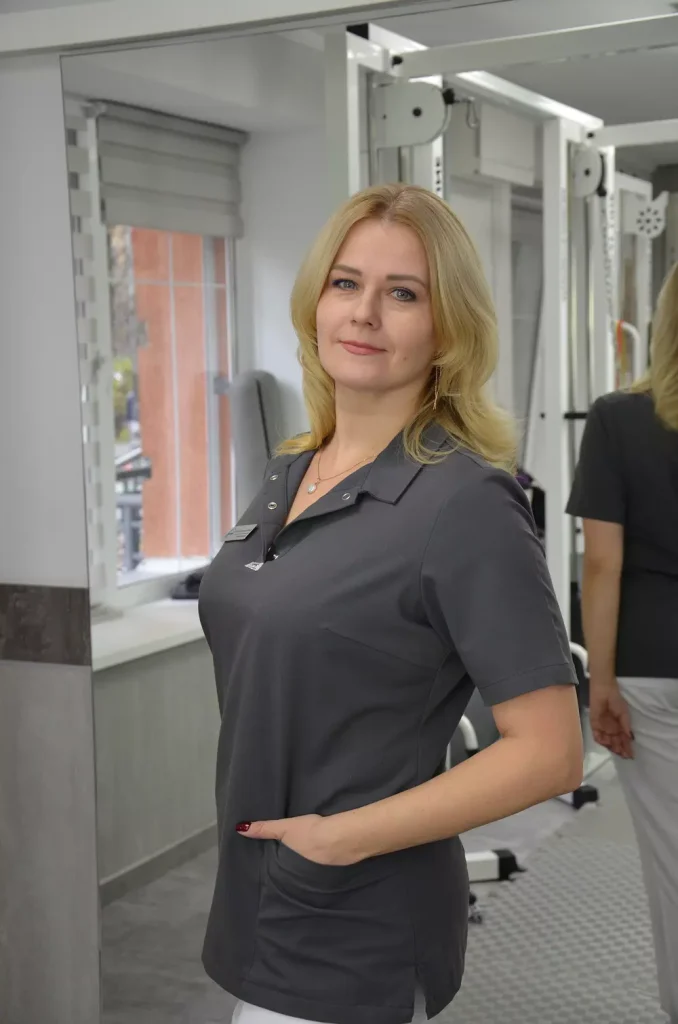
Chief physiotherapist
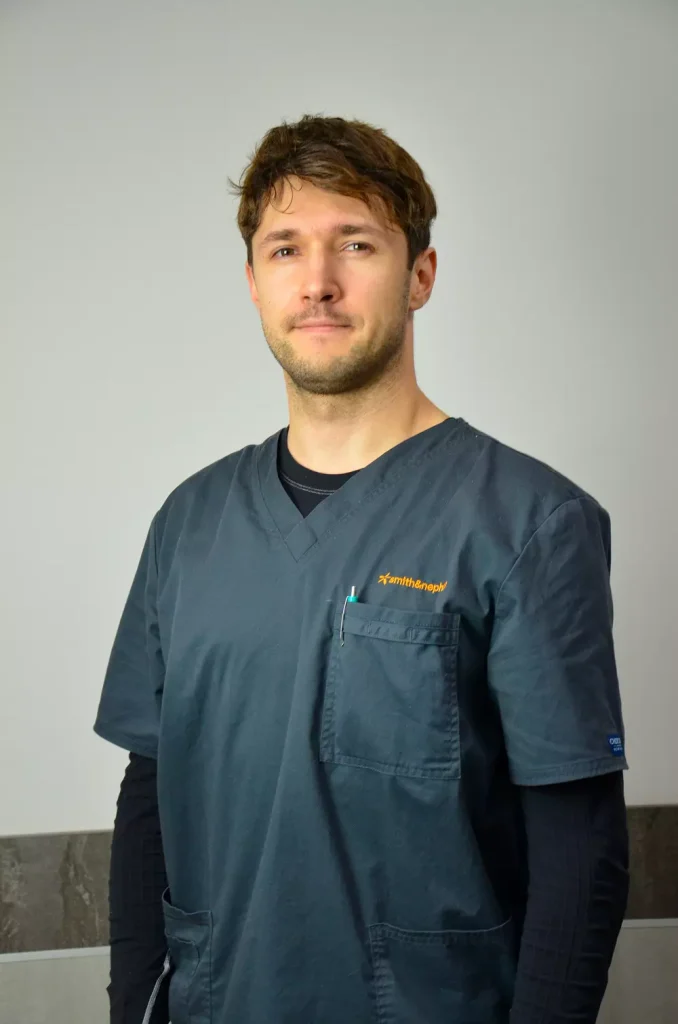
Orthopedic traumatologist
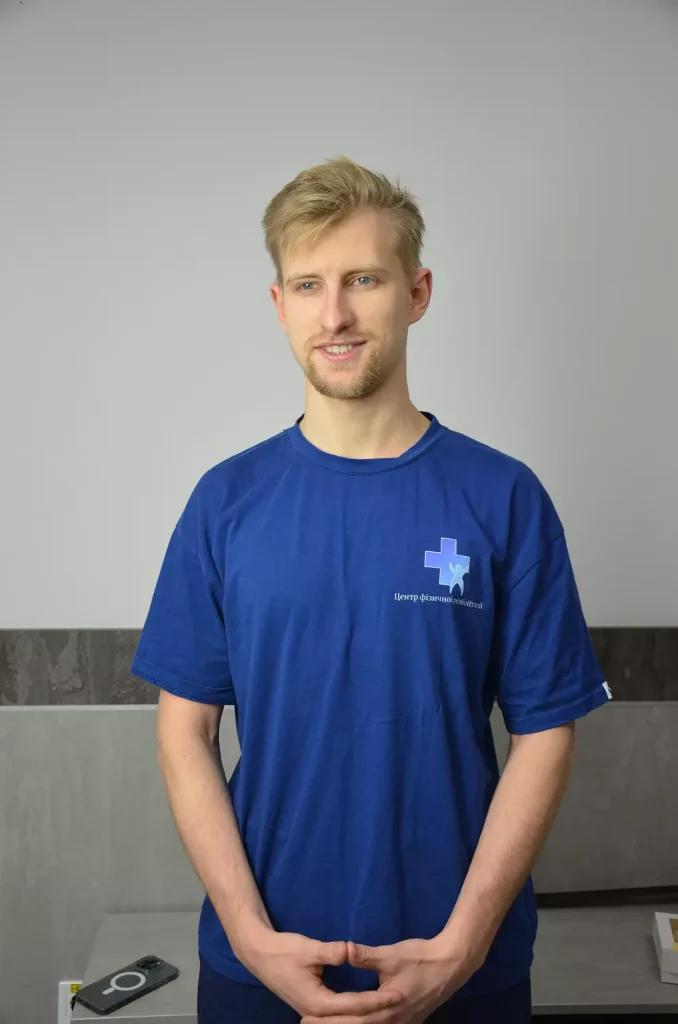
Chief rehabilitation specialist of physical therapy
Masseur
Masseur
Masseur
Masseur
We are grateful to everyone who has entrusted their health to us.
Your feedback is the best confirmation of the results of our work.
Share your impressions - they inspire us to become even better every day.
Leave your contacts — our specialist will contact you within 10–15 minutes to help you choose a service and answer all your questions.
We are always open for communication and ready to help you.
Call or email us to schedule a consultation or get detailed information.
Our experts will suggest the best solution for you.
Leave your contacts — our specialist will contact you within 10–15 minutes to help you choose a service and answer all your questions.