 Skip to content
9 sessions + 1 as a gift
Scoliosis — is a persistent lateral curvature of the spine, which is accompanied by impaired posture, body asymmetry, and changes in the functioning of muscles and internal organs. The disease can develop in childhood, adolescence, or adulthood and tends to progress without correction.
prolonged incorrect body position (sedentary work, studying)
muscle imbalance and weakness of the deep back muscles
congenital features of spinal development
consequences of injuries or surgeries
limb length difference
lack of regular physical activity
asymmetry of the shoulders, shoulder blades, or pelvis
curvature of the spine, visible visually
back, neck, lower back pain
rapid fatigue when sitting or walking
mobility restrictions, muscle spasms
in advanced cases - respiratory and internal organ dysfunction
We apply a comprehensive and individual approach aimed at correcting curvature and stabilizing the spine:
Physical therapy (physical therapy) — the basis of scoliosis treatment, aimed at aligning muscle balance and forming correct posture
Therapeutic massage — relaxes overworked muscles and activates weakened areas
Apparatus physiotherapy — improves blood circulation, reduces pain and promotes tissue repair
Postural correction and training in correct movements — prevention of curvature progression
Individual rehabilitation program — taking into account age, degree of scoliosis and lifestyle
💡 Rehabilitation result — reducing or stabilizing the curvature, improving posture, reducing pain, and improving quality of life.
Wellness centers
Patients were helped
Specialists
Years of experience
Our team consists of experienced rehabilitation specialists, physiotherapists, and massage therapists who help people restore their health and return to an active life every day.
We combine modern techniques, an individual approach, and sincere care for each patient.
Chief Rehabilitation Specialist
Chief physiotherapist
Orthopedic traumatologist
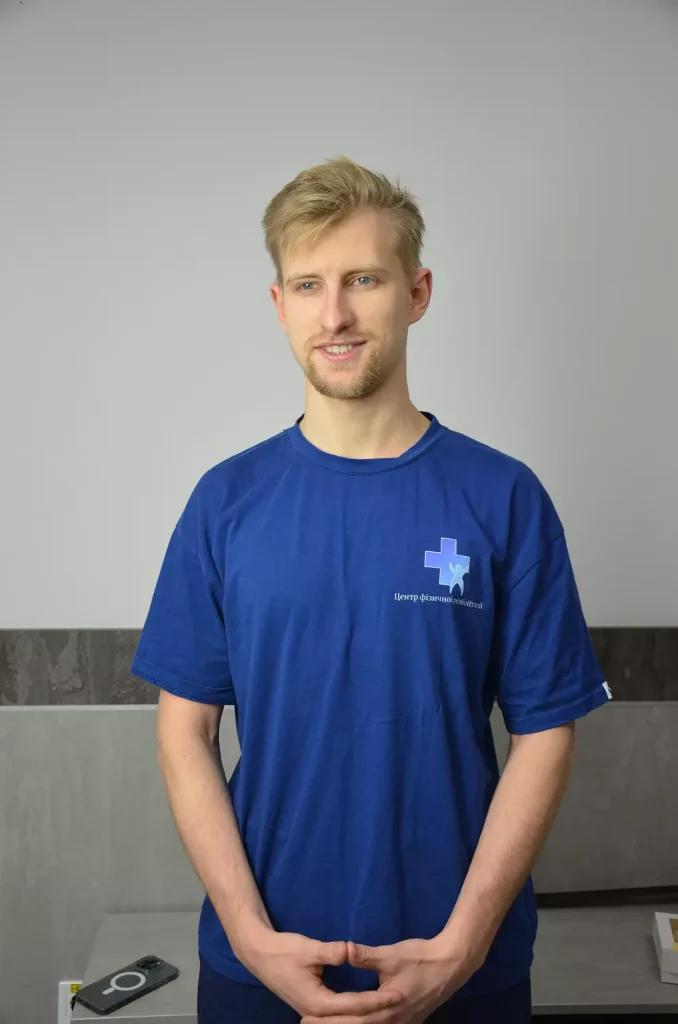
Chief rehabilitation specialist of physical therapy
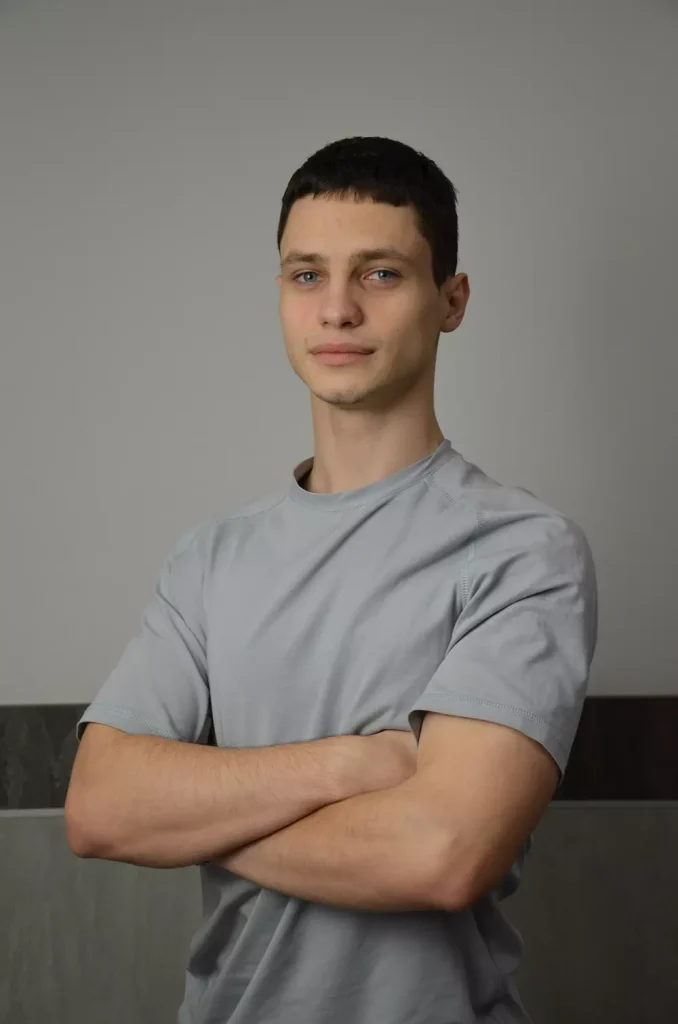
Masseur
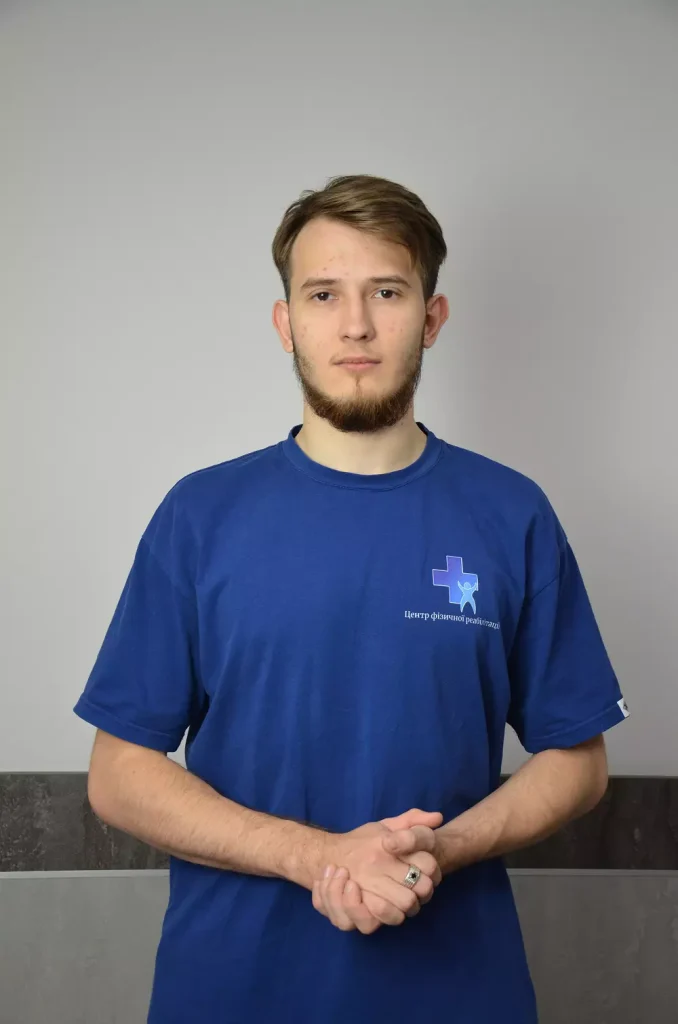
Masseur
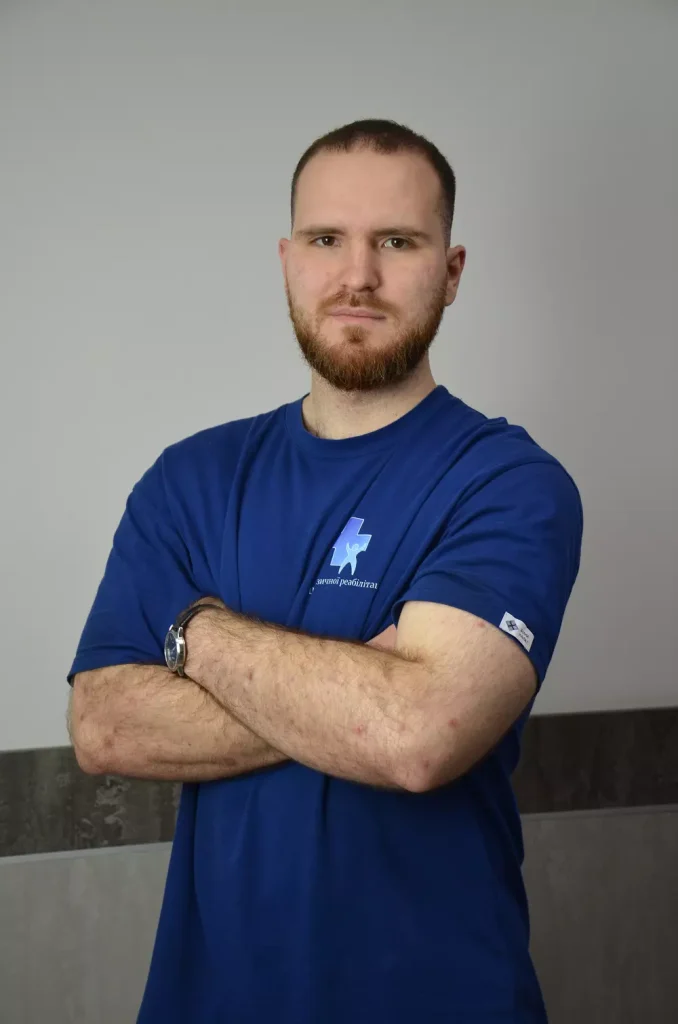
Masseur
Masseur
We are grateful to everyone who has entrusted their health to us.
Your feedback is the best confirmation of the results of our work.
Share your impressions - they inspire us to become even better every day.
Leave your contacts — our specialist will contact you within 10–15 minutes to help you choose a service and answer all your questions.
We are always open for communication and ready to help you.
Call or email us to schedule a consultation or get detailed information.
Our experts will suggest the best solution for you.
Exercise therapy for scoliosis at KINEZIUM includes an assessment of posture, spinal mobility, muscle balance, breathing, strength, asymmetries, and body position control. Scoliosis is not just an “uneven back,” so the program should take into account the patient’s age, degree of curvature, pain, functional limitations, and goals. Exercises are aimed at better postural control, stabilization, mobility, breathing patterns, and everyday movements. Massage can be used as an auxiliary method, but active work is the basis of functional recovery.
Scoliosis rehabilitation may be necessary if there is postural instability, shoulder or pelvic asymmetry, back pain, fatigue, limited mobility, or a need for an individualized program. In children and adolescents, it is important to monitor the progression of the curve, and in adults, pain, muscle endurance, and back function. If scoliosis affects sitting, walking, sports, or daily activities, it is best not to delay an evaluation.
Sign | Why is an assessment needed? |
Shoulder asymmetry | Posture, torso rotation, and muscle balance need to be assessed |
Pelvic asymmetry | Can affect gait, lower back, and leg load |
Back pain | It is important to determine whether the pain is related to overload. |
Rapid back fatigue | Needs work on endurance and stabilization |
Gait disturbance | It is worth assessing the entire motor chain. |
The need for an exercise program | Exercises should be individual, not random |
A specialist evaluation is required if there is significant body asymmetry, pain, rapid back fatigue, progression of the curve, gait disturbance, or discomfort when sitting. In children and adolescents, it is important to monitor periods of active growth when the risk of progression may be higher. In adults, attention is paid to pain, muscle endurance, mobility, pelvic and chest function. If numbness, weakness, dizziness, or a sharp deterioration in condition occurs, a medical evaluation is required.
Physical rehabilitation for scoliosis helps improve postural control, core muscle strength, mobility, balance, breathing patterns, and everyday movements. It does not always “straighten the spine” in the literal sense, but it can help improve body position control, reduce overload, and increase endurance. The program may include asymmetrical or individually adapted exercises, stabilization, breathing elements, and training in correct movement habits. The result depends on age, degree of curvature, regularity of training, and medical recommendations.
The initial assessment for scoliosis includes an analysis of posture, asymmetries of the shoulders, scapulae and pelvis, spinal mobility, strength, breathing, pain, previous examinations and the patient’s goals. If there is an X-ray with a Cobb angle, orthopedist’s conclusions or previous recommendations, they should be taken into consideration during the consultation. The specialist assesses not only the shape of the spine, but also its function: how the person sits, walks, bends, breathes and carries the load. After this, an individual exercise program and home recommendations are selected.
Physical therapy for scoliosis involves active control of body position, exercises, stabilization, breathing, mobility, and regular homework. Back massage can reduce muscle tension and subjective stiffness, but does not in itself form stable postural control. Therefore, massage can be an auxiliary method according to indications, but not a substitute for an individual exercise program.
Criterion | Exercise therapy for scoliosis | Back massage |
Focus | Active body control, strength, breathing, stabilization | Soft tissue, muscle tension, feeling of tightness |
Patient participation | Active and regular | Mostly passive |
Homework | An important part of the program | Usually does not develop self-control skills |
Target | Improve function, endurance, and postural control | Relieve tension and discomfort |
Optimal application | The main method of active recovery | Auxiliary method in the absence of contraindications |
The program for scoliosis may include individual exercises, work with the muscles of the body, breathing, posture, mobility of the thoracic region, pelvis, balance and household movements. In the absence of contraindications, massage for scoliosis can be used as an auxiliary work with soft tissues. If the patient has pain, the program is adapted so as not to provoke symptoms and gradually increase endurance. For children and adolescents, interaction with a doctor is important, especially if the curvature progresses or orthosis is required.
Before exercising for scoliosis, it is necessary to take into account acute pain, neurological symptoms, rapid progression of the curvature, dizziness, postoperative restrictions, pronounced weakness or individual risks. Not all exercises are equally suitable for everyone: excessive asymmetric strength work, sharp twisting or uncontrolled loads may be inappropriate for certain conditions. If there is pain, numbness, gait disturbance or progression of the deformity, the program should be coordinated with a doctor.
The NIAMS notes in its material on scoliosis in children and adolescents that exercise in this topic is not fully studied, but regular activity can help maintain physical fitness and muscle strength; participation in sports should be discussed with a doctor: https://www.niams.nih.gov/health-topics/scoliosis/diagnosis-treatment-and-steps-to-take. The Mayo Clinic writes that physical therapy can help strengthen the back, relieve pain, and improve posture, although regular activities are not usually considered to cause scoliosis: https://www.mayoclinic.org/diseases-conditions/scoliosis/diagnosis-treatment/drc-20350721. Systematic reviews of specific exercises for scoliosis published in PubMed Central show potential benefits of exercises for curve angle and quality of life, but the effect depends on the technique, regularity, and individual selection: https://pmc.ncbi.nlm.nih.gov/articles/PMC7385877/. Therefore, the program should be personalized, not templated.
To schedule a scoliosis evaluation at KINEZIUM, you should provide the patient's age, main complaints, pain, asymmetry, fatigue, limited range of motion, or previous examinations. If there are X-rays, an orthopedic opinion, Cobb angle data, or recommendations for a brace, these should be taken to the initial consultation. The specialist will assess the patient's posture, mobility, strength, breathing, pain, contraindications, and goals. After that, an individual exercise program and recommendations for homework are created.
Leave your contacts — our specialist will contact you within 10–15 minutes to help you choose a service and answer all your questions.