wellness centers
patients were helped
specialists
years of experience
Rehabilitation after a fracture of the tibia in KINEZIUM is a recovery after a fracture of the tibia bones, which helps to restore support, gait, strength, balance, mobility of the knee and ankle. After a plaster, osteosynthesis, plate or prolonged restriction of support, the muscles of the tibia and thigh weaken, the joints become stiffer, and the gait often remains cautious. The program should take into account which bone is damaged, whether there was a displacement, surgery, allowed support, pain, swelling, scar condition and recommendations of the traumatologist. In KINEZIUM, recovery may include exercises for the foot, ankle, knee, lower leg and thigh, gait training, balance, gradual support and a home program. The goal is to return the leg to a confident gait without premature overloading the fracture area.
A broken tibia can occur after a car accident, fall, direct blow, sports injury, twisting or twisting the leg too hard. The tibia is made up of the tibia and fibula bones, and the injury can affect one or both bones, as well as the areas near the knee or ankle.
Reason | What can be damaged? |
Accident or severe impact | Tibia, fibula, soft tissues |
Falling or tripping | Ankle area, fibula, joint structures |
Sports injury | Twisting, contact impact, fracture with or without displacement |
Fall from a height | Strong axial load on the lower leg and foot |
Stress overload | Microfractures from repetitive stress, running, or jumping |
Osteoporosis or bone weakness | Fracture is possible after a minor injury |
The degree of a tibia fracture is determined by location, displacement, joint involvement, treatment method, and permitted support. A fracture of the tibia, fibula, ankle, or knee requires a different focus of rehabilitation.
Type / degree | Typical manifestations | Rehabilitation logic |
Non-displaced fracture | Pain, immobilization, temporary limitation of support | Gradual return of movement and load after clearance |
Displaced fracture | Often requires repositioning or surgery | Control of shots, fixation and permitted support |
After osteosynthesis | Plate, screws, rod, or other fixation | Recovery according to the traumatologist's protocol |
Intra-articular fracture | Risk of knee or ankle stiffness | Emphasis on amplitude, swelling, and controlled resistance |
Stress fracture | Pain with repeated exertion, without acute injury | Unloading, gradual return to activity and analysis of the causes |
If rehabilitation is not performed after a shin fracture, lameness, calf muscle weakness, limited ankle or knee mobility, fear of support, and rapid fatigue when walking may remain. After prolonged immobilization, the shin muscles weaken, and the foot may lose its normal rolling. If you switch to full support too soon without your doctor's permission, pain, swelling, or risk of injury to the fracture area may increase.
Possible consequences:
After a shin fracture, it is important to restore not only the bone, but also normal gait, foot roll, and lower extremity strength.
A program after a fracture of the tibia is needed for patients after a cast, osteosynthesis, plate, pain, swelling, limited support and gait changes. It is especially important if, after being allowed to walk, a person continues to limp, cannot roll the foot normally or is afraid to step fully. Rehabilitation is also needed after fractures near the knee or ankle, where there is a risk of persistent stiffness.
Situation | When is a program needed? |
After a cast or brace | Joints are stiff, muscles are weak, gait is altered |
After osteosynthesis | It is necessary to take into account fixation, scar and permissible resistance |
When support is limited | Need training to transition from crutches to full gait |
With edema | The foot tolerates loads and shoes worse |
With calf weakness | Difficulty pushing off when walking or climbing stairs |
To return to activity | Requires strength, balance, endurance, and movement control |
Rehabilitation of the lower leg after a fracture helps to restore support, strength of the lower leg muscles, mobility of the foot and knee, balance and confident gait. At an early stage, it is important to control pain, swelling and the allowed level of support. Then exercises are added for the ankle, knee, foot, calf muscles, thigh and buttocks. Separately, foot roll, step length, balance and a gradual increase in walking distance are trained. If the fracture was stressful or sports-related, it is also important to correct the causes of overload.
Rehabilitation after a shin fracture includes pain and swelling control, gradual support, joint development, strengthening, balance, and gait training. The pace is determined by the healing, type of fixation, and your doctor's recommendations.
Stage | What do they do? | Why is this needed? |
1. Constraint Analysis | Pictures, discharge, permitted support, postoperative protocol | Do not overload the lower leg prematurely. |
2. Pain and swelling control | Dosed movements, positioning, physiotherapy as indicated | Prepare your leg for more active recovery |
3. Joint development | Ankle, knee, foot, toes | Reduce stiffness after immobilization |
4. Gradual support | Transitioning from crutches to more weight on the leg | Restore confidence in your step |
5. Strengthening | Calf, foot, thigh, gluteal muscles | Restore control of the lower limb |
6. Balance and gait | Foot roll, stairs, balance, longer gait | Restore leg function in everyday life |
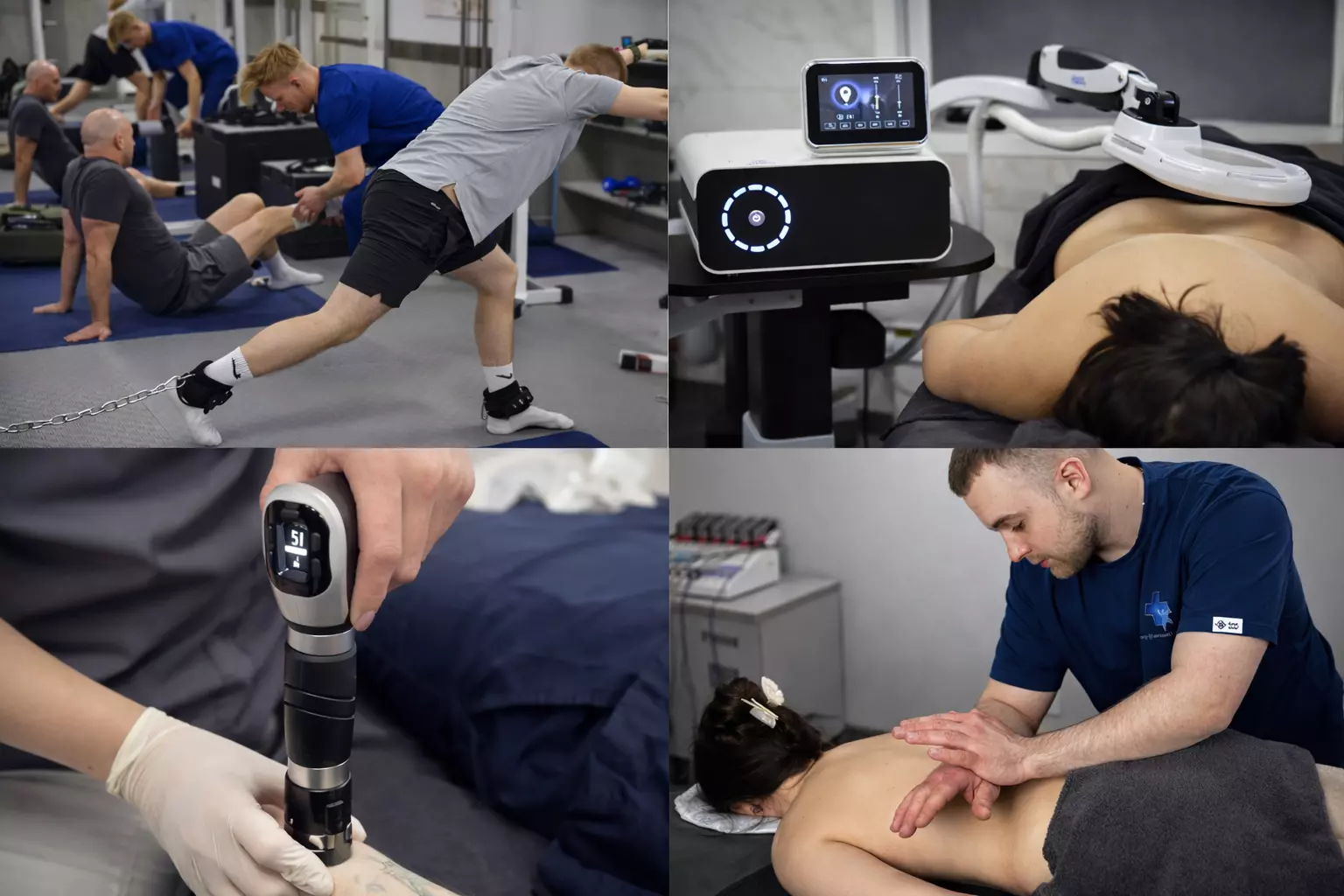
Rehabilitation of the lower leg at the KINEZIUM center in Kyiv begins with an analysis of the images and recommendations of a traumatologist, an assessment of support, pain, strength, mobility, swelling and gait. The specialist clarifies which bone was broken, whether there was surgery, a plate, rod or cast, whether full support is allowed and what movements are limited. Next, exercises are selected for the foot, ankle, knee, calf, hip, balance and gait training. The load is increased gradually, controlling pain, swelling and the quality of the step. If there is a sharp increase in pain or signs of problems with the scar, a medical evaluation is required.
Rehabilitation after a tibia fracture differs from ankle rehabilitation in that it focuses on the tibia bones, support, knee, ankle, control of fusion, and gradual loading. In an ankle injury, the primary focus is often on ligaments, stability, and range of motion, while in a tibia fracture, it is important to control the bone fusion and allowable support. Both conditions require gait, strength, and balance training.
Criterion | Fracture of the tibia | Ankle injury |
The main factor | Bone fusion, fixation, permitted support | Joint stability, ligaments, amplitude |
Work areas | Knee, lower leg, ankle, foot | Ankle, foot, stabilizers |
Risk | Early weight bearing before union, lameness | Re-injury, instability, pain |
Pace | Often requires gradual return of support | Requires roll control and stability |
Tempo | Tied to images and doctor's approvals | Tied to pain, stability, and function |
After a fracture of the tibia, it is necessary to take into account incomplete union, pain, swelling, prohibition of full weight bearing, risk of re-injury and doctor's recommendations. If the doctor has allowed only partial weight bearing, you should not independently proceed to full walking without supervision. Also, you should not return to running, jumping, strength training or long walks early without confirming readiness.
MedlinePlus explains in its article on fractures that a broken bone requires medical attention and time to heal: https://medlineplus.gov/fractures.html. MedlinePlus, in its article on femur fracture repair discharge, also emphasizes that weight bearing, walking, and exercise after surgery should be in accordance with medical recommendations: https://medlineplus.gov/ency/patientinstructions/000166.htm. The AAOS Foot and Ankle Conditioning Program describes exercises to do after foot and ankle injuries or surgeries to help you return to daily activities: https://orthoinfo.aaos.org/en/recovery/foot-and-ankle-conditioning-program/. Practical conclusion: after a shin fracture, the main thing is not to rush to full support and gradually restore your stride.
After rehabilitation at KINEZIUM, you can expect a gradual return of support, gait, strength, balance, mobility and everyday activities. The result depends on the type of fracture, the presence of surgery, the state of union, the duration of immobilization, pain, swelling, regularity of exercises and home program. In practice, this means a smoother step, better foot roll, less fear of stepping, a stronger calf and a gradual return to stairs, work or activity.
MedlinePlus Rehabilitation describes recovery as the process of regaining the abilities needed for daily living after injury or treatment: https://medlineplus.gov/rehabilitation.html. The AAOS Foot and Ankle Conditioning Program explains that exercises after injuries or surgeries help you return to daily activities and a more active lifestyle: https://orthoinfo.aaos.org/en/recovery/foot-and-ankle-conditioning-program/. The Cleveland Clinic, in its article on tibia and fibula fractures, notes that treatment and recovery times depend on the type of fracture and the method of fixation: https://my.clevelandclinic.org/health/diseases/22252-tibia-and-fibula-fractures. Practical conclusion: the result after a shin fracture is not only the healing of the bone, but also the return of strength, support, and a more normal gait.
To sign up for rehabilitation after a shin fracture, you need to contact KINEZIUM and inform them of the date of the injury, the location of the fracture, whether there was surgery, a cast, plate or rod, as well as the level of support allowed. It is advisable to take pictures, a statement and recommendations from a traumatologist for the initial assessment. The specialist will assess pain, swelling, mobility, strength, balance, gait and safety of the load. After this, an individual recovery program is formed. If there is sharp pain, increasing swelling, redness, temperature or inability to support, a medical evaluation is required first.
Our team consists of experienced rehabilitation specialists, physiotherapists, and massage therapists who help people restore their health and return to an active life every day.
We combine modern techniques, an individual approach, and sincere care for each patient.

Chief Rehabilitation Specialist
Chief physiotherapist
Orthopedic traumatologist
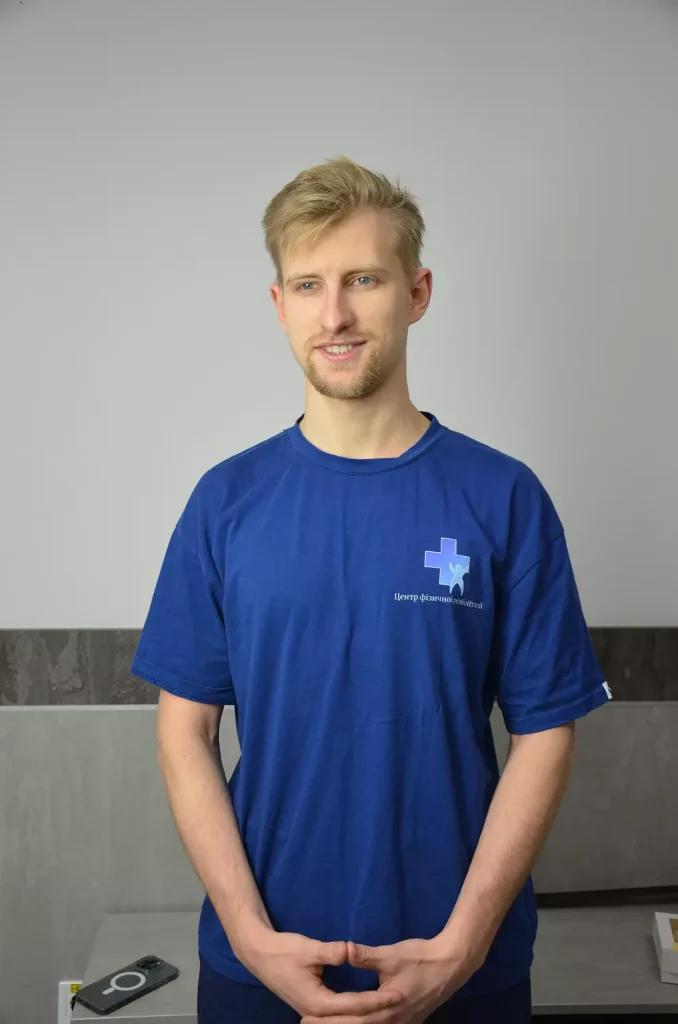
Chief rehabilitation specialist of physical therapy

Rehabilitation specialist
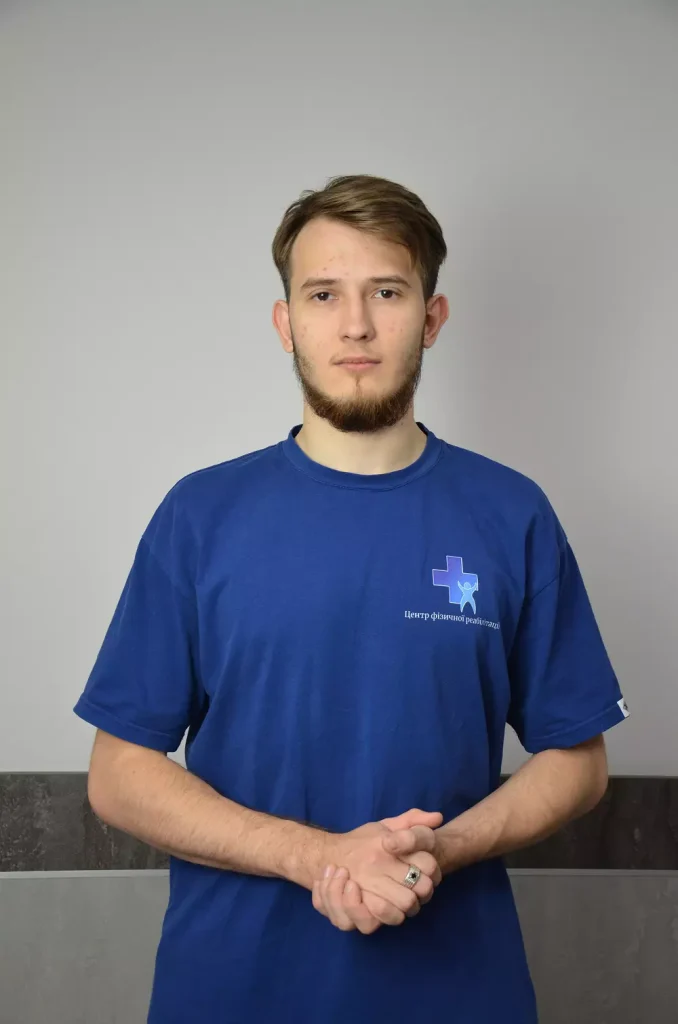
Rehabilitation specialist
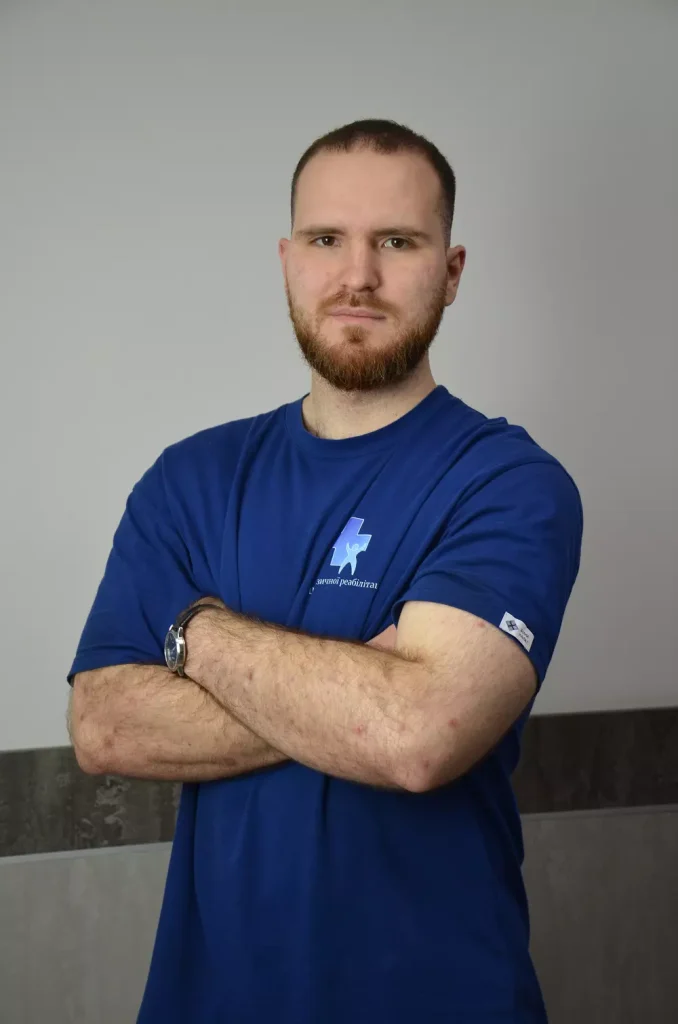
Masseur
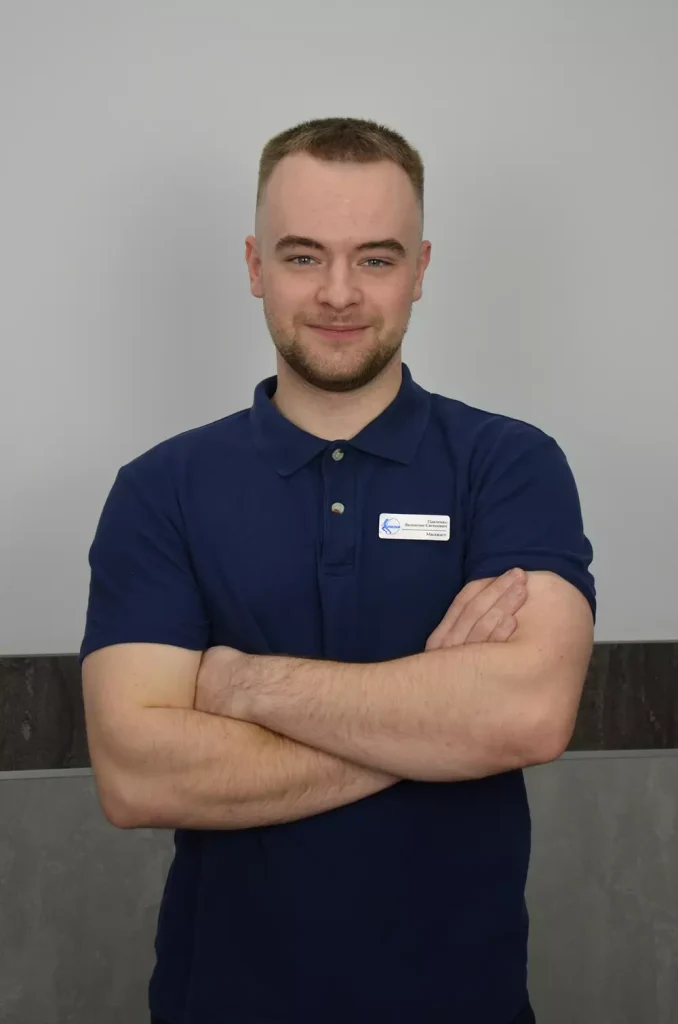
Masseur
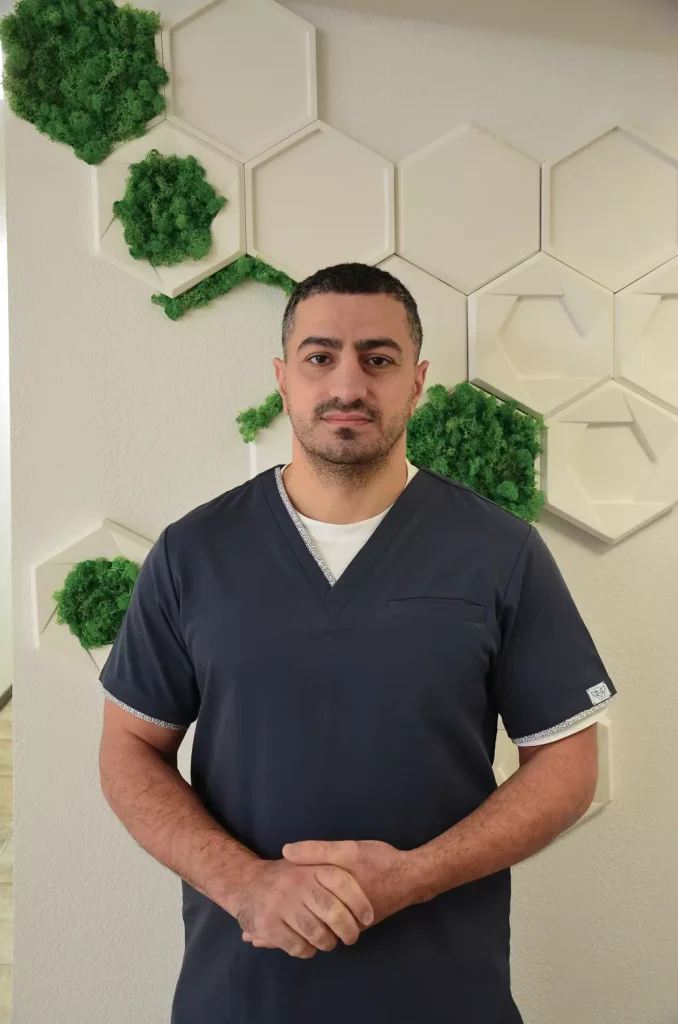
Founder of the center
Chief Rehabilitation Specialist
Chief physiotherapist
Orthopedic traumatologist
Chief rehabilitation specialist of physical therapy
Masseur
Masseur
Masseur

Leave your contacts — our specialist will contact you within 10–15 minutes to help you choose a service and answer all your questions.
Leave your contacts — our specialist will contact you within 10–15 minutes to help you choose a service and answer all your questions.