wellness centers
patients were helped
specialists
years of experience
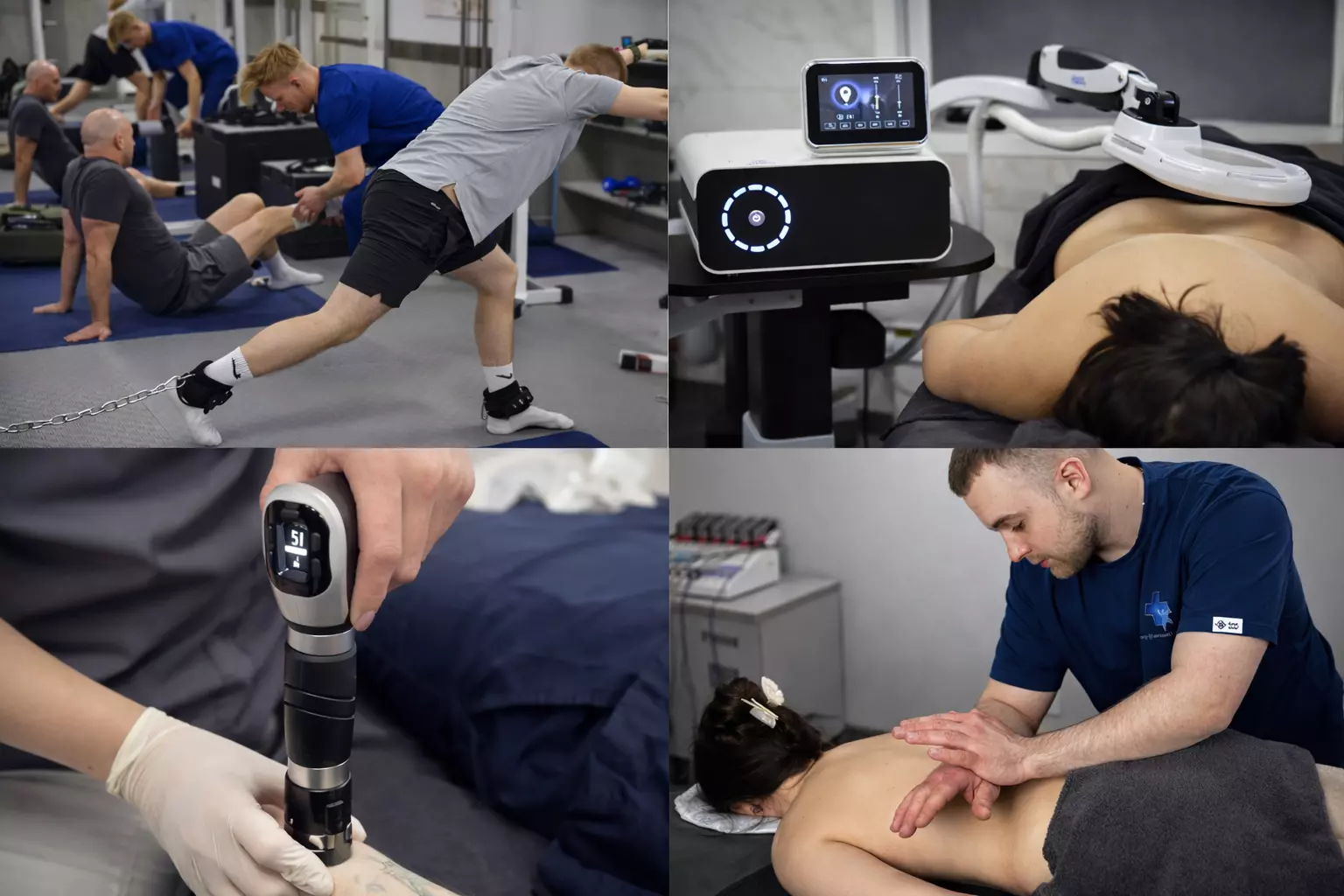
Rehabilitation after knee replacement in KINEZIUM is a postoperative recovery after endoprosthetics, aimed at restoring mobility, strength, gait, pain control and safe everyday activities. After installing the prosthesis, it is important not only to “let the knee heal”, but also to gradually teach it to bend, unbend, withstand support and work during walking, climbing stairs and daily movements. The program is built taking into account the discharge, surgeon's recommendations, pain, swelling, scar condition, quadriceps strength, support and general endurance. KINEZIUM can use amplitude exercises, gait training, gradual strengthening, balance, physiotherapy according to indications and home recommendations. The goal is to return the patient confidence in movement without overloading the new joint.
Knee replacement is most often performed when the original joint is severely damaged and the pain significantly limits walking, climbing stairs, sleeping, or everyday activities. The cause may be osteoarthritis, the effects of injuries, joint deformity, or other conditions where conservative treatment no longer provides sufficient functional results.
Reason | How does this affect the knee? |
Severe arthrosis | Cartilage breaks down, pain and stiffness limit walking |
Post-traumatic changes | After fractures or injuries, the joint may lose normal mechanics. |
Deformity of the leg axis | The knee is overloaded unevenly, the pain intensifies when walking |
Chronic inflammation or degeneration | Mobility, strength, and ability to withstand loads decrease |
Life restrictions | Difficulty walking, getting out of a chair, or going down stairs |
Ineffectiveness of previous treatment | Surgery is considered when other methods do not provide sufficient symptom control. |
After knee replacement, recovery occurs in stages. In the early stages, the main tasks are pain control, swelling, safe gait, and basic range of motion; later, strength, endurance, and a return to the usual rhythm of life.
Stage / state | Typical manifestations | Rehabilitation logic |
Early postoperative period | Pain, swelling, limited flexion, walking with support | Early mobilization, range-of-motion exercises, prevention of complications |
Gait restoration | The patient transitions from a walker or crutches to a more independent gait | Control of gait, support, balance and strength |
Return of amplitude | Flexion and extension are not yet complete | Regular exercises without sharp pain and violent development |
Strengthening | Weakness of the quadriceps, gluteal muscles, and lower leg | Dosed exercises for knee stability |
Functional stage | Need to return stairs, longer walking, household tasks | Balance, endurance, gradual increase in activity |
If rehabilitation is not performed after knee replacement, persistent flexion limitation, muscle weakness, abnormal gait, and fear of stress may develop. After surgery, the knee requires regular but controlled movement, otherwise the tissues may become stiffer and daily activities may return more slowly. At the same time, too early intensive stress is also dangerous, so a balance between activity and protection is needed.
Possible consequences:
After hip replacement surgery, it is important to move early, but within the recommendations of the surgeon and rehabilitation specialist.
A post-knee replacement program is needed for patients who have joint replacement, pain, swelling, weakness, limited bending and walking. It is especially important in the first weeks, when you need to learn to walk safely, stand up, perform exercises and control the knee reaction. Rehabilitation is also needed for those who are afraid to put weight on their leg after surgery or cannot return to normal everyday movements.
Situation | When is a program needed? |
After knee replacement | Need to restore range of motion, strength, and gait |
With edema | The knee bends less easily, the load is transferred more difficultly |
With muscle weakness | Difficulty getting up, walking, climbing stairs |
When walking with support | It is necessary to correctly transition from a walker or crutches to independent walking. |
With fear of movement | The patient is afraid to bend the knee or step on the foot |
To return to everyday life | Requires skills in walking, climbing stairs, sitting, and getting out of a chair |
Recovery after knee replacement helps to restore flexion, extension, strength, walking skills, stair climbing and household movements. Early controlled loading helps to reduce the risk of stiffness, but it should be dosed and without dangerous pain. Separately, work is done on the quadriceps, gluteal muscles, balance and gait technique. The patient gradually learns to walk without excessive limping, get out of a chair, use stairs and perform household activities. Rehabilitation also helps to understand which symptoms are normal after surgery and which require medical supervision.
The course after knee replacement includes early mobilization, swelling control, range-of-motion exercises, strengthening, and gait training. The rate of progress depends on the type of surgery, age, pain, general condition, and surgeon recommendations.
Stage | What do they do? | Why is this needed? |
1. Early mobilization | Getting out of bed, first steps, safe foot and knee movements | Prevention of complications and return to basic activity |
2. Pain and swelling control | Positioning, dosed exercises, load recommendations | Reduce stiffness and improve range of motion |
3. Knee amplitude | Gradual flexion and extension | Restore functional movements for walking and sitting |
4. Strengthening | Quadriceps, glutes, lower leg | Stabilize the knee and improve support |
5. Gait training | Step, support, transition from assistive devices | Reduce lameness and regain confidence |
6. Household activity | Stairs, getting up from a chair, prolonged walking | Regain independence in everyday life |
Rehabilitation after knee replacement at KINEZIUM in Kyiv begins with an assessment of discharge, pain, swelling, movements, strength, gait and postoperative limitations. The specialist clarifies when the operation was performed, what recommendations the surgeon gave, whether there are any restrictions on movement or load, and which household tasks are currently the most difficult. Next, a program of exercises for amplitude, quadriceps activation, gait training, balance and gradual strengthening is selected. At each stage, the knee's reaction is monitored: pain, swelling, step quality, progress of flexion and extension. A home program helps maintain the result between sessions.
Rehabilitation after joint replacement differs from recovery after injury in that there is a prosthesis in the knee, postoperative rules, early walking, prevention of complications, and gradual increase in load. After injury, the main guideline is often healing of the patient's own tissues or bone fusion, and after arthroplasty, restoring the function of the new joint within the limits of the surgeon's recommendations. Both conditions require control of pain, swelling, strength, and gait.
Criterion | After knee replacement | After a knee injury |
The main factor | New joint and postoperative protocol | Type of injury, tissue healing, stability |
Early stage | Early mobilization and walking as recommended | There may be limited support or immobilization. |
Risks | Thrombosis, infection, stiffness, edema | Re-injury, instability, overload |
Exercises | Amplitude, quadriceps, gait, stairs | Depends on the injured structure |
Target | Independent walking and daily life after endoprosthetics | Return of function after injury |
After knee replacement, pain, swelling, risk of thrombosis, signs of infection, postoperative restrictions, scar condition, sudden increase in pain, fever, redness, calf pain, or shortness of breath should be considered. The surgeon's recommendations regarding movement, wound care, walking, and use of assistive devices should not be ignored. The intensity of exercises should be increased gradually, without forcing bending due to sharp pain.
MedlinePlus, in its article on knee replacement care, notes that you should be careful with knee movements after surgery, especially in the first few months: https://medlineplus.gov/ency/patientinstructions/000369.htm. The AAOS Total Knee Replacement Exercise Guide explains that regular exercises to restore strength and mobility and a gradual return to daily activities are important for a full recovery: https://orthoinfo.aaos.org/en/recovery/total-knee-replacement-exercise-guide/. The MedlinePlus aftercare series on knee joint replacement describes early movement and walking after surgery, as well as blood clot prevention: https://medlineplus.gov/ency/presentations/100088_4.htm. Practical conclusion: after knee replacement, movement is necessary, but it must be controlled and safe.
After rehabilitation in KINEZIUM, you can expect a gradual return of walking, strength, bending, everyday activities and confidence in movement. The result depends on the condition before the operation, age, pain, swelling, regularity of exercises, compliance with recommendations and concomitant conditions. In practical life, this means easier standing, walking, using stairs, staying on your feet for longer and better control of the knee.
The AAOS Total Knee Replacement Exercise Guide indicates that exercise and a gradual return to daily activity are important for a full recovery after knee replacement: https://orthoinfo.aaos.org/en/recovery/total-knee-replacement-exercise-guide/. MedlinePlus describes early walking and movement after knee replacement as part of postoperative care: https://medlineplus.gov/ency/presentations/100088_4.htm. The AAOS Knee Conditioning Program explains the role of strengthening the muscles that support the knee joint: https://orthoinfo.aaos.org/en/recovery/knee-conditioning-program/. Practical conclusion: the result after knee replacement depends not only on the operation, but also on consistent rehabilitation.
To sign up for rehabilitation after knee replacement, you need to contact KINEZIUM and inform the date of the operation, the level of pain, swelling, ability to walk, the use of crutches or a walker and the surgeon's recommendations. It is advisable to take the discharge and postoperative appointments for the first visit. The specialist will assess the amplitude, strength, gait, scar condition, swelling and safe level of load. After that, a postoperative recovery program is formed with gradual progress. If there is a temperature, redness of the wound, a sharp increase in swelling, pain in the calf or shortness of breath, medical help is required first.
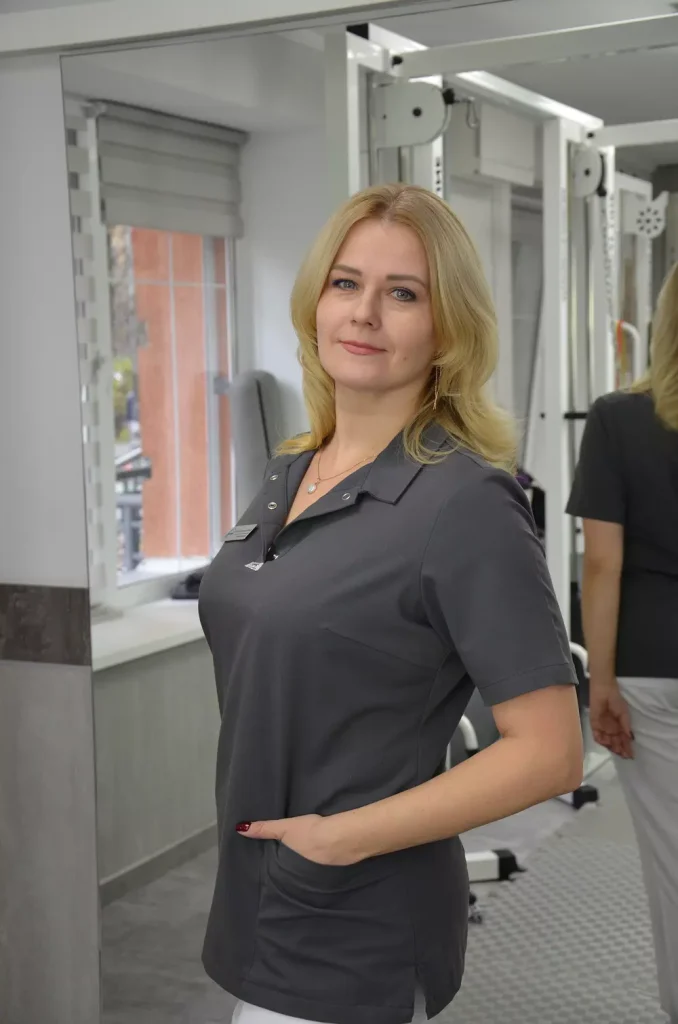
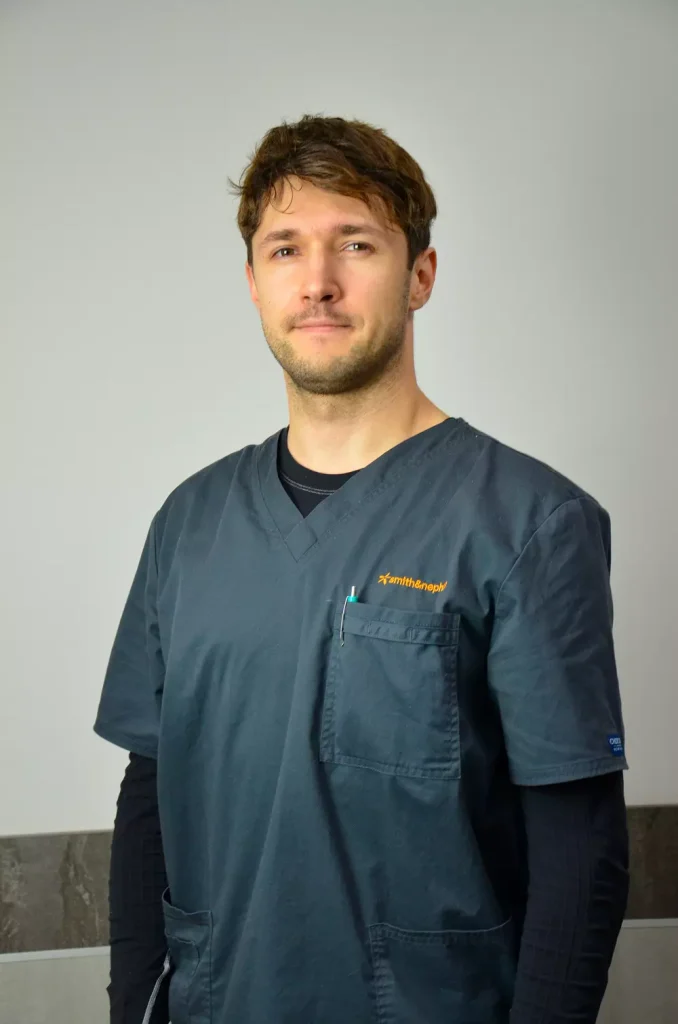
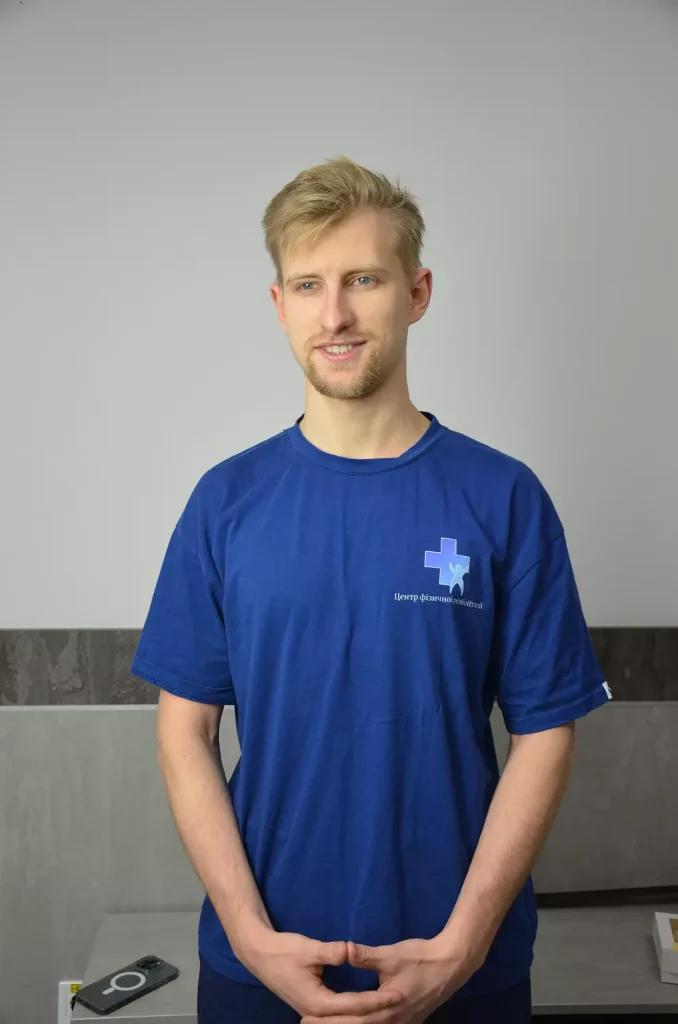
Our team consists of experienced rehabilitation specialists, physiotherapists, and massage therapists who help people restore their health and return to an active life every day.
We combine modern techniques, an individual approach, and sincere care for each patient.

Chief Rehabilitation Specialist
Chief physiotherapist
Orthopedic traumatologist
Chief rehabilitation specialist of physical therapy

Rehabilitation specialist
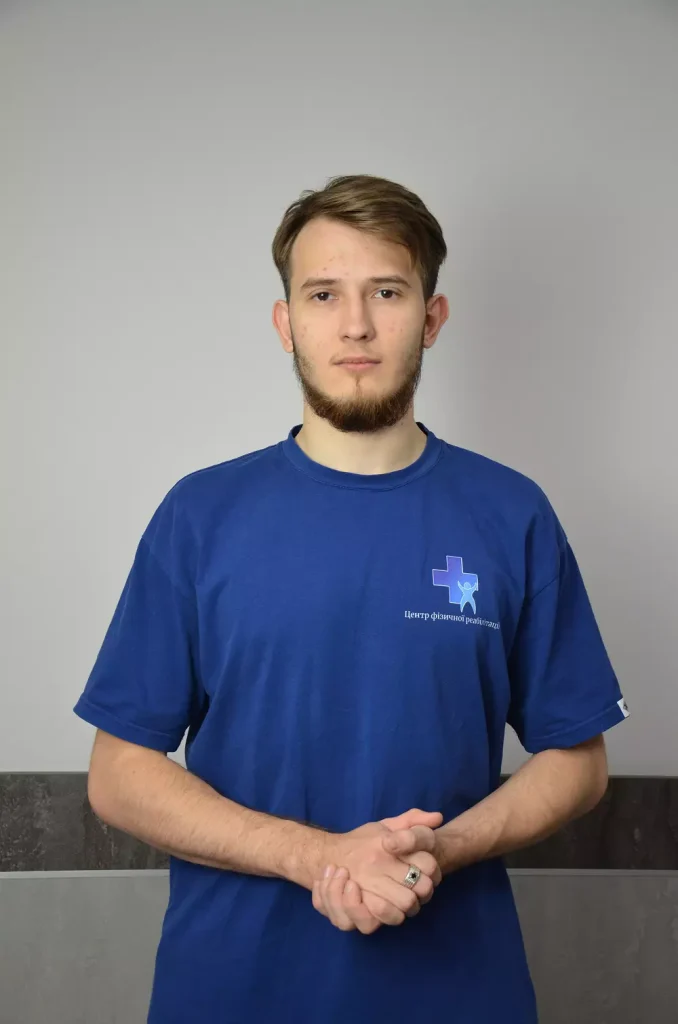
Rehabilitation specialist
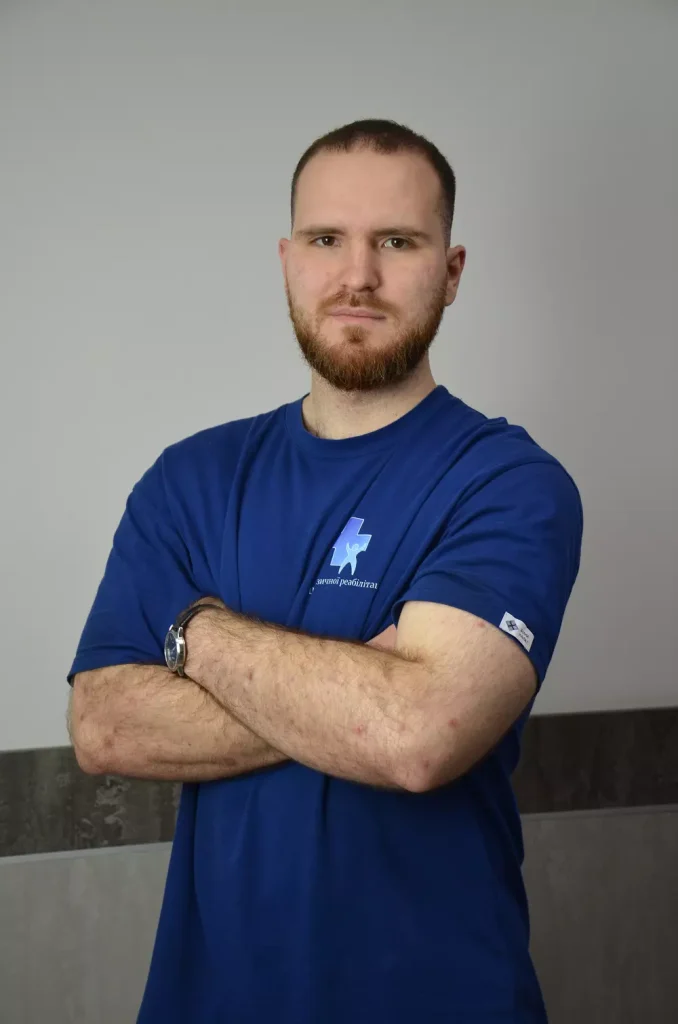
Masseur

Masseur
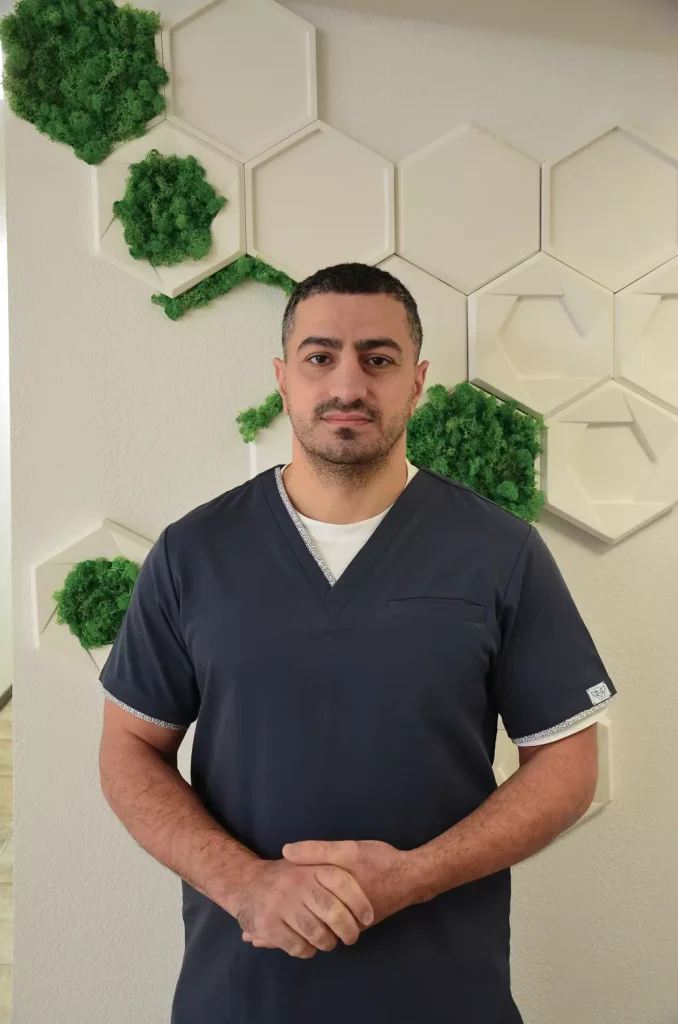
Founder of the center
Chief Rehabilitation Specialist
Chief physiotherapist
Orthopedic traumatologist
Chief rehabilitation specialist of physical therapy
Masseur
Masseur
Masseur

Leave your contacts — our specialist will contact you within 10–15 minutes to help you choose a service and answer all your questions.
Leave your contacts — our specialist will contact you within 10–15 minutes to help you choose a service and answer all your questions.