
 Skip to content
9 sessions + 1 as a gift
Rehabilitation after vertebroplasty at KINEZIUM is recovery after a spinal stabilization procedure that helps you safely return to movement, load control, and everyday activities. Vertebroplasty is often performed for painful compression fractures of the spine, when part of the vertebral bone sags or compresses. After the procedure, it is important not to just wait for the pain to subside, but to gradually restore walking, posture, back muscle strength, and safe everyday movements. The program should take into account osteoporosis, the risk of re-fracture, the doctor's recommendations, and the prohibition of early weight lifting or sudden movements.
A compression fracture of a vertebra can occur after a fall, a sudden strain, osteoporosis, or weak bones. In people with osteoporosis, even relatively light stress can cause the vertebra to slip and cause back pain. Vertebroplasty may be considered by your doctor as a procedure to stabilize a painful fracture.
| Reason | What's happening? |
| Osteoporosis | Bone tissue weakens, vertebrae sag more easily |
| Fall | Can cause vertebral compression and acute back pain |
| Sharp load | Lifting weights or awkward movements can worsen a weakened vertebra. |
| Tumor or other medical causes | Require separate diagnostics and medical treatment |
| Age and inactivity | Increase the risk of muscle weakness and falls |
The degree of compression fracture is determined by the height of the vertebra, stability, pain, neurological symptoms and examination data. For rehabilitation, it is important to know not only the fact of vertebroplasty, but also whether there are other fractures, osteoporosis, doctor's prohibitions and the risk of re-injury.
| Degree/state | Typical manifestations | Rehabilitation approach |
| Minor compression fracture | Pain with movement, cautious gait, moderate activity limitation | Gentle exercises, posture control, gradual increase in movement |
| Severe pain before the procedure | Fear of movement, walking restrictions, need for stabilization | Cautious return to activity after doctor's approval |
| Osteoporotic fracture | Risk of repeated fractures, decreased confidence in movement | Balance, fall prevention, muscle strengthening, teaching safe movements |
| After vertebroplasty | Load control, gradualness, and restriction of sudden movements are required. | Individual program taking into account the doctor's recommendations |
| Complex condition | Neurological symptoms, other fractures, severe pain | First medical evaluation, then rehabilitation within safe limits |
If movement is not restored properly after a compression fracture or vertebroplasty, fear of exertion, back muscle weakness, stoop, gait disturbance, and risk of falls may persist. Excessive rest can impair endurance and make it difficult to return to daily activities. At the same time, too much exertion too soon can increase the risk of pain or re-injury.
Possible consequences:
Therefore, after vertebroplasty, a balance is important: do not rush with the load, but also do not remain in passive mode longer than necessary.
A post-vertebral replacement program is needed for patients who have suffered a compression fracture, back pain, limited mobility, fear of exertion, or decreased daily activity. It is especially important to be evaluated if there is osteoporosis, repeated falls, muscle weakness, or unsteadiness when walking. Rehabilitation should consider not only the spine, but also balance, leg strength, the habit of getting up, walking, and carrying household loads.
| Situation | When is a program needed? |
| After vertebroplasty | It is necessary to safely return to movement and everyday activities |
| After a compression fracture | There is pain, fear of movement, limitation of walking or bending |
| With osteoporosis | Prevention of falls and repeated fractures is needed |
| After a long rest | Muscles weakened, endurance decreased |
| When changing posture | There is stooping, cautious gait, fear of straightening up |
| In case of domestic difficulties | Difficulty getting up, walking, getting dressed, and performing household tasks |
Recovery after vertebroplasty helps to restore mobility, control pain, strengthen back muscles and safely increase activity. It is important for the patient to learn to move in a way that does not overload the spine: get out of bed, walk, sit, perform household movements without sudden bends and twists. In osteoporosis, additional work with balance and fall prevention is required. Physiotherapy can be helpful, but the basis often becomes controlled exercises, gradual walking and training in safe movements. The result is assessed by how much the patient moves more confidently in daily life.
Rehabilitation after spinal stabilization should be gentle and gradual. It begins not with intensive exercises, but with an assessment of pain, movement, gait, posture, muscle strength, and the doctor's recommendations.
| Stage | What do they do? | Why is this needed? |
| 1. Initial assessment | Analysis of procedure, pain, limitations, osteoporosis, gait | Determine safe activity limits |
| 2. Gentle movements | Gentle exercises, learning to stand up, walk, change position | Return the movement without overloading the vertebrae |
| 3. Posture control | Working with back position and everyday movements | Reduce the risk of repeated loading |
| 4. Physiotherapy according to indications | Pain and soft tissue support work | Facilitate the transition to active exercise |
| 5. Strengthening | Gradual work with the muscles of the back, torso, and legs | Support the spine and gait |
| 6. Home recommendations | Safe activity, fall prevention, load mode | Fix the result between classes |
Rehabilitation after vertebroplasty at the KINEZIUM center in Kyiv begins with a consultation and analysis of the doctor's recommendations. The specialist clarifies when the procedure was performed, which vertebra was stabilized, whether there is osteoporosis, what movements are allowed and what currently limits the patient the most. Next, pain, posture, gait, mobility, strength, balance and fear of stress are assessed. After that, exercises, physiotherapy according to indications and home recommendations are selected. Progress is monitored gradually: it is important that the patient moves more confidently, but without sudden overloads.
Vertebroplasty recovery differs from conventional back rehabilitation in that there is a specific compression fracture and a spinal stabilization procedure. Postprocedural restrictions, control of sudden movements, evaluation for osteoporosis, and prevention of refractures are more important. Conventional back rehabilitation may target pain, muscle spasm, or mobility, but the program should be more cautious after vertebroplasty.
| Criterion | After vertebroplasty | Regular back rehabilitation |
| Main focus | Stabilized vertebra, compression fracture, safe loading | Pain, mobility, muscles, posture, function |
| Limitation | Avoiding sharp bends, twisting, and lifting weights as recommended by a doctor | Depends on the cause of the pain and the patient's condition |
| Risks | Re-fracture, osteoporosis, fall | Exacerbation of pain, overload, muscle weakness |
| Exercises | Gentle, gradual, with posture control | Can be wider in amplitude and load |
| Progress | More careful and attached to medical recommendations | Determined by symptoms and functional goals |
After vertebroplasty, it is important to consider pain, osteoporosis, risk of re-fracture, doctor's restrictions, prohibition of sudden movements, twisting and lifting. If new severe pain, weakness, numbness, problems with walking, fever or symptoms of postoperative complications appear, you should consult a doctor. For patients with osteoporosis, it is especially important to prevent falls and use safe household movement techniques.
MedlinePlus describes vertebroplasty as a procedure often used for painful compression fractures of the spine: medlineplus.gov. MedlinePlus also explains that with a compression fracture, part of the vertebral bone may sag, and after surgery, restrictions and monitoring of recovery may be required: medlineplus.gov The AANS, in its material on vertebral compression fractures, describes vertebroplasty as a fracture stabilization procedure and emphasizes the role of clinical assessment: www.aans.org. Practical conclusion: after vertebroplasty, it is important not only to reduce pain, but also to avoid repeated overloading of the spine.
After rehabilitation at KINEZIUM, you can expect a gradual return of mobility, strength, stability, confidence in walking and everyday activities. The result depends on the cause of the fracture, the presence of osteoporosis, age, muscle strength, balance, concomitant conditions and compliance with the doctor's recommendations. The program should not promise the same result for everyone, because after a compression fracture, the risks and the pace of recovery can vary significantly.
MedlinePlus notes that vertebroplasty can help stabilize a vertebral fracture and reduce pain: medlineplus.gov. The NCBI/PMC review on rehabilitation after spinal surgery emphasizes the importance of adapting the program to the stage of recovery and the patient's condition: pmc.ncbi.nlm.nih.gov. AAOS OrthoInfo explains in its Spine Exercise Program that after injury or surgery, exercises can help you return to daily activities: orthoinfo.aaos.org. Practical conclusion: rehabilitation after vertebroplasty should restore not only movement, but also safe confidence in everyday activities.
To sign up for rehabilitation after vertebroplasty, you need to contact KINEZIUM and inform the date of the procedure, the cause of the fracture, the level of pain, the doctor's restrictions and the presence of osteoporosis. For the first visit, it is advisable to take the discharge, examination results and doctor's recommendations on movement, walking and weight lifting. The specialist will conduct an initial assessment, check the safe limits of movement and select an individual program. If there is new sharp pain, neurological symptoms or fever, a doctor's consultation is required first. The start of the program should be gradual and safe for a stabilized vertebra.
Wellness centers
Patients were helped
Specialists
Years of experience
Our team consists of experienced rehabilitation specialists, physiotherapists, and massage therapists who help people restore their health and return to an active life every day.
We combine modern techniques, an individual approach, and sincere care for each patient.

Chief Rehabilitation Specialist
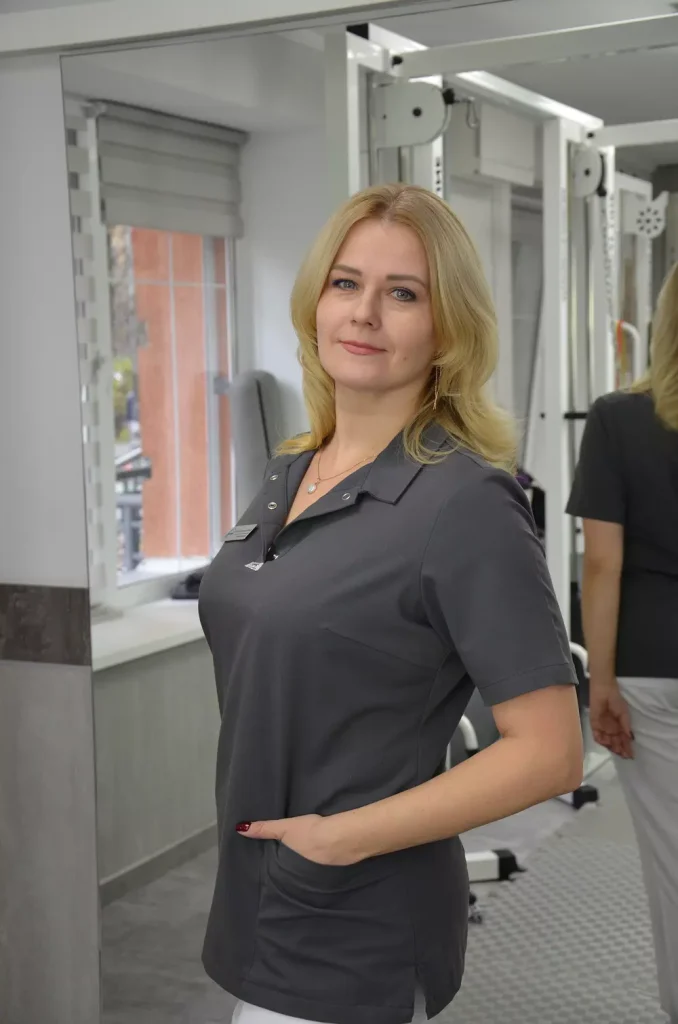
Chief physiotherapist

Orthopedic traumatologist
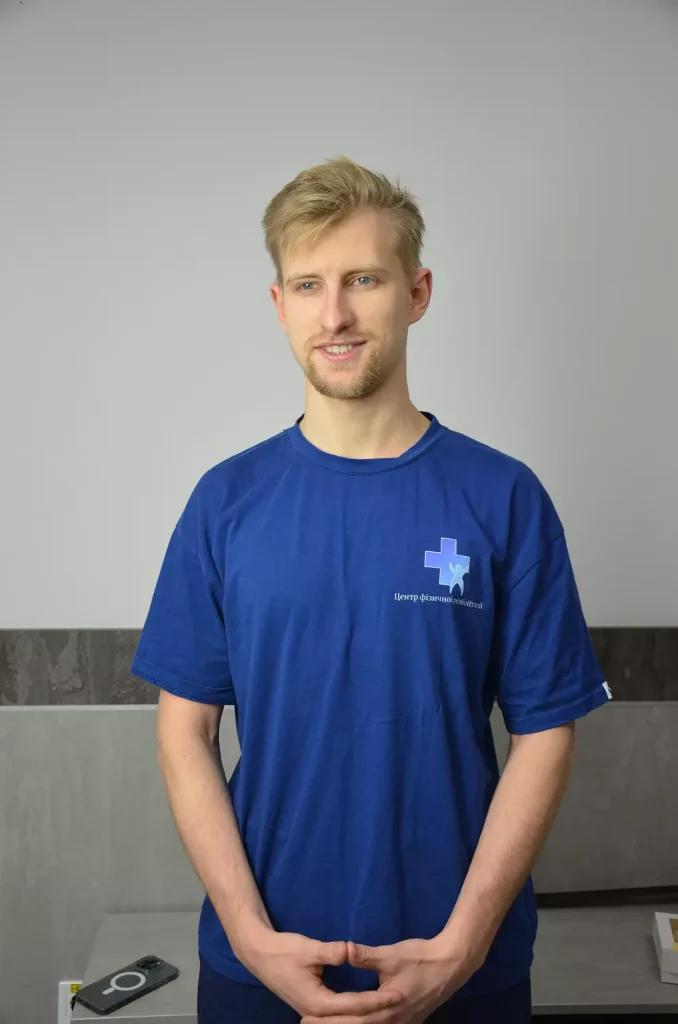
Chief rehabilitation specialist of physical therapy

Masseur
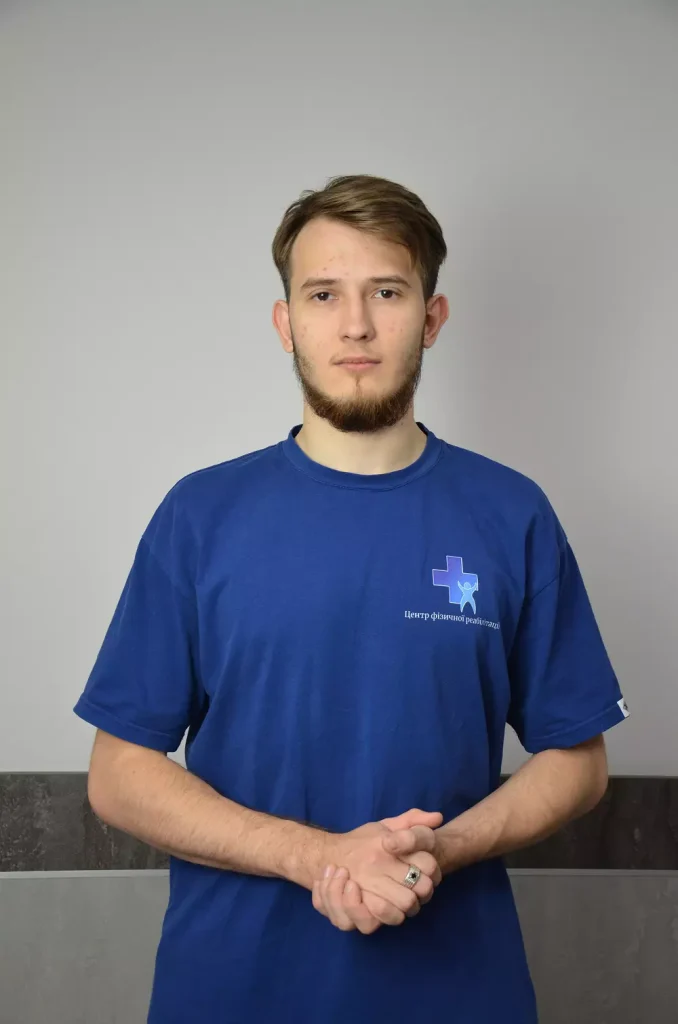
Masseur

Masseur

Masseur
We are grateful to everyone who has entrusted their health to us.
Your feedback is the best confirmation of the results of our work.
Share your impressions - they inspire us to become even better every day.
Leave your contacts — our specialist will contact you within 10–15 minutes to help you choose a service and answer all your questions.
We are always open for communication and ready to help you.
Call or email us to schedule a consultation or get detailed information.
Our experts will suggest the best solution for you.
Leave your contacts — our specialist will contact you within 10–15 minutes to help you choose a service and answer all your questions.