
 Skip to content
9 sessions + 1 as a gift
Rehabilitation after hip replacement in KINEZIUM is a postoperative recovery after hip replacement surgery, which helps to restore gait, strength, range of motion, pain control and safe daily activities. After the prosthesis is installed, it is important not only to reduce pain, but also to learn how to walk properly, stand up, sit down, use stairs and gradually increase the load. The program should take into account the type of surgery, surgical access, postoperative limitations, risk of dislocation, scar condition, gluteal and thigh muscle strength, balance and the patient's daily goals. In KINEZIUM, recovery may include range of motion exercises, gait training, pelvic girdle strengthening, balance, physiotherapy as indicated and home recommendations. The goal is to restore confidence in movement without overloading the new joint.
Hip replacement is usually necessary when pain, stiffness, and destruction of the joint surfaces significantly limit walking, sleeping, daily life, and normal activities. The most common causes are coxarthrosis, the consequences of a femoral neck fracture, aseptic necrosis, post-traumatic changes, or other conditions where the original joint no longer provides normal function.
Reason | How does this affect the joint? |
Coxarthrosis | Cartilage is destroyed, causing pain, stiffness, and restricted gait. |
Hip fracture | Often causes loss of support and may require arthroplasty |
Aseptic necrosis of the femoral head | Bone tissue loses its viability, the joint becomes deformed |
Post-traumatic changes | After fractures or injuries, the joint may lose normal mechanics. |
Inflammatory or degenerative conditions | Limit mobility and increase pain during exertion |
Ineffectiveness of conservative treatment | Surgery is considered when pain and functional limitations remain significant. |
After hip replacement, recovery is gradual. Early on, safe mobilization, prevention of complications, and adherence to restrictions are important, followed by strength, gait, balance, and return to daily life.
Stage / state | Typical manifestations | Rehabilitation logic |
Early postoperative period | Pain, swelling, walking with support, weakness | Safe standing, first steps, control of movements and limitations |
Gait restoration | A cautious step, there is a fear of burden | Training support, stride length, pelvic and gluteal muscle function |
Return of amplitude | Movements are limited after surgery and pain | Exercises within permitted limits without provoking dislocation |
Strengthening | Weakness of the gluteal, thigh, and trunk muscles | Gradual loading for pelvic stability and gait |
Functional stage | We need to bring back the stairs, longer walks, and everyday life. | Balance, endurance, movement control in real-world situations |
If rehabilitation is not continued after hip replacement, weakness of the gluteal muscles, unsteady gait, limping, fear of exertion, and difficulty with stairs may remain. Prolonged inactivity impairs endurance and may slow the return to independence. At the same time, too early or unsafe movements can increase the risk of pain, overload, or dislocation of the prosthesis, so controlled progress is important.
Possible consequences:
After hip replacement surgery, it is important to move gradually but regularly — within the recommendations of your surgeon and rehabilitation specialist.
A post-hip replacement program is needed for patients who have had surgery, pain, muscle weakness, limited mobility, fear of exertion, and difficulties with daily activities. It is especially important in the first weeks after discharge, when it is necessary to learn how to walk safely, sit down, stand up, use assistive devices, and perform exercises. Rehabilitation is also needed for people who continue to limp after surgery or are unsure of what movements they are allowed to do.
Situation | When rehabilitation is needed |
After hip replacement surgery | You need to regain your gait, strength, and daily activity. |
When walking with crutches or a walker | A safe transition to more independent walking is needed |
With weakness of the gluteal muscles | There is lameness, pelvic instability, difficulty with stairs |
With fear of movement | The patient is afraid to put weight on the leg or violate restrictions |
In case of domestic difficulties | Difficulty sitting down, getting up, getting dressed, walking outside |
After a hip fracture with hip replacement | Needs work on gait, strength, balance, and fall prevention |
Hip replacement helps restore walking, gluteal and thigh muscle strength, balance, stability, and daily activities. The patient gradually learns to properly distribute weight, control the position of the pelvis, and not overload the operated leg. Getting up from a chair, walking up stairs, turning, sitting safely, and household movements are practiced separately. After surgery, it is important to know the limitations of a specific surgical approach, as some positions may be undesirable in the early stages. Rehabilitation also helps reduce fear of movement and gradually increase endurance.
Rehabilitation after hip replacement surgery includes early mobilization, pain control, range-of-motion exercises, strengthening, gait training, and stair climbing. The stages depend on the type of surgery, age, comorbid conditions, pain, surgeon recommendations, and initial muscle strength.
Stage | What do they do? | Why is this needed? |
1. Early mobilization | Getting up, first steps, safe movements in bed | Return to basic activity and reduce the risk of complications |
2. Pain and swelling control | Dosed loading, positioning, recommendations | Improve movement tolerance |
3. Amplitude within safe limits | Hip joint movements with doctor's permission | Return function without dangerous positions |
4. Strengthening | Glutes, thigh muscles, core | Stabilize the pelvis and improve gait |
5. Gait training | Support, stride length, gradual transition from crutches | Reduce lameness and fear of straining |
6. Stairs and household movements | Climbing, descending, sitting, standing, turning | Regain independence in daily life |
Rehabilitation after joint replacement at KINEZIUM in Kyiv begins with an analysis of the discharge, postoperative limitations, assessment of gait, strength, pain, amplitude and everyday difficulties. The specialist specifies the date of the operation, type of prosthesis, surgical access, doctor's recommendations, use of crutches or walkers and the patient's level of independence. Next, exercises are selected for safe amplitude, strength of the gluteal and thigh muscles, gait training, balance and homework. At each stage, the reaction of the joint is monitored: pain, fatigue, swelling, quality of step, confidence in turns. If sharp pain, signs of infection or symptoms of thrombosis appear, the patient is referred to a doctor.
Rehabilitation after hip replacement differs from physiotherapy for coxarthrosis in that after surgery there is already a prosthesis, surgical access, postoperative rules, early walking, prevention of complications and a gradual transition to activity. In coxarthrosis, physiotherapy is more often aimed at pain control, mobility, strength and delaying functional deterioration. After endoprosthetics, the main task is to teach the new joint to work safely in everyday life.
Criterion | After hip replacement | Physiotherapy for coxarthrosis |
The main factor | Prosthesis, postoperative rules, surgical access | Own joint with degenerative changes |
Early stage | Safe gait, prevention of complications, restriction of movements | Reducing pain, maintaining mobility and strength |
Risks | Dislocation, thrombosis, infection, fall | Worsening pain, progression of limitations |
Exercises | Gradual restoration of gait, strength, and balance | Dosed exercises to control symptoms |
Target | Independent walking and daily life after surgery | Better exercise tolerance before or without surgery |
After hip replacement, postoperative restrictions, pain, swelling, risk of thrombosis, signs of infection, limitations of the surgeon, scar condition, risk of falling, and possible restricted positions depending on the access should be considered. Some patients may be restricted from flexing the hip, crossing the legs, turning sharply, or sitting low in the early stages. Specific rules should always be clarified with the surgeon, as they depend on the type of surgery.
MedlinePlus explains in its article on caring for a new hip joint that restrictions on dressing, bending, and everyday activities may be necessary after surgery: medlineplus.gov. The AAOS Total Hip Replacement Exercise Guide notes that regular exercises to restore strength and mobility and a gradual return to daily activities are important for a full recovery after surgery: orthoinfo.aaos.org. The AAOS Activities After Total Hip Replacement recommends not stopping prescribed exercises completely, even if you need to reduce the intensity if you have muscle pain: orthoinfo.aaos.org. Practical conclusion: After hip replacement, safety depends on knowing the limitations and gradually returning to motion.
After rehabilitation at KINEZIUM, you can expect a gradual return of gait, strength, stability, everyday activity and confidence in movement. The result depends on the condition before the operation, age, muscle strength, pain, concomitant conditions, regularity of classes and compliance with the surgeon's recommendations. In practice, this means easier standing up, walking, using stairs, being on your feet for longer and safer performing everyday movements.
The AAOS Total Hip Replacement Exercise Guide describes exercises and activities that help restore strength and mobility after hip replacement surgery: orthoinfo.aaos.org. MedlinePlus, in its article on hip joint replacement aftercare, notes that full recovery can take from several months to a year, depending on the patient's condition: medlineplus.gov. The AAOS Hip Conditioning Program explains the role of strengthening the muscles that support the hip joint and help with stability: www.orthoinfo.org. Practical conclusion: The outcome after hip replacement depends on the surgery and the consistent restoration of gait, strength, and balance.
To sign up for rehabilitation after hip replacement, you need to contact KINEZIUM and inform the date of the operation, type of prosthesis, current level of walking, pain, swelling, use of crutches or walkers and recommendations of the surgeon. It is advisable to take the discharge and a list of postoperative restrictions with you on the first visit. The specialist will assess the gait, strength, amplitude, balance, scar condition and safety of the load. After that, an individual postoperative recovery program is formed. If there is a temperature, redness of the scar, sharp pain, pain in the calf or shortness of breath, medical help is required first.
Wellness centers
Patients were helped
Specialists
Years of experience
Our team consists of experienced rehabilitation specialists, physiotherapists, and massage therapists who help people restore their health and return to an active life every day.
We combine modern techniques, an individual approach, and sincere care for each patient.

Chief Rehabilitation Specialist

Chief physiotherapist
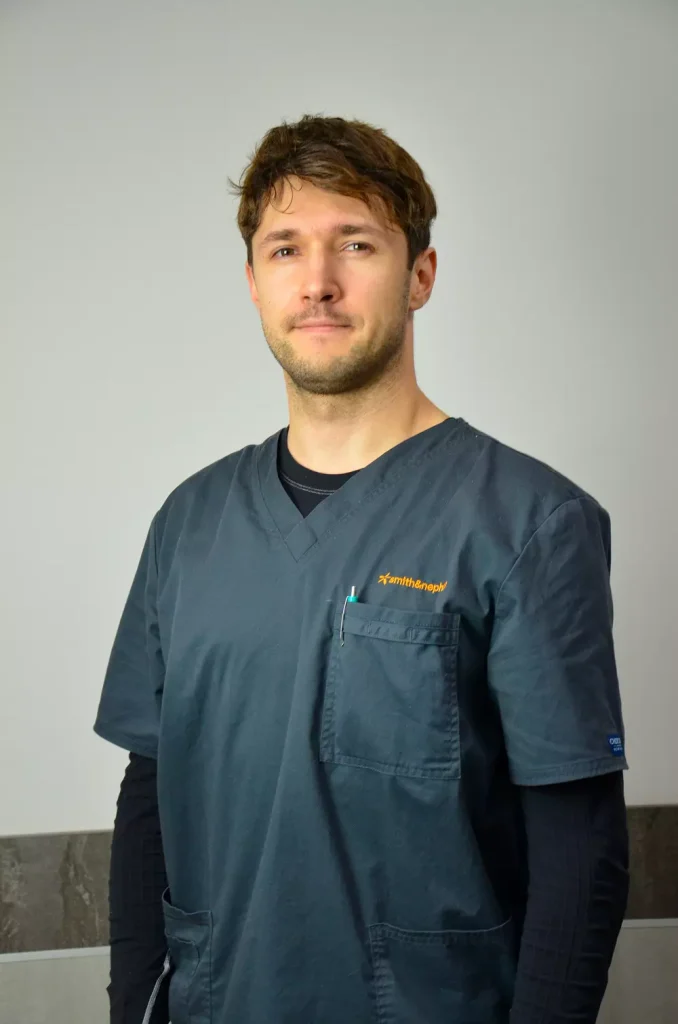
Orthopedic traumatologist
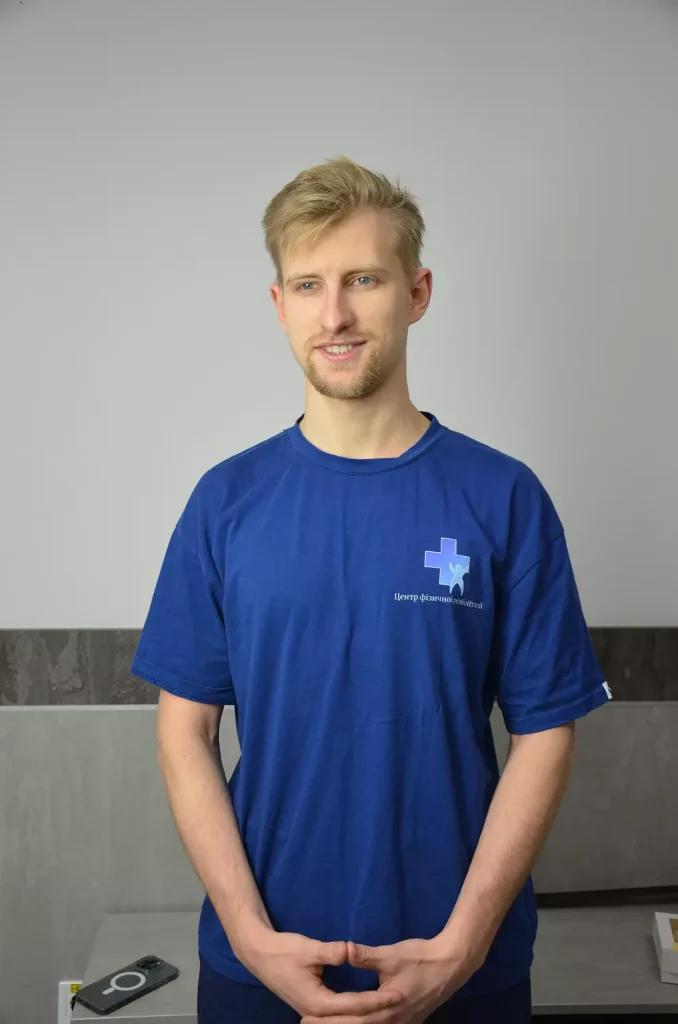
Chief rehabilitation specialist of physical therapy

Masseur
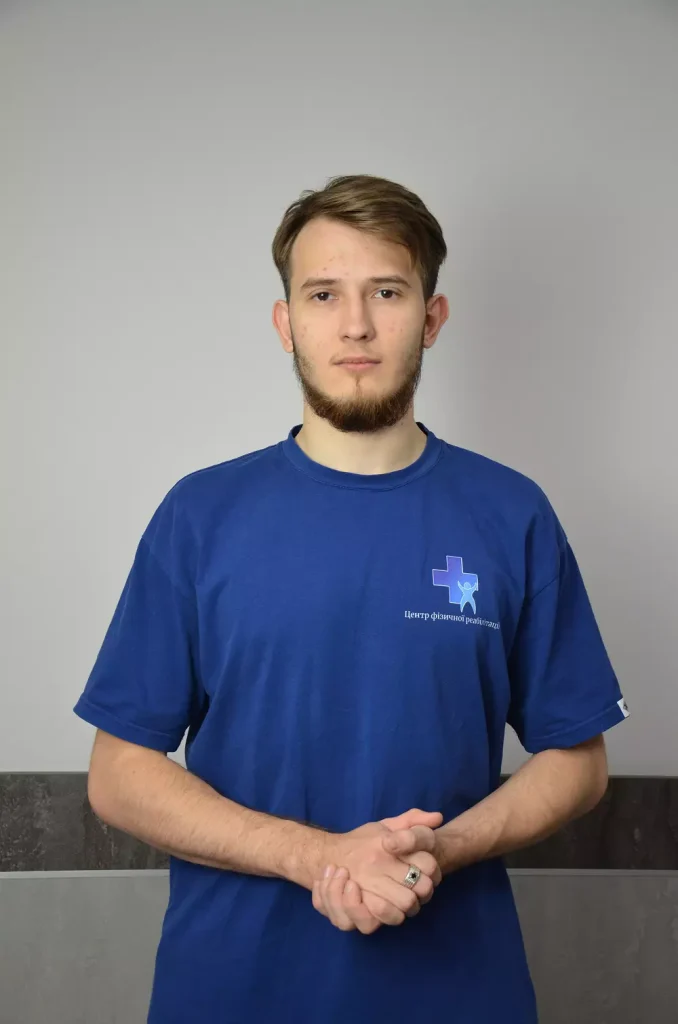
Masseur

Masseur

Masseur
We are grateful to everyone who has entrusted their health to us.
Your feedback is the best confirmation of the results of our work.
Share your impressions - they inspire us to become even better every day.
Leave your contacts — our specialist will contact you within 10–15 minutes to help you choose a service and answer all your questions.
We are always open for communication and ready to help you.
Call or email us to schedule a consultation or get detailed information.
Our experts will suggest the best solution for you.
Leave your contacts — our specialist will contact you within 10–15 minutes to help you choose a service and answer all your questions.