 Skip to content
9 sessions + 1 as a gift
Rehabilitation after an elbow fracture in KINEZIUM is the restoration of elbow mobility, arm strength, pain control and the return of everyday movements after a fracture. The elbow joint quickly loses amplitude after a cast, surgery or prolonged immobilization, so without proper development, stiffness may remain. After a fracture, it is important to restore not only flexion and extension, but also pronation, supination of the forearm, hand strength and the ability to use the hand in everyday life. In KINEZIUM, the program is built after assessing the images, recommendations of the traumatologist, pain, swelling, strength, movements and postoperative limitations. The goal is to restore hand function without aggressive development due to sharp pain.
An elbow fracture can occur after a fall on a bent elbow, a fall on an outstretched arm, a direct blow, a sports injury, or a car accident. Because the elbow is close to the skin and has little soft tissue protection, a direct blow can easily damage the bony structures.
| Reason | What can be damaged? |
| Falling on the elbow | The ulna or articular area is often injured. |
| Falling on an outstretched hand | The radial head, humerus, or ulna may be affected. |
| Direct hit | Risk of local fracture, swelling and pain |
| Sports injury | Possible combination of fracture with ligament damage |
| Accident or severe injury | Possible complex fractures with displacement and the need for surgery |
| Immobilization after injury | Even after healing, stiffness and weakness may remain. |
The degree of an elbow fracture depends on its location, displacement, stability, the presence of surgery, and the range of motion allowed. Rehabilitation after a fracture without displacement and after osteosynthesis will be different.
| Type / degree | Typical manifestations | Rehabilitation logic |
| Non-displaced fracture | Pain, swelling, temporary immobilization | Gradual return of movement after doctor's permission |
| Displaced fracture | Often requires fixation or close monitoring | Program based on images and recommendations of a traumatologist |
| After surgery | There are stitches, fixation, postoperative restrictions | Restoring movement within the protocol |
| Radial head fracture | Pain when rotating the forearm | Emphasis on pronation, supination and hand function |
| Complex intra-articular fracture | High risk of stiffness and limitations | Careful but regular development under specialist supervision |
If rehabilitation is not performed after an elbow fracture, a persistent limitation of flexion, extension, or rotation of the forearm may develop. It becomes difficult for a person to raise his hand to his face, use the phone, get dressed, open doors, hold objects, or perform work movements. If the treatment is too aggressive, tissue irritation may also increase due to pain, so gradualness is necessary.
Possible consequences:
The elbow requires regular but careful work because the joint is prone to stiffness after injuries.
The program after an elbow fracture is necessary for patients after a cast, surgery, immobilization, pain, swelling, stiffness and limited arm flexion. It is especially important if the arm does not fully extend or flex after the fixation is removed. Rehabilitation is also necessary if it is difficult to turn the forearm with the palm up or down.
| Situation | When recovery is needed |
| After a cast or brace | The elbow is stiff, the arm is weak, everyday movements are limited. |
| After surgery | It is necessary to take into account fixation, scar and doctor's protocol |
| When extension is limited | The arm does not straighten, disrupting everyday activities |
| When bending is restricted | Difficulty raising hand to face or head |
| In case of impaired rotation of the forearm | It is difficult to open a door, hold a cup, or use a brush. |
| With arm weakness | A gradual return of forearm and grip strength is required |
Elbow rehabilitation after a fracture helps to restore flexion, extension, pronation, supination, hand strength and everyday hand function. In the early stages, it is important to control pain and swelling, as well as not to overload the bone or fixation if healing is still ongoing. Then, the amplitude of movements is gradually increased, exercises for the forearm, hand, shoulder and functional movements are added. If surgery was performed, the program should correspond to postoperative restrictions. The result is assessed not only by the degrees of movement, but also by whether the person can use the hand normally in life.
Elbow rehabilitation includes pain and swelling control, gradual range of motion development, forearm and hand strengthening, and weight-bearing return. The pace depends on the type of fracture, surgery, healing, and doctor's approval.
| Stage | What do they do? | Why is this needed? |
| 1. Constraint Analysis | Snapshots, extract, permitted movements and loading | Determine a safe start |
| 2. Pain and swelling control | Gentle movements, positioning, physiotherapy as indicated | Prepare the joint for development |
| 3. Amplitude | Flexion, extension, pronation, supination | Restore basic function of the elbow and forearm |
| 4. Strengthening | Forearm, hand, shoulder | Restore arm strength after immobilization |
| 5. Household function | Grasping, carrying light objects, precise movements | Return your hand to daily tasks |
| 6. Gradual loading | More complex movements, work or sports tasks | Prepare the elbow for real use |
Elbow rehabilitation at the KINEZIUM center in Kyiv begins with an assessment of movements, pain, strength, images, recommendations from a traumatologist, and postoperative limitations. The specialist checks flexion, extension, pronation, supination, grip strength, sensitivity, and everyday limitations. Then, safe exercises are selected to gradually restore amplitude and strength. During classes, it is monitored that the development does not turn into forced stretching due to sharp pain. Home recommendations help to perform the movements regularly and without overload.
Elbow fracture rehabilitation differs from shoulder or hand rehabilitation in the high risk of stiffness, the complexity of elbow movements, the role of the forearm, hand, and the gradual development of amplitude. The elbow connects the shoulder and hand, so even a small restriction of movement can greatly affect everyday life. The shoulder often requires work with the scapula and stability, and the hand - with fine motor skills, but the elbow requires a precise balance between amplitude and tissue protection.
| Criterion | Elbow fracture | Shoulder rehabilitation | Hand rehabilitation |
| Main focus | Flexion, extension, rotation of the forearm | Shoulder range of motion, scapula, stability | Grip, fine motor skills, fingers |
| Risk | Contracture and persistent stiffness | Instability or pain when raising the arm | Finger stiffness and weakness of grip |
| Household tasks | Bring your hand to your face, open a door, hold an object | Reach for an object above your head, get dressed | Writing, holding small things, squeezing |
| Tempo | Gradual, without aggressive development | Depends on the injury or surgery | Often requires frequent small movements |
After an elbow fracture, you need to consider incomplete union, pain, swelling, instability, postoperative restrictions, doctor's restrictions, and the risk of early overload. If the doctor has forbidden arm support or weight lifting, these restrictions cannot be ignored. Also, you should not forcefully “press” the elbow due to sharp pain, as this can increase tissue irritation.
AAOS OrthoInfo, in its material on olecranon fractures, notes that an elbow fracture can be very painful and make movement in the joint difficult or impossible, and treatment depends on the severity of the injury: orthoinfo.aaos.org. MyHealth Alberta recommends starting exercises slowly and reducing the load if pain occurs in exercises after a radial head fracture: myhealth.alberta.ca. MedlinePlus describes rehabilitation as the process of restoring abilities for daily living after injury or surgery: medlineplus.gov. Practical conclusion: the elbow should be developed regularly, but without forceful pressure due to pain.
After rehabilitation in KINEZIUM, you can expect a gradual return of mobility, strength, hand control and everyday activities. The result depends on the type of fracture, the duration of immobilization, the operation, age, pain, swelling and regularity of exercises. In practical life, this means easier bending and unbending of the hand, better rotation of the forearm, holding objects and performing daily movements.
AAOS OrthoInfo describes that with an elbow fracture, movement may be difficult or impossible, and the treatment plan depends on the severity of the injury: orthoinfo.aaos.org. MyHealth Alberta emphasizes gradual initiation and cessation or reduction of exercise in case of pain in its exercise examples for radial head fractures: myhealth.alberta.ca. MedlinePlus Rehabilitation explains the overall role of rehabilitation after injuries and surgeries: medlineplus.gov. Practical conclusion: the result after an elbow fracture is not only union, but also the return of everyday hand function.
To sign up for rehabilitation after an elbow fracture, you need to contact KINEZIUM and inform them of the date of the injury, type of treatment, presence of a cast, surgery, plate or other fixators. At the first visit, it is advisable to take pictures, a statement and recommendations from a traumatologist regarding movements and loads. The specialist will assess flexion, extension, rotation of the forearm, grip strength, pain and everyday limitations. After that, an individual recovery plan is formed. If there is sharp pain, increasing swelling, numbness or suspicion of incomplete union, a medical evaluation is first required.
Wellness centers
Patients were helped
Specialists
Years of experience
Our team consists of experienced rehabilitation specialists, physiotherapists, and massage therapists who help people restore their health and return to an active life every day.
We combine modern techniques, an individual approach, and sincere care for each patient.
Chief Rehabilitation Specialist
Chief physiotherapist
Orthopedic traumatologist
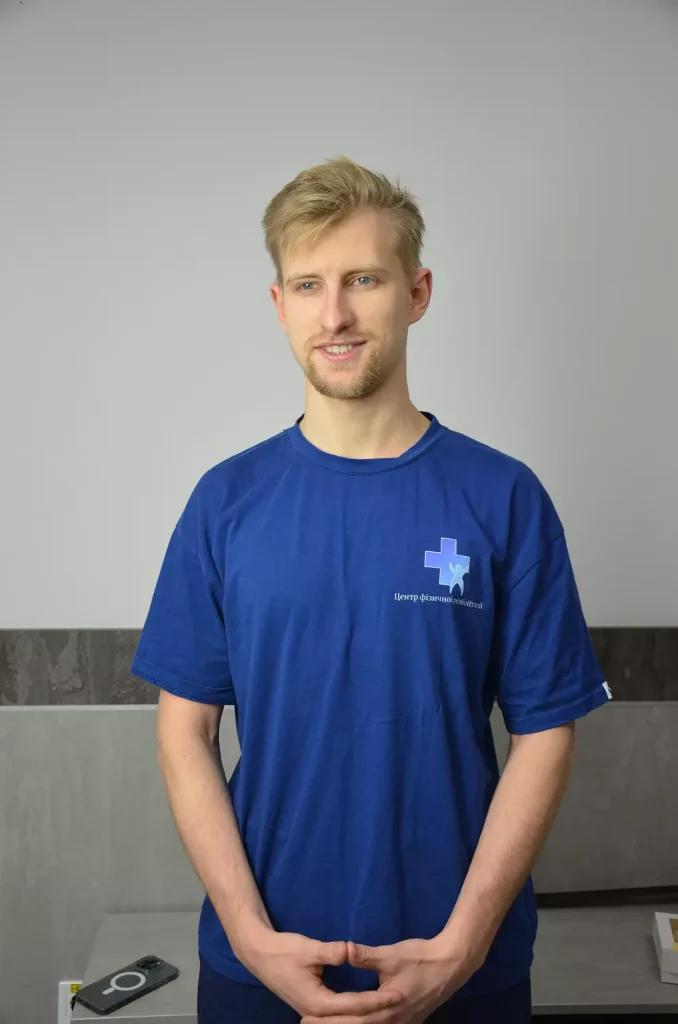
Chief rehabilitation specialist of physical therapy
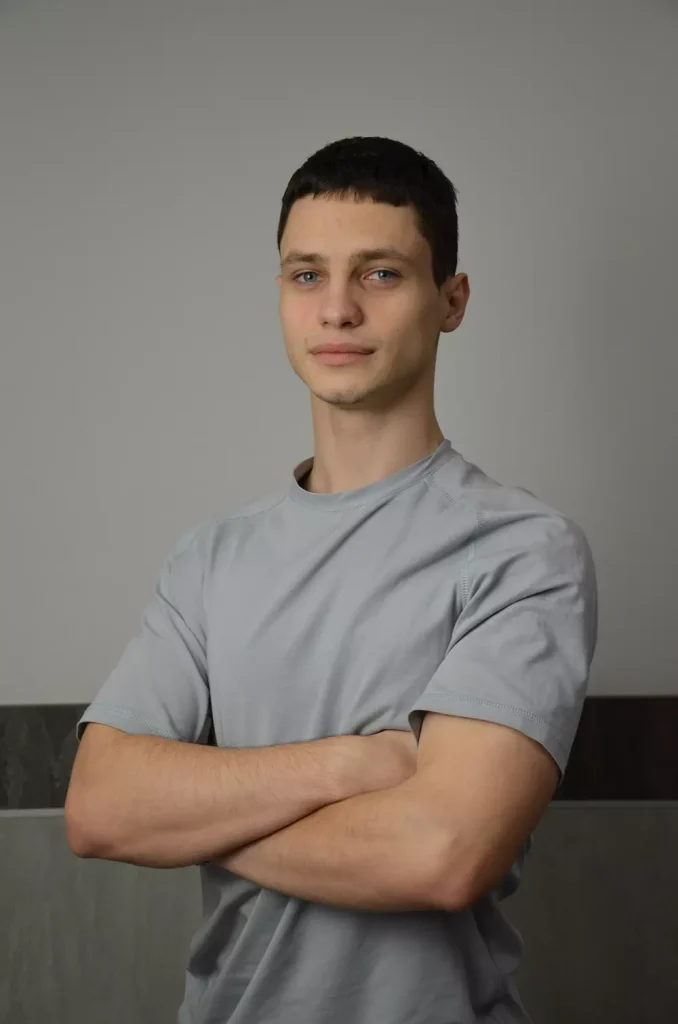
Masseur
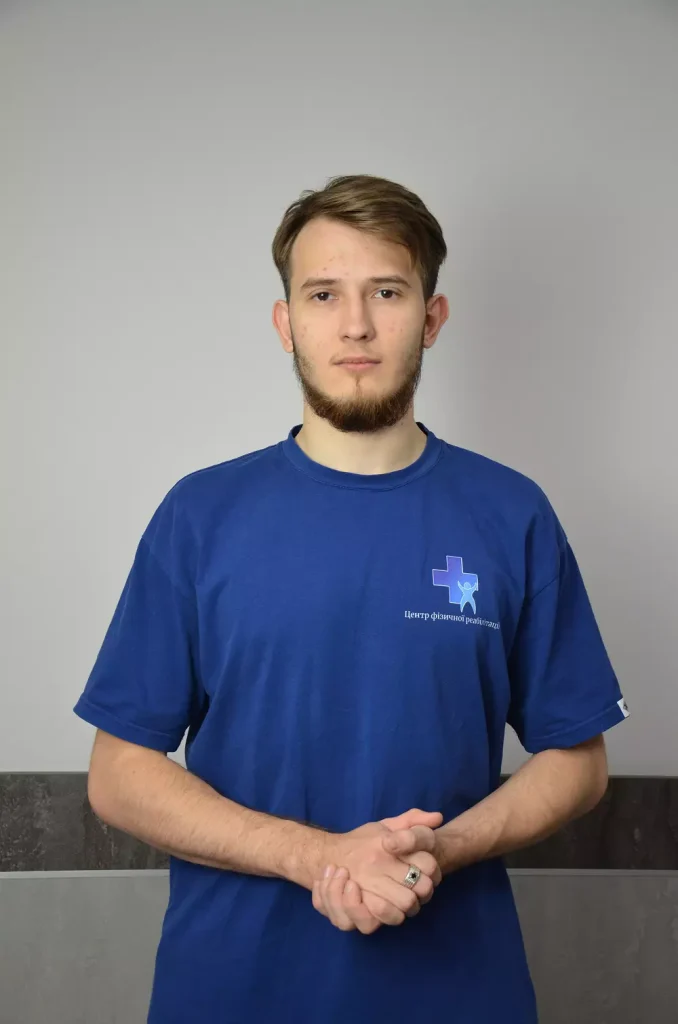
Masseur
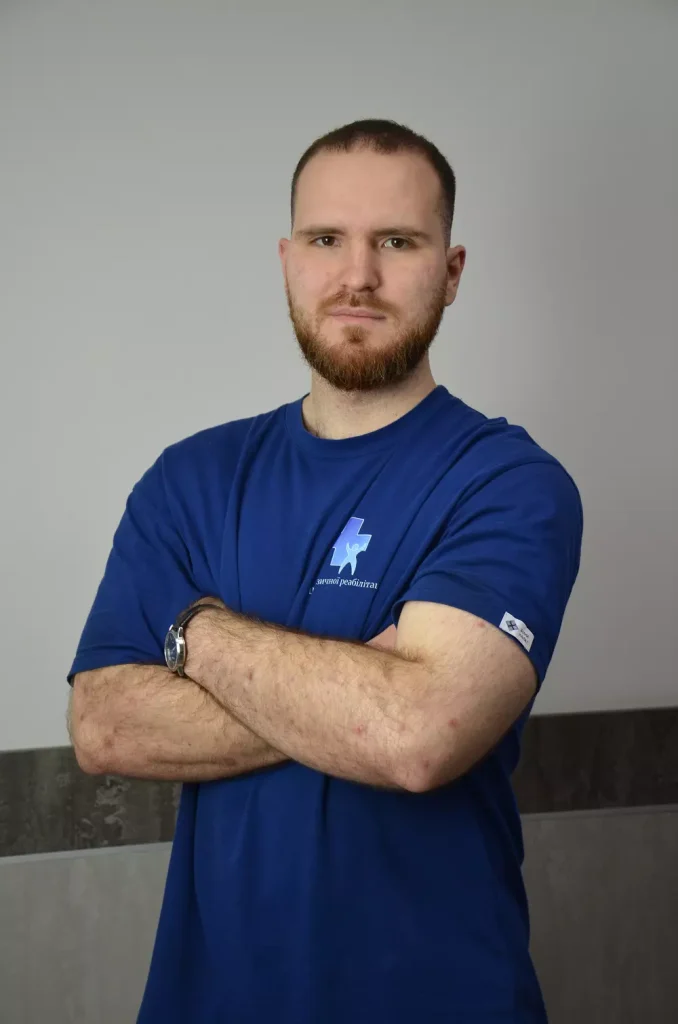
Masseur

Masseur
We are grateful to everyone who has entrusted their health to us.
Your feedback is the best confirmation of the results of our work.
Share your impressions - they inspire us to become even better every day.
Leave your contacts — our specialist will contact you within 10–15 minutes to help you choose a service and answer all your questions.
We are always open for communication and ready to help you.
Call or email us to schedule a consultation or get detailed information.
Our experts will suggest the best solution for you.
Leave your contacts — our specialist will contact you within 10–15 minutes to help you choose a service and answer all your questions.