We work seven days a week from 9:00 to 20:00
Massages
Rehabilitation
Services
Consultations
We work from 9:00 to 20:00
 Skip to content
9 sessions + 1 as a gift
Wellness centers
Patients were helped
Specialists
Years of experience
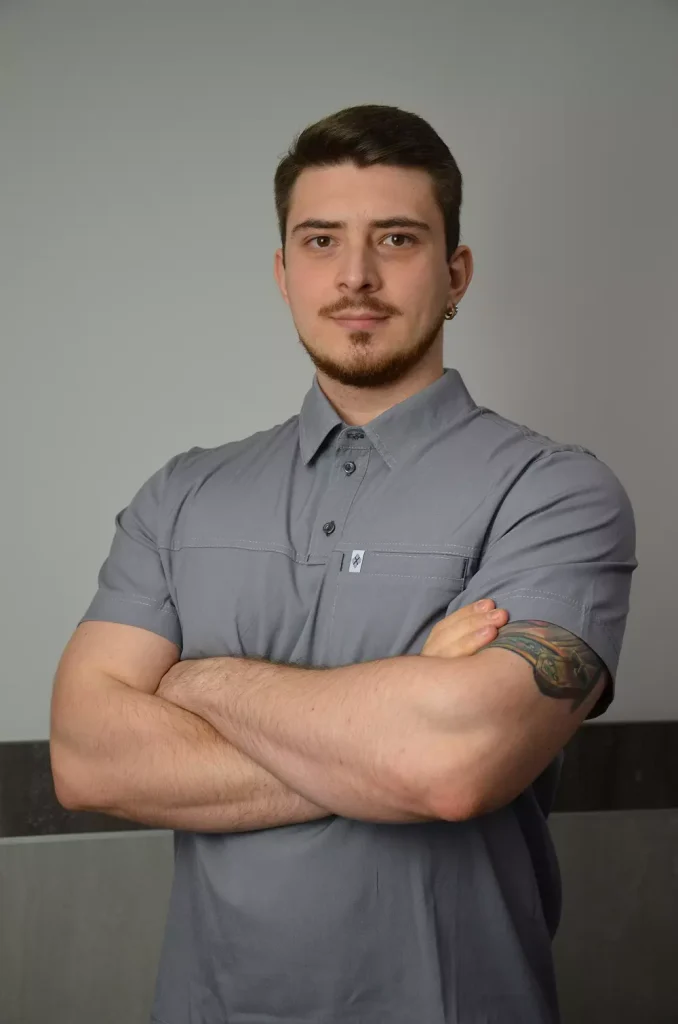
Chief Rehabilitation Specialist
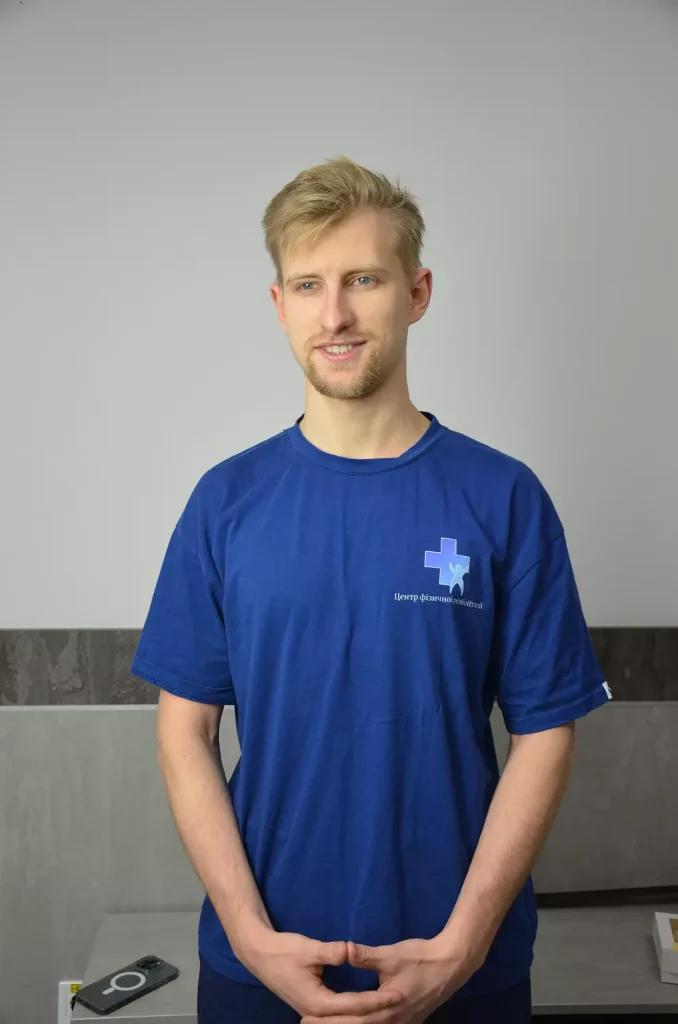
Chief rehabilitation specialist of physical therapy

Rehabilitation specialist
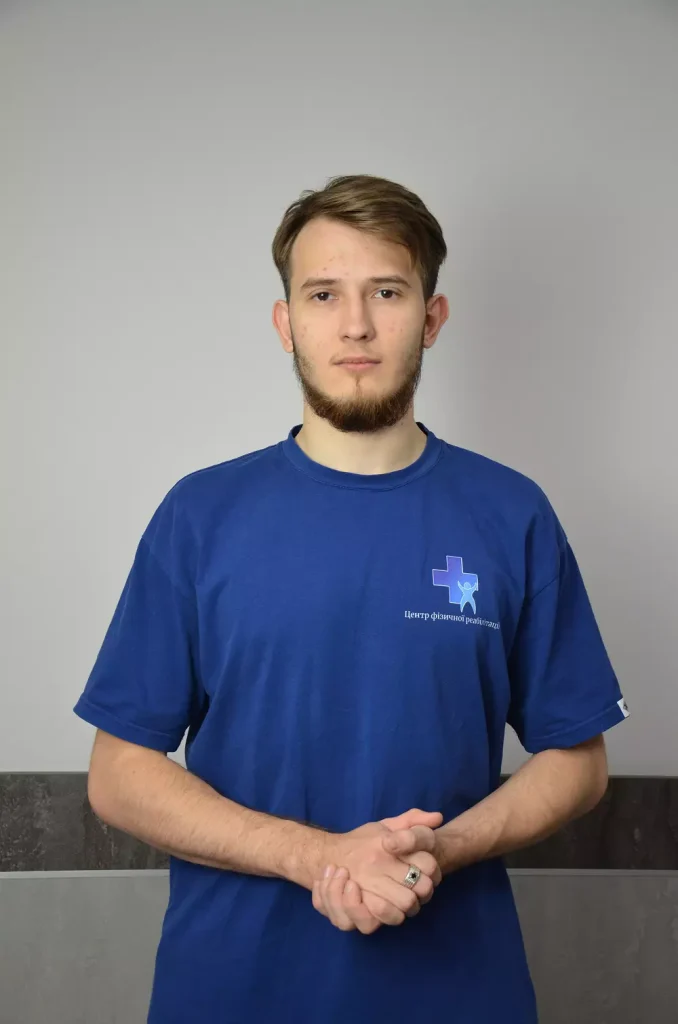
Rehabilitation specialist
A network of rehabilitation centers where knowledge is passed down from generation to generation.


We are grateful to everyone who has entrusted their health to us.
Your feedback is the best confirmation of the results of our work.
Share your impressions - they inspire us to become even better every day.
Leave your contacts — our specialist will contact you within 10–15 minutes to help you choose a service and answer all your questions.
We are always open for communication and ready to help you.
Call or email us to schedule a consultation or get detailed information.
Our experts will suggest the best solution for you.
A rehabilitation specialist is a specialist who helps a person regain movement, strength, coordination, gait, and daily activities after injuries, surgeries, pain, or prolonged movement restrictions. At KINEZIUM, a rehabilitation specialist does not work in isolation, but in a team with doctors, physiotherapists, exercise therapists, and massage therapists, if necessary for the patient's condition. His task is to see not only the symptom, but the functional problem: why a person limps, why they are afraid to step on their foot, why their arm does not lift, why their back reacts with pain to the usual load.
Typically, the work of a rehabilitation specialist is carried out in stages: assessment of the condition, definition of goals, selection of load, control of technique, correction of the program and home recommendations. In the early stages, this may be a gentle restoration of mobility, and later - strength exercises, balance training, gait, endurance and return to active life. It is important that the rehabilitation specialist does not "make you suffer", but doses the load according to pain, medical limitations and tissue reaction.
A physical therapist is needed when the problem already affects movement: it is difficult to walk, lift an arm, bend, carry weight, get out of a chair, work or perform household activities. This may be a condition after a fracture, arthroplasty, ligament damage, surgery, long-term back or joint pain. Often, patients seek help after the acute stage has passed, but stiffness, weakness, asymmetry of movements, uncertainty or repeated exacerbation during exertion remain.
Situation | How can a rehabilitation therapist help? |
After a fracture or cast | Restore range of motion, strength, resistance, gait, or function of the hand |
After surgery | Work within postoperative limitations and gradually regain function |
Back or joint pain | Assess movement stereotypes, select safe exercises, and teach load control |
Muscle weakness | Build a strengthening program without overloading joints and tissues |
Gait or balance disorders | Train support, coordination, stability and confidence in movement |
Return to sports or work | Gradually prepare the body for specific loads |
A rehabilitation doctor or a specialized rehabilitation specialist helps not only to “choose exercises”, but also to understand what deficit prevents the patient from moving normally. He assesses pain, range of motion, muscle strength, coordination, gait, everyday limitations, response to previous treatment and possible contraindications. After this, rehabilitation goals are formed: for example, walking without crutches, raising an arm above the head, squatting safely, returning to work or reducing pain recurrence.
In KINEZIUM, team communication plays an important role: if necessary, the rehabilitation specialist coordinates actions with a doctor, physiotherapist, exercise therapist or massage therapist. A qualified specialist must explain which exercises are performed, why they are needed, which sensations are permissible, and which are a signal to stop. This is especially important after injuries, surgeries, neurological conditions and chronic pain, where the wrong dosage of the load can set the patient back.
After a stroke, a rehabilitation specialist may be needed when there is a violation of movement, gait, balance, coordination, strength, sensitivity, or the ability to perform everyday activities. But caution is important here: stroke is a neurological condition, so rehabilitation should be coordinated with a doctor and take into account the general medical status, blood pressure, risk of falls, cognitive changes, language disorders, and comorbidities. There is no universal program that is equally suitable for everyone after a stroke.
Possible areas of work include gait training, balance training, postural control, paresis, safe sitting-to-standing transitions, and functional tasks of daily living. If there is significant weakness, spasticity, dizziness, falls, or sudden changes in status, medical evaluation is required. Stroke rehabilitation should be individualized, progressive, and multidisciplinary.
The appointment begins with a collection of complaints and goals: the patient explains what hurts, what movements are limited, what happened before the problem appeared, and what result is important in everyday life. Then the rehabilitation specialist assesses movements, strength, amplitude, gait, coordination, balance, pain during exercise, and tissue reaction. If there are postoperative restrictions, X-rays, MRI, CT scans, or doctor's conclusions, they are definitely taken into account.
After the assessment, a program is formed: what exercises to perform at the center, what to do at home, what movements to limit for now, how to control pain and when to change the load. During the classes, the specialist monitors the technique, compensatory movements, breathing, joint stability and exercise tolerance. This is not a mechanical set of movements, but a process in which the program changes along with the patient's progress.
A physiotherapist rehabilitation specialist works more with active restoration of function: exercises, motor control, load dosing, physiotherapy techniques and gradual return to activity. A massage therapist rehabilitation specialist or massage therapist in a recovery program works mainly with soft tissues: muscle tone, local tension, feeling of stiffness and preparing tissues for movement. Both areas can be useful, but they are not interchangeable.
Criterion | Physiotherapist/rehabilitation specialist | Massage therapist in rehabilitation |
Main focus | Restoring function through movement, exercise, and load control | Working with soft tissues, tension, feeling of tightness |
Patient activity | The patient is actively exercising | The patient receives manual labor mostly passively. |
When needed | After injuries, surgeries, pain, weakness, gait disturbance | For muscle strain, helpful in a recovery program |
Limitation | Takes into account medical restrictions, pain, load, progression | Requires exclusion of acute conditions, skin, vascular and postoperative risks |
Result | Return of movement, strength, coordination, everyday activities | Reducing tension, improving the sense of mobility, preparing for exercise |
Before starting classes, the rehabilitation therapist assesses not only “does it hurt,” but also whether it is safe to load the tissues at this time. Important restrictions include acute pain, severe swelling, recent injury, postoperative restrictions, joint instability, risk of falling, dizziness, neurological symptoms, numbness, weakness, impaired coordination, and a sharp deterioration in condition. Cardiovascular disease, uncontrolled blood pressure, fever, infectious processes, and other medical factors are also taken into account.
If there are any doubts about tissue healing, implants, bone union, or acceptable load, a doctor's approval is required. Rehabilitation should not provoke a sharp increase in pain, swelling, or deterioration of function after exercise. The correct approach is gradual progression, monitoring the body's response, and adjusting the program when symptoms change.
After working with a rehabilitation specialist, one does not expect an instant “cure”, but a consistent functional progress: more range of motion, better strength, more stable gait, less fear of stress, better body control and a return to everyday activities. At KINEZIUM, this process is supported by a team approach: the center's specialists work together and select a program according to the patient's condition. For some, the first result will be the ability to walk up the stairs calmly, for others - to raise their hand, sleep without pronounced discomfort or return to work.
MedlinePlus describes rehabilitation as a process that may include physical therapy to improve strength, mobility, and fitness: https://medlineplus.gov/rehabilitation.html. NCBI Bookshelf, in its article on therapeutic exercise, notes that targeted movement is used to restore musculoskeletal function and maintain quality of life: https://www.ncbi.nlm.nih.gov/books/NBK555914/. APTA/ChoosePT emphasizes that physical therapists work through movement, patient education, and individualized recommendations: https://www.choosept.com/why-physical-therapy. When it comes to neurological recovery, the NIH/NINDS emphasizes that rehabilitation after stroke should be directed at function and often begins early, when medically safe: https://www.ninds.nih.gov/health-information/stroke/recovery.
The price of a rehabilitation specialist in Kyiv depends on the format of the reception, the duration of the session, the complexity of the condition, the number of necessary procedures and whether a comprehensive program with several specialists is needed. For example, recovery from a simple injury without surgery and rehabilitation after a complex fracture or endoprosthesis are processes of different scope. It also matters whether only a consultation is needed or regular individual classes with control of technique, progression and home exercises.
To sign up for KINEZIUM, you should briefly describe your complaint, diagnosis or post-injury condition, as well as inform us about any tests you have already had. During the initial assessment, the specialist will determine your goals, contraindications, allowable load, and suggest a recovery format. It is best to clarify the exact cost when making an appointment, as the program should not correspond to the general price list, but to the patient's real needs.
Leave your contacts — our specialist will contact you within 10–15 minutes to help you choose a service and answer all your questions.
Leave your contacts - our specialist will contact you within 10-15 minutes to help with the service and answer all your questions.
Leave your contacts - our specialist will contact you within 10-15 minutes to help with the service and answer all your questions.
Leave your contacts - our specialist will contact you within 10-15 minutes to help with the service and answer all your questions.
Leave your contacts - our specialist will contact you within 10-15 minutes to help with the service and answer all your questions.