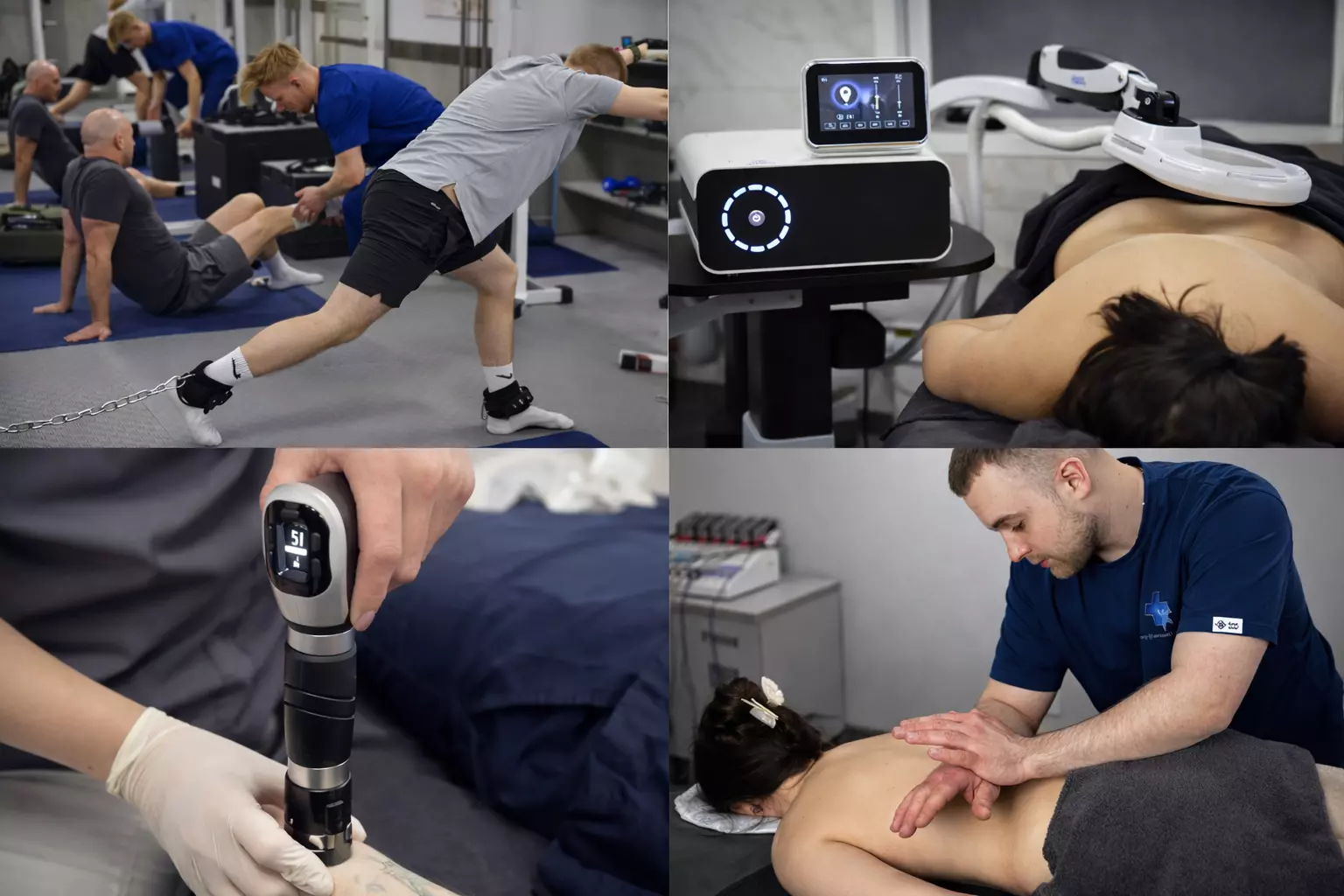
wellness centers
patients were helped
specialists
years of experience
Rehabilitation after a torn knee ligament in KINEZIUM is the restoration of stability, strength, control of movement and gait after damage to the ligamentous apparatus of the knee. Most often, patients come after an injury to the anterior cruciate ligament, lateral ligaments or after ligamentoplasty. Such rehabilitation should be gradual, because the knee should not only stop hurting, but also withstand turns, changes in direction, stairs, running or sports movements again. In KINEZIUM, stability, swelling, quadriceps strength, gait, balance, coordination and doctor's limitations are assessed. The goal is to return confident loading without early twisting and the risk of re-injury.
Knee ligament tears often occur during sports movements when the leg is fixed on a support and the body is turned sharply. The injury is also possible during a fall, a side impact, a sudden change of direction, or an unsuccessful landing after a jump.
Reason | What structure may be affected? |
Sharp turn on the supporting leg | Anterior cruciate ligament, meniscus, capsule |
Unsuccessful landing | ACL, musculo-ligamentous control, cartilaginous structures |
Contact sports injury | Lateral ligaments, cruciate ligaments, menisci |
Side kick to the knee | Medial or lateral collateral ligament |
Falling or twisting | Combined ligament and soft tissue injuries |
Return to sports without strength | Increases the risk of re-rupture or instability |
Ligament injuries can be partial or complete, with or without surgery. For rehabilitation, it is important to know which ligament is damaged, whether there was plastic surgery, whether there is a meniscus injury, swelling and instability.
Degree/state | Typical manifestations | Rehabilitation logic |
Sprain or partial injury | Pain, swelling, cautious gait, moderate instability | Swelling control, gradual strengthening, balance |
Complete ligament rupture | Feeling of instability, “twisting” of the knee | Doctor's evaluation, stabilization program, or preparation for surgery |
After ACL surgery | There is a protocol, transplant healing time, restrictions | Phased rehabilitation with load control |
Combined injury | Ligament + meniscus or cartilage, pain and swelling | The pace is determined by the most vulnerable structure |
Return to sports | Requires strength, coordination, testing, and psychological readiness | Not just a calendar, but functional readiness criteria |
If a torn knee ligament is not rehabilitated, instability, quadriceps weakness, balance problems, fear of turning, and risk of re-injury may persist. The patient may learn to walk carefully, but the knee will not be ready for rapid changes of direction, stairs, running, or sports. Without proprioception and strengthening, the joint often remains functionally “unreliable.”.
Possible consequences:
After a ligament rupture, it is important to restore not only strength, but also movement control in real-world situations.
Rehabilitation for a torn cruciate ligament of the knee is necessary for patients after injury, ligament reconstruction, instability, pain, swelling, and fear of stress. It is necessary both after surgery and in conservative management, if the doctor has chosen such a route. It is especially important to work with a rehabilitation specialist if the patient plans to return to sports, running, dancing, martial arts, or work with rotational movements.
Situation | When is a program needed? |
After an ACL tear | Need to restore stability and control of the knee |
After ligamentoplasty | Rehabilitation should follow the postoperative protocol. |
In case of instability | The knee “twists” or seems unstable |
With edema | It is necessary to monitor the joint's response to load. |
With quadriceps weakness | Difficulty walking confidently, squatting, or descending stairs |
To return to sports | Requires strength, balance, coordination, and readiness criteria |
Knee ligament reconstruction helps restore stability, quadriceps strength, balance, coordination, control of turns and gait. In the early stages, it is important to reduce swelling, restore extension and activate the thigh muscles. Then add exercises for strength, proprioception, knee control in squats, lunges, steps and turns. If the patient is after ACL plastic surgery, the load is increased according to the protocol, and not just according to well-being. Return to sports requires separate testing of strength, technique, coordination and psychological readiness.
A program after a torn knee ligament includes pain and swelling control, range of motion, strengthening, proprioception, balance, and a gradual return to activity. If surgery was performed, the steps should follow the surgeon's protocol.
Stage | What do they do? | Why is this needed? |
1. Pain and swelling control | Moderate activity, safe movements, support recommendations | Prepare your knee for exercises |
2. Amplitude | Extension, flexion within permitted limits | Restore normal movement mechanics |
3. Muscle activation | Quadriceps, glutes, lower leg | Restore knee control during stance |
4. Balance and Proprioception | Balance exercises, knee position control | Reduce the risk of re-injury |
5. Power and function | Squats, steps, stairs, gradual loading | Prepare for life and work |
6. Return to sports | Running, jumping, changing direction, testing readiness | It is safer to return specific movements |
Knee ligament rehabilitation at the KINEZIUM center in Kyiv begins with an assessment of stability, gait, strength, swelling, pain, balance, and postoperative limitations. The specialist clarifies which ligament is damaged, whether there was surgery, whether there is a protocol, whether turns, running, or full support are allowed. Then, exercises are selected for amplitude, strength, proprioception, knee control, and gradual return to load. At each stage, it is monitored whether there is any re-swelling, instability, or pain. If the patient has a sports goal, the program includes functional exercises and preparation for specific movements.
Rehabilitation after a torn ligament differs from recovery after a broken knee by focusing on stability, proprioception, control of rotation, balance, and a gradual return to sport. After a fracture, the key is bone union and permitted support, while after a ligament injury, joint stability and control of movement in dynamics are key. Both conditions require strength and gait, but the risks are different.
Criterion | After the breakup | After a knee fracture |
Main risk | Instability and repeated rupture | Early loading before bone union |
Exercise focus | Balance, proprioception, turn control | Amplitude, support, fusion, gait training |
Return to sports | Requires testing of strength and coordination | Depends on the fusion and function of the leg |
Limitation | Early twisting, turning, jumping | Full support or weight bearing until doctor's permission |
The ultimate goal | Stable knee in dynamics | Confident support, gait and strength after a fracture |
After a torn knee ligament, instability, swelling, pain, postoperative protocols, risk of re-rupture, early twisting, and limitations on running, jumping, and turning should be considered. If the knee swells after exercise or “fails,” the load should be reviewed. After ACL reconstruction, return to sports should not be rushed just because the pain has subsided.
A PubMed Central review on ACL rehabilitation and return to sport emphasizes that return to sport should consider not only time, but also functional, neuromuscular, and psychological criteria: https://pmc.ncbi.nlm.nih.gov/articles/PMC8811519/. A 2025 review of return to sport after ACL reconstruction notes that standard timeframes are often 9–12 months, but the decision should be individualized: https://pmc.ncbi.nlm.nih.gov/articles/PMC12446172/. The AAOS Knee Conditioning Program describes the role of exercises for knee strength and stability after injury or surgery: https://orthoinfo.aaos.org/en/recovery/knee-conditioning-program/. Practical conclusion: after a ligament rupture, early return to rotational loads without preparation increases risks.
After rehabilitation in KINEZIUM, you can expect a gradual return of stability, strength, gait, balance and confidence in loading. The result depends on the type of ligament, surgery, swelling, muscle strength, regularity of training, the patient's goal and compliance with the protocol. For a household level, the result may be confident walking and climbing stairs, and for sports - additionally running, jumping, changing direction and knee control.
A PubMed Central review on ACL rehabilitation describes the importance of progressive strength recovery, neuromuscular control, and return-to-sport criteria: https://pmc.ncbi.nlm.nih.gov/articles/PMC8811519/. The AAOS Knee Conditioning Program explains that strengthening the muscles that support the knee can reduce stress on the joint: https://orthoinfo.aaos.org/en/recovery/knee-conditioning-program/. MedlinePlus describes rehabilitation as the process of regaining the functions needed for daily living after injury or treatment: https://medlineplus.gov/rehabilitation.html. Practical conclusion: the result after a ligament rupture is control of the knee in movement, not just the absence of pain.
To sign up for rehabilitation after a torn knee ligament, you need to contact KINEZIUM and inform them which ligament is damaged, whether there was surgery, whether there is swelling, instability, pain or limited support. At the first visit, it is advisable to take an MRI, discharge, surgeon's protocol and recommendations for loading. The specialist will assess stability, strength, gait, balance and safe level of exercise. After this, an individual recovery program is formed. If the knee swells sharply, locks or “fails” again, additional medical evaluation is required.
Our team consists of experienced rehabilitation specialists, physiotherapists, and massage therapists who help people restore their health and return to an active life every day.
We combine modern techniques, an individual approach, and sincere care for each patient.
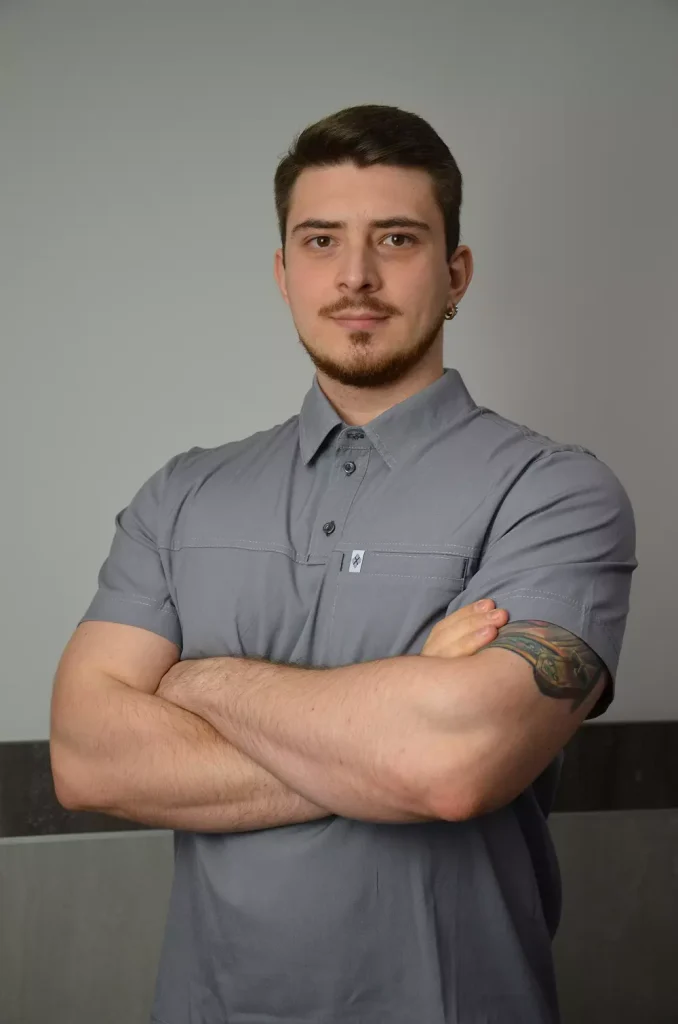
Chief Rehabilitation Specialist
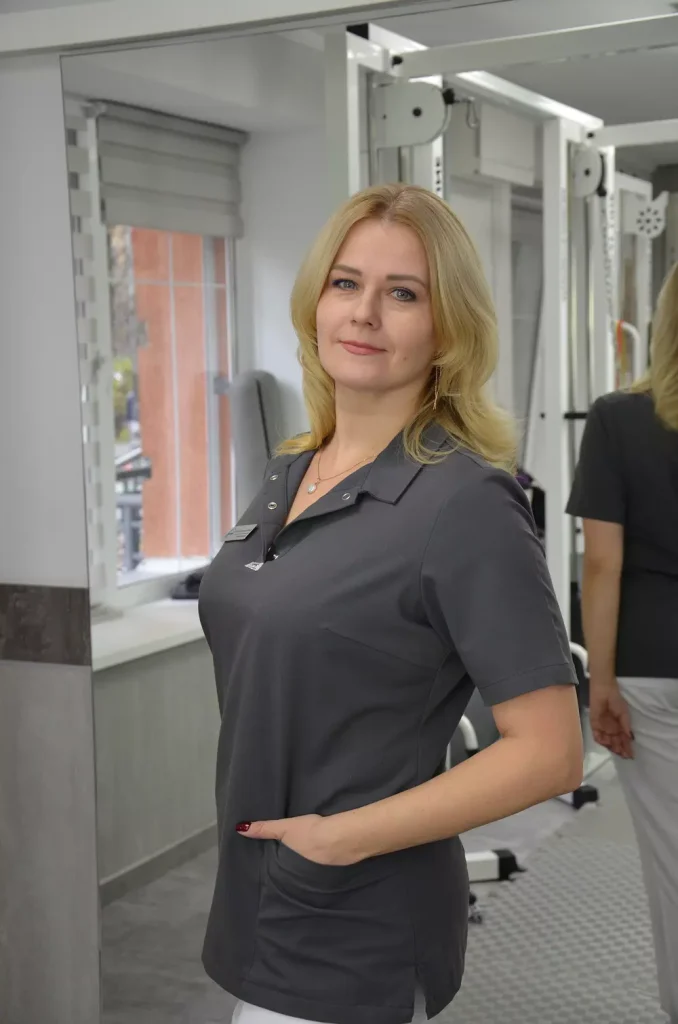
Chief physiotherapist
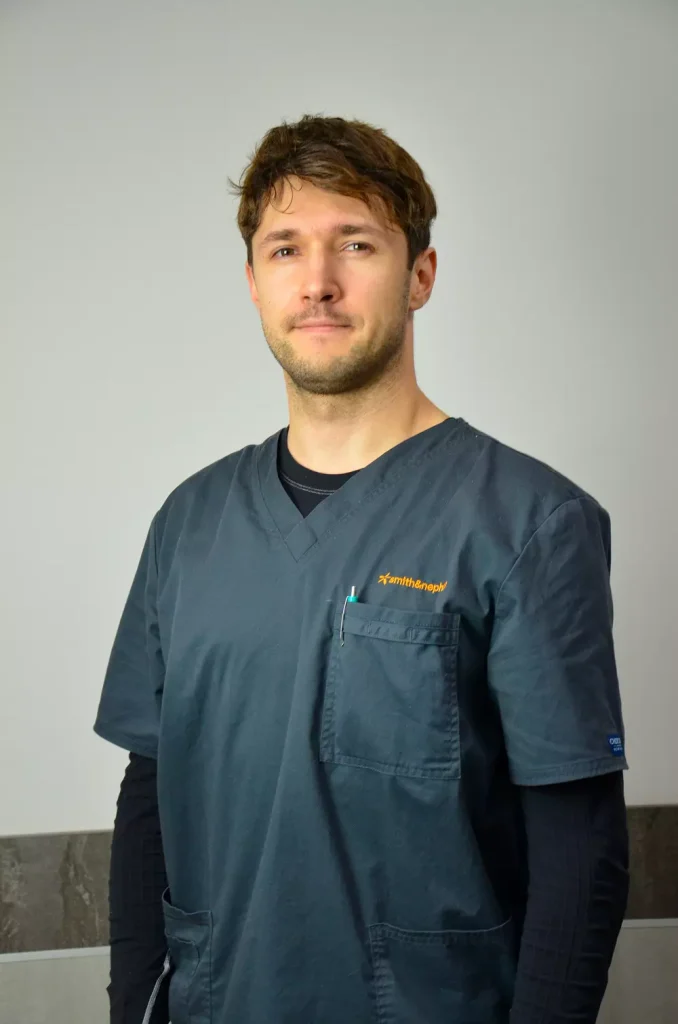
Orthopedic traumatologist
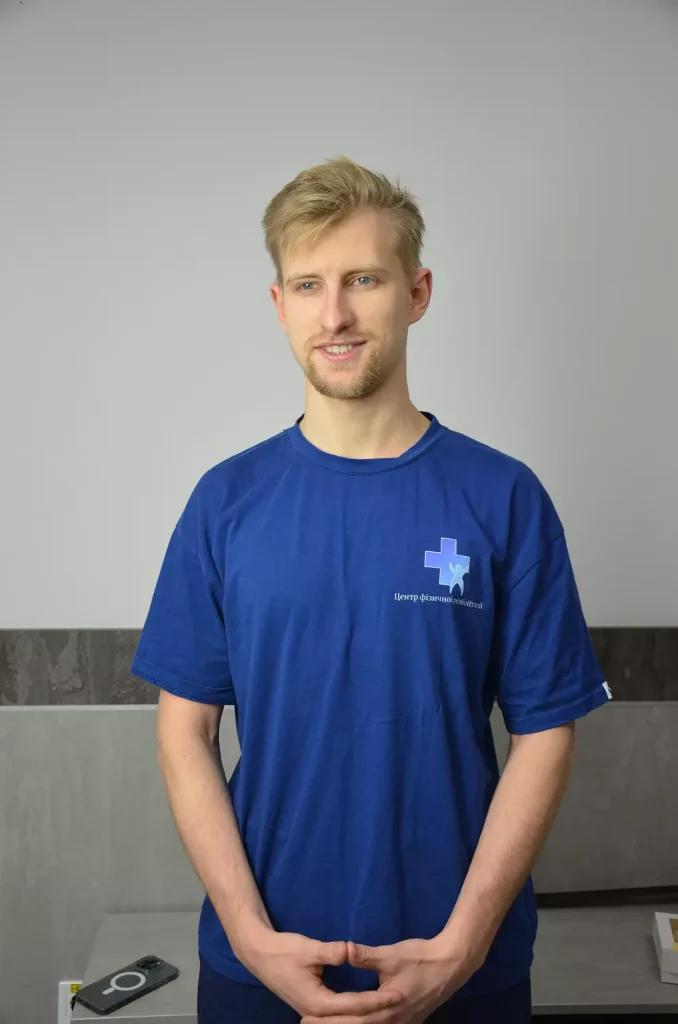
Chief rehabilitation specialist of physical therapy

Rehabilitation specialist
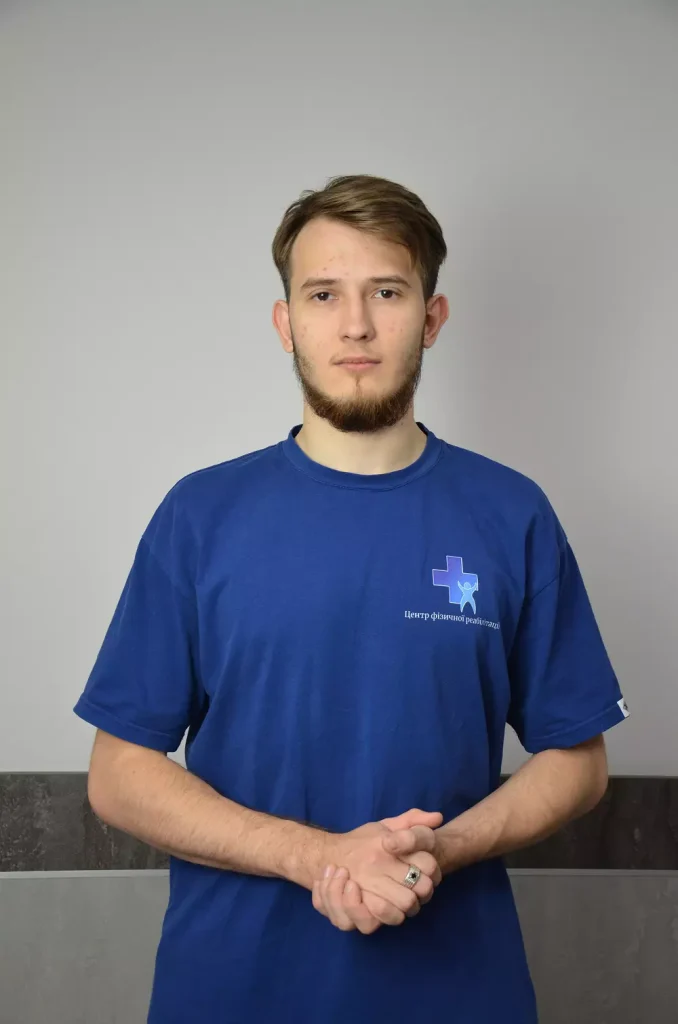
Rehabilitation specialist
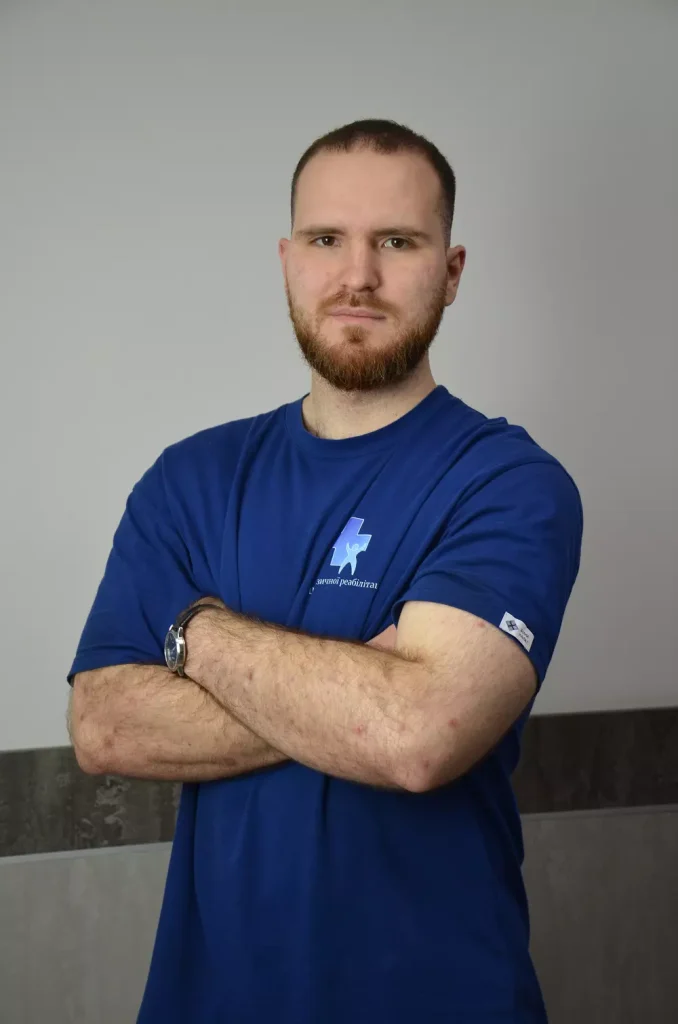
Masseur
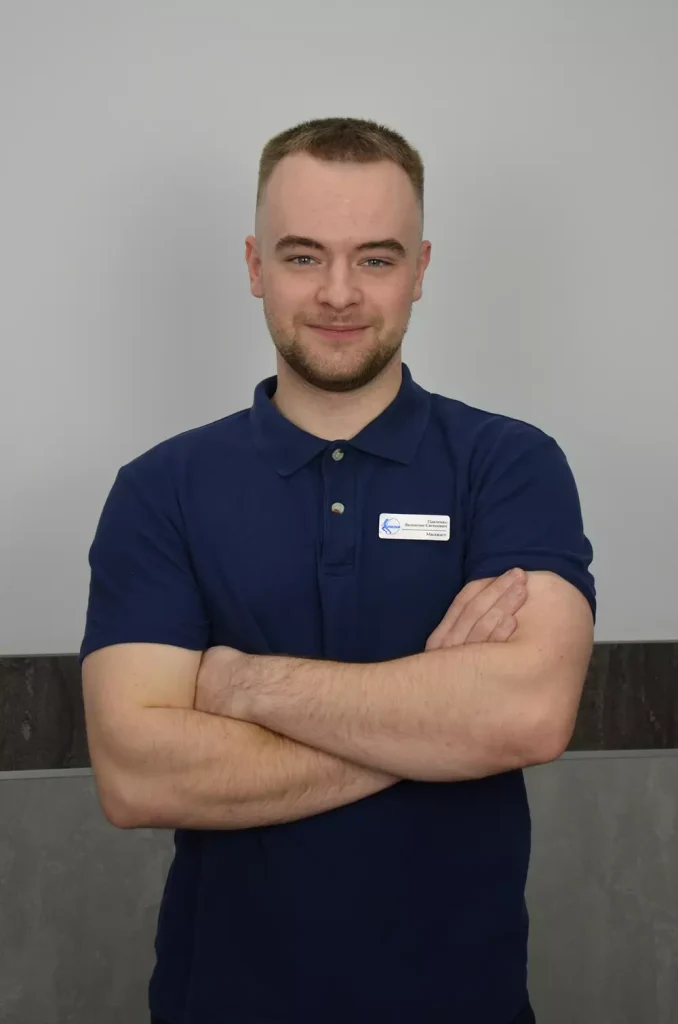
Masseur
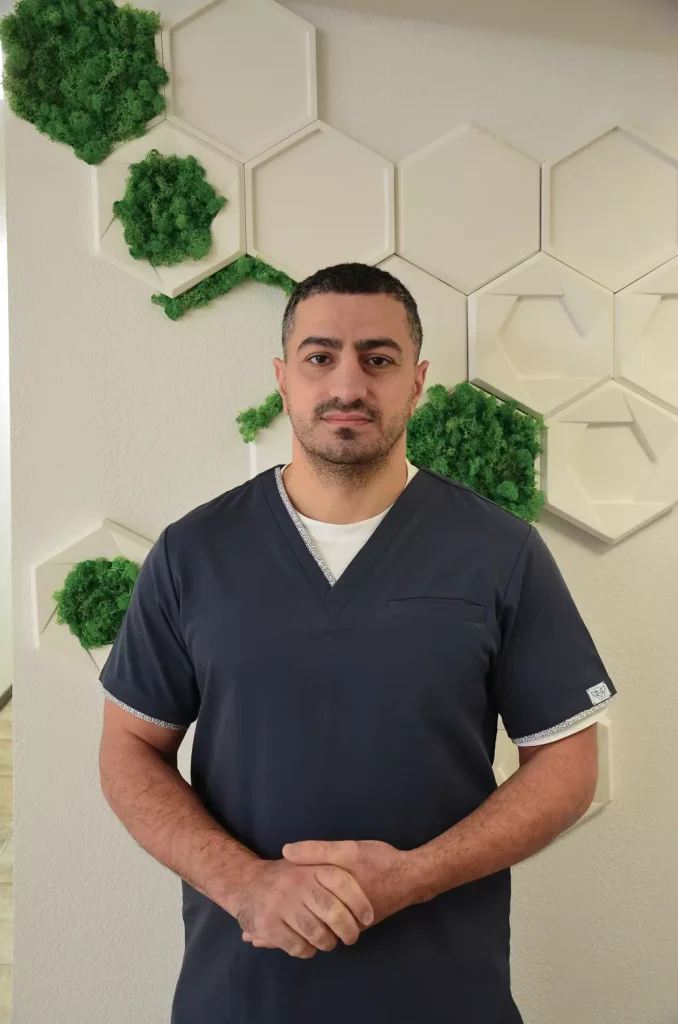
Founder of the center
Chief Rehabilitation Specialist
Chief physiotherapist
Orthopedic traumatologist
Chief rehabilitation specialist of physical therapy
Masseur
Masseur
Masseur

Leave your contacts — our specialist will contact you within 10–15 minutes to help you choose a service and answer all your questions.
Leave your contacts — our specialist will contact you within 10–15 minutes to help you choose a service and answer all your questions.