wellness centers
patients were helped
specialists
years of experience
Rehabilitation after knee arthroscopy at KINEZIUM is recovery after arthroscopic surgery, which is aimed at controlling pain, mobility, strength and restoring function of the knee. Arthroscopy can be performed for problems with the meniscus, cartilage, ligaments or other structures, so the program depends on what the surgeon did. After surgery, it is important to gradually restore flexion, extension, quadriceps strength, swelling control, gait and balance. At KINEZIUM, rehabilitation begins with a protocol analysis, assessment of pain, swelling, support, movements and current level of activity. The goal is to return the knee to everyday loads without early overload.
Knee arthroscopy may be necessary after injuries, pain, joint locking, meniscus damage, cartilage problems, or other intra-articular conditions. Often, a patient comes for rehabilitation not just after an “arthroscopy,” but after a specific intervention — resection, meniscus suture, rehabilitation, cartilage work, or other procedure.
Cause/condition | What does this mean for rehabilitation? |
Meniscus injury | The rate of recovery depends on whether the meniscus is resected or sutured. |
Blocking or restricting movement | A gradual return to flexion and extension is required. |
After a sports injury | Strength, balance, turn control and return to load are important |
Cartilage changes | There may be a load limit and a need for controlled progress |
After pain and swelling | It is necessary to resume movements without provoking repeated swelling. |
After immobilization or careful walking | Needs support, stride, and muscle strength training |
After arthroscopy, it is important to understand the recovery phase: some patients can return to activity more quickly, while others have limitations in support or movement due to the type of surgery. Feeling well does not always mean that the tissues are ready for intense exercise.
Stage / state | Typical manifestations | Rehabilitation logic |
Early postoperative stage | Pain, swelling, limited flexion, cautious gait | Swelling control, gentle movements, quadriceps activation |
Beginning of amplitude recovery | Knee bends better, but still weak | Developing flexion and extension without overload |
Restoring strength | Gait is improving, but muscles are weak | Strengthening the quadriceps, gluteal muscles, and shins |
Functional stage | Need to bring back stairs, squats, work | Balance, gait, everyday movements, load control |
Return to sports | Requires strength, coordination, jumping or turning | Only after testing readiness and permission from a specialist |
If motion and strength are not restored after knee arthroscopy, swelling, limited flexion or extension, quadriceps weakness, lameness, and fear of weight bearing may remain. The patient may avoid full support for a long time, which changes the gait and overloads the other leg. Also dangerous is an early return to sports without strength and balance.
Possible consequences:
Rehabilitation after arthroscopy should be active, but tied to the surgery protocol.
Rehabilitation after knee arthroscopy is necessary for patients after surgery, pain, swelling, limited flexion, weakness and gait disturbance. It is also necessary if a person wants to return to work, sports, stairs or long walks without fear and pain. After different types of arthroscopy, restrictions can vary significantly, so it is important to bring the surgeon's protocol.
Situation | When is a program needed? |
After knee arthroscopy | It is necessary to restore movement, strength and gait in stages |
After meniscus surgery | Limitations depend on the meniscus resection or suture |
With edema | It is necessary to monitor the knee's response to load. |
With quadriceps weakness | Difficulty walking steadily, climbing stairs, squatting |
When bending is restricted | The knee makes it difficult to sit, walk, or go down stairs comfortably. |
When returning to sports | Requires balance, strength, coordination and readiness testing |
Knee arthroscopy rehabilitation addresses the challenges of regaining range of motion, quadriceps strength, stability, balance, and confident gait. Early on, it is important to control swelling and restore full extension, as without it, gait may remain erratic. Then, the focus shifts to flexion, muscle activation, support training, and gradual load increase. If the patient plans to return to sports, balance, coordination, turns, squats, and jumping elements should be worked on separately. Rehabilitation should not follow a calendar, but a combination of timing, symptoms, and functional tests.
Recovery after knee arthroscopy includes controlling swelling, developing flexion and extension, strengthening, balance, and gradually returning to weight bearing. If meniscus or cartilage surgery was performed, weight bearing and range of motion restrictions may be more severe.
Stage | What do they do? | Why is this needed? |
1. Swelling control | Positioning, measured movements, load recommendations | Reduce movement restrictions and pain |
2. Extension and flexion | Soft development of amplitude within permitted limits | Restore normal knee mechanics |
3. Quadriceps activation | Isometrics, straight leg raises, basic exercises | Restore knee control when walking |
4. Gait training | Support, step, work with or without crutches | Reduce lameness |
5. Balance and strength | Stability exercises, thigh, buttocks, lower leg | Prepare the knee for everyday loads |
6. Functional return | Stairs, squats, work or sports movements | Gradually return to activity without overloading |
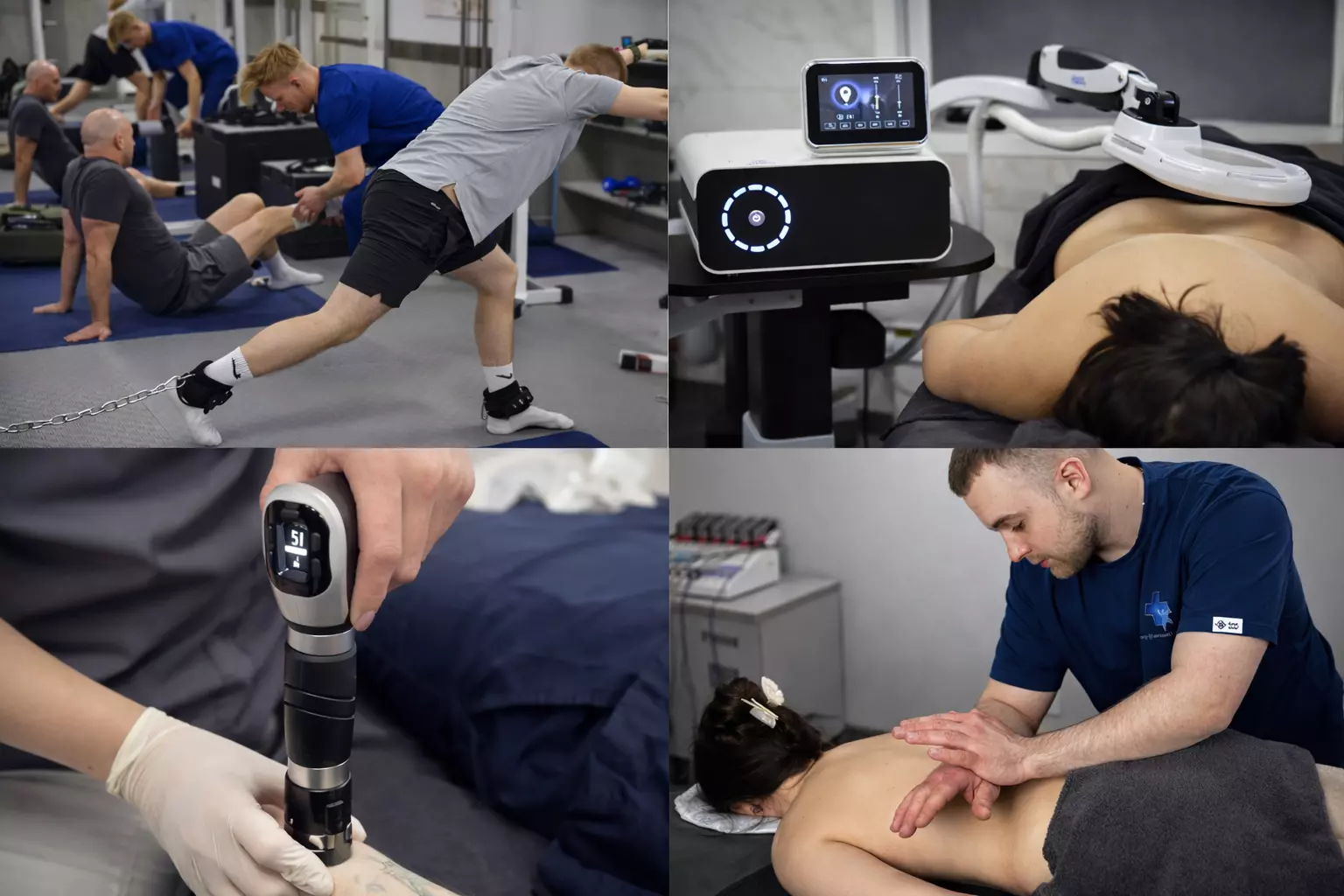
Rehabilitation after knee arthroscopy at KINEZIUM in Kyiv begins with an analysis of the surgeon's protocol, assessment of pain, movement, strength, gait, swelling and permitted support. The specialist clarifies what exactly was performed during the operation, what are the limitations and what tasks are important for the patient. Then exercises are selected for amplitude, quadriceps activation, gait training, balance and strengthening. At each session, the knee's reaction is monitored: does the swelling increase, does extension improve, does the gait become smoother. A home program helps maintain progress between visits.
Rehabilitation after arthroscopy differs from physiotherapy for knee osteoarthritis in that it has postoperative restrictions, edema control, a surgeon's protocol, and clear stages of returning to weight bearing. In osteoarthritis, the program is more focused on long-term management of pain, mobility, and load. After arthroscopy, it is important not only to reduce discomfort, but also to restore function after a specific intervention.
Criterion | After knee arthroscopy | Physiotherapy for knee osteoarthritis |
Main landmark | Surgical protocol and tissue condition after intervention | Pain, mobility, strength, chronic stress |
Edema | Often post-operative and requires monitoring | May be related to inflammation or overload |
Support | May be temporarily limited | Usually dosed according to pain and function |
Exercises | Phased return of amplitude, strength, gait | Long-term strengthening and maintenance of function |
Target | Return after surgery | Managing symptoms and joint function |
After knee arthroscopy, pain, swelling, surgeon limitations, risk of overload, prohibition of early heavy lifting, condition of sutures, signs of infection, and type of surgery performed should be considered. If meniscus repair or cartilage work was performed, restrictions may be more severe than after a partial resection. Do not return to running, jumping, deep squats, or twisting early without permission.
The AAOS Knee Arthroscopy Exercise Guide notes that regular exercises to restore strength and mobility of the knee are important for a full recovery after arthroscopy, and your surgeon or physical therapist may recommend walking and exercises: https://orthoinfo.aaos.org/en/recovery/knee-arthroscopy-exercise-guide/. The AAOS Knee Conditioning Program describes strengthening the muscles that support the knee and help reduce stress on the joint: https://orthoinfo.aaos.org/en/recovery/knee-conditioning-program/. MedlinePlus explains in its article on rehabilitation that recovery helps regain the abilities needed for daily living after an injury or surgery: https://medlineplus.gov/rehabilitation.html. Practical conclusion: After arthroscopy, it is important to follow the protocol and not just focus on pain reduction.
After rehabilitation at KINEZIUM, you can expect a gradual return of gait, range of motion, strength, balance, and daily activities. The result depends on the type of arthroscopy, the condition of the meniscus or cartilage, swelling, muscle strength, regularity of exercise, and home program. The patient should gradually be able to better extend and bend the knee, walk more smoothly, climb stairs, and carry loads more confidently.
The AAOS Knee Arthroscopy Exercise Guide describes exercises and activities to restore strength and mobility of the knee after arthroscopy: https://orthoinfo.aaos.org/en/recovery/knee-arthroscopy-exercise-guide/. The AAOS Knee Conditioning Program explains that after injury or surgery, an exercise program can help you return to daily activity: https://orthoinfo.aaos.org/en/recovery/knee-conditioning-program/. MedlinePlus describes rehabilitation as the process of restoring the functions needed for daily living after an injury or surgery: https://medlineplus.gov/rehabilitation.html. Practical conclusion: the result after arthroscopy is not only less pain, but also normalization of gait, strength, and control of the knee.
To sign up for rehabilitation after knee arthroscopy, you need to contact KINEZIUM and inform the date of the operation, type of intervention, presence of swelling, pain, resistance and limitations of the surgeon. It is advisable to take the discharge and postoperative protocol with you on the first visit. The specialist will assess mobility, strength, gait, swelling, balance and safe level of load. After that, an individual recovery program is selected. If there is fever, redness, a sharp increase in swelling or pain in the calf, a medical evaluation is required first.
Our team consists of experienced rehabilitation specialists, physiotherapists, and massage therapists who help people restore their health and return to an active life every day.
We combine modern techniques, an individual approach, and sincere care for each patient.
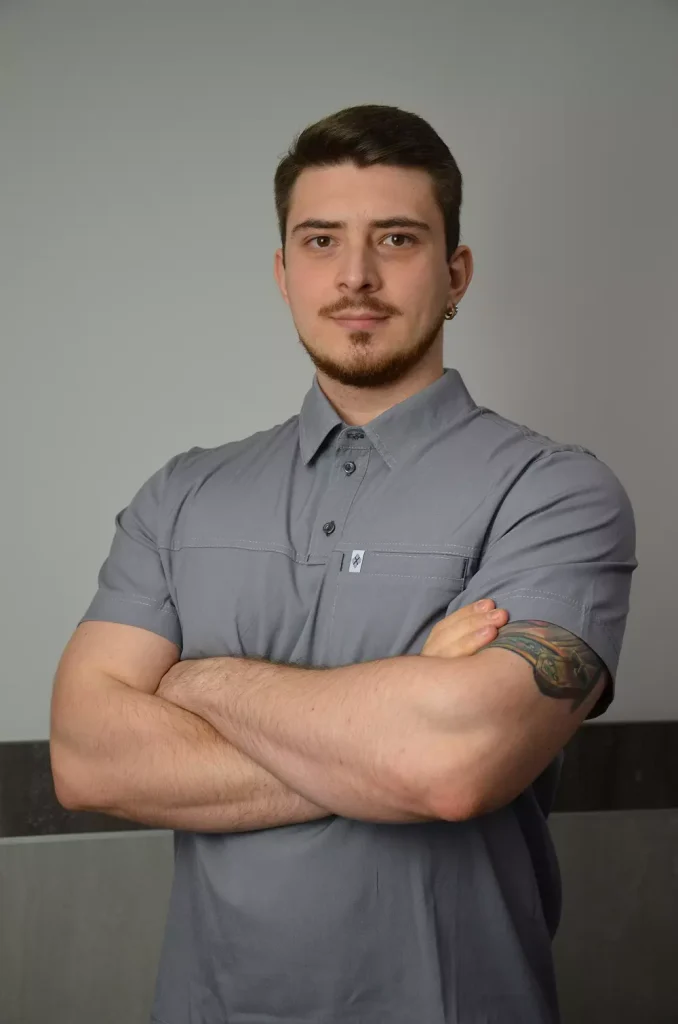
Chief Rehabilitation Specialist
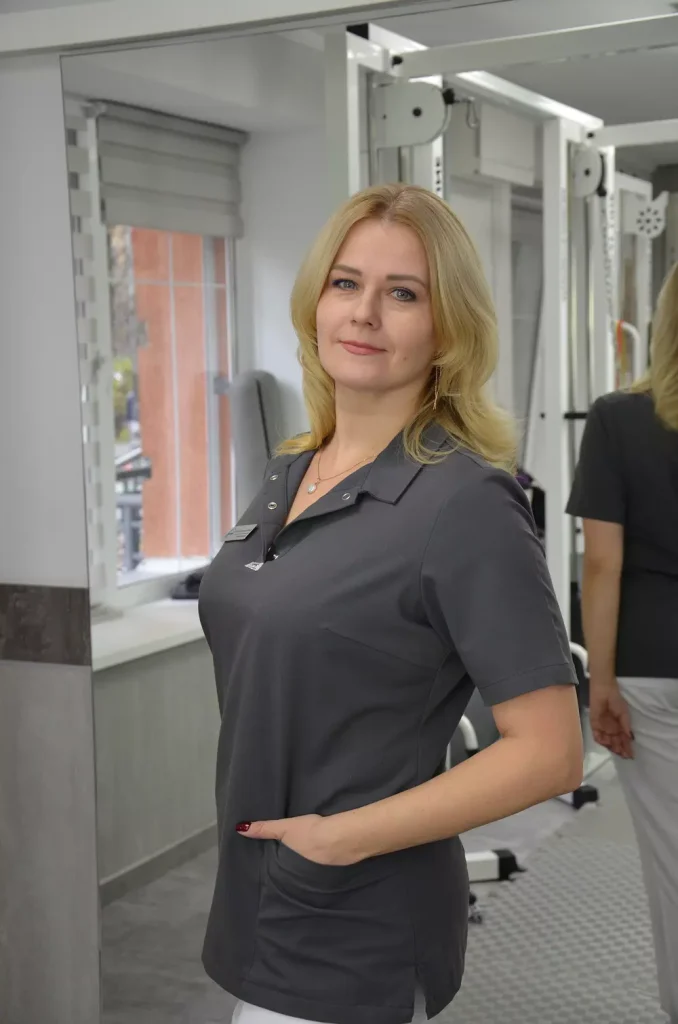
Chief physiotherapist
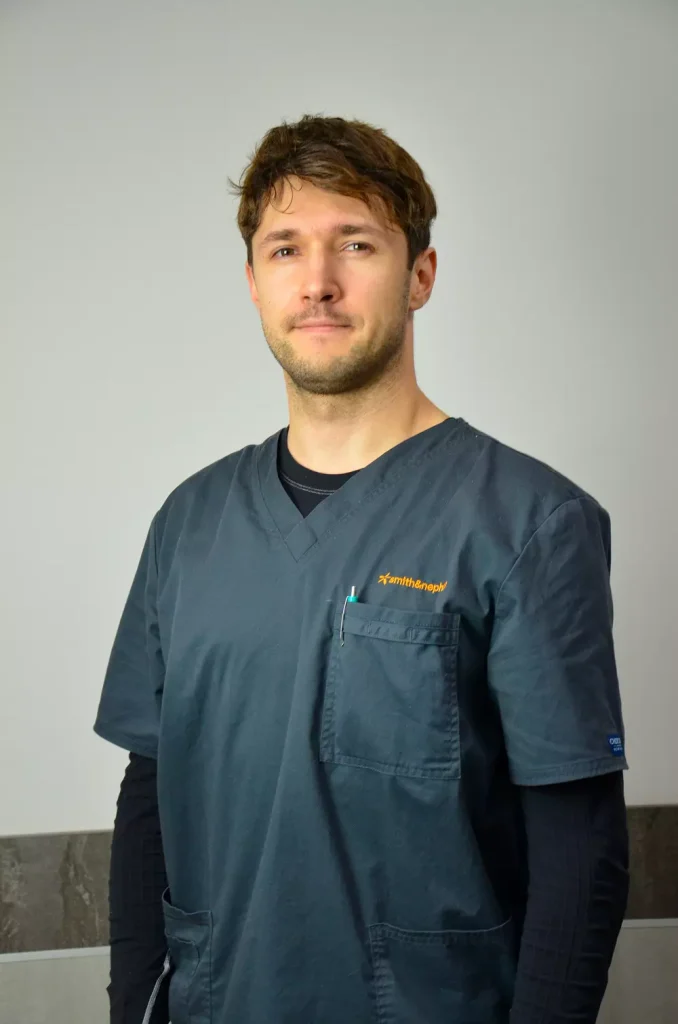
Orthopedic traumatologist
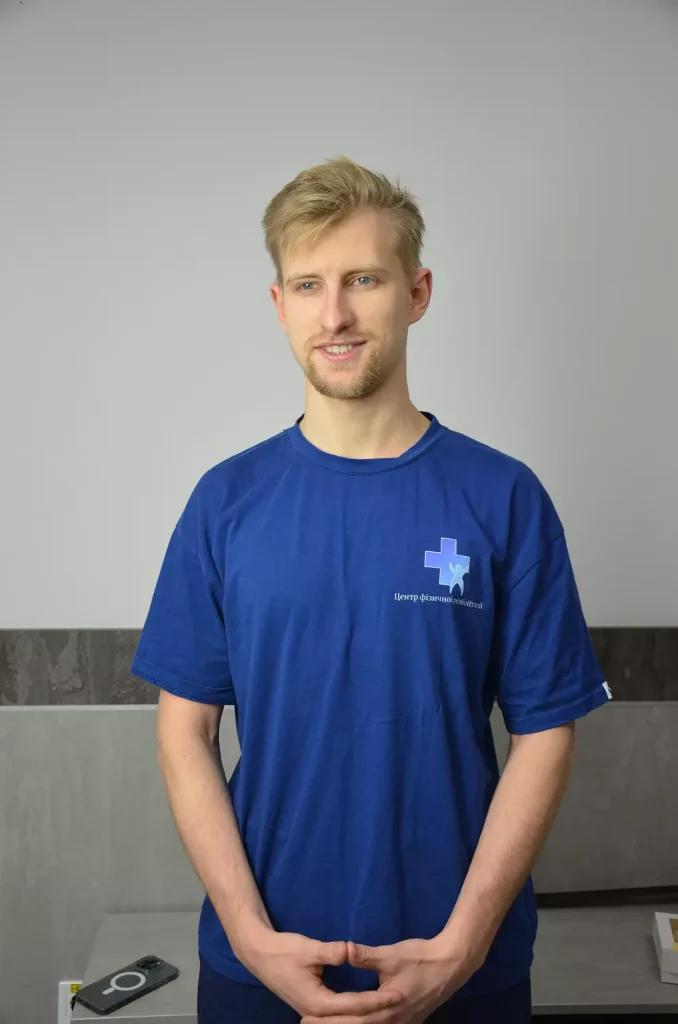
Chief rehabilitation specialist of physical therapy
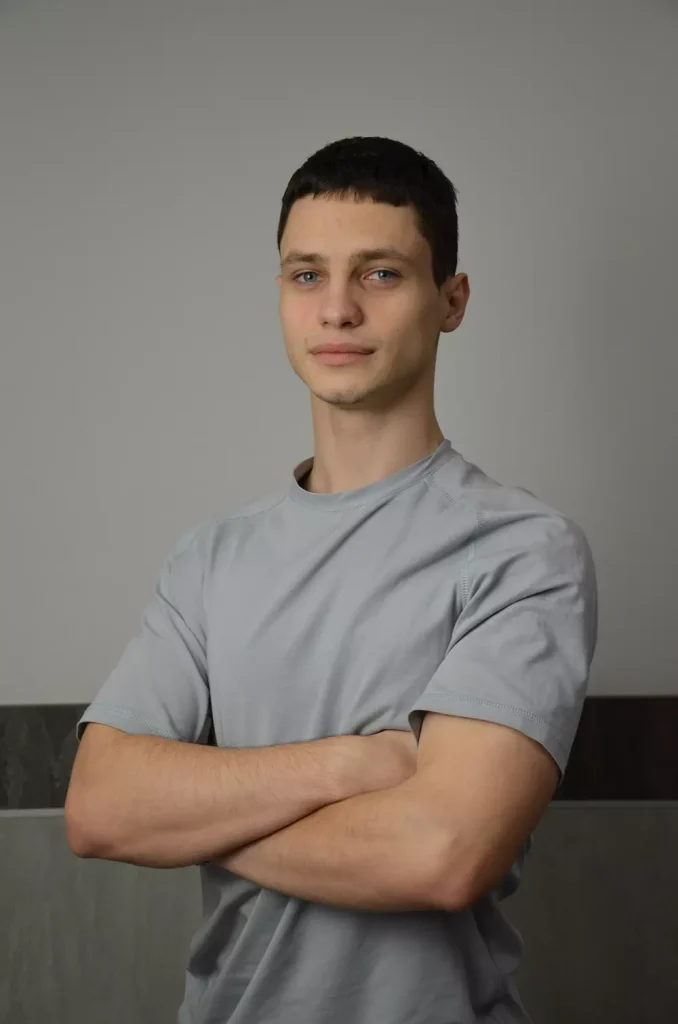
Rehabilitation specialist
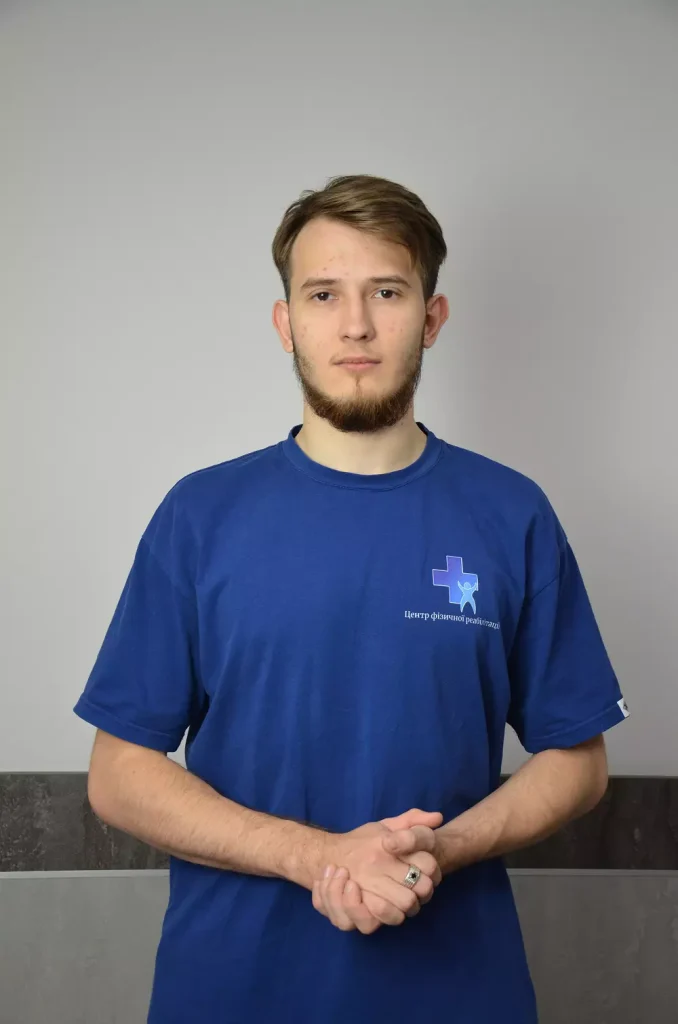
Rehabilitation specialist
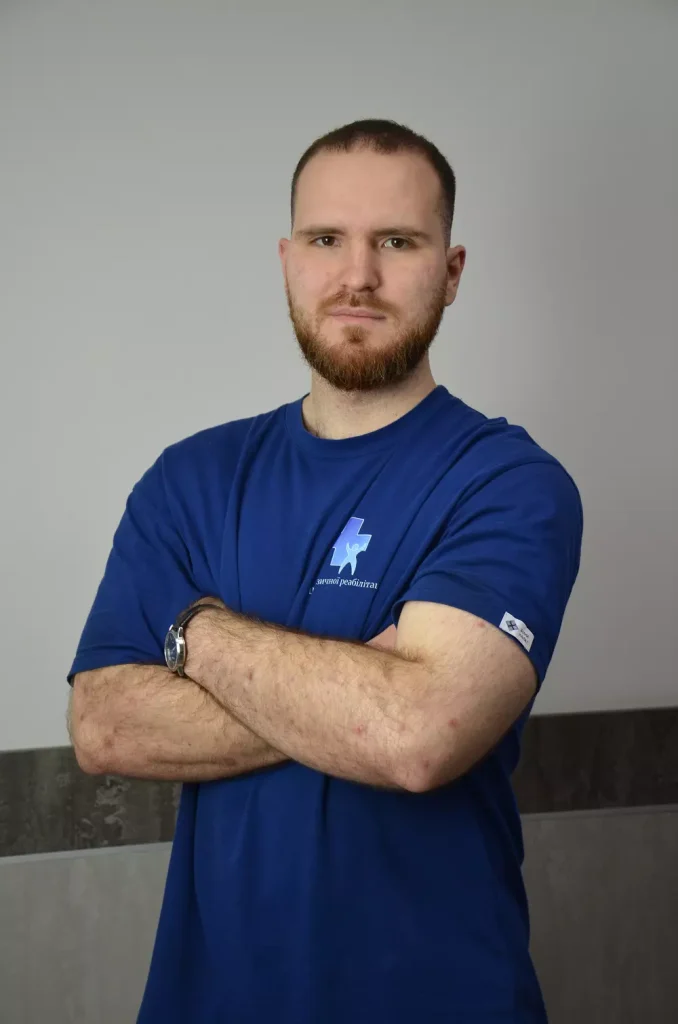
Masseur
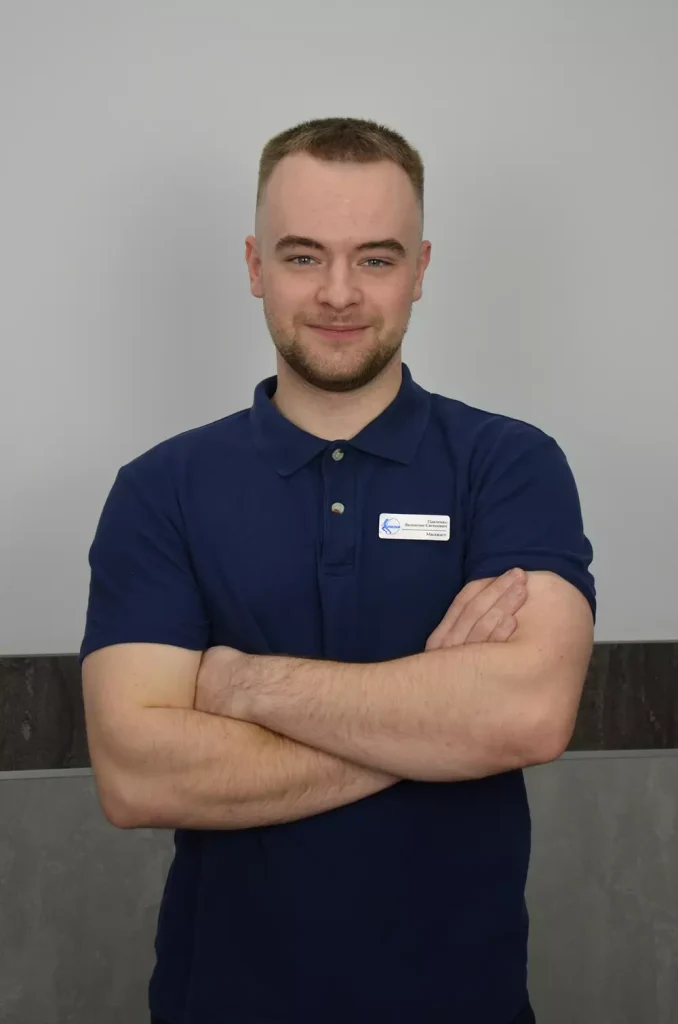
Masseur
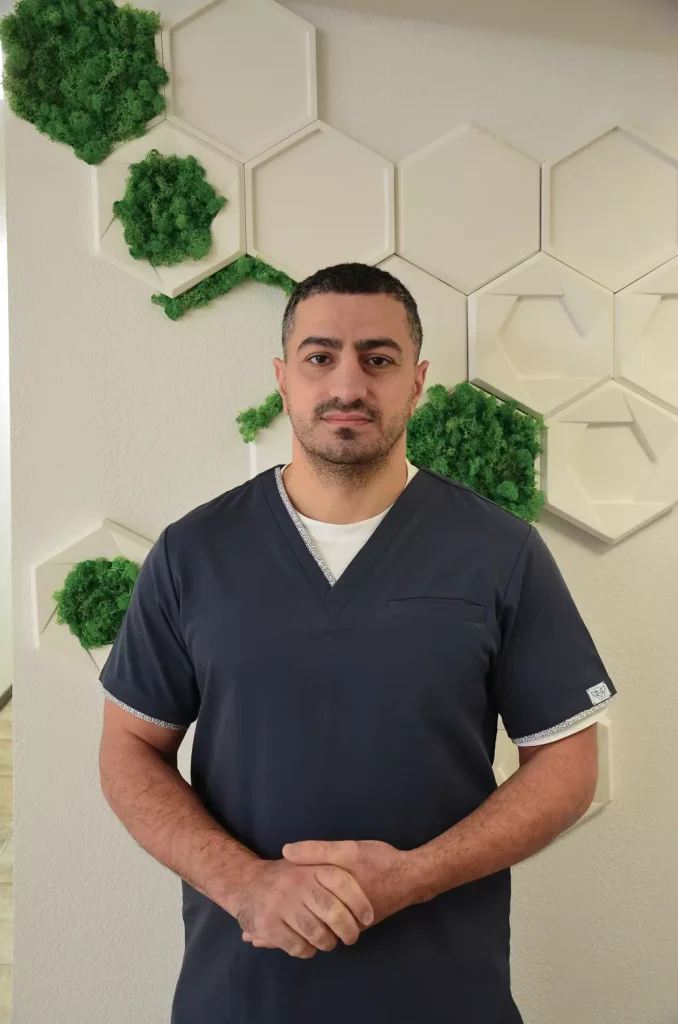
Founder of the center
Chief Rehabilitation Specialist
Chief physiotherapist
Orthopedic traumatologist
Chief rehabilitation specialist of physical therapy
Masseur
Masseur
Masseur

Leave your contacts — our specialist will contact you within 10–15 minutes to help you choose a service and answer all your questions.
Leave your contacts — our specialist will contact you within 10–15 minutes to help you choose a service and answer all your questions.