wellness centers
patients were helped
specialists
years of experience
Rehabilitation after Achilles tendon rupture at KINEZIUM is a phased recovery after Achilles injury or surgery that helps restore support, mobility, calf muscle strength and load control. The Achilles tendon is involved in walking, toe-rising, running and jumping, so it is important not to rush into stretching or strength exercises after a rupture. The program should take into account whether there was surgical treatment, immobilization, orthosis, weight-bearing restrictions and the doctor's protocol. At KINEZIUM, recovery includes weight-bearing control, gradual ankle mobility, calf strengthening, balance, gait training and home recommendations. The goal is to safely restore leg function and reduce the risk of re-rupture.
Achilles tendon rupture often occurs with a sudden start, jump, change of direction, athletic exertion, or sudden acceleration. Chronic tendon overload, insufficient calf muscle training, and sudden increases in activity also increase the risk.
Reason | How can this happen? |
A sharp start or sprint | The tendon receives a large sudden load |
Jump or landing | The Achilles tendon is stretched sharply under the weight of the body. |
Sports games | Football, basketball, tennis, and running with turns increase the risk |
Chronic overload | The tendon may be weakened by prolonged irritation. |
Insufficient calf strength | Muscles have poorer control over tendon loads |
Return to activity without preparation | The risk of re-injury increases with a hasty start to sports |
Achilles tendon rupture can be partial or complete, with or without surgery. For rehabilitation, it is important to know whether the tendon was sutured, what orthosis is used, how much support is allowed, and when it is possible to move the foot.
Degree/state | Typical manifestations | Rehabilitation logic |
Partial damage | Pain, weakness when pushing off, cautious gait | Load control, gradual force, avoiding sudden movements |
Complete rupture | Inability to push off normally, sharp pain or a “hit” in the calf | Medical route, immobilization or surgery, then rehabilitation |
After Achilles surgery | There is a tendon suture, orthosis, support protocol | Tendon protection, progressive mobility and strength |
After immobilization | Foot stiffness, calf weakness, gait changes | Restoring movement, support, balance, and gait |
Return to sports | Requires calf strength, jumping, running, endurance | Only after gradual readiness, without haste |
If an Achilles rupture is not rehabilitated, calf muscle weakness, limited foot mobility, lameness, fear of pushing off, and difficulty rising on toes may remain. Without proper strengthening, a person may walk with compensations for a long time and overload the other leg, knee, or lower back. At the same time, stretching or forceful loading too early can increase the risk of re-rupture.
Possible consequences:
After an Achilles rupture, rehabilitation should protect the tendon but gradually return it to real function.
Rehabilitation after Achilles tendon surgery is necessary for patients after tendon suture, immobilization, pain, weakness, limitation of support and walking. It is also necessary after conservative treatment, when the leg was in an orthosis or cast for a long time. It is especially important not to miss the stage of gradual return of support, because the tendon must adapt to the load.
Situation | When rehabilitation is needed |
After Achilles surgery | It is necessary to protect the seam and gradually return the support |
After immobilization | The foot is stiff, the calf is weak, the gait is altered |
When support is limited | You need to transition from crutches to a full gait correctly. |
With calf weakness | Difficulty rising on tiptoe or pushing off when taking a step |
When you are afraid, walk. | The patient is afraid to step or accelerate his step. |
To return to sports | Requires strength, balance, jumping, and progressive running load |
Achilles tendon rehabilitation helps restore foot mobility, calf strength, progressive support, balance, gait, and confidence in weight bearing. In the early stages, the main task is to protect the tendon from excessive stretching. Then, ankle movement, support, step control, and calf muscle strength are gradually restored. Later, balance, toe raises, functional exercises, and for athletes, running and jumping are added. The result depends on adherence to the protocol, regularity of exercises, and the absence of early overload.
The program after an Achilles rupture includes tendon protection, weight bearing control, gradual mobility, strengthening, balance, and return to walking. After surgery, the pace is determined by the surgical protocol.
Stage | What do they do? | Why is this needed? |
1. Tendon protection | Orthosis, movement restrictions and supports according to the protocol | Allow the tissue to heal without undue tension |
2. Gradual support | Transitioning from crutches to more weight on the leg | Restore confidence in walking |
3. Foot mobility | Ankle movements within safe limits | Reduce stiffness after immobilization |
4. Calf strengthening | Gradual exercises without early aggressive stretching | Return the repulsive force |
5. Balance and gait | Balance, stride, foot control | Restore lower limb stability |
6. Return to sports | Running, jumping, quick changes of direction at will | Prepare tendons for high loads |
Achilles tendon rehabilitation at KINEZIUM in Kyiv begins with an analysis of the surgeon's protocol or doctor's recommendations, assessment of support, foot amplitude, calf strength, gait, pain and swelling. The specialist clarifies whether there was an operation, what orthosis is used, when support is allowed and what movements are limited. Next, exercises are selected for safe mobility, gradual strength, balance and gait. At each stage, the tendon's reaction is monitored: pain, swelling, feeling of tension, quality of step. If there is sharp pain or suspicion of repeated injury, the program is stopped and a medical evaluation is recommended.
Rehabilitation after Achilles surgery differs from recovery after a sprain in that there is a tendon suture, healing time, risk of re-rupture, weight-bearing restrictions, and early stretching is prohibited. With a sprain, the tissue is not completely torn, so progress can be faster. After surgery, the load is increased only according to the protocol.
Criterion | After Achilles surgery | After stretching |
Main risk | Re-rupture or overstretching of the tendon | Worsening of pain or repeated strain |
Support | Often limited and gradually increasing | Usually dosed according to pain and function |
Foot movements | Limited by protocol, especially stretching | They can return faster. |
Strengthening | Very gradual, with tension control | Emphasis on strength and return to activity |
Pace of progress | Tied to tendon healing | Depends on symptoms and extent of damage |
After an Achilles tendon rupture, it is necessary to consider the prohibition of early stretching, pain, swelling, limitation of support, doctor's protocol, risk of re-rupture, condition of the scar after surgery and gradual strengthening. You cannot remove the orthosis yourself, quickly switch to full support or perform intensive toe lifts without permission. If there is sharp pain, a feeling of repeated “impact” in the calf or the impossibility of support, a medical evaluation is required.
AAOS OrthoInfo explains that the Achilles tendon connects the calf muscles to the heel bone and is used for walking, running, and jumping, and a complete tear can eliminate the ability to raise the body onto the ball of the injured leg: https://orthoinfo.aaos.org/en/diseases–conditions/achilles-tendon-rupture-tear/. AOFAS in a 2024 position paper states that non-surgical treatment of acute ruptures may be effective in selected patients along with early functional rehabilitation, and surgical treatment may yield good results in active patients: https://www.aofas.org/docs/default-source/research-and-policy/position-statements/positionstatement_acuteachillesruptures_nov2024.pdf. The AAOS Foot and Ankle Conditioning Program describes exercises to do after foot and ankle injuries or surgeries to help you return to daily activities: https://orthoinfo.aaos.org/en/recovery/foot-and-ankle-conditioning-program/. Practical conclusion: the Achilles should be loaded gradually and without early aggressive stretching.
After rehabilitation in KINEZIUM, you can expect a gradual return of support, gait, calf muscle strength and movement control. The result depends on the type of treatment, age, tendon condition, regularity of training, adherence to the protocol and the patient's goals. In everyday life, this means a more confident gait, less fear of stepping, better toe rise and a gradual return to stairs, walks or sports.
The AAOS Achilles Tendon Rupture material explains the function of the Achilles tendon and the implications of a complete rupture for toe raising and movement: https://orthoinfo.aaos.org/en/diseases–conditions/achilles-tendon-rupture-tear/. The AAOS Foot and Ankle Conditioning Program notes that after injury or surgery, an exercise program helps you return to daily activities and a more active lifestyle: https://orthoinfo.aaos.org/en/recovery/foot-and-ankle-conditioning-program/. The AOFAS position paper on acute Achilles ruptures emphasizes the role of early functional rehabilitation in selected patients: https://www.aofas.org/docs/default-source/research-and-policy/position-statements/positionstatement_acuteachillesruptures_nov2024.pdf. Practical conclusion: the result after an Achilles rupture is formed slowly and requires controlled progress.
To sign up for rehabilitation after an Achilles tendon rupture, you need to contact KINEZIUM and inform them of the date of the injury, whether there was an operation, what orthosis is used, whether support is allowed and what restrictions the doctor has given. It is advisable to take the discharge, treatment protocol and examination results with you on the first visit. The specialist will assess support, gait, foot mobility, calf strength, pain and swelling. After that, a safe program is formed with a gradual transition to walking and strengthening. If there is sharp pain or suspicion of a re-rupture, a medical evaluation is required first.
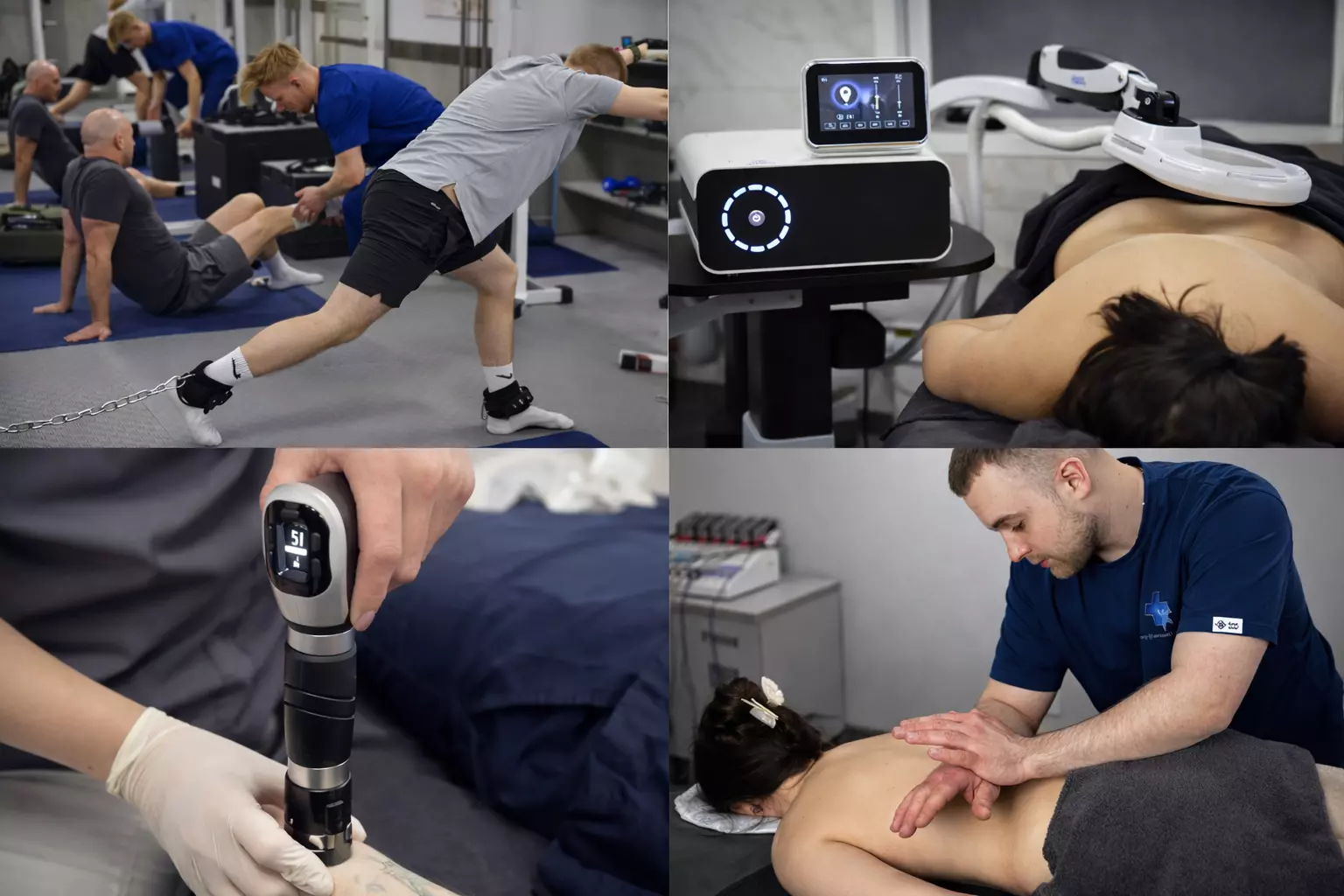
Our team consists of experienced rehabilitation specialists, physiotherapists, and massage therapists who help people restore their health and return to an active life every day.
We combine modern techniques, an individual approach, and sincere care for each patient.
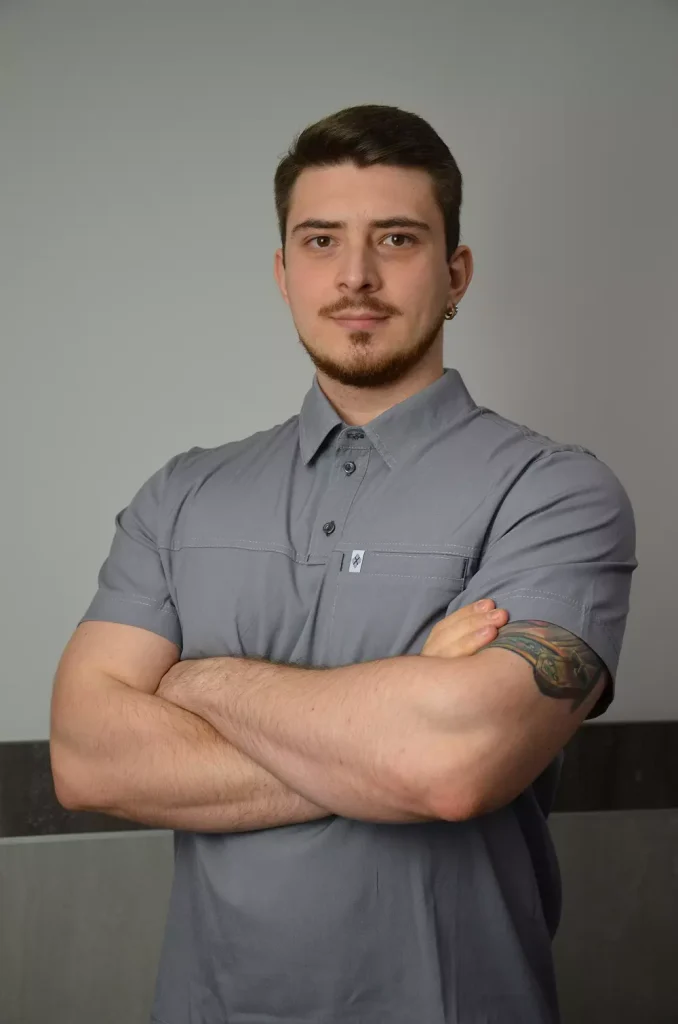
Chief Rehabilitation Specialist
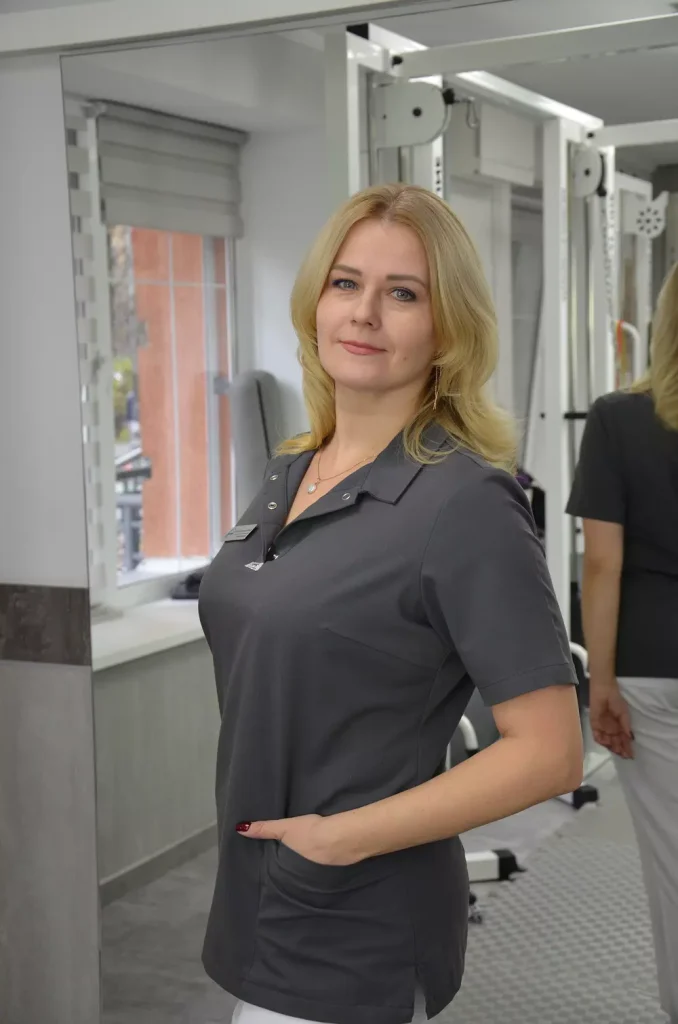
Chief physiotherapist
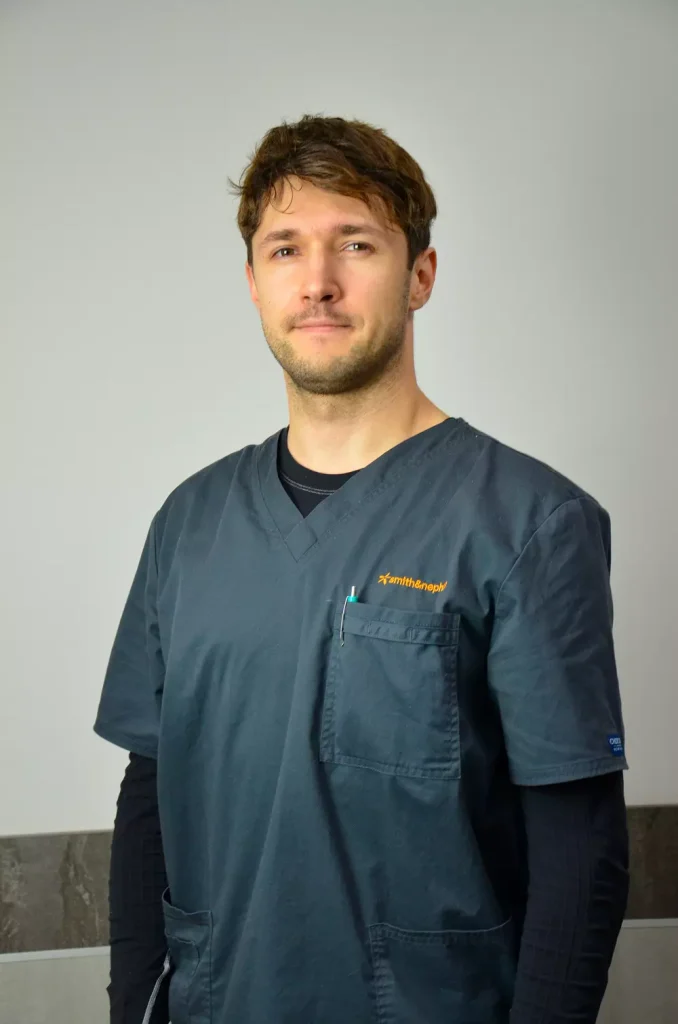
Orthopedic traumatologist
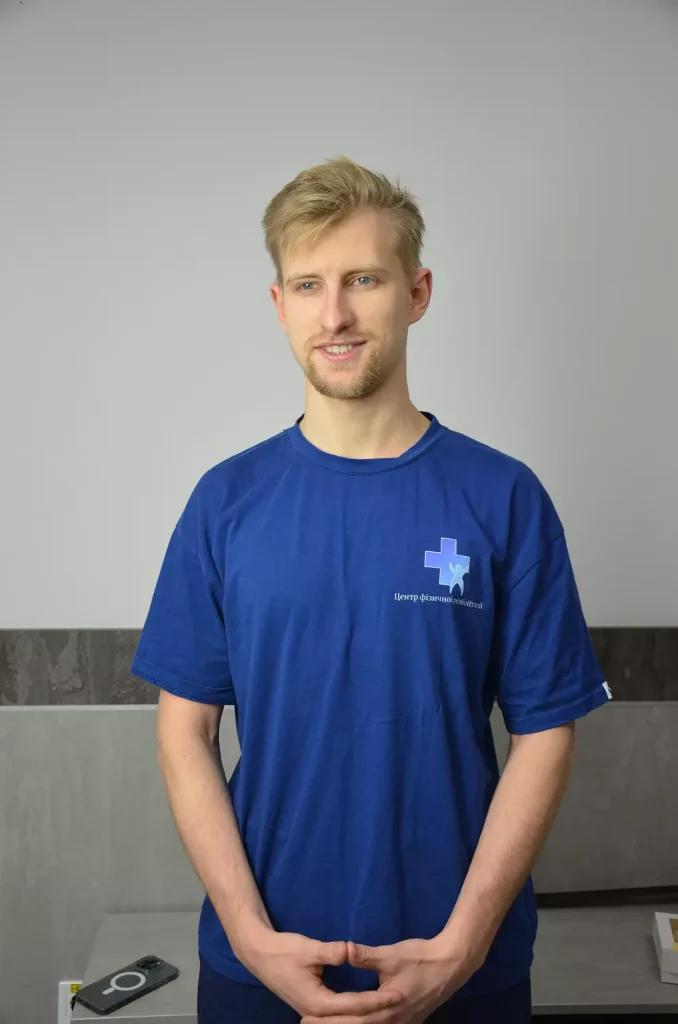
Chief rehabilitation specialist of physical therapy

Rehabilitation specialist
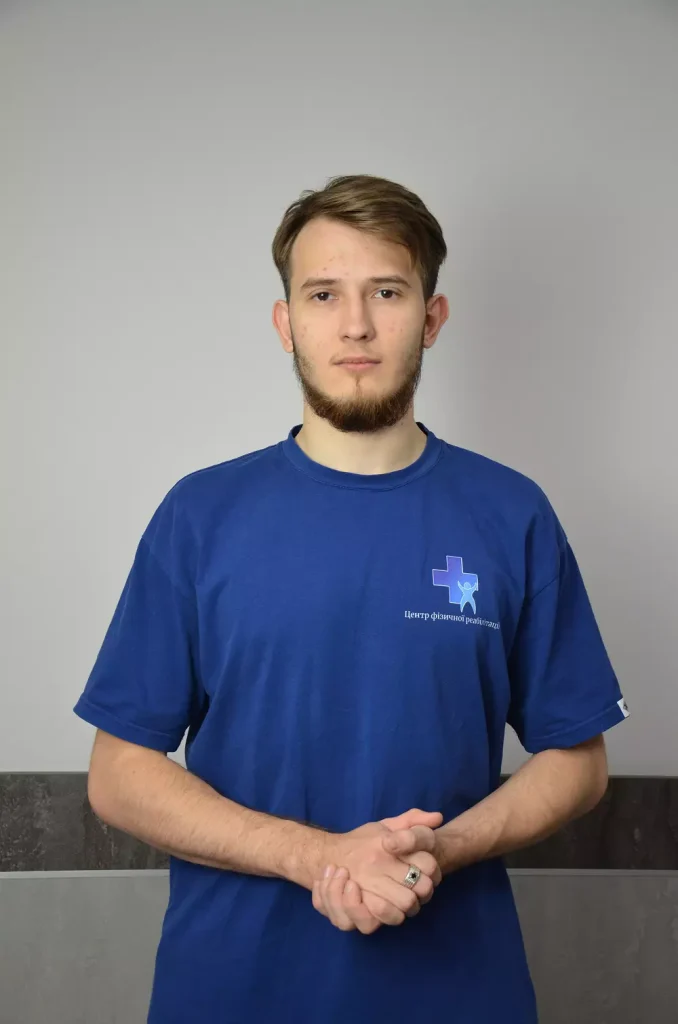
Rehabilitation specialist
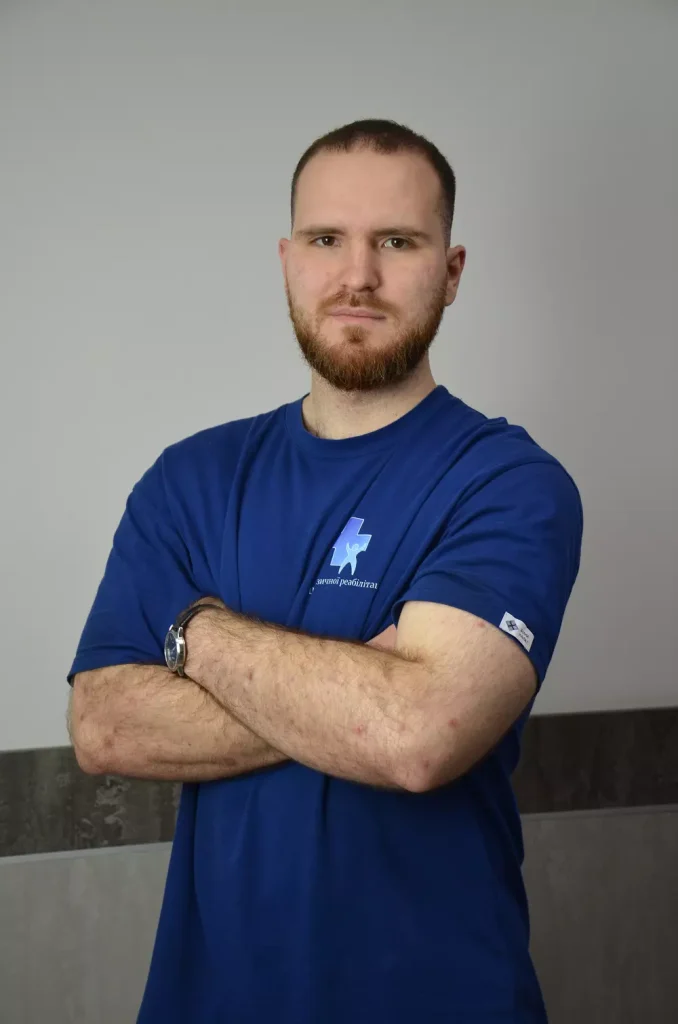
Masseur
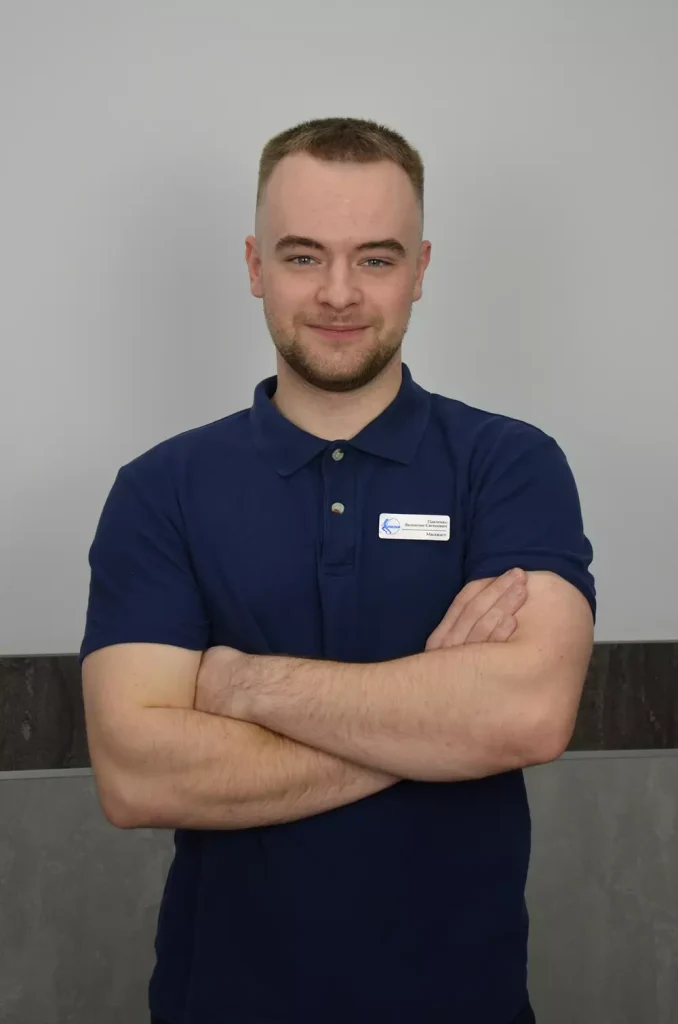
Masseur
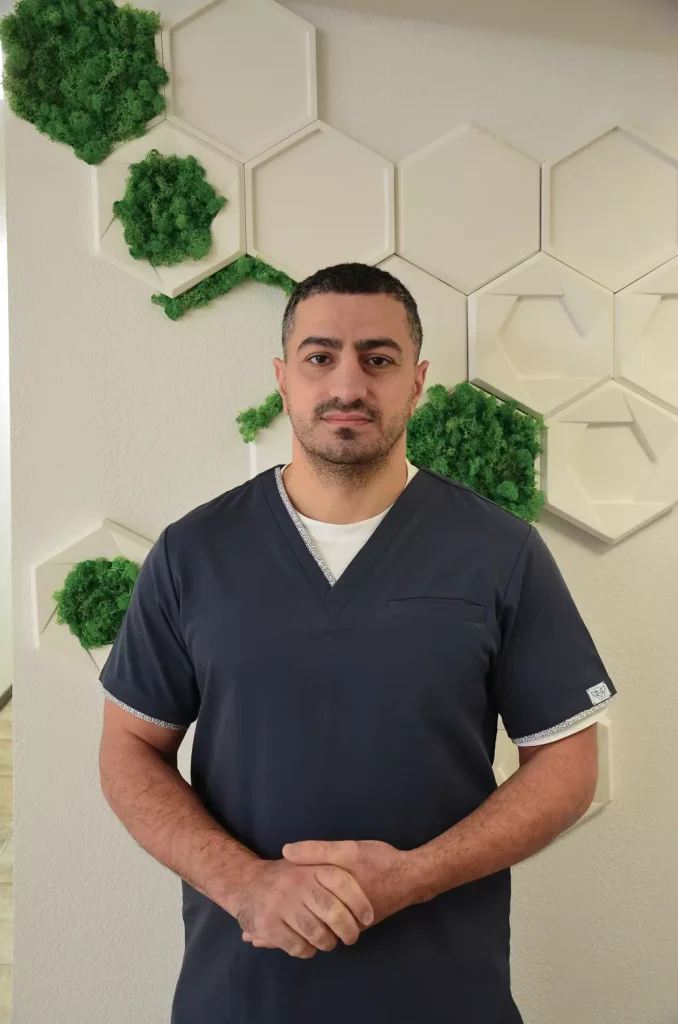
Founder of the center
Chief Rehabilitation Specialist
Chief physiotherapist
Orthopedic traumatologist
Chief rehabilitation specialist of physical therapy
Masseur
Masseur
Masseur

Leave your contacts — our specialist will contact you within 10–15 minutes to help you choose a service and answer all your questions.
Leave your contacts — our specialist will contact you within 10–15 minutes to help you choose a service and answer all your questions.