
 Skip to content
9 sessions + 1 as a gift
Our team consists of experienced rehabilitation specialists, physiotherapists, and massage therapists who help people restore their health and return to an active life every day.
We combine modern techniques, an individual approach, and sincere care for each patient.

Chief Rehabilitation Specialist

Chief physiotherapist
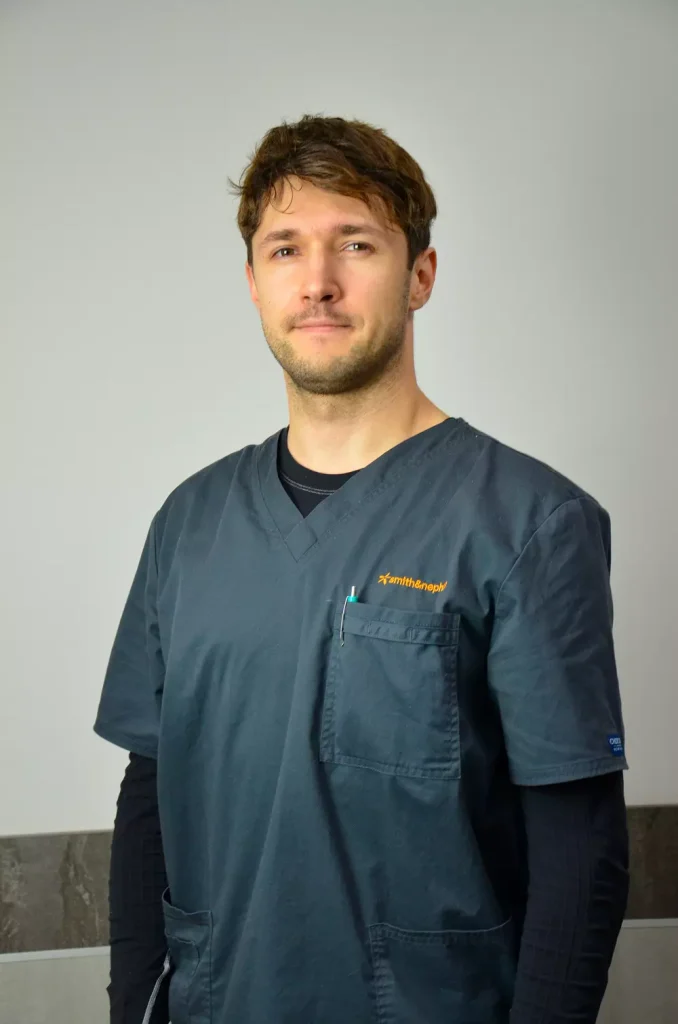
Orthopedic traumatologist
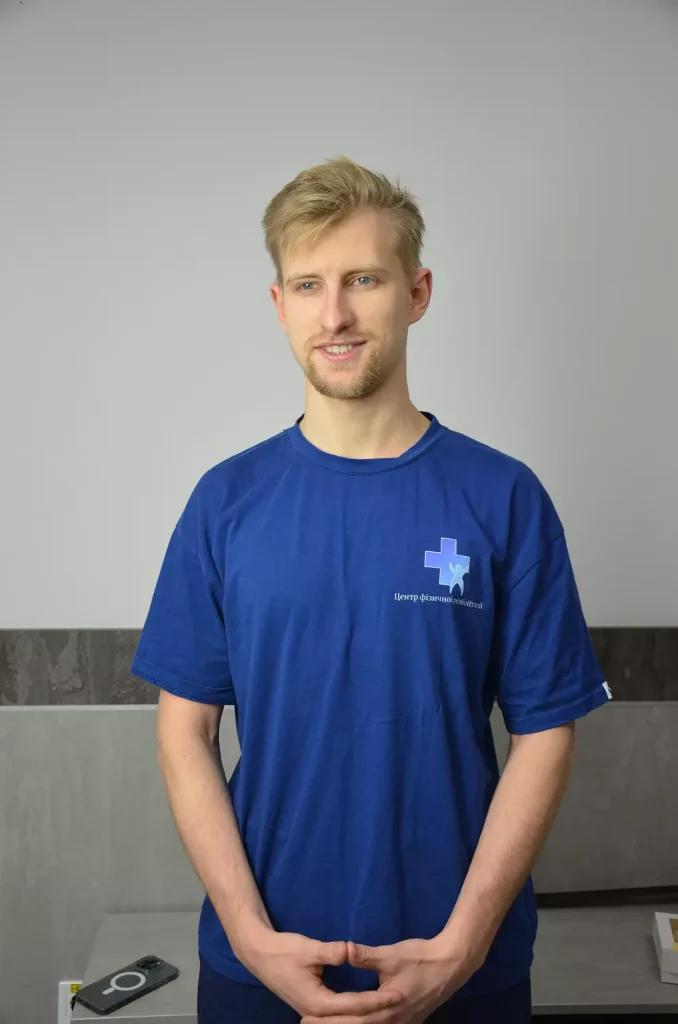
Chief rehabilitation specialist of physical therapy

Masseur
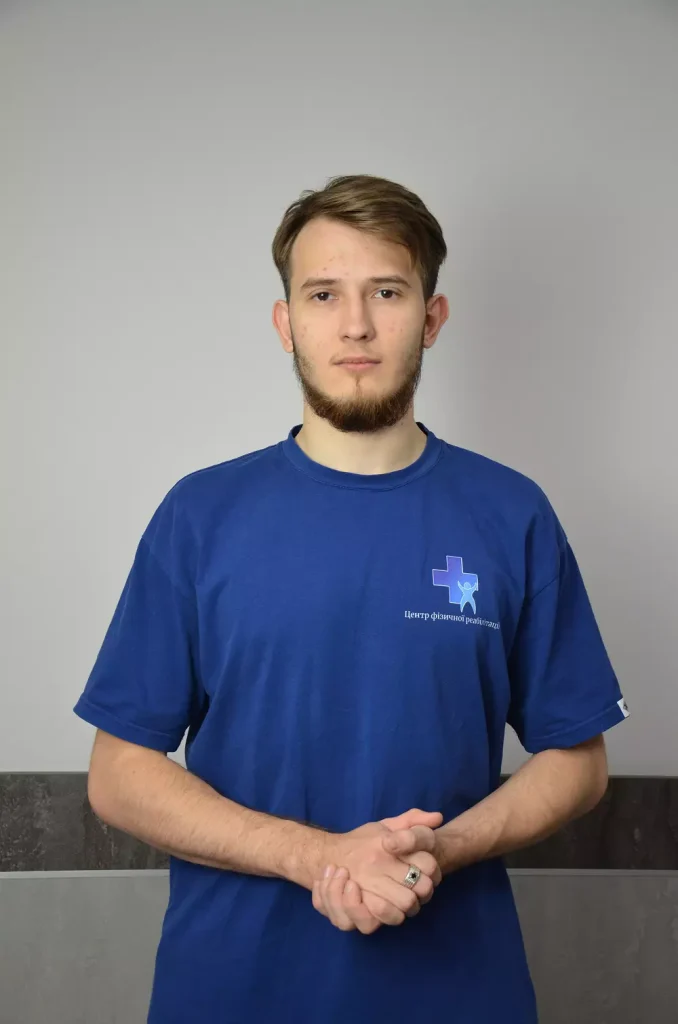
Masseur
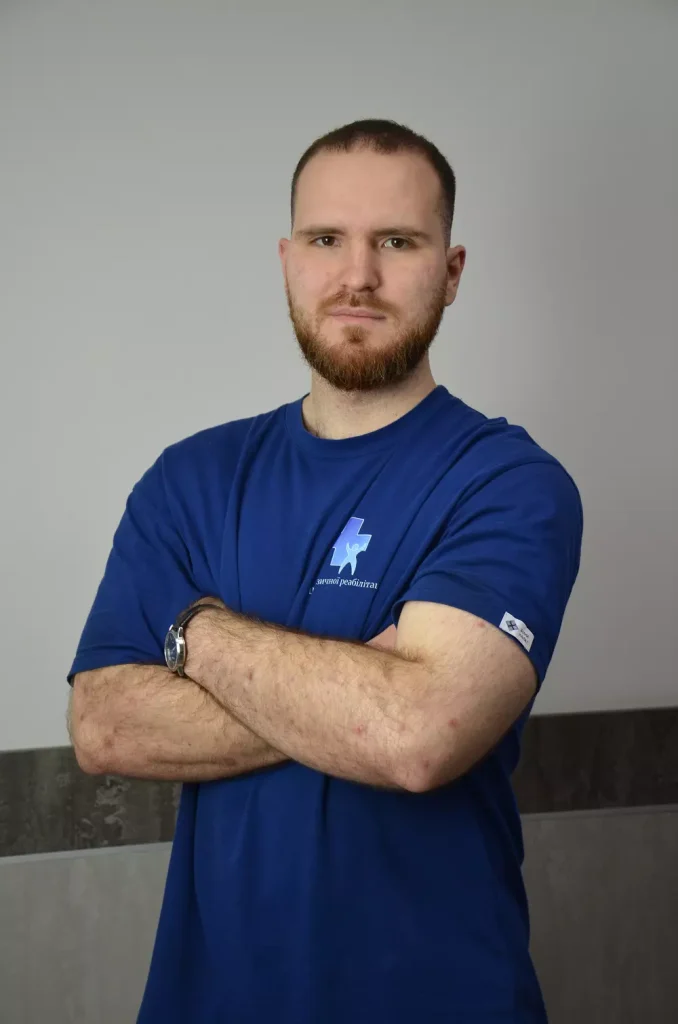
Masseur

Masseur
We are grateful to everyone who has entrusted their health to us.
Your feedback is the best confirmation of the results of our work.
Share your impressions - they inspire us to become even better every day.
Leave your contacts — our specialist will contact you within 10–15 minutes to help you choose a service and answer all your questions.
We are always open for communication and ready to help you.
Call or email us to schedule a consultation or get detailed information.
Our experts will suggest the best solution for you.
After a fracture, a patient often needs not one specialist, but a team that monitors the various stages of recovery: bone union, soft tissue condition, joint mobility, muscle strength, and return to daily activities. At KINEZIUM, the rehabilitation process may include an orthopedic traumatologist, rehabilitation specialist, physiotherapist, exercise therapist, and massage therapist — depending on the location of the fracture, the age of the injury, the presence of surgery, and the permitted load. It is important that all actions are coordinated: early excessive movement can interfere with healing, and too long immobilization often leads to contractures, weakness, and impaired gait or arm function.
Specialist | The main role after a fracture | When especially needed |
Orthopedic traumatologist | Assesses bone condition, X-ray/CT/MRI results, determines limitations and allowable load | After injury, surgery, cast, pain, swelling, suspected complications |
Rehabilitation specialist | Formulates a plan to restore function, mobility, strength, gait, or hand function | When there is stiffness, weakness, fear of movement, disruption of everyday activities |
Physiotherapist | Selects physiotherapy techniques and monitors tissue response | For pain, swelling, muscle spasm, need to support healing |
Exercise therapy specialist | Teaches safe exercises, doses the load, controls the technique | After permission for active movements, upon restoration of strength, balance, support |
Masseur | Works with soft tissues as indicated, reduces muscle tension | When there are no acute contraindications and it is necessary to prepare tissues for movement |
Rehabilitation is not only necessary after complex surgeries. It is often necessary after removal of a cast, prolonged immobilization, use of an orthosis, plate or screws, as well as after a period when the patient did not load the limb for a long time. Typical reasons for referral are pain, swelling, limited range of motion, muscle weakness, impaired support, lameness, stiffness of the fingers or inability to use the hand normally. If the fracture was in the lower leg, foot, hip or pelvis, special attention is paid to gait, balance and gradual return of axial load. If the arm is injured, it is important to restore grip, movements in the shoulder, elbow or radiocarpal joint.
Possible recovery options include individual exercise therapy, controlled load increase, physiotherapy procedures according to indications, work with the scar after surgery, soft tissue techniques, gait training and a home exercise program. But the key principle is one: rehabilitation should correspond to the phase of bone healing. That is why it is important to take into account the recommendations of the traumatologist and the results of control examinations before starting.
The first point of reference is the location of the injury: a fracture of the foot, shin, hip, hand, shoulder, or spine requires different emphases in recovery. The second factor is the healing stage: immediately after surgery, work will be careful and protective, and after confirmation of union, you can gradually move on to strength, amplitude, coordination, and functional load. The third point is the level of pain, swelling, fear of movement, and the patient's daily goals: someone needs to return to walking without crutches, someone needs to return to manual labor, sports, or prolonged standing.
At KINEZIUM, it is worth paying attention to the team approach: according to the center, specialists work together and form a single plan after a detailed assessment of the condition. For the patient, this is practical: an orthopedic traumatologist can determine medical limitations, a rehabilitation specialist - goals and stages, a physical therapy specialist - exercises, a physiotherapist - procedures, and a massage therapist - auxiliary work with soft tissues. A good specialist does not promise to "restore everything quickly", but explains what can be done now, what is still early, how to control the pain and when you need to see a doctor again.
The initial assessment after a fracture begins with clarifying the complaints: where it hurts, when the pain appears, whether there is swelling, numbness, instability, weakness or limitation of movement. Next, the specialist analyzes the history of the injury, type of treatment, presence of surgery, plaster, orthosis, metal structures and postoperative prohibitions. An important block is a review of X-rays, MRI, CT scans, surgeon's notes or recommendations, if the patient has them. After that, the amplitude of movements, muscle strength, quality of gait or hand function, pain response and load tolerance are assessed.
Based on the examination, an individual program is formed: what can be done at the first stage, which movements should be limited for now, whether physiotherapy, exercise therapy, doctor's supervision or re-examination is needed. In complex cases, for example, after surgery or with incomplete fusion, the program should be especially gradual. The task of the initial assessment is not just to “give exercises”, but to reduce the risk of overload and choose a safe recovery trajectory.
After a fracture, patients often confuse the roles of specialists, and this is normal: everyone works with movement, pain and function, but is responsible for different decisions. The doctor assesses the medical part - the condition of the bone, risks, indications for further examination, limitations after surgery or injury. The rehabilitation specialist translates these limitations into a practical recovery plan: how to restore amplitude, strength, support, gait or hand function. The physiotherapist selects procedures and auxiliary methods that can reduce pain, swelling, muscle spasm and support the tissues within the limits of safe load.
Direction of work | Orthopedic and traumatologist | Rehabilitation specialist | Physiotherapist / Exercise Physiologist |
Diagnostics | Assesses injury, images, risks, complications | Assesses function, movement, strength, and daily living limitations | Assesses response to procedures, exercises, and stress |
Plan | Determines medical limitations and further tactics | Draws up a recovery program | Selects procedures, exercises, dosages |
Load | Allows or limits resistance/movements | Plans a gradual return to function | Controls technique, intensity, symptoms |
Home recommendations | Gives medical warnings | Provides functional goals and rules | Provides exercises, self-control, and post-session regimen |
It is advisable to bring everything to the consultation after a fracture that will help the specialist understand the condition of the bone and the permitted restrictions. These can be X-rays, CT scans, MRI scans, radiologist's reports, discharge after surgery, recommendations from an orthopedic traumatologist or surgeon, information about installed plates, screws or other metal structures. If the doctor has already allowed partial or full weight-bearing, this recommendation must also be shown.
It is helpful to record in advance when pain occurs, what makes it worse, whether there is morning stiffness, swelling by evening, numbness, skin discoloration, or weakness. It is also worth reporting any medications you are taking, especially painkillers, anticoagulants, anti-inflammatories, or medications prescribed after surgery. The more accurate the baseline data, the safer you can choose a recovery program.
Not every pain after a fracture means that you need to “work it out through force”. Before starting rehabilitation, it is important to exclude situations where active loading can be harmful: incomplete union, prohibition of support, unstable fixation, severe swelling, sharp pain, fever, redness of the wound or signs of infection after surgery. Separately, numbness, impaired sensitivity, severe weakness, discoloration of the limb or pain that increases after minimal movement are taken into account.
Postoperative restrictions take precedence over the desire to return to activity as soon as possible. If the surgeon has prohibited support, a certain angle of movement or strength exercises, rehabilitation is built within these rules. In KINEZIUM, it is advisable to start the program with an initial assessment so as not to overload the bone, joint, ligaments or soft tissues. In case of acute symptoms, suspicion of complications or a sharp deterioration in the condition, you should consult a doctor immediately.
A realistic outcome after a fracture is a gradual, controlled return of mobility, strength, support, gait, or function of the arm. First, the patient usually learns to safely move the limb, reduce fear of strain, and control pain and swelling. Then, exercises for amplitude, muscle strength, stability, balance, coordination, and everyday or professional movements are added. At KINEZIUM, this process can be carried out as a team: doctors, rehabilitation specialists, physiotherapists, exercise therapists, and massage therapists work within a single plan.
A brief review of authoritative sources confirms the importance of a gradual approach. MedlinePlus notes that after a fracture is reduced, your doctor may recommend physical therapy or gentle exercise to prevent the limb from becoming weak or stiff: https://medlineplus.gov/ency/patientinstructions/000522.htm. NCBI Bookshelf materials on fracture healing emphasize the role of interdisciplinary communication and progress monitoring during physical therapy: https://www.ncbi.nlm.nih.gov/books/NBK551678/. AAOS OrthoInfo describes rehabilitation after injuries and surgeries as a way to reduce pain, restore mobility, and return to activity: https://orthoinfo.aaos.org/en/recovery/. The conclusion is simple: the best prognosis is not provided by a “universal complex”, but by a program adapted to the type of fracture, the healing phase and the functional goal of the patient.
It is best to start the record after a fracture with a brief description of the situation: which bone was injured, when it happened, whether there was an operation, whether there is a cast or orthosis, whether loading is allowed. When applying, you can specify which specialist is needed first: an orthopedic traumatologist, a rehabilitation specialist, a physiotherapist or an exercise therapy specialist. During the initial assessment, the specialist will check the complaints, documents, mobility, pain, strength, postoperative limitations and determine the starting program.
If you have an X-ray, CT scan, MRI, discharge or recommendations from the surgeon, it is worth bringing them with you. After the assessment, a plan is formed: procedures, exercises, home recommendations, frequency of visits and progress criteria. This helps to start recovery without unnecessary risk and with an understanding of what exactly needs to be done at each stage.
Leave your contacts — our specialist will contact you within 10–15 minutes to help you choose a service and answer all your questions.
Leave your contacts - our specialist will contact you within 10-15 minutes to help with the service and answer all your questions.