wellness centers
patients were helped
specialists
years of experience
Physiotherapy for spinal hernia in KINEZIUM is part of rehabilitation for pain, muscle spasm, limited movement and symptoms associated with irritation of nerve structures or spinal overload. It may include physiotherapy, exercises, load control, work with muscles, posture and everyday movements. The main thing is not to treat the “MRI picture”, but to assess the real symptoms: back pain, irradiation in the leg or arm, weakness, sensitivity, mobility and reaction to stress. If symptoms increase or there are signs of neurological deficit, a medical evaluation is required before any active methods.
A herniated disc can occur due to degenerative disc disease, sudden strain, weight lifting, repetitive bending, prolonged sitting, or injury. Often, the pain is not caused by a single factor, but by a combination of muscle weakness, overload, lack of movement, and an unsuccessful sudden movement.
Reason | How this can affect |
Weight lifting | Sudden stress can increase pain or irritate the disc. |
Prolonged sitting | Increases lower back discomfort and reduces range of motion |
Repetitive inclinations | Can provoke symptoms with insufficient body control |
Trauma or sudden movement | Can cause acute pain, spasm, and restriction of movement |
Weakness of the trunk muscles | The spine is less able to withstand everyday stress. |
Degenerative disc changes | The disc becomes less resistant to load, symptoms may recur |
In everyday life, we often say “hernia”, but clinically it is important to assess not only the size of the protrusion, but also the symptoms. A small hernia can cause severe pain if it irritates a nerve, and a large finding on MRI may not correspond to the current complaints. Therefore, the rehabilitation program should take into account pain, sensation, strength, reflexes, mobility and function.
Level of manifestations | What can be troubling? | Recovery approach |
Local back pain | Non-radiating pain, muscle spasm, stiffness | Physiotherapy according to indications, exercises, load control |
Pain with irradiation | Pain in the leg or arm, tingling, limitation of movement | Assessment of nervous symptoms, careful exercises, avoidance of provocations |
Neurological symptoms | Numbness, weakness, decreased sensitivity | Medical assessment, individual program without aggressive methods |
Acute exacerbation | Sharp pain, protective spasm, difficulty moving | Gentle mode, gradual start, control of “red flags” |
Symptoms of ponytail | Urinary incontinence, numbness in the perineum, weakness | Emergency medical care, not physiotherapy |
If movement is avoided for a long time or control of the load is not restored in the case of a herniated disc, muscle weakness, fear of movement, stiffness and sensitivity to everyday activities may increase. The person begins to fear leaning, sitting, walking or lifting objects, which further reduces activity. In some patients, neurological symptoms that require a different route may be missed without evaluation.
Possible consequences:
Safe recovery from a hernia is not complete rest for an indefinite period of time, but a gradual return to movement, taking into account symptoms and contraindications.
Spinal rehabilitation for herniated discs may be necessary for back pain, limited mobility, muscle weakness, a period after exacerbation, or the need to return to normal activity. It may also be necessary if the patient is afraid to move, sit for a long time, bend over, or lift objects. When pain radiates to the leg or arm, it is important to check sensitivity, strength, and other neurological signs.
Situation | When is an assessment needed? |
Back or neck pain | If pain limits movement, sleep, work, or walking |
Irradiation to the leg or arm | Need to check for nervous symptoms |
After exacerbation | When the pain has subsided, but weakness and fear of movement remain |
Muscle spasm | If the back “protects” itself and limits the amplitude |
Sedentary work | If symptoms recur after prolonged sitting |
Return to activity | You need to understand which exercises and loads are safe. |
Spinal physiotherapy can help reduce pain, improve mobility, control strain, support muscles, and gradually return to activity. During periods of pain, physiotherapy can play a supporting role, but a movement program is often the foundation of long-term recovery. It is important to learn to move without provoking symptoms, gradually strengthen the body, and not be afraid of safe activity.
Main tasks:
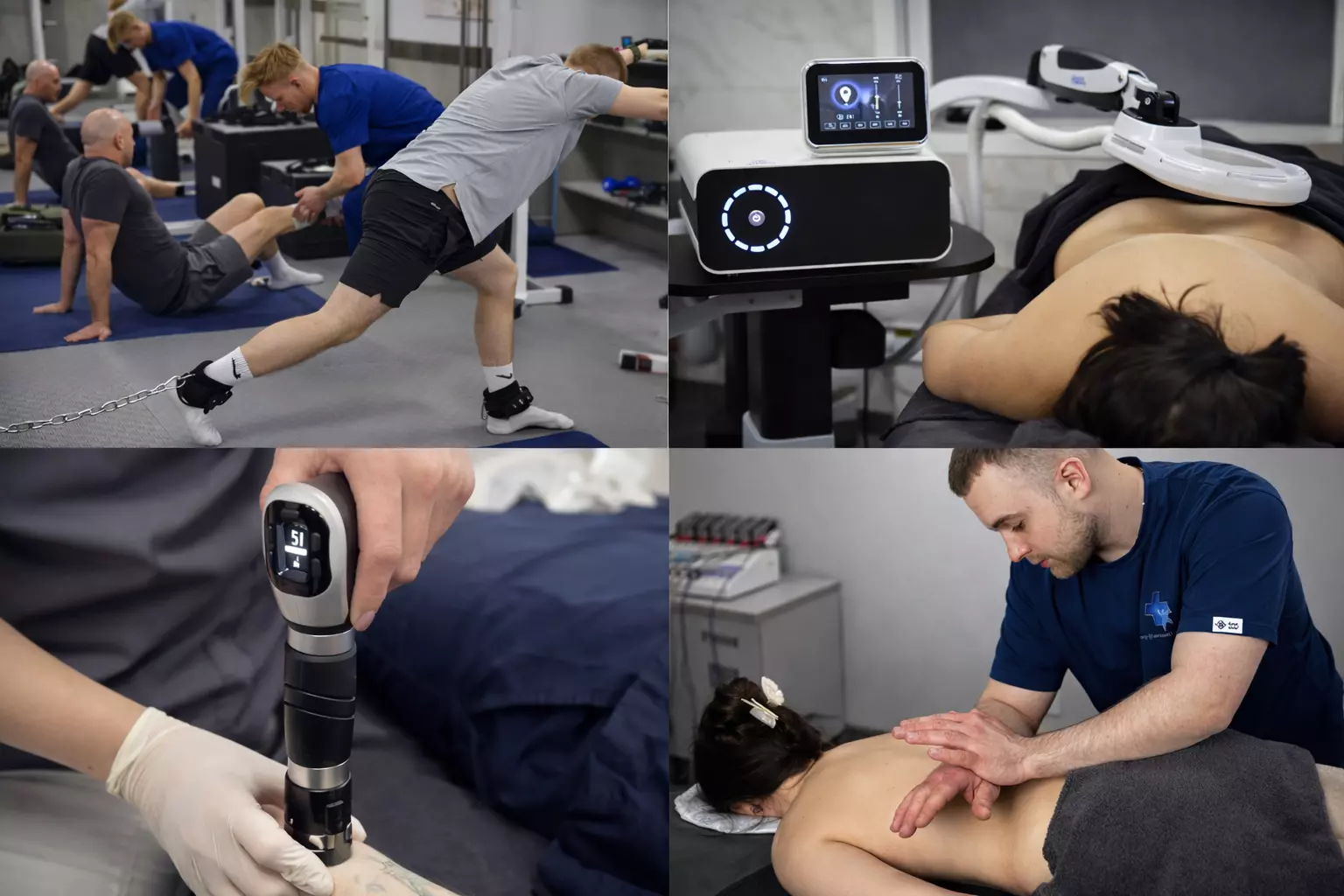
Shockwave therapy of the spine can be considered only after assessing the condition, indications, pain area and contraindications. It is not used “against herniation” as a universal method, because herniated disc and back pain can have different mechanisms. If there are acute neurological symptoms, increasing weakness, numbness or suspected cauda equina syndrome, SCT is not the first step. In some cases, acoustic exposure can be used for local soft tissue or muscle-fascial areas, but only if it is safe. The final decision is made after examination.
Spinal rehabilitation at the KINEZIUM center in Kyiv begins with a consultation, assessment of movement, pain, strength, sensitivity, posture, gait, and response to load. The specialist clarifies MRI/CT data if available, but does not select a program based solely on the description of the image. Then an individual plan is determined: physiotherapy, exercises, massage according to indications, load control, and home recommendations. At each stage, the dynamics are assessed: whether the pain has decreased, whether the movement has improved, whether it has become easier to sit, walk, bend, or work. If the symptoms worsen, the plan is adjusted and, if necessary, a medical consultation is recommended.
Hernia physiotherapy, exercise therapy and massage have different goals, but can be combined in one plan. Physiotherapy often helps to work with pain and tissues, exercise therapy restores active control of movement, and massage can reduce muscle tension in the absence of contraindications. The best choice depends not on the name of the method, but on the symptoms and goal of recovery.
Method | Main role | When appropriate |
Physiotherapy | Supportive work with pain, tension, tissues | When to prepare your body for more active recovery |
Physical therapy / exercises | Restoring strength, stability, and movement control | With weakness, fear of movement, repeated exacerbations |
Massage | Working with muscle tension | If there are no acute neurological symptoms or contraindications |
Load control | Teaching safe movements in everyday life | For pain after sitting, bending, or lifting objects |
Comprehensive program | Combination of methods according to the patient's condition | When you need to restore function, not just reduce a symptom |
In the case of a herniated disc, increasing weakness, sensory disturbances, acute pain, suspected cauda equina syndrome, inflammation, postoperative limitations, gait disturbances, numbness in the perineum, and problems with urinary or bowel control should be considered. If these symptoms are present, urgent medical evaluation is required, rather than massage or active physiotherapy. Caution should also be exercised in cases of acute pain after injury, fever, or suspected infection.
AAOS OrthoInfo notes that for a herniated disc, specific exercises can strengthen the lower back and abdominal muscles, but physical activity should be slow and controlled: https://orthoinfo.aaos.org/en/diseases–conditions/herniated-disk-in-the-lower-back/. NCBI Bookshelf describes in its article on lumbar disc herniation that most acute symptoms resolve in many patients within 6–12 weeks, but persistent pain may require physical therapy: https://www.ncbi.nlm.nih.gov/books/NBK560878/. MedlinePlus explains in its article on spinal cord injury that cauda equina syndrome is an emergency and may require immediate surgery: https://medlineplus.gov/ency/article/001066.htm. Therefore, the “red flags” of a hernia should not be ignored.
After physiotherapy at KINEZIUM, you can expect a gradual reduction in discomfort, improved movement control and a return to activity. The result depends on the symptoms, duration of pain, neurological manifestations, regularity of exercises, work habits and level of load. If the patient performs only passive procedures, but does not change movement habits and does not strengthen the muscles, the effect may be shorter.
NCBI Bookshelf, in its article on nonsurgical treatment of “slipped disc,” notes that conservative therapy is often sufficient and may include exercises, relaxation, positioning, pain relief, manual and physical therapy: https://www.ncbi.nlm.nih.gov/books/NBK279469/. AAOS OrthoInfo, in its article on lumbar disc herniation, emphasizes the role of exercises for the lower back and abdominal muscles: https://orthoinfo.aaos.org/en/diseases–conditions/herniated-disk-in-the-lower-back/. The AAOS Spine Conditioning Program explains that exercises after injury or surgery can help you return to daily activities: https://orthoinfo.aaos.org/en/recovery/spine-conditioning-program/. Practical conclusion: Physiotherapy for hernia makes the most sense as part of active recovery.
To sign up for physiotherapy for a herniated disc, you need to contact KINEZIUM and tell them where it hurts, whether there is radiation to the arm or leg, numbness, weakness, MRI / CT scan results and the duration of symptoms. During the initial assessment, the specialist will check contraindications, mobility, strength, sensitivity and response to stress. If there are no “red flags”, an individual program of physiotherapy, exercises, stress control and home recommendations is selected. If there is increasing weakness, urination disorders, numbness in the perineum or a sharp deterioration in the condition, emergency medical care is required first. It is better to plan an appointment not only to reduce pain, but also to return safe movement.
Our team consists of experienced rehabilitation specialists, physiotherapists, and massage therapists who help people restore their health and return to an active life every day.
We combine modern techniques, an individual approach, and sincere care for each patient.
Chief Rehabilitation Specialist
Chief physiotherapist
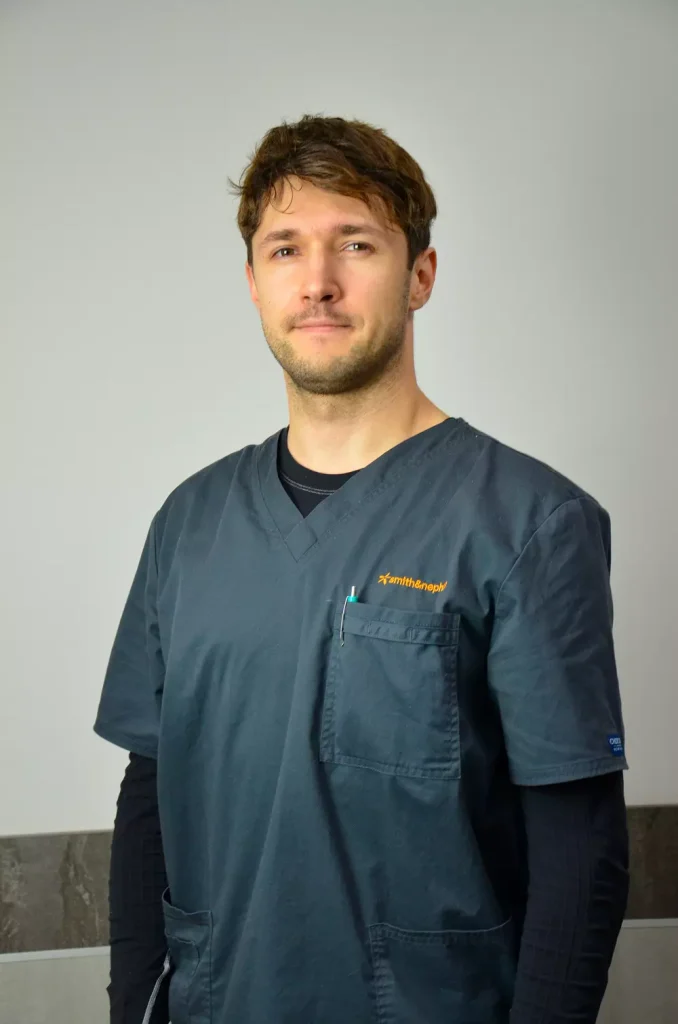
Orthopedic traumatologist
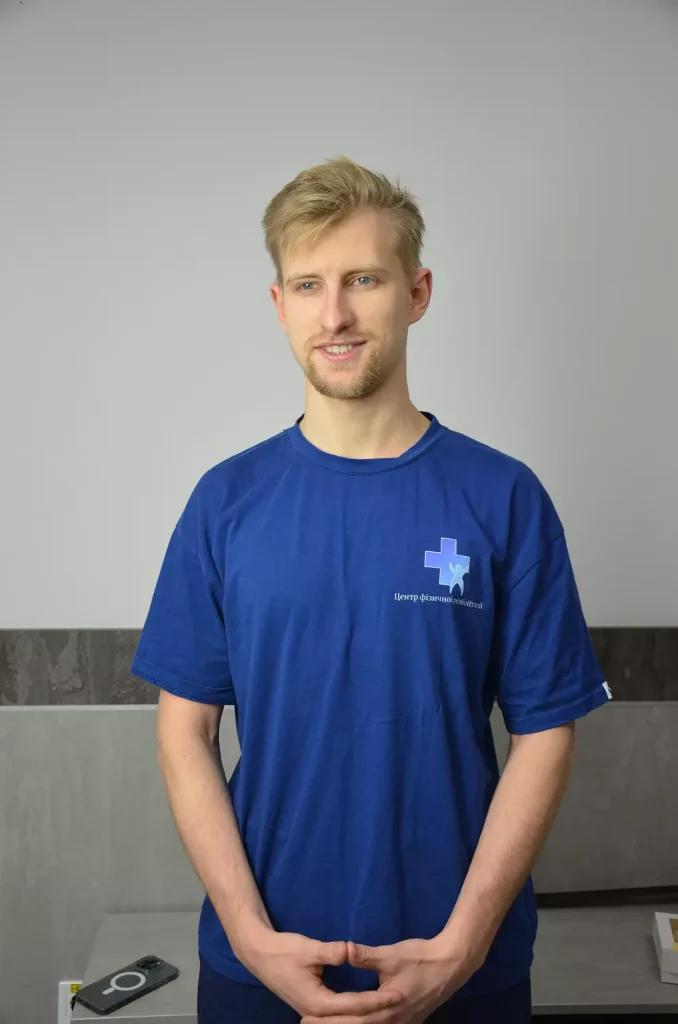
Chief rehabilitation specialist of physical therapy
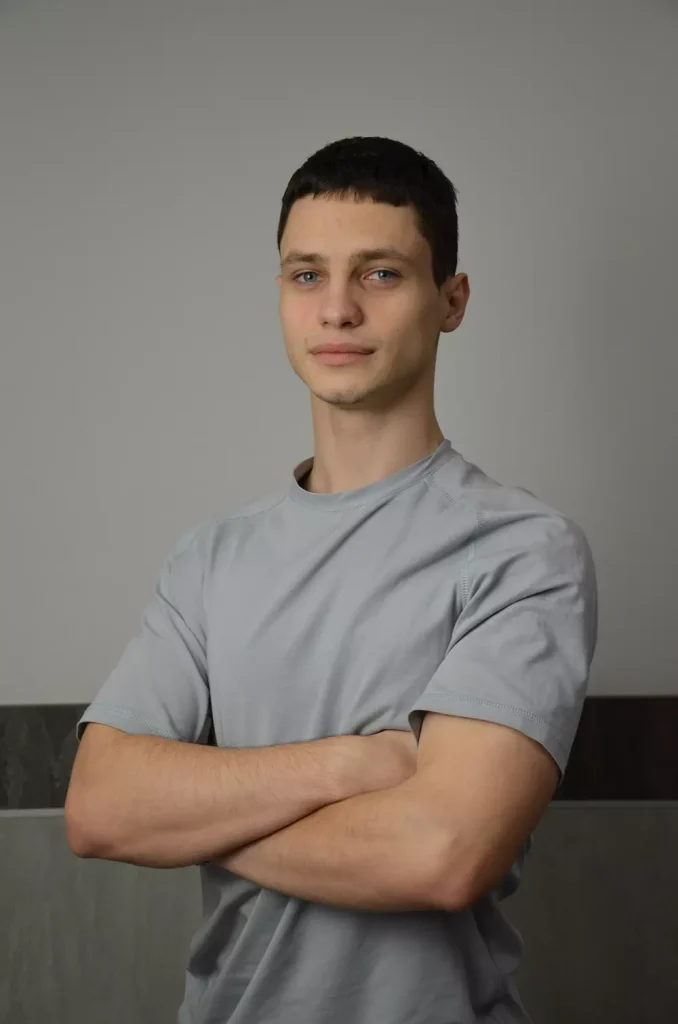
Rehabilitation specialist
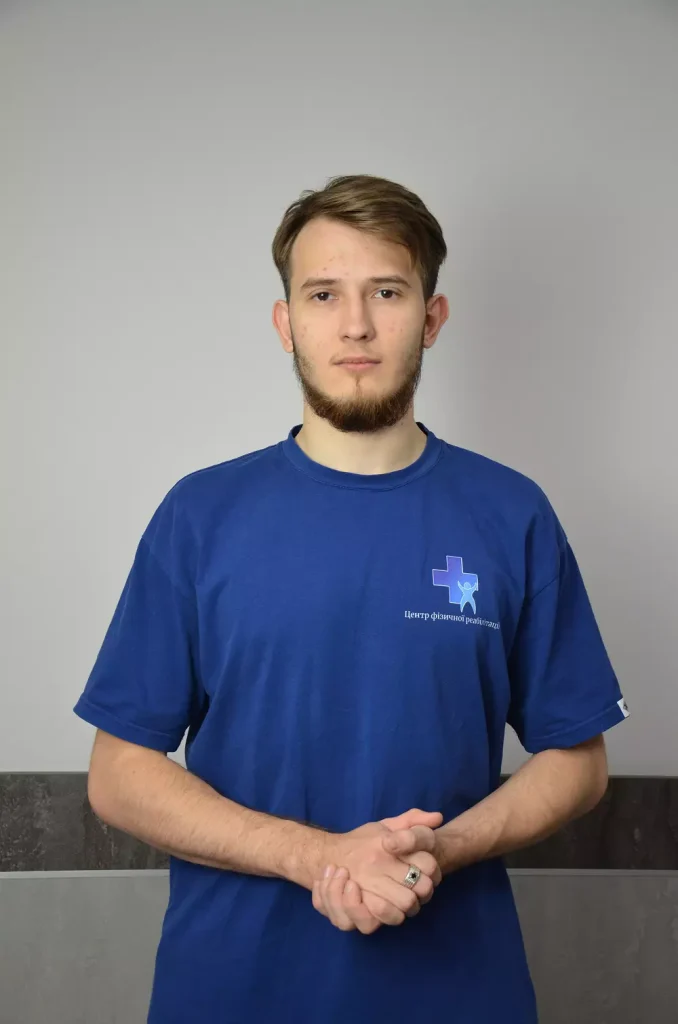
Rehabilitation specialist
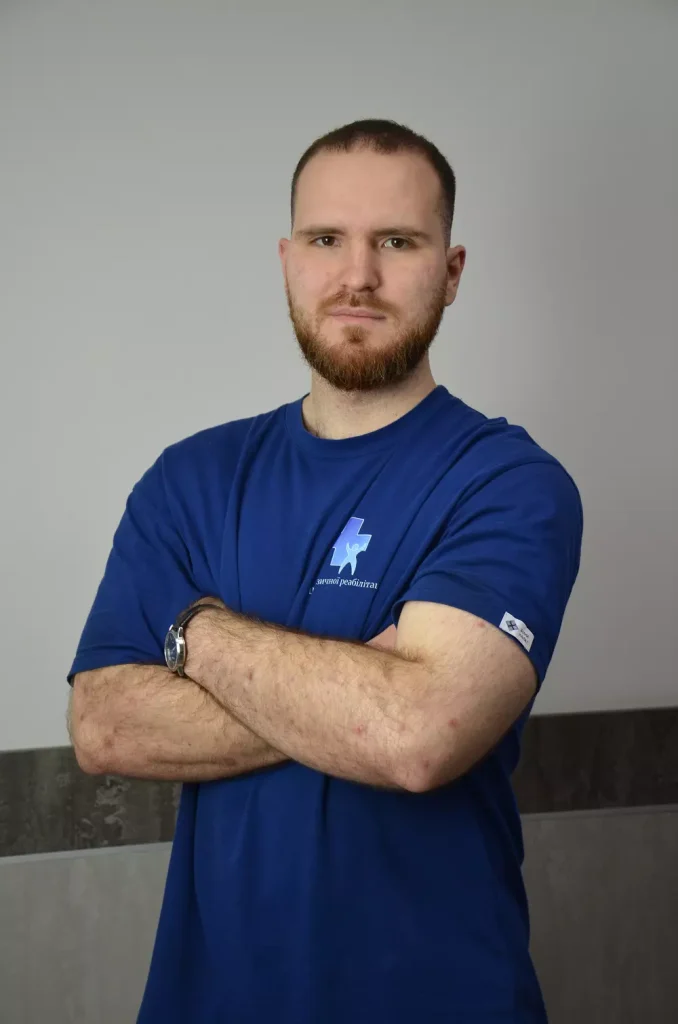
Masseur
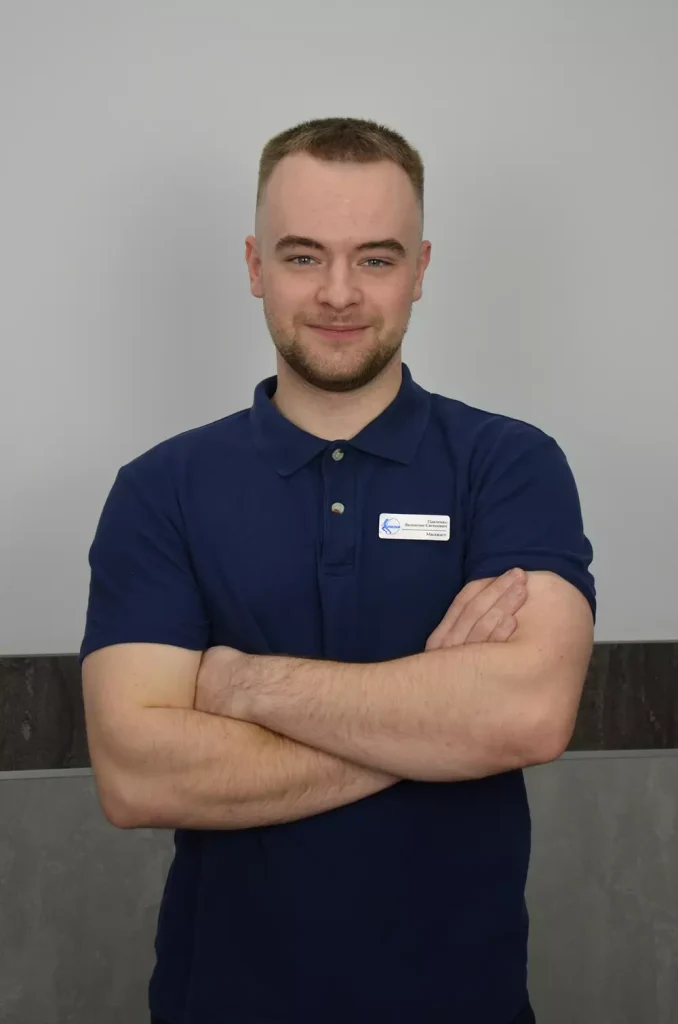
Masseur
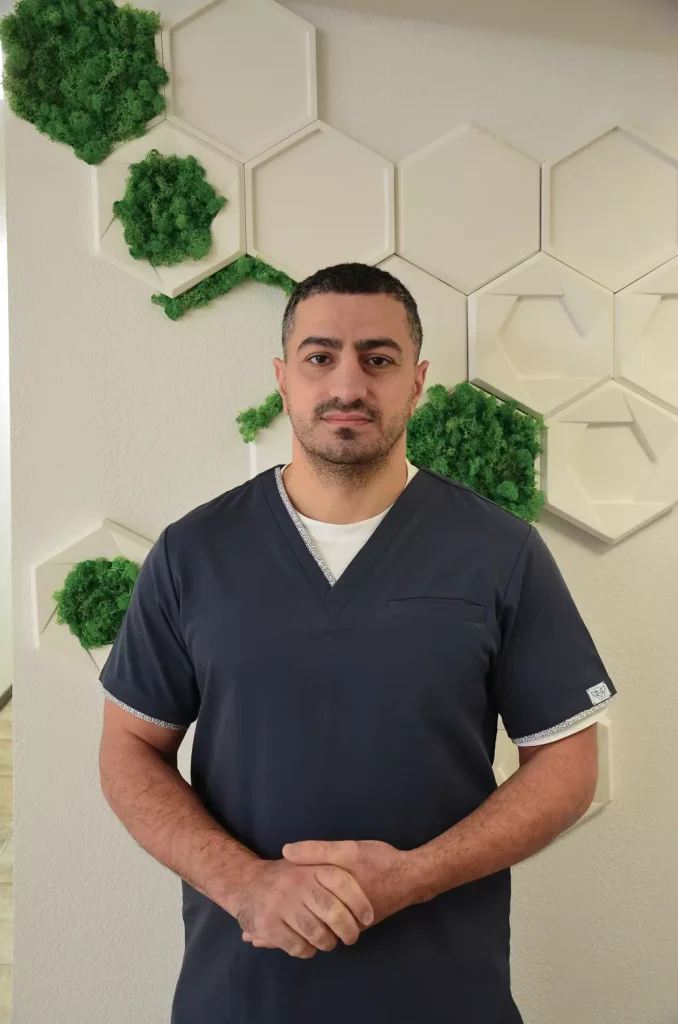
Founder of the center
Chief Rehabilitation Specialist
Chief physiotherapist
Orthopedic traumatologist
Chief rehabilitation specialist of physical therapy
Masseur
Masseur
Masseur

Leave your contacts — our specialist will contact you within 10–15 minutes to help you choose a service and answer all your questions.
Leave your contacts — our specialist will contact you within 10–15 minutes to help you choose a service and answer all your questions.